
Sarkozy Conviction Shocks France
Sarkozy’s Legal Defeat Marks a Historic Turning Point-A Final Blow from the High Court
The top judicial authority in France has issued a devastating final judgment against Nicolas Sarkozy. His last plea concerning the election overspending scandal from 2012 failed completely. Magistrates validated the twelve-month prison term originally given to the seventy-year-old politician. This verdict solidifies his position as the first ex-head of state to suffer two confirmed criminal convictions. The judgment centers on how he funded his failed re-election campaign unlawfully over a decade ago. Judges ruled that he knowingly broke strict spending caps set by French electoral rules. The conservative figure must serve his time under house arrest. Officials will track his location using a digital ankle bracelet instead of locking him in a cell. This legal outcome ends his defense options for this specific case. Sarkozy’s lawyers voiced deep regret but accepted the court’s finality. He still insists he is completely innocent of any financial wrongdoing.
The Mechanics of a Massive Fraud
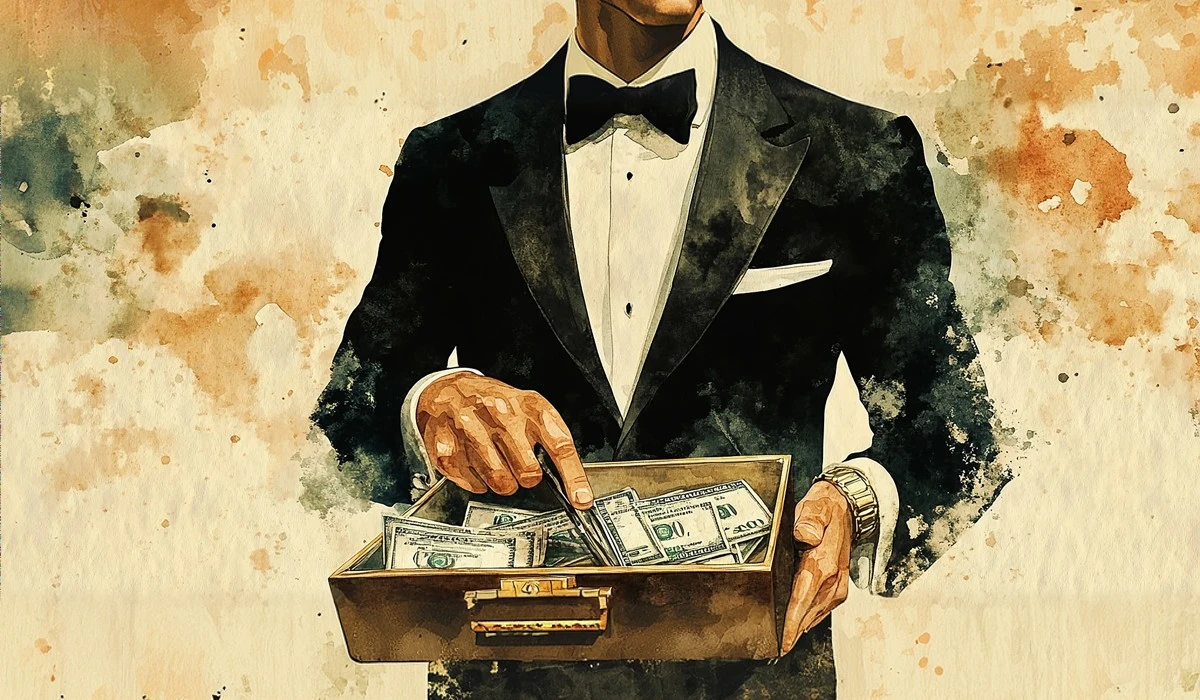
Prosecutors exposed a complicated method used to conceal millions of euros. Investigators found that the Union for a Popular Movement (UMP) party collaborated with a PR agency to doctor the books. This company, Bygmalion, generated false bills to absorb the colossal costs of campaign rallies. The party settled these invoices directly, which removed the expenses from the official campaign register. This deception allowed the team to exceed the allowed cap of €22.5 million by almost two times that amount. Probes discovered that real spending hit at least €42.8 million. The plot intended to evade the scrutiny of the National Commission for Campaign Accounts. Bygmalion bosses confessed to the fraud during earlier trials. They depicted a wild atmosphere where cash poured out unchecked. Staffers for Sarkozy requested more events and grander stages. The fraudulent billing became the only tool to maintain this frantic pace without triggering audits.
Lavish Rallies and Golden Confetti
The 2012 race displayed unmatched extravagance. Sarkozy staged at least forty-four massive rallies nationwide hoping to beat François Hollande. Observers noted that these events looked more like rock concerts than political gatherings. Planners rented advanced lighting systems, huge screens, and bespoke stage designs for every location. One single gathering at Villepinte cost millions all by itself. The organizers bought sixty-five thousand French flags for supporters to wave. They purchased costly blue cloth to hide metal barriers because the candidate hated how steel looked. Machines shot gold foil over the cheering masses. Directors captured the rallies using cinema cameras to broadcast a look of certain victory. These artistic decisions depleted the funds very quickly. Accountants alerted the staff about the vanishing money early in the contest. The candidate disregarded these warnings and commanded his group to keep up the high-intensity schedule.
The Whistleblower Who Broke the Silence
Jérôme Lavrilleux played the key role in revealing the scandal. The former deputy director of the campaign admitted to the plot on live television during a tearful confession. He described a chaotic situation that nobody had the courage to halt. Lavrilleux acknowledged he helped set up the double invoicing system to rescue the candidate’s chances. He argued the party had no option other than concealing the expenses or facing instant disqualification. His statement destroyed the defense argument that accounting mistakes were just accidents. Lavrilleux explained how he and other bosses met to choose which costs to move onto the party’s ledgers. He stated that while Sarkozy may not have seen every specific bill, the candidate ordered the expensive events that required fraud. This admission made Lavrilleux an outcast in his own political circle. Yet, his testimony gave investigators the path to convict the top leadership.
A Campaign Spiraling Out of Control
The urgent need to win the 2012 vote pushed the team into reckless money decisions. Sarkozy sensed the political mood shifting against him and reacted with pure volume. He trusted that huge, high-energy rallies would wake up his base and narrow the gap in polls. Managers signed off on costs that went far beyond normal political budgets. They engaged elite event planners and required fast construction for stages. The price of transporting the candidate and his team around France rose sharply. Every fresh poll showing the Socialists ahead caused a demand for another spectacular show. The finance group lost their grip on cash flow weeks before voting day. They understood too late that they had used the whole legal budget with weeks of campaigning remaining. The choice to cheat the oversight board came from this panic. The resulting cover-up ruined young politicians and left the party in debt.
The Invisible Man Named Bygmalion
Bygmalion started as a regular communications firm before it became a symbol of political rot. The agency grew fast thanks to rich contracts with the UMP party. Its leaders held close connections with Jean-François Copé, who led the party then. When the campaign needed a method to mask expenses, Bygmalion offered the ideal tool. The business produced bills for fake conventions that never happened. These papers bore vague names such as "Innovation Forum" or "Digital Summit." The party paid these invoices instantly, pumping money back into the actual campaign work. This setup let the firm make money while politicians dodged the rules. The scandal eventually drove the company into bankruptcy. Staff members had to answer police questions regarding events they never planned. The name "Bygmalion" now functions as a shorthand in French politics for illicit funding and administrative lies.
Electronic Tags Instead of Prison Bars
The presiding judge demonstrated mercy concerning how the punishment is applied. Sarkozy will not spend nights in a jail cell for the Bygmalion verdict. The court allowed him to serve the twelve-month term within his private home. He is required to carry a digital tracking device on his ankle constantly. This gadget monitors his position and guarantees he follows curfew rules. Parole officers define specific times when he may exit his house for work or health needs. Breaking these conditions would lead to instant imprisonment. This setup copies the penalty he got for the corruption trial regarding wiretaps. The ex-leader joins a tiny group of famous offenders permitted to serve time at home. Critics say this shows a justice system with two speeds. Fans argue it honors his age and rank. Sarkozy must keep the device for the entire six-month hard portion of his term.
A Brief Stint Behind High Walls
Sarkozy did experience real jail conditions earlier this month. Authorities held him inside La Santé facility for twenty days during late October and early November. This confinement resulted from a different, harsher conviction involving criminal plotting. The tribunal had handed him a five-year term for the Libyan money case. Judges commanded a short immediate detention before allowing conditional release while appeals continue. Police drove the former chief to the complex in a guarded convoy. He went into the jail via a hidden side door to dodge photographers waiting at the main gate. This stay marked the first time a Fifth Republic president slept behind bars as a convicted man. The sight of the motorcade going into the prison shocked the country. It represented the total fall of a man who once directed the nation’s police and military power.
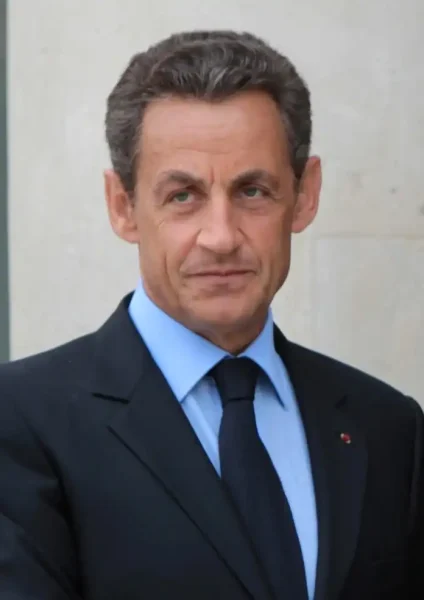
Image Credit by - Αντώνης Σαμαράς Πρωθυπουργός της Ελλάδας from Greece, CC BY-SA 2.0, via Wikimedia Commons
Life Inside the VIP Quarter
The La Santé detention center contains a special wing for at-risk inmates. Wardens call this zone the "VIP Quarter" or the section for specific individuals. Sarkozy lived in a cell spanning nine square meters during his three-week internment. The room held a bed, a toilet, a shower, and a TV set. He had zero interaction with the main prison population. The management separates famous prisoners to guarantee their safety and stop blackmail attempts. Sarkozy could use a tiny, private yard for exercise one hour daily. He had the right to rent a landline phone in his room to dial approved contacts. The price for these calls is notoriously steep. The block has held other well-known people, such as rogue trader Jérôme Kerviel and past government ministers. Despite the isolation, jail noise seeps through the walls. Detainees in regular blocks often yell between windows, making a racket.
The Silence of La Santé Prison
Sarkozy found the soundscape of the jail especially troubling. He observed that true silence simply is not real inside the prison structure. The steady slamming of steel doors rings through hallways all day and night. Keys jingle as wardens walk their beats. Yelling from far-off cells travels through air ducts. The ex-head of state detailed this nonstop noise in the snippet shared from his future book. He compared this din with the quiet he loves in his private life. The absence of silence builds a mental strain that exhausts prisoners. Sarkozy stated he used his time reading and writing to block out the sonic attack. He remarked that the ordeal compels a person to look inside themselves. Being cut off from the world strictly strengthens the inner soul, per his text. This short look into his confinement gives a rare view of a leader losing his power.
A Literary Defense Strategy
The reveal of his fresh memoir, titled "A Prisoner's Diary," shows a planned PR tactic. Sarkozy drafted the text during his twenty days in lockup. His staff promoted the book right after he gained freedom to steer the public story. The writing intends to make him look human and paint him as a victim of a cruel system. By telling his private feelings about the jail stay, he hopes to win pity from the population. The quote regarding the "desert" of prison suggests deep thinking rather than admitting guilt. Sarkozy has utilized books effectively in past years to start political returns. This release acts as a counter-strike against the court judgments. It permits him to talk straight to his voters without journalists or judges filtering him. The book debut will probably rule the news cycle, drawing eyes away from the legal facts of his crimes.
The Libyan Connection Resurfaces
The gravest charges against Sarkozy link to the rule of Muammar Gaddafi. Prosecutors claim the ex-leader took millions from the Libyan tyrant to bankroll his 2007 win. This dossier caused the conspiracy verdict that put him in jail this October. Witnesses say middlemen brought suitcases packed with bills to Sarkozy’s allies. The probe found notes from Libyan spy chiefs talking about the transfers. Sarkozy strongly rejects these claims, calling them a revenge plan by Gaddafi fans. He notes that he guided the military strike that helped remove Gaddafi in 2011. Yet, magistrates discovered sufficient proof to confirm a criminal plot. The tangled web of global money transfers made the inquiry last a decade. This matter brings the heaviest possible punishments, including lengthy jail time and a forever ban from holding office. The seriousness of plotting with a foreign dictatorship darkens his whole history.
Suitcases of Cash and Dictators
The specifics of the supposed Libyan cash sound like a spy thriller. French-Lebanese dealer Ziad Takieddine first stated he moved five million euros in currency. He detailed journeys between Tripoli and Paris in late 2006 and early 2007. Takieddine claimed he gave briefcases to Sarkozy and his chief of staff, Claude Guéant. The funds reportedly came straight from Gaddafi’s vault. Even though Takieddine later shifted his account, other clues backed the illegal funding idea. Journals owned by a past Libyan oil minister noted payments to the French runner. Magistrates also checked the sale of a large house and odd bank wires involving Sarkozy’s team. The charge suggests that a French president owed his job to a foreign despot. This affair hits the core of French independence. The court ruling to convict him of plotting implies they accept the money link was real, despite later denials.
The Wiretapping Scandal Unfolds
Investigators found another offense while checking the Libyan case. Police bugged Sarkozy’s mobiles to get facts on the Gaddafi cash. They found chats suggesting he attempted to pay off a senior magistrate. The audio showed Sarkozy wanted secret details about a different legal battle involving the L'Oréal heiress. In return, he proposed helping the judge, Gilbert Azibert, get a fancy job in Monaco. This secondary probe became known as the "Bismuth Affair." The tapes captured the one-time leader talking about the trade with his attorney, Thierry Herzog. The massive number of legal fights facing Sarkozy builds a messy web. The wiretap proof turned out vital because it gave the first clear evidence of rot. It revealed a past ruler actively utilizing his pull to break the justice process. This specific guilty verdict created the basis for the electronic bracelet penalty he now serves.
The Secret Line of Paul Bismuth
Sarkozy utilized a hidden phone connection to talk with his counsel. He listed the mobile number under the fake name "Paul Bismuth." This name belonged to an old school friend of his lawyer, who knew nothing of the trick. Sarkozy thought this burner device would shield his chats from police ears. He and Herzog spoke freely on this channel, thinking nobody was hearing. Yet, investigators had already bugged the machine. The written logs of these calls played a main part in his corruption hearing. They displayed the two men planning the move on Judge Azibert using code words. Using a false ID hurt Sarkozy’s trustworthiness badly. It showed he knew he was guilty and wanted to dodge the law. The actual Paul Bismuth later voiced shock and rage that the president used his name for crime. This fact turned the case into a sign of clumsy lying.
A Pattern of Judicial Denial
Sarkozy holds a steady plan of total rejection in every case. He paints himself as the victim of a leftist legal plot. He attacks the honor of the judges and prosecutors who chase him. Inside court, he often looks ready to fight and angry, lecturing the magistrates on their jobs. He insists that the charges rest on lies from crooks and political rivals. His legal group files nonstop process appeals to slow down hearings. They question if the wiretaps are legal and if witnesses are honest. Despite the growing list of verdicts, Sarkozy never confesses to a single mistake. He claims he acted only for the good of France. This refusal to take blame fires up his core fans who think the system is fixed. However, the stack of guilty rulings wears down this defense over time. Courts have totally dismissed his points, finding the fraud proof overwhelming.
The Shadow Over the Republicans
The legal crash of their past hero puts the conservative party in a hard spot. Les Républicains still look up to Sarkozy as their final winner. Many in the group see the trials as a political hunt. Yet, the proven fraud crimes make it tough to stand by his record. The money fines from the Bygmalion scandal almost broke the party bank. They had to start a "Sarkothon" cash drive to repay the state after the 2012 books got refused. The fresh verdicts bring back these sad memories. Current party bosses fight to plan a future while the past holds them back. They cannot fully hug Sarkozy without supporting his crimes, but they cannot drop him without losing his base. The group faces a split scene with the far-right growing. Sarkozy’s legal troubles take away the moderate right’s most charming leader right when they need to bond.
Influence on the Current President
Sarkozy keeps shocking sway despite his criminal sheet. President Emmanuel Macron asks him often for political tips. The two men enjoy a warm bond, frequently eating together at the Elysée Palace. Macron prizes Sarkozy’s history and his link to the conservative voters. Many people in the current cabinet worked under Sarkozy before. This "Sarkozy link" helps Macron win ballots from the right side. The sitting president even welcomed Sarkozy days before his recent jail entry. This visit pulled criticism from rivals, who said it weakened the court sentence. Sarkozy guides Macron on hiring and safety plans. He works as a shadow counselor, molding the government’s path from behind the curtain. This closeness to power shields him a bit from the social shame of his verdicts. It hints that in the halls of rule, his legal standing counts less than his political use.
A History of Presidential Corruption
Sarkozy is not the first French president to see a judge, but his penalties are the hardest. His forerunner, Jacques Chirac, got a two-year suspended term in 2011. Chirac was found guilty of misusing public cash during his days as Mayor of Paris. Yet, Chirac never walked into a jail or carried a digital tracking anklet. His bad health and age saved him from the worst results. Sarkozy’s case builds a new standard. The justice machine now chases top chiefs with the same energy as normal people. Other prime ministers, such as François Fillon, have also accepted prison terms for money crimes. This shift shows a change in French life. The public no longer accepts the safety that once covered the political elite. Sarkozy’s many verdicts and real detention signal the end of the time of untouchable presidents. Courts have proved that the highest office gives no lifetime pass for crime.
The Long Road of Appeals Ahead
The legal war is not done for Nicolas Sarkozy. While the Bygmalion file is shut, the Libyan funding appeal sits on the horizon. The hearing is set for next year and will decide if he goes back to jail for a longer time. He stays under tight court monitoring until that trial ends. He cannot exit French soil without clear approval. His attorneys intend to take the Bygmalion judgment to the European Court of Human Rights. They claim that the French system broke his right to a fair hearing. These global appeals take years to finish. Sarkozy will probably pass the rest of his life battling in courtrooms. The result of the 2026 appeal will set his final lot. If he loses once more, the five-year term could send him back to La Santé for a long stretch. For now, he remains a convict in a golden cage.
Recently Added
Categories
- Arts And Humanities
- Blog
- Business And Management
- Criminology
- Education
- Environment And Conservation
- Farming And Animal Care
- Geopolitics
- Lifestyle And Beauty
- Medicine And Science
- Mental Health
- Nutrition And Diet
- Religion And Spirituality
- Social Care And Health
- Sport And Fitness
- Technology
- Uncategorized
- Videos

