
Sailors Trapped in the Growing Shadow Fleet Era
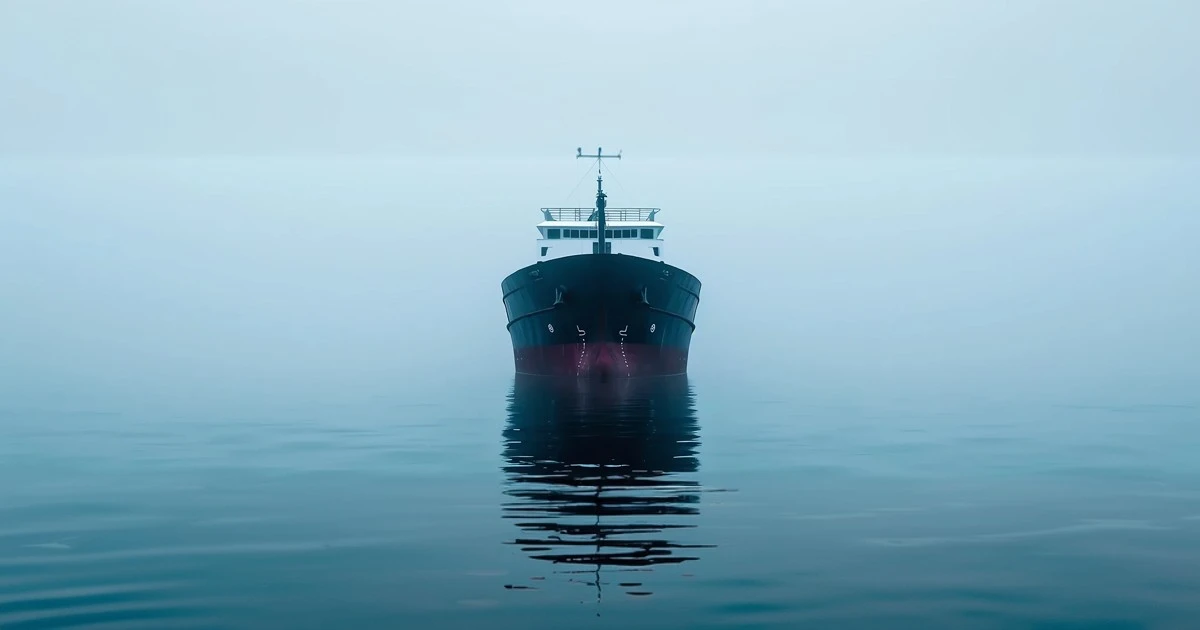
When nations ban a valuable resource, they rarely stop the trade; the bans simply push the commerce into the dark. As per the Atlantic Council, in the wake of the Russian invasion of Ukraine in 2022, a massive, parallel maritime system has surged in size to keep oil flowing against the will of Western powers. Far from a small collection of smugglers running speedboats under the moonlight, this global industrial operation moves millions of barrels of crude oil every single day. We call this the shadow fleet.
As reported by S&P Global, these vessels operate in a legal gray zone, bypassing sanctions and generating billions in revenue for countries like Russia, Venezuela and Iran. The scale of this operation challenges the existing understanding of international law. Data from S&P Global indicates that while policymakers in Washington and Brussels argue over price caps, this ghost armada has grown to approximately 978 tankers—representing roughly 18.5% of world fleet—carrying sanctioned crude to hungry markets. Reuters investigations reveal that the ships turn off trackers, paint over their names, and forge documents to avoid detection. While officials debate policy, this fleet continues to expand its reach.
The Explosion of the Ghost Economy
Markets despise a vacuum, and aggressive sanctions create the biggest vacuums of all. In the 2010s, this phenomenon was a niche problem involving Iran and North Korea. These nations needed to move restricted goods, so they developed methods to hide their ships. However, the game changed completely in 2022. Russia’s all-out escalation of war against Ukraine acted as a driving force, forcing Russia to adopt these same evasion tactics on a much grander scale. The data reveals a staggering shift. An Atlantic Council report highlights that the shadow fleet has soared in size since 2022, with the amount of vessels tripling as Russia joined Venezuela and Iran in utilizing these opaque networks.
The demand for sanctioned oil moved underground rather than disappearing. China was the sole importer of about 1.8 million barrels per day of sanctioned Iranian crude in 2025. This massive transfer of energy requires a reliable, albeit illegal, logistics network. The shadow fleet filled that role instantly. This growth creates a difficult contradiction for global powers. While the EU and US successfully imposed a $60 price cap on oil from Russia, the existence of the fleet allows Russia to bypass those limits entirely. Operating without Western insurance or Western ships, they built their own economy at sea. This allows the Kremlin to keep funding its war effort, even as analysts argue over whether Russian oil-derived income has dropped or stabilized.
How a Ship Becomes a Zombie
A vessel can die on paper and sail away with a new name the next day. The proceudure of creating a "zombie ship" involves sophisticated identity theft. Operators take the unique identification number of a vessel that has been scrapped and destroyed, then assign that number to a working tanker. This technique, known as identity laundering, effectively clones a dead ship. The tanker Gale case offers a perfect example of this deception. In late 2025 and early 2026, this American-sanctioned vessel disguised itself as the Beeta.
On paper, the Gale was blacklisted. In reality, it was sailing freely under a stolen identity. Crew members on board knew exactly what was happening. They were part of an elaborate shell game where dirty ships are reborn with clean identities. This works because the IMO lacks the power to physically verify every ship registration. It relies on paperwork. Smugglers exploit this trust. They create shell companies to own the ships, making it nearly impossible to trace the true owners. A ship might be registered in Panama one day, then "flag hop" to Liberia, and finally end up flagged in Cameroon or Gabon. Each jump acts as a layer of protection, burying the ship's true origin under mountains of bureaucracy.
The Technology of Disappearing
Modern navigation relies on trust, and rogue captains weaponize that trust against the tracking system. Every legal ship at sea uses an Automatic Identification System to broadcast its location. This prevents collisions and helps authorities track global trade. Shadow vessels, however, use AIS spoofing to create fiction. A tanker might broadcast a signal saying it is floating harmlessly off the Gujarat coast, India. In reality, that ship sits thousands of miles away, east of Singapore. This specific area near Singapore has become a "maritime anarchy hub." Here, tankers converge to transfer oil from ship to ship.
Reuters analysis of leaked emails shows that rogue captains weaponize trust by transferring cargo at sea to obscure the oil's origin and using AIS spoofing to broadcast fake locations. Windward AI analysis shows these tankers engaging in elaborate maneuvers to fool satellites. Rather than simply turning their transponders off, they manipulate them to show false paths. Some crews even discuss disabling tracking equipment directly on the bridge. Are these methods perfect? No. Can you track them? Yes, but it requires advanced surveillance that most civilian authorities lack. How do the ships hide their location? They use a technique called AIS spoofing, where they manipulate their onboard transponders to broadcast a fake GPS location to global tracking systems.

Floating Prisons and Modern Slavery
The cargo is worth millions, but the people moving it are treated like disposable parts. The glitter of oil wealth often hides a brutal reality for the sailors manning these rust buckets. The ITF describes the conditions on several ships as "modern slavery." In January 2026, the ITF in Mumbai received a distress email from the Beeta (the disguised Gale). The crew was desperate. They were trapped on a vessel operating unlawfully, unable to leave. This is not an isolated event.
As per ITF data, owners abandoned 410 ships in 2025 alone, leaving over 6,200 sailors stranded without food, water, or a way home. This is a massive spike compared to just 20 ships deserted in 2016. Unpaid wages are rampant. Owners owe crews approximately $25.8 million from 2025 alone. When a shadow ship gets blacklisted or detained, the shell company behind it often dissolves. The owners vanish, and the team is left to rot on a specialized vessel in the center of the ocean. Who works on these vessels? The crews are typically sailors from developing nations who often face unpaid wages, hazardous conditions, and an inability to leave the ship, effectively becoming prisoners at sea.
The Geopolitical Cat-and-Mouse Game
Stopping a rogue ship forces nations to choose between enforcing the law and starting a war. The response to this growing threat has split along two lines: the aggressive kinetic approach of the US and the bureaucratic approach of UK and the EU. Under the governance of Trump in late 2025, the US began physically seizing vessels. They captured seven Venezuelan tankers and claimed to have seized 50 million oil barrels. This direct action disrupts the fleet immediately but carries high risks. Seizing a ship is a logistical nightmare. You have to store the oil, maintain the vessel to prevent leaks, and manage the crew. In contrast, European nations have shown hesitation.
The UK Defence Secretary has called the disruption of the fleet a strategic priority, but physical intervention remains rare. France detained the tanker Grinch in January 2026, and the UK captured the Marinera, but these are exceptions. Most European leaders fear that aggressive boarding operations could escalate tensions with Russia or Iran. They rely on sanctions and insurance bans, which the fleet was specifically designed to ignore. This creates a stalemate. The US pushes for seizures to cut off funding for conflicts in the Middle East and in Ukraine. Meanwhile, some data suggests Russian revenue has already dropped 24% in 2025 due to price caps. However, other analysts argue that as long as the ships sail, the war chest remains open.
Legal Voids and False Flags
A ship without a country answers to no one. International maritime law operates on the assumption that every ship belongs to a "flag state"—a country responsible for its conduct. This fleet breaks this assumption. Many vessels fly "Flags of Convenience" from nations with open registries and little oversight, such as Cameroon, Eswatini, or Barbados. Some vessels become effectively "stateless." They switch flags so often or use such obscure registries that no nation claims them. This creates a sovereignty gap. If a stateless ship dumps oil or crashes, who do you sue? There is no clear answer.
The Atlantic Council explains that while the Royal Navy has the legal right to challenge stateless ships, exercising this right is complicated by the discretionary character of the global maritime system. This lack of accountability turns the high seas into a lawless zone. Over 450 ships were identified as using false flagging in the last year alone—a figure that doubled in just 12 months. This allows the vessels to operate in the shadows, immune to standard safety inspections or labor laws. What countries use the shadow fleet? North Korea. Iran and Russia are the primary users, dispatching these vessels for oil shipments, and other goods in violation of international sanctions.

The Ticking Environmental Time Bomb
Regulations keep oceans clean, but these vessels operate entirely outside the rules. The physical danger of this fleet exceeds the political implications. These ships are old. Most are over 20 years past their prime, vessels that reputable companies sold for scrap. Instead of being dismantled, they are run into the ground by shadow operators. The Atlantic Council warns that these "ramshackle" ships pose a massive threat to global coastlines because they lack Western P&I insurance to cover cleanup costs for oil spills. If a shadow tanker breaks apart, the cleanup bill falls on the country where the oil washes ashore. We are already seeing the warning signs.
In the Danish Straits, roughly 2.9 Russian vessels pass through daily. Danish pilots are often refused access, increasing the risk of collision in these narrow waters. We have already seen breakdowns, namely the Eventin in the Baltic Sea. These vessels are navigating difficult waters with questionable equipment and overworked crews. It is a statistical certainty that one will eventually cause a catastrophic disaster. Is the fleet dangerous to the ecosystem? Yes, because these ships are ageing and poorly serviced, and lack proper insurance, making them a high risk for collisions and massive oil spills that no owner will pay to clean up.
Conclusion
The existence of the shadow fleet exposes a major flaw in modern sanctions. Banning a transaction on paper fails to stop a physical ship from moving across a physical ocean. As we move deeper into 2026, the divide between the "clean" global trade and this dark economy continues to widen. The US has chosen seizures, while Europe wrestles with the legal complexities of intervention. Meanwhile, 1,468 ships continue their unreported voyages, carrying the oil that funds wars and fuels economies. Until global powers find a unified way to close the sovereignty gaps and enforce maritime law, these ghost ships will remain the undisputed masters of the grey zone.
Recently Added
Categories
- Arts And Humanities
- Blog
- Business And Management
- Criminology
- Education
- Environment And Conservation
- Farming And Animal Care
- Geopolitics
- Lifestyle And Beauty
- Medicine And Science
- Mental Health
- Nutrition And Diet
- Religion And Spirituality
- Social Care And Health
- Sport And Fitness
- Technology
- Uncategorized
- Videos

