
Polygraph Testing: Solving The Toughest Crimes
According to a report by the Cleveland Clinic, your brain treats a lie like a physical threat because the sympathetic nervous system activates a "fight-or-flight" response. Research published by MSD Manuals indicates that when you speak a falsehood, your heart rate climbs and your palms sweat before you can stop them. This physical reaction happens because your nervous system prioritizes survival over social convenience. During a high-stakes dispute, words often lose their value, leaving people stuck in a cycle of blame and doubt.
You might face a business partner who claims they didn't take the funds. Perhaps a family member swears they told the truth about a missing heirloom. These situations create a wall of "he-said, she-said" that traditional logic cannot break. Polygraph Testing offers a way to look past the spoken word and observe the body's internal reactions to specific questions.
The measurement of involuntary changes provides data where there was only speculation. It bypasses the rehearsed story and focuses on the physical stress of deception. This approach helps people find a path forward when every other method of resolution has failed.
How Polygraph Testing Breaks the Deadlock in Complicated Disputes
Conflict often reaches a point where neither side will budge. One person presents a story, the other disputes it, and the facts remain buried. This stalemate drains time, money, and emotional energy. Polygraph Testing steps into this gap by providing an objective set of data points.
It moves the conversation away from emotional arguments. Instead of fighting over memories, parties look at physiological charts. This shift often forces a resolution. The Federation of American Scientists notes that the mere presence of a scheduled test frequently leads to a voluntary confession.
In professional settings, a clear result allows managers to stop second-guessing their team. It provides a sense of finality that a simple conversation never could. When people know that a scientific tool will evaluate their claims, the nature of the dispute changes instantly.
Monitoring the Autonomic Nervous System
The heart of the process lies in the Autonomic Nervous System (ANS). This system controls functions you don't think about, like breathing and heartbeats. Research from the National Center for Biotechnology Information explains that when you feel the stress of a lie, the sympathetic branch of the ANS causes a "fight or flight" response.
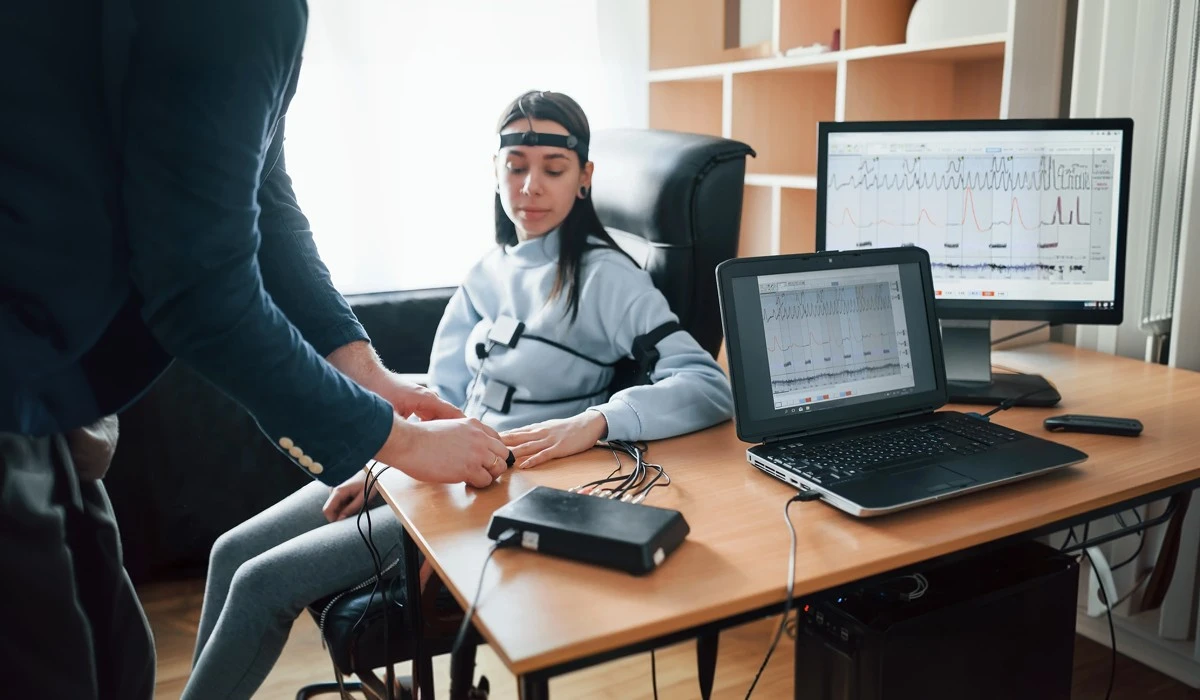
As detailed by USC’s Illumin, the equipment tracks this shift through sensors. A blood pressure cuff monitors your pulse waves. The report also notes that pneumograph tubes around your chest and stomach record your breathing patterns, while small plates on your fingers measure the saltiness of your sweat.
The Role of the Standardized Questioning Technique
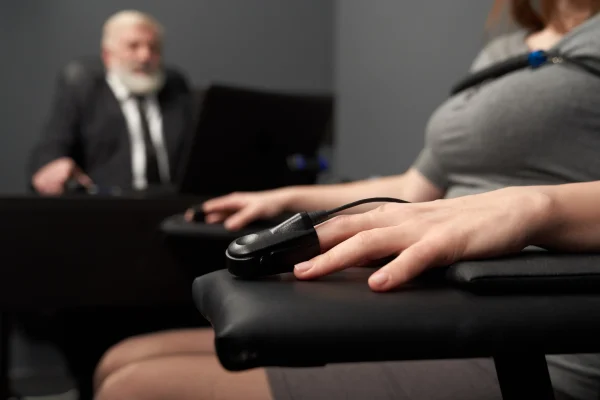
Examiners do not simply fire off random questions. They follow strict protocols to ensure the data remains clean. The American Polygraph Association states that the Pre-Test Interview allows the examiner to explain every question before the sensors start recording. This discussion prevents a surprise reaction from ruining the data.
How does a polygraph work to detect lies? A report from the National Academies explains that the examinee and examiner discuss the test procedure, medical history, and details of the issues. Following these discussions, a polygraph detects deception by monitoring involuntary physiological changes in the body that occur when a person feels the stress of being untruthful. These changes are recorded by sensors and analyzed by a trained examiner to determine the presence of deception, ensuring that the stress measured relates specifically to the question asked.
The Effect of Environmental Conditions
The American Polygraph Association notes that a noisy or chaotic room ruins a test, so modern examiners use controlled, quiet spaces. They specify that the room must remain neutral and free of interruptions, such as noise, visual distractions, or other people.
Research published in PubMed adds that temperature also matters; if a room is too hot or cold, it can cause erratic data or shivers. Consequently, controlling these variables protects the integrity of the session by preventing thermoregulatory interference.
Why the Examiner’s Credentials Matter
The person reading the charts holds the most responsibility. They must distinguish between general anxiety and a specific deceptive reaction. A qualified examiner uses advanced scoring models like the Empirical Scoring System to keep the results objective.
This expertise directly influences polygraph test accuracy in every session. A well-trained professional knows how to spot physical countermeasures, like an examinee biting their tongue to spike their heart rate. Is a polygraph test 100% accurate? While no forensic tool is perfect, a meta-analytic review by the American Polygraph Association suggests that when administered correctly, polygraph test accuracy ranges between 80% and 90% for specific-issue testing. This high rate of precision makes it a formidable tool for resolving complicated disagreements.
Applications in High-Stakes Corporate Disagreements
Businesses often face internal threats that a simple audit cannot find. When a digital breach occurs or sensitive files disappear, suspicion falls on everyone. This creates a toxic work environment where productivity drops.
Polygraph Testing identifies the source of the problem quickly. It clears the names of innocent employees who would otherwise remain under a cloud of suspicion. The company uses the test to narrow its focus rather than firing an entire department.
Under the Employee Polygraph Protection Act, companies can use these tests during investigations into specific economic losses. This legal framework allows businesses to protect their assets while respecting worker rights. It turns a vague suspicion into a directed investigation.
Pre-court Settlements and Arbitration
Lawsuits cost a fortune and take years to conclude. Many legal teams suggest testing as a way to settle disputes before they reach a courtroom. If both parties agree to the terms, a test result can dictate the terms of a settlement.
This saves both sides from the public nature of a trial. It provides a private way to confirm the truth and move on. Lawyers often use these results to convince the opposing side that their case lacks merit.
Strengthening Your Defense or Claim
If you face a false accusation, a passed test provides a significant advantage. It shows the other party that you are willing to put your claims to a scientific standard. Can polygraph results be used in court? As noted by the Supreme Court of India, in many jurisdictions, polygraph results are only admissible if both parties agree to their use beforehand, though they are frequently used in private investigations and pre-trial negotiations. Their primary value often lies in providing the clarity needed to settle disputes before they ever reach a courtroom.
Rebuilding Foundation and Trust in Personal Relationships
Personal disputes often leave deeper scars than business ones. When a spouse suspects a partner of a major betrayal, the relationship stops functioning. No amount of talking can fix the lack of trust if one person believes the other is still hiding facts.
A test offers a clean slate. It provides a way for the accused person to demonstrate their honesty in a measurable way. While it cannot fix the emotional pain, it removes the uncertainty that prevents healing.
Many couples use these sessions to address "concealed" issues like gambling or secret debts. Verification brings these problems into the light so the couple can address them. This transparency serves as a starting point for rebuilding a damaged bond.
Preparing for Your Examination
Success depends on the examinee's physical state. You should get a full night of sleep and eat a normal meal before the test. Fatigue or hunger can cause the body to react in unpredictable ways, which might cloud the data.
You must also disclose any medications you take. Certain heart medications or anti-anxiety drugs can dampen the body’s natural responses. An honest conversation with the examiner before the test begins ensures that these factors do not skew the outcome.
Ethical Considerations and Consent
No one should ever feel forced into a test. According to standards from the American Association of Police Polygraphists, ethical standards require that every participant provide written consent. The organization also notes that the examiner must explain that the examinee can stop the process at any point.
Maintaining high polygraph test accuracy requires a cooperative subject. If an examinee feels coerced, their general stress levels may overwhelm the specific reactions the examiner needs to measure. Following these ethical guidelines protects the validity of the final report and the rights of the individual.
Finding Clarity with Verified Results
Resolving a deep conflict requires a method that looks at the facts our bodies cannot hide, rather than just an opinion. When communication breaks down, Polygraph Testing provides a bridge to the truth. It uses the physical reality of the human body to answer questions that words alone cannot resolve. You choose a path of evidence over endless arguing when you rely on high polygraph test accuracy. This process turns confusion into a clear decision, allowing everyone involved to finally move forward with their lives.
Recently Added
Categories
- Arts And Humanities
- Blog
- Business And Management
- Criminology
- Education
- Environment And Conservation
- Farming And Animal Care
- Geopolitics
- Lifestyle And Beauty
- Medicine And Science
- Mental Health
- Nutrition And Diet
- Religion And Spirituality
- Social Care And Health
- Sport And Fitness
- Technology
- Uncategorized
- Videos

