
Nigeria School Abduction Crisis
Shadows Over the Savannah: Crisis Mounts as Gunmen Seize Hundreds in Bold Nigerian School Raid
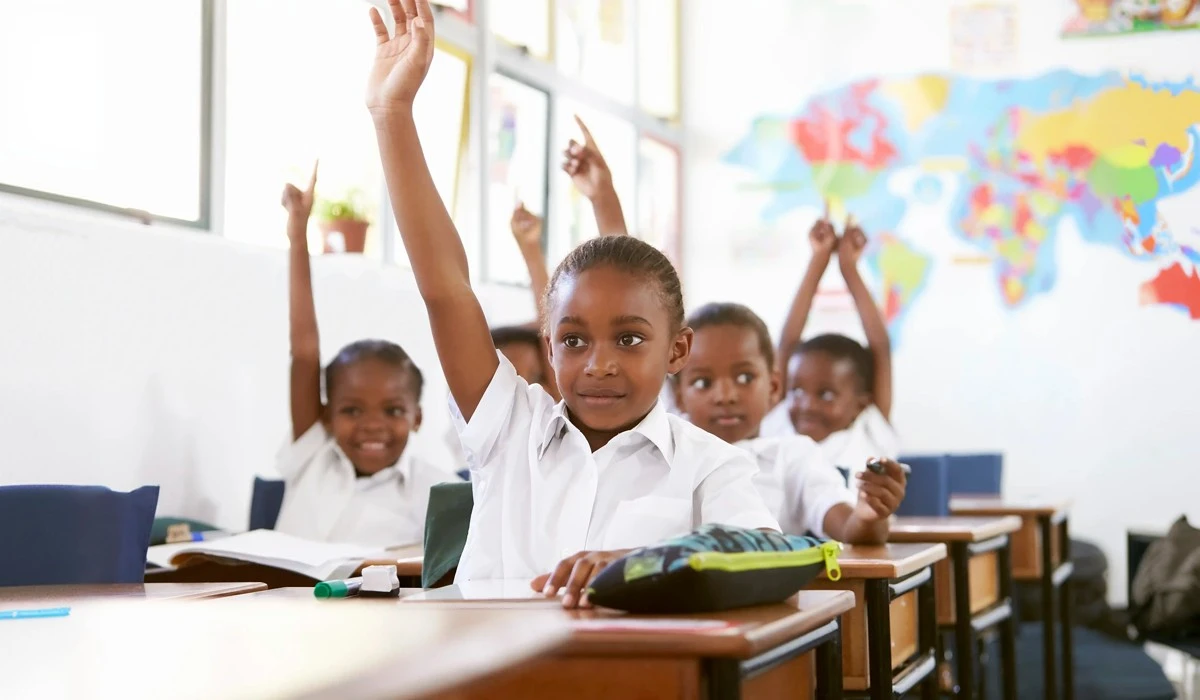
Armed assailants have forcefully taken over 300 students and staff members from an educational facility run by the Catholic church located in the nation's central region. This terrifying event now ranks among the most severe large-scale kidnappings that the country has ever endured. The sheer magnitude of this raid has sent shockwaves through every level of society, from rural villages to the presidential villa. Parents across the federation are gripping their children tighter, fearing that security has completely collapsed. The brazen nature of the assault highlights the growing power of criminal syndicates that operate with seeming impunity. This incident is not merely a statistic; it represents a fundamental breach of the social contract between the state and its citizens. The atmosphere in the affected community is one of absolute desolation as families wait for news.
Updating the Grim Statistics
Data released by the Christian Association of Nigeria indicates that the attackers captured exactly 303 students alongside 12 teachers. These victims vanished from the St Mary’s institution located within Papiri, a town in Niger. Early assessments had suggested a much lower figure, offering false hope to anxious relatives. However, the religious body revised their count upward following a meticulous verification process. This thorough check involved cross-referencing attendance registers with reports from traumatised survivors. The updated numbers paint a catastrophic picture of the security breach. Each digit in that final tally represents a human life currently at the mercy of ruthless captors. The disparity between initial reports and the final count underscores the chaos that follows such raids.
Surpassing Historical Tragedies
This abduction occurs during a terrifying escalation of violence orchestrated by armed factions. The updated count of captives from this single event now exceeds the 276 girls taken during the historic Chibok tragedy of 2014. That previous event had set a grim benchmark for insecurity in the region. Now, this fresh incident suggests that safety standards have deteriorated even further over the last decade. The criminals have clearly increased their operational capacity to manage such a large number of hostages. Comparing this raid to Chibok serves as a chilling reminder that the underlying security issues remain unsolved. The shadow of past traumas looms large over this new crisis. Citizens are questioning why lessons from a decade ago were not learned or applied to protect vulnerable schools today.
Terror in the Dead of Night
Police reports from the area confirm that the gunmen breached the compound perimeter near the hour of 2 AM on Friday. The attackers utilised the cover of darkness to launch their surprise offensive. Maximum of the students were sleeping in their dormitories when the mayhem erupted. The darkness amplified the confusion, allowing the perpetrators to herd victims together without facing immediate resistance. Assaulting a school at such an hour demonstrates a calculated strategy to maximise fear and minimise the chance of escape. The terrifying sounds of shouting and forced movement shattered the night's silence. Sleepy children were dragged from their beds and marched into the unknown wilderness. The timing was tactical, ensuring that help would be hours away.
The Anguish of a Father
Dominic Adamu, a local parent, shared his harrowing experience with the press. His daughters attend the academy but miraculously evaded capture during the chaos. He described the local community as being physically and emotionally shattered by the event. The suddenness of the raid caught the entire town completely unawares. Adamu explained that residents feel weak and helpless against such overwhelming force. His relief at his own children's safety is heavily weighed down by the collective grief surrounding him. Every parent in the vicinity now lives with the trauma of "what if." The psychological toll on these families is immeasurable, as trust in their safety evaporates.
A Heartbreaking Plea for Return
One devastated aunt could not hold back her tears while speaking to reporters. She wept openly as she detailed how the gang snatched her two nieces. The girls are very young, aged only six and thirteen respectively. Her only request was a desperate plea for them to return to the family residence. Such personal stories highlight the brutal reality behind the cold statistics of abduction. Behind every number is a child who should be safe in bed, not trekking through dangerous forests. The pain of uncertainty is a heavy burden for relatives who have no way to contact their loved ones. Her tears represent the agony of hundreds of families currently in limbo.
Security Forces Enter the Wilderness
Law enforcement officials have stated that tactical teams are currently scouring the dense woodlands. Their primary goal is to retrieve the missing scholars before any harm comes to them. The forests in this region are vast and treacherous, offering perfect cover for criminal hideouts. Police units face a daunting task as they comb through difficult terrain in pursuit of the gang. The operation requires immense coordination and speed, as every passing hour increases the risk for the hostages. Aerial surveillance and ground tracking are likely components of this desperate rescue mission. The nation watches and waits, hoping that this manhunt ends in liberation rather than tragedy.
Total Shutdown of Education
Government leaders in Niger state reacted swiftly to the crisis on Saturday. They issued a directive ordering the immediate closure of every learning institution across the state. This drastic measure aims to shield other children from potential copycat attacks. The education system has effectively paused as safety takes precedence over academic progress. Parents in unaffected areas rushed to withdraw their wards, driven by panic. This closure hands a symbolic victory to the attackers, who have successfully disrupted the daily life of the entire region. The long-term impact on the education of these youths is severe, but the immediate priority is preserving life.
Confusion Over Casualty Numbers
Initial news updates had placed the number of missing pupils at 215. Authorities later adjusted this figure as more accurate information became available from the school. The AFP news agency notes that this new total comprises nearly fifty percent of the entire student population. Losing half a school in a single night indicates a total loss of control by the defenders. The bandits effectively emptied the dormitories, overwhelming whatever security measures were in place. Accurate data is vital for the rescue effort, yet the fog of war initially obscured the truth. The revised numbers have only deepened the sense of despair among the public.
Allegations of Administrative Negligence
State officials have levelled serious accusations against the school's management team. They claim that the administration ignored a direct government order to shut down all residential halls. Intelligence agencies had reportedly flagged a significant danger of attacks in the vicinity prior to the incident. The government's statement argues that this failure to comply exposed both the workforce and the children to preventable peril. This alleged negligence has turned a known threat into a catastrophic reality for hundreds of families. The school leadership has not yet provided a formal response to these grave claims of oversight. If true, this adds a layer of administrative failure to the criminal tragedy.
The Business of Human Cargo
Organised syndicates, frequently termed bandits by locals, have transformed kidnapping into a highly profitable industry. They routinely seize individuals to extract massive financial payments from desperate relatives. This criminal enterprise plagues vast swathes of Nigeria's territory. The federal government recently enacted laws banning the payment of ransoms to curb this trend. Legislators hoped to sever the financial lifeline that sustains these armed groups. However, the legal prohibition has produced minimal practical results on the ground. Families, driven by love and fear, often disregard the law to save their kin. The economics of abduction remain a powerful driver of violence.
A Relentless Wave of Terror
The massive seizure on Friday marks the third major assault of its kind within a single seven-day period. The frequency of these attacks creates a sensation of being under siege. Criminal elements appear to be accelerating their operations, striking multiple targets in rapid succession. Security forces are stretched thin, trying to cover too many fronts simultaneously. The coordination and timing suggest a possible escalation in the bandits' strategy. Citizens feel that no location, whether school or church, is truly safe anymore. The cumulative effect of these incidents is a national psyche defined by trauma and apprehension. The country feels as though it is losing the war against disorder.
The Abduction in Kebbi State
Gunmen also raided a boarding facility in the neighbouring region of Kebbi just last Monday. They captured over twenty female students during that specific operation. Sources confirmed to the press that these particular victims are adherents of Islam. This detail challenges the simplistic narrative that attacks are solely directed at Christians. Violence in this region strikes indiscriminately, regardless of religious affiliation. The attackers also murdered the school's vice-principal during the assault, demonstrating their lethal intent. This earlier incident served as a grim prelude to the larger attack that followed later in the week.
Bloodshed in a Place of Worship
Assailants also targeted a religious centre further south within Kwara state. That brutal attack resulted in the deaths of two worshippers. The gang dragged away 38 other members of the congregation into captivity. This incident demonstrates the geographical spread of the insecurity, reaching beyond the northern zones. Places of prayer offer no sanctuary from the brutality of these groups. The bandits view any gathering of people as a potential source of income. Fear now pervades religious centres as much as it does educational institutions. The sanctity of the church was violated, leaving the community in shock.
The President Adjusts His Schedule
President Bola Tinubu has altered his international itinerary to handle the domestic crisis. He decided to postpone his planned foreign trips to focus on internal security matters. This change of plans includes missing the high-profile G20 gathering in South Africa this weekend. The President aims to personally oversee the strategic response to these kidnappings. His decision signals that the administration recognises the gravity of the situation. Critics had previously accused the government of being detached from the suffering of the people. This move attempts to restore public confidence by showing executive priority is on safety at home.
Citizens Demand Better Protection
Insecurity is fuelling a rising tide of fury and fear among the populace. Ordinary citizens are loudly calling for more robust measures to safeguard their neighbourhoods. Protests have erupted in various quarters, with people demanding accountability. The fear is palpable in every conversation on the street. People feel that the fundamental social contract—protection in exchange for loyalty—has been broken. The government faces a crisis of legitimacy as the violence spirals. Action, not just sympathetic words, is what the public now craves. The patience of the electorate is wearing thin as the body count rises.

The American Political Narrative
Conservative personalities in the United States have seized upon these events to push a specific narrative. Trump, the former US leader, has been particularly vocal on this issue. He asserts that Christians are facing systematic persecution within Nigerian borders. This framing aligns with certain domestic political interests within the US religious right. It simplifies a complex socio-economic conflict into a binary religious war. Such rhetoric adds a volatile international dimension to an already difficult local crisis. The global spotlight brings both necessary attention and potentially unhelpful diplomatic pressure.
Washington’s Ongoing Allegations
Activists and politicians in Washington have argued for months that Islamist fighters are targeting Christians. They contend that this violence represents a calculated campaign of elimination. Lobbyists use these claims to push for drastic changes in US foreign policy towards Nigeria. The Nigerian administration has consistently rejected these assertions as inaccurate. They view the violence as primarily criminal and economic rather than purely religious. The disconnect between American perception and Nigerian reality is stark and persistent. Diplomatic tensions may rise if the US continues to view the conflict solely through this lens.
Threats of Military Intervention
Donald Trump recently escalated his rhetoric regarding the Nigerian security situation. He stated earlier this month that he would deploy soldiers with "guns a-blazing" to intervene. His specific condition was if the African state continues to permit the killing of Christians. This threat of direct military action challenges Nigeria’s sovereignty as an independent nation. The language used was aggressive, confrontational, and diplomatically unorthodox. Such statements play well to his political base but complicate delicate international relations. It raises the spectre of foreign boots on the ground, a prospect that alarms many observers.
The Government Defends Its Record
Nigerian officials have forcefully rejected the persecution narrative promoted by foreign figures. They described the claims regarding Christian targeting as a complete distortion of the truth. Government spokespersons argue that the violence is indiscriminate and affects everyone. Terrorists attack anyone who rejects their murderous ideology, including Muslims, Christians, and those without faith. The administration insists that victimhood in this war is not determined by one's religion. They aim to present a more nuanced picture of the conflict to the world. Their goal is to decouple the fight against banditry from global religious politics.
The Long War in the North-East
Jihadist factions have waged war against the state in the northeastern territories for over a decade. This protracted conflict has claimed thousands of lives and displaced millions. The instability there has created a breeding ground for various other criminal elements. While these groups do have clear religious motivations, their primary war is against the secular state structure. They seek to overthrow the government and establish their own rule. The sheer duration of this insurgency has exhausted the military's resources. It remains the backdrop against which all other security crises in the country play out.
Muslims as Primary Victims
Organisations that monitor violence provide crucial context often missed in Western reporting. They report that the majority of casualties from these groups are actually followers of Islam. This is largely because the attacks occur most frequently in the Muslim-majority northern states. The terrorists do not spare their co-religionists who oppose their views. Communities in these areas suffer daily atrocities that often go underreported globally. The narrative of Christian persecution overlooks the massive suffering of the Muslim population. The pain and loss are universal across the region, transcending religious lines.
Conflict Over Land and Resources
Deadly clashes frequently erupt in central Nigeria between different occupational groups. Herders, who are predominantly Muslim, often fight with farmers, who are largely Christian. These conflicts are frequently framed by outsiders as religious wars. However, analysts argue that the root causes are often economic and environmental. Climate change has exacerbated tensions by drying up water sources and shrinking grazing land. Competition for these dwindling resources drives the violence more than theology. The religious identity of the combatants is secondary to their fight for economic survival.
The Struggle for Survival
Experts maintain that land and water are the true prizes in these communal wars. Rapid population growth adds immense pressure on the available arable land. Traditional grazing routes for cattle have been blocked by expanding farms. This leads to friction, crop destruction, and inevitable armed conflict. Religion becomes a convenient banner for rallying support, but it is not the origin. The underlying issues are structural, demographic, and environmental. Solving the crisis requires addressing these resource shortages rather than just preaching religious tolerance.
The Shadow of the Chibok Girls
The militant faction Boko Haram seized 276 female students from Chibok in 2014. That specific event remains a deep scar on the national conscience. It attracted international attention unlike any previous security failure in the country's history. The world rallied under the famous slogan "Bring Back Our Girls." High-profile figures joined the campaign, turning it into a global cause. It defined the presidency of Goodluck Jonathan and highlighted the military's inability to protect citizens. The failure to rescue them all continues to haunt the nation to this day.
Global Activism and its Limits
Michelle Obama, the US First Lady at the time, participated visibly in the advocacy. Her involvement brought the issue into millions of American households. The hashtag campaign was a viral phenomenon that swept across social media platforms. It demonstrated the immense power of digital activism in raising awareness. However, hashtags and retweets did not free the captives from the Sambisa Forest. The limits of international outrage were laid bare as the years passed. The girls remained in captivity despite the deafening global noise.
The Unfinished Story of Chibok
Many of the Chibok students have since escaped or been negotiated to freedom. Secret deals led to the release of some batches of girls over the years. Others fled during military bombardments or infighting among the insurgents. Yet, the tragedy persists for many families who are still waiting. Up to 100 of those young women remain missing today. They have grown into adults while in captivity, some forced into marriages with fighters. Their plight serves as a grim reminder of the long-term nature of these abductions
The Emergence of New Threats
The security landscape is constantly mutating, presenting new challenges to the state. A group known as "Lakurawa" has recently gained notoriety in the northwestern states. This group adds another layer to the already complex banditry problem. They are distinct from the traditional bandit gangs and may have links to Sahelian jihadists. Their emergence suggests that the security situation is fragmenting rather than improving. Authorities now face an even more diverse array of enemies. This evolution makes intelligence gathering and military responses significantly harder.
Overhauling the Police Force
President Tinubu has ordered a major shake-up of the national police structure. He directed the withdrawal of officers currently assigned to protect VIPs. This affects politicians, wealthy businessmen, and other elite figures. The goal is to redeploy these officers to the front lines of public safety. Around 100,000 personnel could potentially be returned to active duty through this move. This bold political gamble aims to boost the numbers available for community protection. It signals a shift away from privatised security for the rich.
A Massive Recruitment Drive
The President also approved the immediate hiring of new law enforcement officers. The plan involves recruiting 30,000 additional police personnel to bolster the ranks. This surge in manpower is desperately needed to cover the vast territory. The current force is woefully understaffed for a country of Nigeria’s size and population. Training these new recruits will take time, so the impact won't be immediate. However, it signals a long-term commitment to rebuilding the security architecture. The government is attempting to scale up its capacity to match the threat.
Addressing VIP Privilege
The culture of VIP protection has drained police resources for decades. A significant portion of the force serves private individuals rather than the public. This leaves the general population vulnerable to attacks like the one in Papiri. Tinubu’s directive challenges this entrenched system of privilege. The elite will now have to rely on private security firms or the Civil Defence Corps. This shift prioritises the safety of the common citizen over the comfort of the powerful. Implementation will likely face stiff resistance from those losing their guards.
The Church's Role in the Crisis
The Catholic Church has been vocal and active following the attack on its school. As the proprietors of the targeted facility, they are directly involved. Church leaders have called for intense prayer and concrete government action. They are providing critical support to the grieving families in the area. The Church also serves as a reliable source of information, often more trusted than the state. Their verification exercise provided the true casualty figures that the government initially lacked. They stand in the gap where the state often fails to provide support.
The Vatican Weighs In
Pope Francis has previously weighed in on similar crises, and the church expects global solidarity. The Pontiff often calls for the immediate release of children taken in conflict zones. His voice adds significant moral weight to the demand for justice. He expresses deep sadness whenever such atrocities target the innocent. The global Catholic community is united in prayer for the safe return of the students. Such high-level interventions keep the story alive in the international news cycle. It reminds the world that this is a human tragedy, not just a local news story.
Aid Agencies Sound the Alarm
Groups like Save the Children have analysed the data on school attacks. They report a terrifying increase in assaults on educational institutions in conflict zones. The trend is global but particularly acute in northern and central Nigeria. Education is under siege, with schools becoming dangerous traps. Children are paying the ultimate price for wars started by adults. The "Safe Schools Declaration" seems to be failing to deliver safety on the ground. Action plans drafted in international conferences are not protecting rural schools from bandits.
The Silent Scars of Trauma
The psychological trauma inflicted on these students is incalculable and permanent. Survivors often face social stigma and deep psychological scars. The fear of school keeps many children at home, ending their education prematurely. This leads to a lost generation with disrupted learning and limited future prospects. The long-term economic impact on the region will be severe. Nigeria risks losing its future leaders to the paralysis of fear. Mental health support is virtually non-existent in these rural areas, leaving victims to cope alone.
Blurring the Lines of Criminality
Experts continue to debate the classification of these armed gangs. Some see them as purely criminal enterprises driven by greed. Others see growing links to established jihadist groups like ISWAP. The lines are increasingly blurred as bandits adopt terrorist tactics. Some now use anti-aircraft guns and improvised explosive devices. This convergence makes the threat much harder to counter effectively. The label matters less to the victims than the lethal outcome. Whether motivated by money or ideology, the result is the same: death and abduction
The Flood of Illegal Weapons
The region is currently awash with illegal firearms and military-grade weaponry. Small arms flow freely across porous borders from the Sahel. The collapse of Libya years ago contributed significantly to this arsenal. Bandits often outgun the local police units sent to stop them. They possess heavy weaponry that allows them to overrun towns and military posts. Disarmament has proven incredibly difficult in such a vast environment. The state has effectively lost its monopoly on violence in these areas.
The Challenge of Geography
The forests of Niger state are vast, dense, and difficult to navigate. They provide perfect natural cover for criminal camps and hostage holding areas. The terrain is difficult for conventional military vehicles to traverse. Bandits know the landscape far better than the soldiers pursuing them. They use motorcycles to navigate narrow forest paths at high speed. This mobility gives them a significant tactical advantage over the military. Security forces struggle to corner them without risking high casualties.
Desperation Breeds Vigilantism
Locals have formed vigilante groups in a desperate attempt to protect themselves. They attempt to defend their own villages when the police fail to arrive. These groups are often poorly armed with homemade weapons. They clash with the well-equipped bandits, often leading to massacres. Sometimes their actions trigger brutal reprisal attacks against civilians. The cycle of violence spirals out of control as communities take up arms. The state’s absence creates a dangerous vacuum filled by these unregulated militias.
The Grey Zone of Negotiation
Intermediaries often facilitate ransom talks between families and bandits. They walk a fine line between rescue work and criminal collusion. The government officially frowns on this practice, preferring kinetic solutions. However, these negotiators are often the only link to the captives. Trust is low on all sides, making deals fragile. These negotiations are fraught with danger for everyone involved. A failed deal can result in the immediate execution of hostages.
Poverty as a Driver of Conflict
Deep poverty drives the recruitment of young men into these gangs. With few jobs, young men see few other options for survival. The bandit economy offers quick wealth and power. Agriculture has become dangerous and less profitable due to insecurity. The economic downturn in the country fuels the fire of insecurity. Tackling poverty is essential to stopping the violence in the long run. Bullets alone cannot solve a crisis rooted in socio-economic despair.
A Future Hanging in the Balanc
The path forward for Nigeria is treacherous and uncertain. The banditry crisis shows no sign of abating despite government efforts. The new measures announced by the President will take time to bear fruit. Meanwhile, schools remain vulnerable targets across the central and northern regions. The international community watches with growing concern for the giant of Africa. Nigeria’s stability is crucial for the entire continent. The coming months will be a critical test for the Tinubu administration's resolve.
A Call to Action
The abduction at the Papiri academy is more than a crime; it is a national tragedy. It highlights the extreme fragility of the Nigerian state apparatus. The lives of over 300 children hang in the balance today. Their fate depends on a swift, effective, and careful response. The world waits anxiously for news of their safety. Nigeria must find a way to secure its schools or risk its future. The soul of the nation is currently being held for ransom.
Recently Added
Categories
- Arts And Humanities
- Blog
- Business And Management
- Criminology
- Education
- Environment And Conservation
- Farming And Animal Care
- Geopolitics
- Lifestyle And Beauty
- Medicine And Science
- Mental Health
- Nutrition And Diet
- Religion And Spirituality
- Social Care And Health
- Sport And Fitness
- Technology
- Uncategorized
- Videos

