
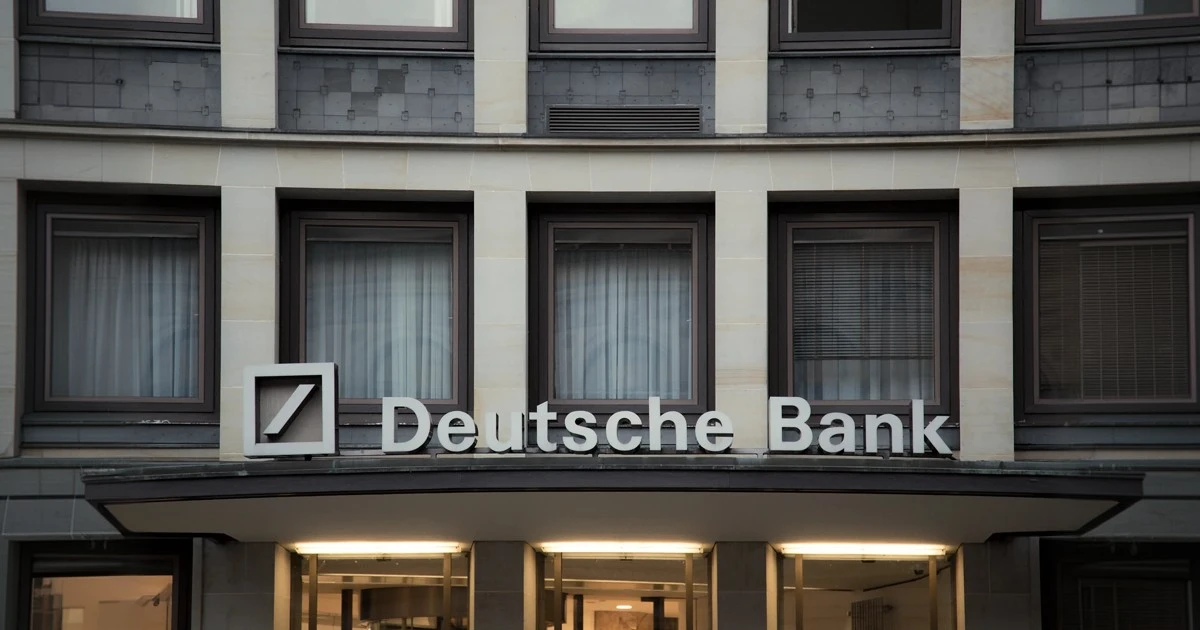
Image Credit - By Tony Webster from Portland, Oregon, United States, Wikimedia Commons
New Deutsche Bank Raid Linked To Abramovich Case
Silence in a compliance department often speaks louder than a filed report. When bankers wait too long to flag a problem, that delay transforms from a clerical error into a potential crime scene. Authorities rely on timely alerts to track illicit funds, and missing those deadlines creates a gap where money creates its own rules.
According to a report by Reuters, Frankfurt prosecutors confirmed that German federal police investigated Deutsche Bank offices in Frankfurt and Berlin on Wednesday to find exactly those gaps. The focus of the search centers on allegations of money laundering facilitation involving foreign companies. Reports link these inquiries directly to transactions associated with Russian oligarch Roman Abramovich. Police officers and prosecutors entered the bank’s twin towers and its Berlin branch to secure evidence.
This latest Deutsche Bank raid brings the scrutiny back to a specific five-year window between 2013-2018. While the bank prepares to announce record profits, legal challenges from the past continue to disrupt the present. The investigation aims bank employees who allegedly failed to report suspicious dealings in time. This operation highlights the ongoing tension between managing vast global wealth and adhering to strict financial laws.
The Anatomy of the Search Strategy
Police often learn more by blending in than by kicking down doors. A massive show of force signals disruption, but a quiet entry suggests investigators know exactly what they are looking for. The authorities approached this operation with a strategy of low visibility.
Approximately thirty undercover investigators arrived the Frankfurt headquarters and the Berlin offices. They avoided the spectacle of flashing lights and marked vans. This approach stands in stark contrast to the Deutsche Bank raid of 2018; Reuters noted that during that previous operation, approximately 170 police officers, prosecutors, and tax inspectors stormed the building, creating a media frenzy and visible chaos while seizing documents.
The lower profile of this week's search points to a targeted inquiry. The Public Prosecutor’s Office for Economic Crime in Frankfurt am Main led the operation. Their team moved quickly to secure documents and data. The bank acknowledged the company of authorities and pledged full cooperation. This calmer method implies the prosecutors already possess significant intelligence and simply need physical records to close the loop on their suspicions.
Analyzing the Timing of the Operation
Timing often dictates the effect of a legal strike. The investigators arrived on a Wednesday, exactly one day before the bank scheduled its major earnings report. The bank planned to announce its highest net profit since 2007.
This juxtaposition creates a difficult narrative for investors. While the financial books show growth and recovery, the legal reality pulls the focus back to past conduct. Bad news strikes hardest when expectations sit at their peak. The arrival of prosecutors immediately dampened the celebratory mood of the upcoming financial release.
Understanding the Deutsche Bank Raid Timeline
Financial history has a way of haunting the present when paperwork goes missing. Transactions from a decade ago can remain active liabilities if the compliance team never properly closed the file. The authorities focused their warrant on a specific period: 2013 to 2018.
This five-year window covers a time when the bank processed significant volumes of international transfers. Prosecutors believe that during these years, employees handled money for clients that should have raised alarms. The investigation relies on the belief that the bank sustained business affairs with suspect foreign entities without asking enough questions.
The Deutsche Bank raid seeks to determine why the bank allegedly filed Suspicious Activity Reports (SARs) too late. In the world of anti-money laundering, speed is essential. A report filed years after a transaction does little to stop the flow of illicit capital. Why was Deutsche Bank raided? According to Reuters, the bank stated that the enquiry is based on allegations that they processed money laundering transactions and failed to file suspicious activity reports on time.
The Role of the Money Laundering Act
German law places a heavy burden on financial institutions to police their own clients. The Money Laundering Act mandates immediate reporting of any transaction that looks unusual. A delay constitutes a violation of the law itself.
The Main Public Prosecutor’s Office states that the inquiry hinges on these procedural failures. They are looking for evidence that staff members knowingly or negligently held back information. If the bank facilitated money laundering by delaying reports, the legal consequences extend beyond fines to potential criminal charges for the individuals involved.
The Abramovich Connection
A famous name on a client list acts like a magnet for regulatory pressure. High-profile figures draw attention, and their financial movements often start wider audits of a bank’s internal controls. The current investigation reportedly ties back to Roman Abramovich.
The Süddeutsche Zeitung first reported the link between the raid and the Russian oligarch. Abramovich faced heavy sanctions from the UK and EU in March 2022 resulting the invasion of Ukraine. However, the scrutiny here predates those sanctions, looking back to the flows of capital occurring years prior.
Legal representatives for Abramovich pushed back immediately. They stated that their client has no links to the raids. The legal team argued that the investigation concerns the bank’s reporting failures rather than Abramovich’s assets. They claimed his name serves only to generate media attention for the case. Who is the target of the investigation? The investigation formally targets unknown bank employees and responsible parties, rather than the clients themselves.
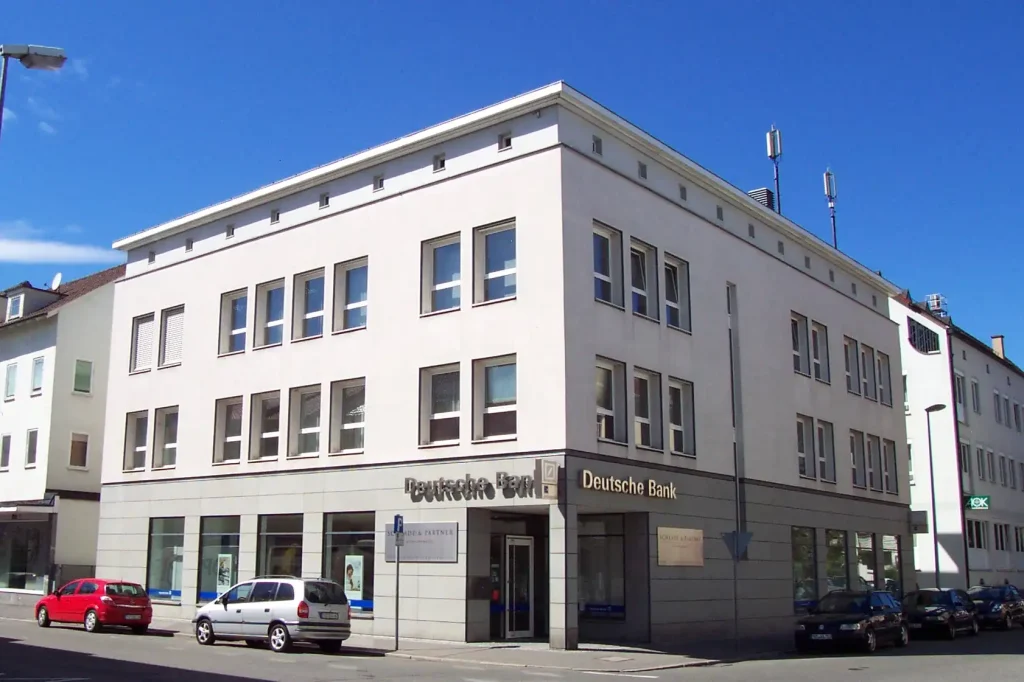
Image Credit - By Mathias Schwarz, Wikimedia Commons
Navigating Client Confidentiality
The Federal Prosecutor’s Office maintained strict silence regarding specific client names. They withheld details regarding the corporate identities indulged in the suspicious transactions. This refusal to name names formally keeps the focus on the bank's process.
However, the leak to the German media creates a direct association in the public eye. The prosecution focuses on the "business relationships with foreign entities," while the media fills in the blanks. This situation puts the bank in a difficult position, defending its procedures while navigating the reputational risk of ties to sanctioned individuals.
Money Laundering Allegations and Suspicious Activity
A single missed deadline can destroy years of profitable business relationships. In the banking sector, the difference between a legal transfer and a crime often comes down to the paperwork filed alongside it. The core allegation driving the Deutsche Bank raid is the untimely reporting of Suspicious Activity Reports.
Banks serve as the gatekeepers of the global economy. When they fail to report odd behavior, they effectively open the gate for criminals. The prosecutors allege that the bank flagged transactions related to Abramovich’s companies long after the fact. This delay potentially allowed funds to move through the system unchecked.
Dominik Mies, a prosecutor indulged in the case, noted that the inquiry targets unidentified bank personnel. The suspicion covers money laundering and related offenses. The investigators want to know if the delay was accidental or a deliberate attempt to shield a valuable client. What is a Suspicious Activity Report? It is a mandatory document banks must file immediately when they detect transactions that might signal criminal behavior like money laundering.
The Details of the Violation
The violation of the Money Laundering Act centers on the timeline. A report filed months or years later suggests a breakdown in the system. The authorities are looking for the specific point where the process failed.
They need to establish if the employees knew the funds were suspicious at the time of the transaction. If the staff ignored red flags between 2013-2018, the late reports resemble cover-ups rather than corrections. As prosecutor Dominik Mies told the OCCRP, the operation aims to protect documentary and electronic proofs like internal emails and memos that reveal the mindset of the employees during that critical window.
Examining the Deutsche Bank Raid Targets
Investigators usually hunt for the people who signed the forms before they go after the logo on the building. Corporate liability often starts with individual accountability. The warrant for this search targets "unknown individuals" and employees of the bank.
This distinction matters. The prosecutors are not initially charging the corporation as a singular entity. They are looking for the specific workers responsible for anti-money laundering (AML) compliance. The "responsible parties" are the ones who made the day-to-day decisions on which alerts to escalate and which to ignore.
The Deutsche Bank raid puts immense pressure on the staff. Plainclothes officers sifting through desks creates an atmosphere of personal risk. Employees know that if the prosecutors find evidence of negligence or intent, the legal fallout will land on their shoulders first.
Management's Response
Bank leadership immediately attempted to distance the institution from the alleged actions of specific staff. A Deutsche Bank spokesperson confirmed the police action and emphasized that the enquiry focuses on a historic timeline. They framed the issue as a procedural dispute over reporting times.
Alexander Wynaendts, the bank's Chairman, has previously stated that enhancing internal controls is a top priority. The administration wants to show that the current bank operates differently from the version that existed between 2013-2018. They frame these raids as an effort to clean up old messes instead of an indication of new rot.
A History of Regulatory Troubles
Patterns of behavior reveal more about a company than its newest promise to change. Repeated infractions usually indicate a culture that prioritizes speed over safety. Deutsche Bank has a long resume of fines and legal battles that provides context for the current raid.
In 2017, the bank paid $630 million to US and UK regulators. This fine settled charges related to "mirror trades" that moved $10 billion out of Russia. That same year, the Federal Reserve fined the bank $41 million for failures in its anti-money laundering systems.
These past events show a recurring theme. The infrastructure designed to stop financial crime has repeatedly failed. The Deutsche Bank raid this week is not an isolated incident but the latest chapter in a decade-long saga of regulatory conflict. Has Deutsche Bank been in trouble before? Yes, the bank paid billions in fines for mirror trading scams and money laundering failures throughout past decade.
From Bribery to Sanctions
The trouble did not stop in 2017. Reuters reported that in 2021, the bank approved to pay roughly $130 million to settle charges involving overseas bribery and manipulation of the precious metals market. Then, in 2022, they settled again regarding payments associated to the Assad family in Syria.
Each of these cases involves foreign entities and complicated cross-border flows of money. The current investigation fits this mold perfectly. It involves foreign companies, potential money laundering, and a struggle to cooperate with international standards. The history of fines suggests that the bank struggles to police its global footprint effectively.
Market Effect and Financial Fallout
Positive financial news creates a fragile glass house when legal trouble knocks. Investors hate uncertainty more than they hate bad numbers. The news of the raid sent an immediate shockwave through the stock market.
Deutsche Bank shares dropped 3% by mid-afternoon on the day of the search. The timing could not have been worse. The bank stood on the precipice of announcing a massive success story. The forecast predicted the highest net profit since the 2007 financial crisis.
The Deutsche Bank raid overshadowed this achievement. Rather than discussing growth and stability, analysts found themselves discussing warrants and money laundering acts. The market reaction shows that trust in the bank remains brittle. Despite the profit numbers, the fear of hidden legal liabilities keeps investors on edge.
The Cost of Reputation
Financial penalties are only one part of the cost. The reputational damage from repeated raids hits harder. Clients rely on banks to keep their affairs private and secure. The sight of police officers entering the headquarters shakes that confidence.
Every raid reinforces the image of a bank under siege. Even if the investigation yields no criminal charges, the association with money laundering and oligarchs lingers. The drop in share price reflects the market's exhaustion with these recurring legal dramas.
The Cost of Compliance Failure
The Deutsche Bank raid highlights the high cost of hesitation in the financial world. The bank invited prosecutors into its most private files through the alleged delay of suspicious activity reports. The investigation into the 2013-2018 window and the links to Roman Abramovich serves as a stark reminder that past transactions never truly disappear. While the bank posts record profits, it cannot buy its way out of procedural scrutiny. The plainclothes officers in Frankfurt proved that even the most powerful financial institutions remain subject to the basic rules of law. The balance between profit and compliance remains the bank's most critical challenge.
Recently Added
Categories
- Arts And Humanities
- Blog
- Business And Management
- Criminology
- Education
- Environment And Conservation
- Farming And Animal Care
- Geopolitics
- Lifestyle And Beauty
- Medicine And Science
- Mental Health
- Nutrition And Diet
- Religion And Spirituality
- Social Care And Health
- Sport And Fitness
- Technology
- Uncategorized
- Videos

