
Met Police Freemasonry: Battle for Transparency
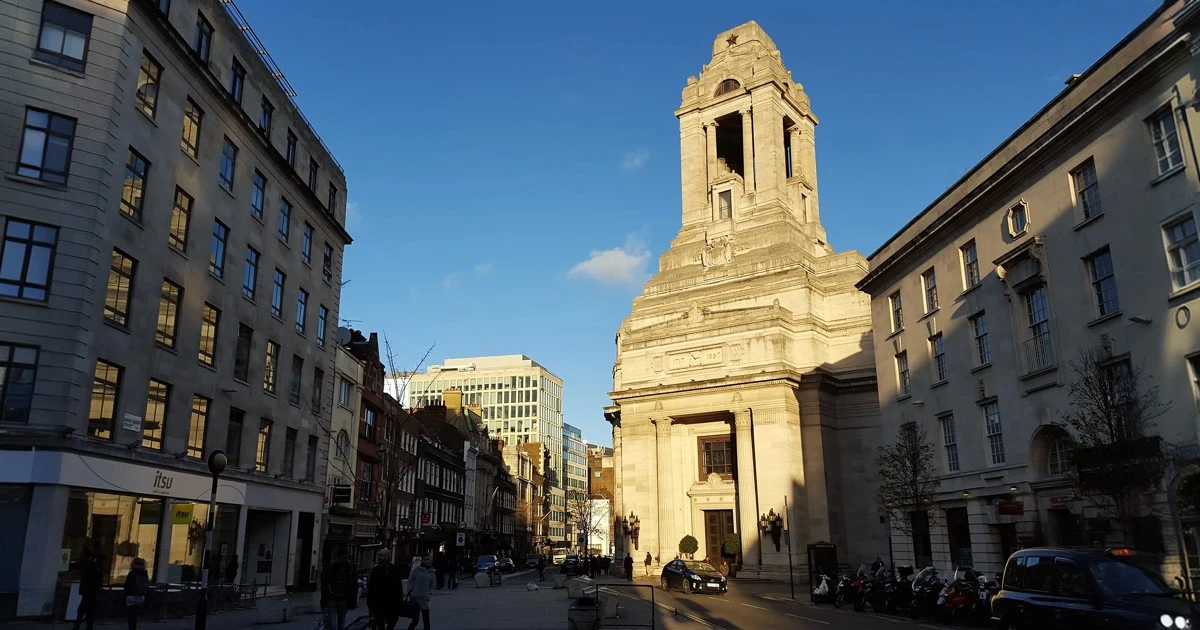
Police personnel who join private clubs create two competing loyalties that the law cannot easily separate. According to a report by The Guardian, the Metropolitan Police recently launched a policy requiring all staff to reveal their membership in hierarchical organizations. This move targets the long-standing presence of Met Police Freemasonry within the ranks. Commissioner Sir Mark Rowley aims to restore public trust and ensures complete impartiality among his officers. However, this push for transparency has triggered a fierce legal backlash. The United Grand Lodge of England views this mandate as a direct violation of human rights. They argue that the force is unfairly targeting a group based on their private beliefs. As the Court prepares to hear the case, the conflict highlights a deep divide between institutional transparency and individual privacy. High-ranking officials claim the policy protects the force from potential corruption, while members of the fraternity see it as an attack on their character. The outcome of this legal battle will determine how much of an officer's private life belongs to the public.
The Shadow of the Murder of Daniel Morgan
Unsolved crimes from decades ago still dictate how police leaders view modern loyalty. The killing of PI Daniel Morgan in 1987 remains one of the most notorious cold cases in British history. Assailants killed Morgan in the Golden Lion pub car park with an axe in south London. For decades, his family has fought for the truth about why the investigation failed.
As noted in the 2021 report by the Daniel Morgan Independent Panel, investigators felt persistent suspicion regarding the influence of private fraternities during the original probe. The Panel stated that ten police officers associated in the early stages of the investigation were Freemasons. While the report found no direct proof that masonic channels subverted the murder hunt, the Panel advised stricter regulations on secret memberships. The Panel suggested that the mere perception of a conflict of interest damages the reputation of the police. This historical baggage continues to weigh on the Met Police Service today. Leaders believe they must address these long-standing concerns to move the force forward.
New Rules for Freemasonry Disclosure
Transparency mandates force the police officers to choose between the secrecy of their club and the requirements of their badge. In December, the Met implemented a new policy regarding hierarchical organizations. According to The Independent, every officer and staff member must now state whether they belong to such groups, including past and present memberships. The policy requires all employees to reveal their involvement in any organization that demands a high level of loyalty or has a confidential membership list.
The force defines these groups as those with a hierarchical structure and a requirement for mutual support among members. The Commissioner believes this information is vital for maintaining an impartial police force. He argues that the public must know that an officer’s primary loyalty remains with the law. The policy permits membership while creating a record that senior leaders can review if a conflict of interest arises. Cdr Simon Messinger stated that the timing is right to address these concerns. He emphasized that public confidence takes priority over the desire for secret memberships.
The Legal Battle
Requiring the personnel to reveal private memberships turns a personal belief into a professional liability. The UGLE filed an injunction in the Court in London in December 2024. They want to stop the Met from enforcing the disclosure rule. The Grand Secretary, Adrian Marsh, described the rule as illegal and unfair. He believes the force is attacking the integrity of loyal servants.
The UGLE represents thousands of members across Wales, England, and the Isle of Man. They argue that the Met did not consult them properly before changing the rules. The group claims the mandatory disclosure policy violates their rights and constitutes religious discrimination. They believe the policy creates mistrust around their community. The Independent also reports that the legal challenge involves the Order of Women Freemasons and the Honourable Fraternity of Ancient Freemasons. These groups joined the action to protect their members from what they call an unjust process. The court expects to hold a judicial review hearing next month.
The Role of the Commissioner
Sir Rowley has taken a firm stand on this issue. He believes the force must move away from ad-hoc rules and create a clear standard for all staff. Rowley argues that the lack of transparency promotes conspiracy theories. He wants to eliminate any doubt about the influence of private groups on police decisions. The Met spokesperson defended the policy, saying it responds to internal and external feedback. They believe the move is a necessary defense against future claims of bias or corruption.

Image by Matt Brown, CC BY 2.0
Protecting the Public Interest
The Met claims that intelligence on potential corruption justifies the new rules. They want to prevent situations where personal relationships influence official duties. Even if there is no proof of wrongdoing, the perception of bias is enough to trigger a policy change. The force views this as a proactive step to safeguard the integrity of the 32,135 personnel currently serving London.
Human Rights and the Claim of Discrimination
Protection for religious groups creates a legal shield for organizations that require a belief in a higher power. Freemasonry requires its members to believe in a Supreme Being. Because of this requirement, the UGLE argues that their membership is a protected characteristic under human rights law. They claim that forcing an officer to reveal the membership is the same as forcing them to reveal the faith.
Adrian Marsh argued that the organization has followed the highest ethical and moral benchmarks for over 300 years. He believes the Met wastes public funds as it fights this in court. The claimants argue that the policy treats them differently than other groups without a valid reason. They see the mandate as a breach of privacy that has no place in a modern workplace. If the court agrees that Freemasonry qualifies as a religious belief, the Met's policy could collapse. This legal distinction is the central pillar of the masons' case.
Statistical Discrepancies in Force Surveys
Low participation rates in internal polls often mask the true sentiment of a massive workforce. To justify the policy, the Met pointed to a staff survey. The force claimed that 66% of surveyed personnel supported the disclosure of masonic membership. However, the data reveals a more detailed story. Less than 5% of the total staff actually participated in the survey.
Critics argue that a 5% response rate does not represent the views of the entire force. Data published by ITVX shows that 440 officers have identified themselves as Freemasons, which is less than 2% of the total force of 32,135. The UGLE uses these numbers to show that the perceived threat to impartiality is exaggerated. They argue that such a small group cannot control the direction of the largest police force in the UK. Meanwhile, the Met maintains that even a small number of people in influential positions can cause significant problems if their loyalties are split.
Specific Lodges for Police Personnel
Specialized groups for officers centralize private influence within the public command structure. The Met has long associated with two specific lodges. The Manor of St James’s lodge and the Sine Favore lodge both cater specifically to police personnel. The Police Federation founded Sine Favore in 2010.
The existence of these lodges creates a concentrated environment where junior officers and senior leaders meet in private. The Met leadership worries that these settings allow for informal influence over promotions or investigations. Masonic principles include integrity, friendship, and respect. Members argue that these values actually make them better police personnel. They claim their first duty is always to the law of the land and then to their families. The UGLE insists that masonic duty never overrides an officer's legal or professional obligations. Ironically, the very secrecy meant to protect these friendships is what makes the public and the Commissioner suspicious.
Data Privacy and GDPR Concerns
Collecting personal information on private associations creates a permanent record that might violate modern privacy laws. The new disclosure policy requires the Met to store sensitive data about the private lives of its employees. This has raised concerns about General Data Protection Regulation (GDPR) compliance. Legal experts suggest that the force must have a very strong reason to collect and keep this information.
The UGLE argues that the Met is overstepping its authority. They believe the policy puts the personal data of 440 officers at risk. If this data leaked, it could lead to harassment or discrimination against those members. The force maintains that they handle all staff data with the highest level of security. They argue that the need for public transparency outweighs the individual's right to keep their membership a secret. This tension between data protection and institutional accountability is a major part of the upcoming judicial review.
The Effect on Recruitment and Retention
Some fear that the mandatory disclosure will discourage people from joining the police. If potential recruits feel their private lives will be under a microscope, they might look for work elsewhere. Existing officers might also feel that the force no longer trusts them. Adrian Marsh warned that this policy treats loyal London servants with suspicion. He believes it could damage morale across the entire organization.
The Scope of the Disclosure
The rule covers any group with a hierarchical structure and a requirement for mutual support, extending its reach beyond the Freemasons. This broad definition could eventually include other clubs or societies. For now, the focus remains on the masons because of their historical link to the force. The UGLE is fighting to ensure that this policy does not set a precedent for other police forces across the country.

Image by Southbanksteve, CC BY-SA 2.0
The Future of Met Police Freemasonry
The conflict between the Met Police and the UGLE represents a major shift in how public institutions handle private associations. Sir Rowley is betting that transparency will heal the fractures in public trust caused by decades of unsolved cases and rumors of corruption. The Met demands a clear declaration of loyalty to prove that its officers serve the public alone. On the other side, the Freemasons are standing on the ground of religious freedom and human rights. They see themselves as a moral force for good that is being unfairly maligned by modern bureaucracy. The Court will soon decide if the force can legally demand to see the private affiliations of its staff. Regardless of the ruling, this debate has already changed the relationship between the badge and the lodge. Visibility is now the price of authority.
Recently Added
Categories
- Arts And Humanities
- Blog
- Business And Management
- Criminology
- Education
- Environment And Conservation
- Farming And Animal Care
- Geopolitics
- Lifestyle And Beauty
- Medicine And Science
- Mental Health
- Nutrition And Diet
- Religion And Spirituality
- Social Care And Health
- Sport And Fitness
- Technology
- Uncategorized
- Videos

