
Mazón Faces Inquiry Over Floods
Shadows Fall Over Valencia’s Leadership
Political turmoil engulfed the Valencia region this month following the formal resignation of Carlos Mazón. The conservative leader finally stepped down on November 3, 2025, exactly one year and a few days after Spain’s deadliest natural disaster in decades. His departure marks the climax of twelve months filled with public outrage, legal inquiries, and persistent questions regarding his whereabouts during the catastrophe. Mazón faced intense pressure from the moment the floodwaters receded, yet he clung to power for a full year. He insisted that his administration did everything possible despite the chaos. However, the relentless grief of families who lost loved ones eventually made his position untenable. His resignation speech cited a desire to let the region heal, but critics argue that mounting evidence regarding his schedule on that fateful day forced his hand. The political landscape in eastern Spain now faces a difficult transition as new leadership attempts to regain public trust.
The Day the Water Took Everything
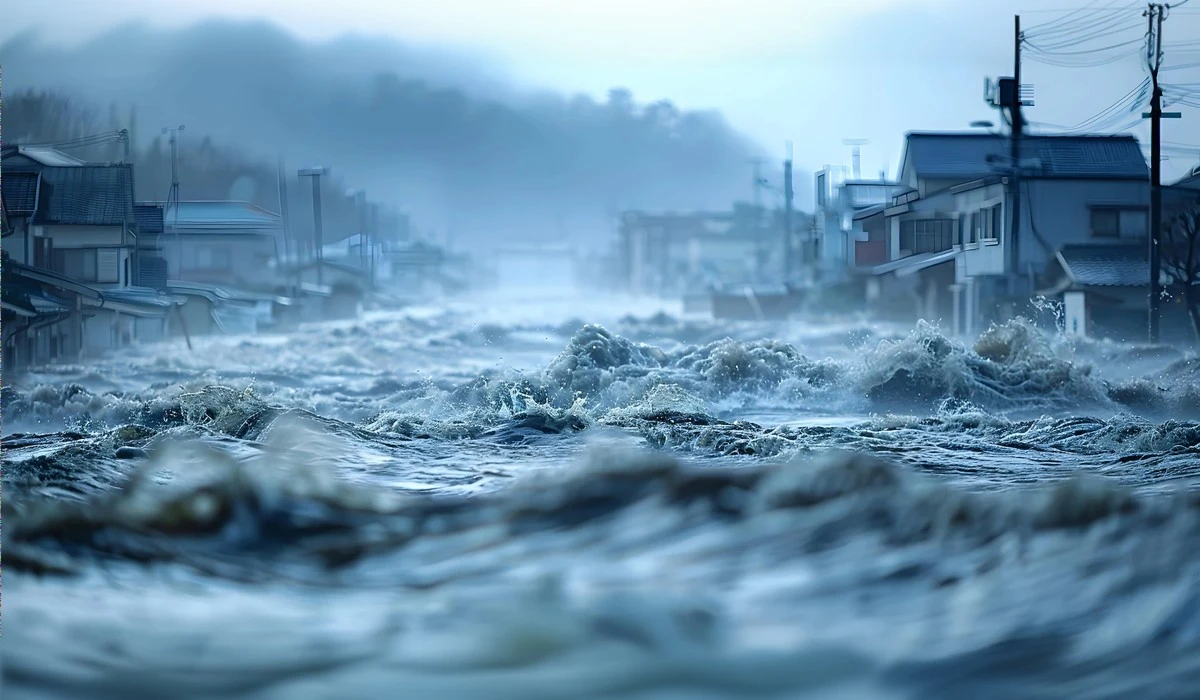
Heavy rains began pounding Valencia's eastern zones early on October 29, 2024. Meteorologists had warned of a "cold drop" phenomenon, but few anticipated the sheer scale of the destruction that followed. Torrents of mud and debris surged through towns, destroying bridges, roads, and homes in mere minutes. The disaster claimed 229 lives locally, while eight others perished in neighbouring territories. Emergency services struggled to reach trapped residents as the water level rose with terrifying speed. Survivors later described the sound of the flood as a roar that swallowed entire neighbourhoods. Cars floated like toys through narrow streets, piling up against buildings and trapping inhabitants inside. The devastation left a scar on the landscape that remains visible even a year later. This tragedy serves as the grim backdrop for the scrutiny now directed at the officials who were in charge that day.
A Lunch That Lasted Too Long
Investigators have focused their attention on a specific four-hour period during the onset of the crisis. Carlos Mazón spent a significant portion of that critical afternoon at El Ventorro, a well-known restaurant in the city centre. He arrived at the venue around 15:00 to dine with Maribel Vilaplana, a prominent local journalist. Witnesses state that the meal extended well into the evening, coinciding with the exact hours when the weather situation deteriorated rapidly. The pair sat in a private area of the establishment, separated from the unfolding emergency outside. Staff at the restaurant continued to serve them while rain lashed the province. This lengthy lunch has become the central piece of evidence within the inquiry into potential criminal negligence. Critics demand to know why the regional president remained at a dining table while his command centre desperately needed leadership. The contrast between the leisurely meal and the panic outside paints a damning picture.
The Job Offer Behind Closed Doors
Sources close to the administration claim the meeting had a professional purpose despite its social appearance. Mazón reportedly used the lunch to offer Vilaplana a senior role at À Punt, the regional public broadcaster. He wanted her to take over the directorship, a position that required significant negotiation. The conversation allegedly covered various details of the contract and the editorial direction of the station. This professional context serves as Mazón’s primary defence for his absence from the emergency coordination centre. He argues that he maintained his schedule because he lacked sufficient facts concerning the severity of the storm. However, legal experts question whether a personnel discussion should have taken precedence over a developing weather crisis. The lengthy nature of the negotiation suggests that the president did not check his phone or receive updates for several hours. This decision to prioritise a job interview over disaster management remains a focal point of public anger.
Timeline Discrepancies Emerge
Serious contradictions now plague the official story regarding when the lunch actually ended. Vilaplana appeared in court to answer questions from Judge Nuria Ruiz Tobarra earlier this month. She claimed they exited the dining spot near 18:45. She stated they walked a brief way to a parking bay before parting ways. However, digital evidence tells a different story. Bank records analyzed by the judge show that Vilaplana’s vehicle did not exit the underground facility until 19:47. This hour-long gap casts doubt on the initial testimony and suggests the meeting lasted significantly longer than admitted. A delay of sixty minutes matters immensely in a flash flood scenario where conditions change by the second. If they remained together until nearly 20:00, Mazón would have been completely outside the loop during the flood’s peak lethality. The discrepancy has fuelled accusations that the pair are attempting to reconstruct a timeline that minimises their culpability.
The Mystery of the Missing Minutes
Phone logs further complicate the timeline by revealing a blackout in communications. Mazón’s device shows a series of unanswered calls during the period after exiting the venue until he reached his office. The investigation has identified a 37-minute window where his location remains entirely unaccounted for. Security cameras filmed him reaching the emergency headquarters at 20:28, but the journey from the city centre should not have taken that long, even with traffic. Police sources suggest he may have stopped at his private residence to shower and change clothes before heading to the crisis room. This detour, if proven, would imply a shocking lack of urgency while citizens were already drowning. The gap in the record allows speculation to fester. Investigators are currently analysing cell tower data to pinpoint his exact movements. Every minute he spent offline represents a lost opportunity to issue life-saving orders.
A Controversial Car Ride Theory
New allegations from within the People’s Party suggest Vilaplana played a bigger role in Mazón’s transport that evening. A report by the local outlet Levante claims Vilaplana transported the president directly to official buildings. This version asserts she dropped him off around 20:00, implying they remained side-by-side since the meal began. Mazón vehemently denies this account. He insists he walked toward the administration complex and that Vilaplana did not act as his chauffeur. If the car ride theory proves true, it destroys the "walking" alibi and places him in a private vehicle during the crisis peak. The political implications of this are severe. It would mean he lied to the public about his mode of transport and his company. Verification of this detail relies on traffic cameras and further testimony from security personnel who were on duty at the palace gates.
Traffic Chaos as an Excuse
He consistently faults dense traffic for delaying his entry to the emergency coordination centre (CECOPI). He claims that the dense urban congestion caused by the rain slowed his journey significantly. His team argues that he tried to reach the command post as fast as possible once he realised the danger. However, critics point out that the president has access to police escorts and emergency lanes that should have bypassed civilian gridlock. The journey from the restaurant or his home to the centre typically takes very little time. A delay of over an hour suggests either a complete gridlock or a lack of priority. Furthermore, if he was stuck in traffic, he should have been on the phone issuing orders remotely. The lack of active command during the transit period undermines the traffic excuse. It paints a portrait of a leader caught unprepared rather than one hindered by unavoidable circumstances.
The Alert That Came Too Late
A major failure during the disaster concerns the civil protection alert sent to mobile phones. The regional administration waited until 20:11 to transmit the "ES-Alert" warning residents to stay indoors and seek high ground. When that happened, rivers had already breached banks and flooded ground-floor apartments across the province. Experts believe hundreds of victims were already dead or trapped by the time their phones buzzed. The delay proved fatal for many who might have saved themselves with even thirty minutes of warning. Survivors recount receiving the message while clinging to trees or rooftops. The anger regarding this specific failure drove the massive protests that eventually toppled the government. Investigation documents show that technical teams had proposed sending the alert much earlier. The hesitation to push the button lies squarely with the political leadership that was absent from the decision-making room.

Image Credit - by Generalitat Valenciana, CC BY-SA 4.0, via Wikimedia Commons
Absence from the Command Centre
Records confirm that the president failed to oversee any emergency meetings between 17:00 and 20:00. The operational command centre, known as CECOPI, operated without its president during the most critical phase of the disaster. Junior officials and technical staff managed the situation as best they could, but they lacked the authority to make high-level decisions such as locking down the region. José Manuel Cuenca, who serves as chief of staff, admitted in court that he knew the situation was serious by 15:00. Yet, no one interrupted the president’s lunch to demand his presence. This breakdown in the chain of command highlights a systemic failure within the regional administration. A leader must be reachable and present when a red alert is active. Mazón’s physical absence created a power vacuum that paralysed the government’s response mechanism. The inquiry seeks to determine why subordinates felt unable or unwilling to summon their boss.
Vilaplana Faces the Judge
Maribel Vilaplana appeared in the Court of Catarroja earlier this November to clarify her involvement. The journalist faced intense questioning from Judge Nuria Ruiz Tobarra regarding the exact duration of the lunch. Her testimony aimed to align with Mazón’s version, but the forensic evidence presented by the prosecution made this difficult. She maintained that she had no knowledge of the unfolding disaster while inside the restaurant. Vilaplana explained that she kept her phone away to focus on the professional conversation. However, the judge pressed her on the discrepancy between her stated departure time and the garage logs. The journalist appeared visibly shaken as the magistrate presented the bank card data. Her legal standing remains that of a witness, but inconsistencies in her story could lead to further legal trouble. The public views her testimony as the key to unlocking the truth about the president’s "missing afternoon."
The Investigation Intensifies
The presiding magistrate continues to lead the investigation into the catastrophe. Her court examines potential charges of reckless homicide and dereliction of duty against several officials. While Mazón enjoys parliamentary immunity, the judge has built a substantial case that implicates his administration. She has summoned numerous witnesses, including restaurant staff, bodyguards, and technical advisors. Her rigorous approach has earned her praise from victim support groups who demand accountability. The inquiry recently expanded to include the review of geolocation data from all attendees of the lunch. Tobarra seeks to establish a minute-by-minute timeline that leaves no room for ambiguity. The pressure from her investigation played a direct role in Mazón’s decision to resign. Legal experts predict that once he loses his immunity completely, he will face a direct summons to answer for his actions as a formal suspect.
A Minister Under Fire
Salomé Pradas, who previously led the interior ministry, also faces severe scrutiny. Investigators have named her as a potential target due to her direct responsibility for emergency management. Pradas claims she performed her duties to the best of her ability with the limited information available. However, leaked internal messages suggest her department failed to process weather warnings sent by the national meteorological agency. She rejects accusations of error. Pradas insists she followed protocol. During questioning, she appeared to shift some blame onto the president’s unavailability, hinting that she needed his authorisation for drastic measures. This internal finger-pointing has fractured the unity of the former regional government. Pradas’s defence relies on the argument that the magnitude of the flood was unpredictable. Prosecutors argue that the red alerts issued that morning provided sufficient grounds for immediate action, regardless of the president’s location.
The Blame Game with Madrid
Mazón consistently deflected blame towards the national administration in Madrid throughout his final year in office. He argued that state agencies like the River Hydrographic Confederation failed to provide accurate data on water levels. His narrative posits that Valencia was left blind by a lack of support from the socialist-led national administration. He claims the text alert delay occurred because Madrid did not convey the urgency of the dam overflows until it was too late. Prime Minister Pedro Sánchez’s government rejects these accusations entirely. Central authorities point to the red weather warnings issued at 07:30 that morning. The political tug-of-war has polarised the nation, with conservatives defending Mazón and progressives condemning him. This partisan conflict has complicated the recovery process, as cooperation between the two levels of government remains strained. The public, however, largely views these arguments as attempts to dodge responsibility.
Flashbacks to a King’s Hostile Welcome
The anger in Valencia reached a boiling point during a royal visit shortly after the storm in November 2024. King Felipe VI and Queen Letizia travelled to Paiporta, ground zero of the disaster, to offer condolences. They were met by a furious crowd that hurled mud and shouted "murderers" at the official delegation. Mazón, who accompanied the monarchs, became the primary target of the abuse. Images of the King covered in mud shocked the world and highlighted the depth of the region’s despair. That moment symbolised the total collapse of trust between the people and their institutions. The visceral rage displayed that day haunted Mazón’s presidency for the rest of his tenure. It served as a constant reminder that the citizens held him personally responsible for the death toll. The incident remains one of the most significant moments in modern Spanish history.
The Silent Victims
The true cost of the tragedy lies in the 229 lives cut short by the rushing waters. Most victims were elderly residents who could not escape their ground-floor homes in time. Families lost grandparents, parents, and children in a matter of minutes. The demographic breakdown shows that the alert system failed the most vulnerable members of society. Stories of people drowning while cooking dinner or watching television continue to emerge. Many bodies were recovered miles from their homes, swept away by the violent current. The delay in the warning meant that commuters were still on the roads, trapping them in metal coffins. The grief of the survivors has turned into a powerful political force. They have formed associations to demand justice and ensure such negligence never happens again. Their persistent demonstrations kept the pressure on Mazón until he finally quit.
Rebuilding a Broken Region
One year later, Valencia is still rebuilding its shattered infrastructure. The physical damage to bridges and rail lines has seen significant repair, but the emotional wounds remain fresh. The new regional government, elected on November 28, 2025, faces a monumental task. They must complete the reconstruction while restoring faith in public safety protocols. Engineers are currently redesigning the drainage systems to withstand future extreme weather events. The economic impact caused by the deluge continues to stifle local businesses that lost everything. Insurance payouts have been slow, leaving many families in financial limbo. The region remains on high alert during every rainstorm, traumatised by the memory of the flood. The legacy of the disaster will define the province’s politics and urban planning for decades to come.
A Future Decided in Court
Carlos Mazón now faces a future filled with legal battles rather than political rallies. His resignation strips him of the immediate power to control the narrative, though he retains some legal protections for now. The focus shifts entirely to the courtroom where Judge Tobarra constructs her case. The "missing hours" at El Ventorro will likely become the linchpin of the prosecution. If investigators prove that negligence led to a higher death toll, the consequences will be severe. The people of Valencia await the verdict with bated breath, seeking closure for the nightmare that began on that wet October afternoon. The tragedy serves as a stark warning to leaders everywhere about the cost of absence during a crisis. History will remember Mazón not for his policies, but for the empty chair at the command centre when his people needed him most.
Recently Added
Categories
- Arts And Humanities
- Blog
- Business And Management
- Criminology
- Education
- Environment And Conservation
- Farming And Animal Care
- Geopolitics
- Lifestyle And Beauty
- Medicine And Science
- Mental Health
- Nutrition And Diet
- Religion And Spirituality
- Social Care And Health
- Sport And Fitness
- Technology
- Uncategorized
- Videos

