
Leavitt Nephew Mother Detained by ICE
Immigration Dragnet Ensnares Relative of High-Ranking White House Official
Federal operatives executed a decisive and high-stakes raid in Revere, Massachusetts, interrupting the daily routine of a local mother. Officers from the bureau of Customs and Immigration Enforcement surrounded a vehicle driven by Bruna Caroline Ferreira as she attempted to pick up her child from his classes. Witnesses described a tense and chaotic scene where government personnel swarmed the car and aggressively demanded identification papers. Ferreira, who did not possess a standard driver’s license during the encounter, could not satisfy the immediate demands of the agents. Her sibling, Graziela, later recounted the event to reporters, describing the officers' conduct as forceful and intimidating. This aggressive tactic demonstrates the extensive reach of the administration's intensified border security protocols, which now extend deep into residential neighbourhoods far from national boundaries. The operation in Revere highlights how the current government prioritizes strict interior enforcement actions.
Background of the Detained Brazilian National
Bruna Ferreira shares a narrative common to many foreign-born residents, having travelled from Brazil during her childhood in the late nineties. She has spent the vast majority of her life residing within American borders, attending local schools and establishing a life in New England. Relatives emphasize that she considers herself fully American in spirit, despite the complications regarding her official paperwork. For a long time, she relied on the deferred action initiative for childhood arrivals, a program designed to protect those brought to the nation as minors. However, officials now categorize her as an unauthorized foreign national based on a visitor visa which expired more than twenty years ago. She currently sits in a detention site in Louisiana, facing the frightening possibility of expulsion to a birth country she hardly knows. Her removal would sever her connection to the only home she has ever truly understood.
Family Connection to the Administration
This specific detention case has garnered significant media interest because Ferreira has a direct link to the inner circle of the Trump administration. She shares an eleven-year-old boy, Michael Leavitt Jr, with Michael Leavitt, who is the brother of the President's press secretary, Karoline Leavitt. Although the couple ended their romantic involvement roughly a decade ago, this biological connection places the raid in a unique political light. The administration currently pushes a rigorous "zero tolerance" strategy for immigration, offering no exemptions for personal hardships or connections. This incident proves that enforcement bureaus operate with a wide mandate, targeting people regardless of their proximity to power. The arrest of a spokesperson’s former sister-in-law underscores the uncompromising nature of the government's agenda. It suggests that deportation machinery works blindly, affecting even the extended families of those who design the strict policies.
Contested Claims of Criminal History
Government representatives have justified the targeting of Ferreira by pointing to an alleged past infraction. A spokesperson for the homeland security department publicly described the detainee as a "criminal illegal alien," citing a past battery arrest as a primary reason for her capture. Authorities use such labels to prioritize certain people for immediate removal under existing guidelines. However, Ferreira’s legal team strongly denies these severe accusations. Lawyer, Todd Pomerleau, has challenged the agency to produce solid proof of this supposed criminal record, stating that his client holds no such history. He argues that the battery claim is false and that the detention rests on incorrect data. This factual dispute adds volatility to the proceedings, as the attorneys must fight to clear her name while simultaneously battling the deportation order in federal immigration court.
Isolation in Remote Detention Facilities
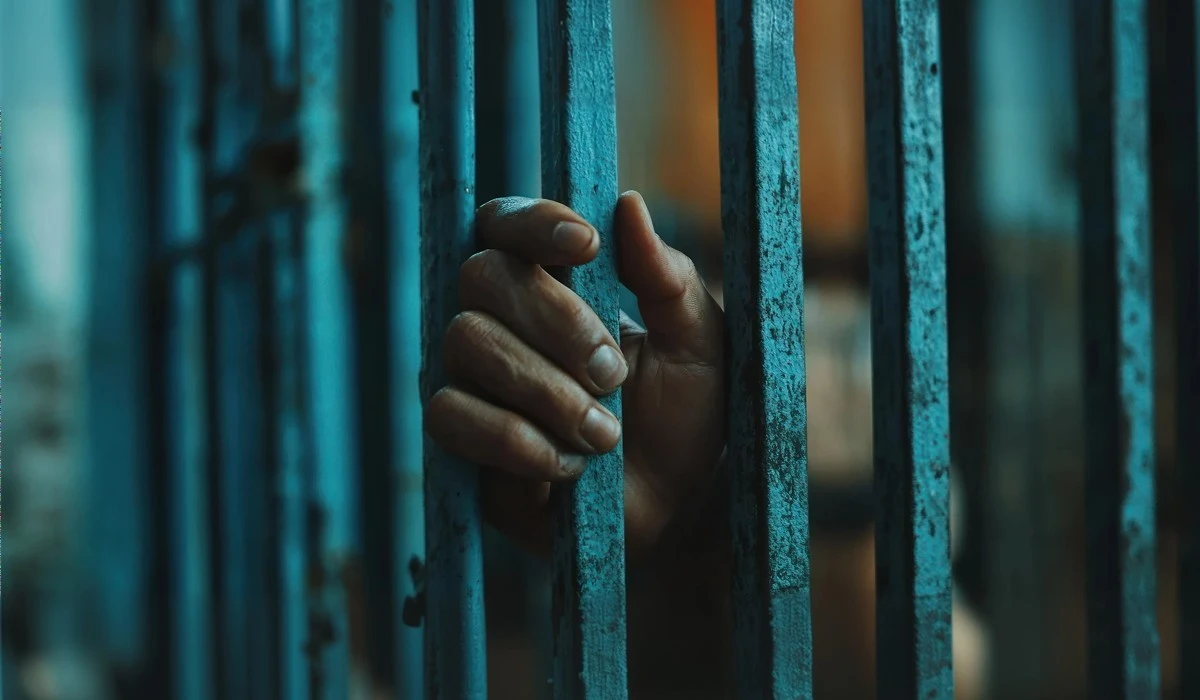
Federal officials transferred Ferreira from Massachusetts to the ICE Processing Center in South Louisiana, located nearly one thousand seven hundred miles from her support system. This facility in Basile has long faced criticism from rights groups for its isolation and harsh conditions. Inmates often find it difficult to secure adequate legal help or speak with relatives due to the remote location. Moving detainees to the Deep South is a standard logistical tactic for the agency, using available space without considering the emotional toll on families. For Ferreira, this transfer means navigating a difficult legal fight while cut off from her son and sister. Graziela describes the situation as a living nightmare, noting that Bruna has never been separated from her child for such a long time. The distance adds to the trauma of the arrest itself.
Fragility of the DACA Program
The case highlights the unstable status of people who previously depended on the deferred action program for childhood arrivals. Ferreira’s family insists she consistently followed all rules necessary to keep her legal standing. However, the current political climate has made these protections very shaky. The administration has moved aggressively to limit or dismantle these Obama-era safeguards, leaving "Dreamers" in constant fear. Legal experts note that while the program offers temporary safety, any failure to renew or minor alleged mistake can trigger fast enforcement. Ferreira’s attorney claims she was midway through a lawful process to fix her citizenship when officers arrested her. This interruption raises questions about the government's desire to speed up removals before people can use their legal options to stay inside the United States.
Karoline Leavitt’s Rapid Career Ascent
Karoline Leavitt has enjoyed a meteoric rise in politics, becoming the youngest person to serve as press secretary for the White House. A native of New Hampshire, she started her career as an intern at a major cable news channel before joining the communications staff during the initial Trump term. Her strong loyalty and clear defence of the President’s plans quickly won her a spot in his inner circle. When he returned to office in January 2025, she took the podium, becoming the main voice for his policies. Her time in office involves a tough relationship with the media and strong support for mass deportation. This personal family event tests her professional focus, requiring her to separate her job from a story that invites questions about empathy and the human cost of the platform.
Silence from the Child’s Father
Michael Leavitt, the father of Ferreira’s son, has decided to keep a low profile despite the noise. He first became known to the public in 2014 after winning a huge prize of over one million dollars in a fantasy sports tournament. At that time, newspapers reported on his engagement to Ferreira and their life with their baby. Since they split, he has taken primary custody of the boy. Answering recent media questions, he released a short statement saying his only care is the privacy and safety of his son. He has not publicly criticized the immigration bureaus or used his sister’s job to help. His silence shows the delicate nature of the situation, trapped between a past romance and the polarized politics his sister represents nationally.
Trauma for the Eleven-Year-Old Boy
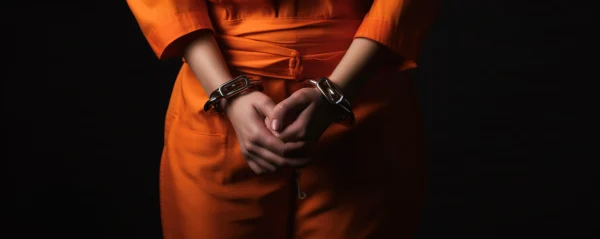
The younger Michael, the eleven-year-old boy at the heart of this story, faces a deep emotional crisis. While he lives alongside his dad, the sudden jailing of his mom is a traumatic shock. Reports say he has not spoken to his mother since her detention started weeks ago. The separation is especially hard as the holidays get closer, a time meant for families. His aunt, Graziela, has spoken openly about the boy's sadness, noting he waits every day for news of his mom's release. The situation shows the side effects of strict immigration enforcement, where citizen children often carry the mental burden of their parents' legal issues. The state taking a parent creates scars that political speeches rarely mention.
Administration Distances Itself Strategically
Representatives for the executive branch have moved fast to explain the link between the spokesperson and the detainee. Sources near the Leavitt family say Karoline has not spoken to Ferreira for years and has no social contact. Also, official statements note that the child lives alongside his dad in New Hampshire and never lived with his mother. This story aims to put a solid line between the press secretary’s job duties and her brother’s old personal life. The administration wants to frame this as a separate legal case involving a private person who broke federal law. By highlighting the distance, they try to reduce any conflict of interest while boosting their message that immigration laws apply to everyone, no matter who they know.
Community Fundraising and Support
Friends and relatives of Ferreira have gathered to help her legal defence after the arrest. Graziela started an online money drive to pay the rising costs of fighting the removal order. The page describes Ferreira as a hard worker and kind person who always put others first. This plea has touched the local area, raising over sixteen thousand dollars in a few days. These funds are key for hiring expert immigration lawyers, especially given the difficulty of fighting the government's criminal claims. The support shows the gap between the official view of a "criminal alien" and the community's view of a neighbor. This local effort is the main lifeline for Ferreira as she moves through a legal system built to remove her quickly.
Strict Policy Under Secretary Noem
This detention happens during the toughest immigration crackdown in history. The second Trump term has brought sweeping orders to remove unauthorized people regardless of how long they have been here. Secretary Noem, leading the homeland security department, enforces a rule that takes choice away from agents, ordering the arrest of anyone violating visa rules. This "no exceptions" method is different from past leaders who focused on violent criminals. Current rules say unlawful presence is enough for immediate jail. This change has caused a spike in arrests in interior states, hitting long-term residents who used to feel safe. The policy aims to keep campaign promises of restoring total order to the immigration system.
Fear and Anxiety in the Community
The arrest of Bruna Ferreira has sent a scary message to immigrant groups in Massachusetts and beyond. Knowing that a normal task like a school run can end in jail has raised fear among non-citizens. Advocacy groups say many families are changing their daily plans, avoiding public places, and making backup plans for their kids. The "swarming" method used by officials in Revere is seen as a show of force meant to scare others. This climate of fear is a planned part of the administration's strategy. By making examples of people like Ferreira, the government hopes to push "self-deportation" among undocumented people, though critics argue it just pushes vulnerable people further into hiding.
Confusion Over the Battery Charge
A main part of the government's case rests on the alleged battery arrest, yet this detail is unclear. Tricia McLaughlin, speaking for the agency, stated clearly that Ferreira holds a past battery arrest. However, reporters have failed to find public records that prove this claim or show how the case ended. The lack of clear documents fuels the defence's point that the government is using wrong information. If the charge turns out false, the reason for her priority detention gets much weaker. This fight over facts will likely be the center of the coming immigration hearings. The result depends on if the government can show valid records or if the defence can prove a mistake cost a woman her freedom.
Uncertain Future for Ferreira
Bruna Ferreira faces a hard and unclear path ahead as she stays in custody. The legal process could take months, keeping her in jail while her son grows up without her. Her case is a small example of the bigger national fight over identity and laws. The administration shows no sign of changing its mind, and the Leavitt family keeps separating the personal from the political. Whether Ferreira eventually gets permission to stay or faces forced removal to Brazil depends on immigration law details and her lawyer's work. For now, her story is a strong proof of the new reality for millions of long-term residents, where a single afternoon can destroy decades of existence within the U.S.
Recently Added
Categories
- Arts And Humanities
- Blog
- Business And Management
- Criminology
- Education
- Environment And Conservation
- Farming And Animal Care
- Geopolitics
- Lifestyle And Beauty
- Medicine And Science
- Mental Health
- Nutrition And Diet
- Religion And Spirituality
- Social Care And Health
- Sport And Fitness
- Technology
- Uncategorized
- Videos

