
Italy Femicide Vote Makes History
Italy Imposes Life Terms for Gender-Based Killing After National Outcry
The Chamber of Deputies in the capital has finally approved a landmark bill that reshapes the penal code. Every single legislator supported the measure to treat gender-based killing as a unique and specific offense. This specific crime, now legally distinct, will result in the perpetrator spending the rest of their natural life in prison. The decision marks a rare moment of total agreement among politicians from all factions. They defined the act as taking a female life specifically because of her sex. Applause filled the room the moment the count finished, echoing the relief of the nation. Leaders from all parties praised this unity in the face of a growing social crisis. Prime Minister Giorgia Meloni called the result a vital step for the country’s future. The change ensures the justice system handles these cases with the severity they deserve.
Symbolic Timing for Reform
Parliament selected a meaningful date to pass the legislation to maximize its impact. The vote happened exactly on the global day set aside to stop abuse targeting females. While casting their ballots, many politicians displayed symbols of solidarity to the cameras. Red ribbons appeared on the lapels of numerous suits throughout the chamber. Several female representatives chose to wear jackets in that same bold colour to make a statement. This visual coordination highlighted the urgency of the crisis to the watching public. Outside the government buildings, activists gathered to watch history unfold on large screens. Aligning the legal decision with this worldwide observance sent a strong message of intent. It showed that Rome intends to lead the fight against this epidemic with concrete actions.
Defining the New Crime
The new statute creates a precise category in the penal code for judges to use. Magistrates must apply this label when a man kills a female due to hatred or a desire to dominate her. The text specifically targets crimes driven by a need to control the victim’s freedom or independence. Prosecutors no longer have to rely on general aggravating factors to secure maximum penalties. The legislation explicitly connects the lethal act to the gender of the victim. This move places Italy alongside a small group of European states that acknowledge the unique nature of these offenses. Legal experts say this clarity helps courts address the root causes more effectively. It removes ambiguity regarding the motive behind the attack, validating the victim's experience.
The Tragedy Behind the Law
Although politicians had debated similar rules for years, one specific horror forced them to act. The brutal killing of Giulia Cecchettin in late 2023 acted as the spark for this legal breakthrough. Her death stunned the population and dominated news cycles for weeks on end. Cecchettin, a 22-year-old student, was days away from graduating university when she vanished. Her former partner, Filippo Turetta, kidnapped her after a dinner meeting intended to close their chapter. The violence of the crime ignited immediate public fury across the peninsula. Citizens from Milan to Palermo demanded government intervention without delay or excuses. This tragedy turned a long-standing social issue into an unavoidable priority. The public refused to look away from the grim details of the case.
A Nightmare Unfolds
The terrible events unfolded rapidly during that cold November evening in the north. Turetta attacked Giulia in a car park near her residence in Vigonovo. Cameras recorded him striking her before dragging her struggling form into his vehicle. He drove to an industrial zone to inflict further fatal wounds away from prying eyes. Eventually, he abandoned her remains in a ravine near Lake Barcis, about 100 kilometres away. Police started a massive search that gripped the public’s attention for days. Rescue teams scoured the landscape for a week before finding the black plastic sacks containing the victim. This discovery destroyed the hopes of her family who had prayed for her return. The grim ending to the search devastated the community and the nation.
Confession and Motive
Police in Germany eventually caught Turetta near Leipzig after his vehicle ran out of fuel on the motorway. He admitted to the killing soon after his extradition back to Italian soil. Turetta told investigators he could not accept Giulia ending their romance or her success. He also resented her upcoming graduation, viewing it as a personal failure compared to his own academic path. The court heard disturbing facts about his possessive actions prior to the attack. He had stalked Giulia and sent her incessant messages demanding her attention. His words revealed a mindset of total entitlement over her time and body. These details highlighted the dangerous patterns often present in abusive connections. The confession painted a picture of fragile masculinity turning lethal.
Maximum Penalty Delivered
The trial in Venice ended in December 2024 with the harshest penalty available under law. Judges ordered Turetta to spend his remaining years in prison for voluntary homicide. They added aggravating factors for premeditation to ensure he would never walk free. The court dismissed defence arguments requesting leniency due to emotional distress or mental instability. Prosecutors proved Turetta had planned the assault well in advance of the meeting. Evidence showed he bought supplies days before the crime, indicating cold calculation. The verdict offered some closure but could not fix the national grief. Giulia’s father, Gino, sat through every hearing with quiet dignity. The ruling confirmed the state will not tolerate such acts of violence.
A Sister’s Defiant Voice
Elena Cecchettin became a powerful voice for reform immediately after her sister died. She rejected media labels calling Turetta a monster or a beast. Elena argued that using such terms absolves society of its collective responsibility. She famously described him as the functioning offspring of a patriarchal culture that normalizes male aggression. Her statement struck a chord across Italy and inspired millions of women to speak up. Elena challenged people to look past the individual killer to see the societal roots. She refused to call it a crime of passion, labelling it a crime of power instead. Her bravery shifted the discussion from sorrow to political action. She demanded structural change rather than just pity or condolences.
Society Demands Change
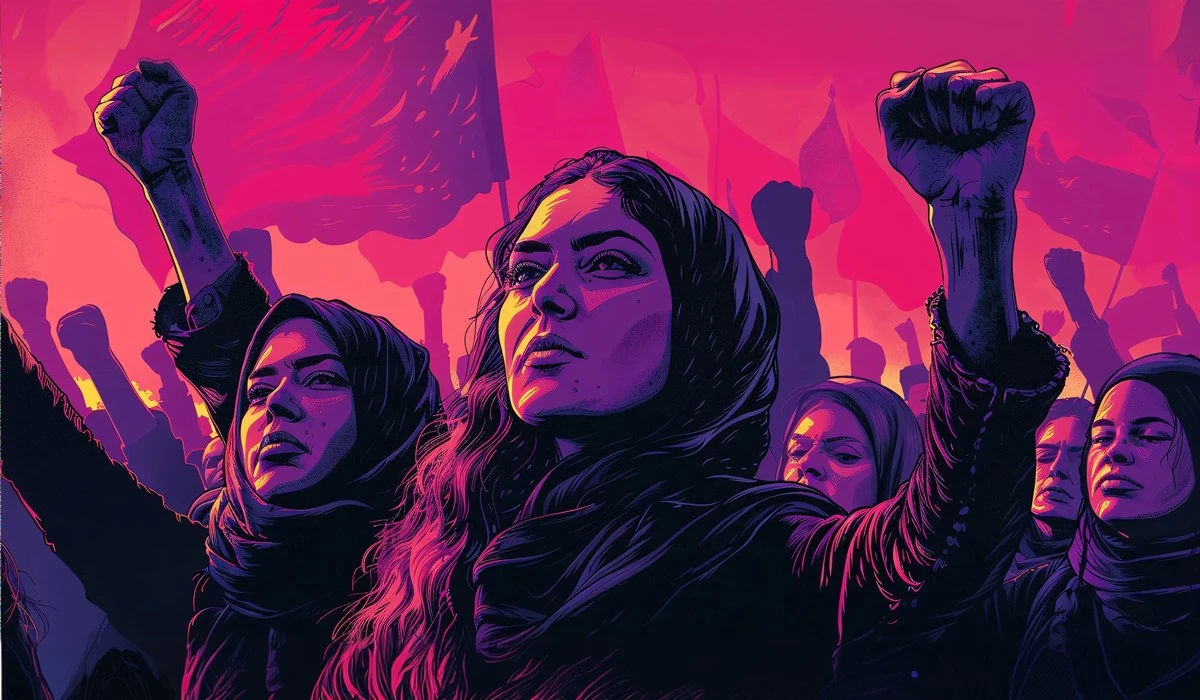
Elena’s words caused a ripple effect throughout Italian society that no one expected. Large crowds filled city squares to protest against gender-based violence and demand safety. Demonstrators shouted "burn everything" instead of holding respectful moments of silence. They jingled keys to make their presence audible and impossible to ignore. Educational institutions became centers for intense debates on sexism and consent. The movement asked for a complete cultural overhaul, not just legal penalties. Artists and influencers used their platforms to amplify the message to younger audiences. The outcry forced politicians to admit the problem was systemic and deep. This energy transformed collective grief into a demand for a safer future.
Turning Grief into Action
Gino Cecchettin turned his pain into a constructive fight for the next generation. He wrote a book titled "Cara Giulia" to honour his daughter and share her story. The text details his bond with her and the lessons her life taught him. Gino established an organization in her name to promote awareness and education. He travels to meet students and discuss respect and emotional intelligence. His aim is to give boys the emotional skills to handle rejection without violence. Gino stresses that fathers must take an active role in teaching their sons about equality. His efforts keep Giulia’s legacy active and tangible in schools. The foundation works to fill the educational gaps that the state often misses.
Political Controversy Erupts
Tensions rose during the official launch of the foundation in November 2024. Education Minister Giuseppe Valditara caused a stir with his speech at the event. He claimed that patriarchy no longer exists in modern Italy, shocking the audience. He also suggested that illegal immigration drives the rise in sexual violence in the country. These remarks drew sharp criticism from the Cecchettin family and the opposition. Elena responded by noting her sister’s killer was a white Italian male. Critics accused the minister of pushing a political agenda instead of fixing the issue. The incident revealed deep political splits regarding the causes of abuse. It showed that despite the new law, ideological battles remain fierce.

Battle Over Education
The administration and opposition parties disagree on how to teach these topics in classrooms. Centre-left groups want mandatory relationship education starting in primary school for all children. They say children must learn about consent and boundaries early on. Conservative legislators resist this, preferring to leave such private lessons to parents. The current government supports optional classes only for older teenagers in high school. Teachers feel frustrated by the lack of a clear national plan or resources. The foundation started by Gino continues to push for obligatory courses for everyone. This stalemate leaves educators without the tools to tackle toxic masculinity effectively. Prevention requires a unified strategy that Italian classrooms currently lack.
A Museum from the Future
ActionAid Italy launched a bold gallery project in the capital to provoke thought. Curators designed the display to look back at today from the year 2148. That specific date marks when experts predict gender equality will finally happen globally. Visitors view current sexist behaviors as if they were ancient history or artifacts. The concept forces guests to critique normalized practices they usually ignore. Organizers want to speed up progress by showing how absurd modern gaps are. The installation serves as both art and a warning to the viewer. It challenges the idea that change is inevitable without active effort. The exhibit asks why we must wait over a century for fairness.
Exhibiting Daily Oppression
The gallery features items symbolizing daily struggles women face in 2025. One section uses a speaker to play recordings of catcalls on a loop. Another area displays pay slips in different colours to illustrate the wage gap. A red dress stands in the center, covered in controlling questions like "Where are you?". These objects represent tangible barriers to female liberty and safety. The display explains how small acts of control build a culture of violence. Guests often leave the room visibly moved by the cumulative effect. The goal is to render invisible structures of oppression plain to see. It transforms data into emotional reality for the observer.
The Pyramid of Abuse
Fabiana Costantino, representing ActionAid, uses the gallery to explain the structure of abuse. She describes a pyramid where femicide sits at the very peak. The bottom consists of sexist jokes, catcalling, and economic disparity. Costantino insists society must demolish this foundation to stop the killings at the top. She believes focusing only on murder ignores the breeding ground for violence. The museum shows how minor offenses validate the mindset leading to lethal aggression. This systemic view contrasts with the government's focus on jail time. The project advocates for prevention through cultural change and education. It argues that you cannot stop the end result without changing the beginning.
Grim National Statistics
Official data paints a grim picture of the reality in Italy today. The national agency, Istat, counted 106 femicides in the year 2024. A large majority of these deaths happened inside the home environment. Partners or former lovers committed more than 50 percent of these terrible crimes. These numbers remain high despite increased media coverage and awareness. The figures prove the house is often the most dangerous spot for females. Police records show many victims had reported their attackers before dying. The stubborn persistence of these statistics highlights the limits of punishment. Jail terms alone have not lowered the death toll significantly. The data demands a more comprehensive approach to safety.
Italy Lags Behind Europe
Italy trails many neighbors regarding equality metrics and social progress. The nation sits at rank 85 on the World Economic Forum’s list. This is near the bottom for the European Union member states. Female employment rates stay remarkably low compared to the EU average. Only about 50 percent of Italian women have formal jobs or income. Financial dependence often traps wives in abusive homes they cannot leave. Experts identify this economic gap as a key factor enabling control. The recent legislation aligns Italy legally with places like Cyprus, but social indicators differ. A wide gap exists between legal progress and daily life.
Symbols in the Street
Towns across the peninsula have adopted the red bench as a permanent symbol. Councils paint public seats that colour to reserve space for absent women. These benches often display the national anti-violence hotline number for help. Schools use them to keep the topic visible in shared spaces. The object serves as a daily reminder of spilled blood and lost lives. Inaugurating a new bench is a common way for mayors to show support. However, activists argue symbols must lead to funding for shelters. Benches raise awareness but cannot stop a knife or a fist. The visual campaign is widespread, yet its practical impact is debated.
A Magistrate’s Perspective
Magistrate Paola di Nicola helped design the legislation and sees it as a pivot point. She analyzed hundreds of files to find patterns in how courts act. Her study showed that verdicts often minimized the specific gender element in the past. Courts frequently accepted defenses based on sudden fits of madness or passion. Di Nicola insists that using romantic language to describe killing distorts the truth. She says the recent statute forces the judiciary to identify the real motive: power. The magistrate believes changing courtroom language will eventually shift culture. She argues that words shape reality and justice. Naming the crime correctly is the first step toward fixing it.
Implementation Challenges
Skeptics warn the fresh code faces hurdles in courtrooms across the country. Proving a specific motive linked to sex can be legally complex. Defense attorneys will likely claim mental health played the main role in the crime. Some scholars fear the text is too vague for consistent use. Concerns exist that the rules focus on jail rather than safety. Valeria Torre, a legal academic, noted that gaps in the penal code were not the main issue. She wants more resources for economic aid for victims. The real test comes when judges hand down the first sentences. The application of the rule matters more than the writing.
Media Responsibility
in Italy has faced intense scrutiny since the Cecchettin case exploded. Reporters are under pressure to stop using sensational words that romanticize killers. Guidelines now discourage terms like "giant with feet of clay" or "raptus." The public calls out headlines that blame victims or excuse the attacker. TV shows frequently host experts on abuse to educate viewers. However, mistakes still happen, and change is slow in the newsrooms. Activists watch the press to ensure the story stays on the victim. The media shapes how the public views these crimes daily. Responsible reporting is now seen as a duty, not an option.
Political Rifts Remain
The total agreement in parliament hides deeper rifts between the parties. The ruling coalition likes harsh penalties but resists structural social changes. Opposition groups say prison will not stop killings without sex education. The head of government emphasizes law and order as the primary solution. Her team increased funds for help centers, but critics call it not enough. The debate over the word "patriarchy" polarizes the political landscape. Both sides see the tragedy but disagree fundamentally on the cure. The unity during the vote might be fragile in the long run. Political consensus on punishment is easy; consensus on prevention is hard.
Failures in Protection
Many women die even after asking police for help and protection. Restraining orders often fail to stop determined men from attacking. Electronic bracelets frequently malfunction or are unavailable in certain regions. Officers sometimes lack training to assess risk levels accurately. The updated legislation aims to fix these procedural holes in the system. However, enforcement varies by region and resources are scarce. Shelters report being overwhelmed and unable to take new people. The gap between issuing an order and enforcing it is often fatal. A piece of paper cannot stop a bullet or a knife. The system needs to be proactive, not reactive.
Economic Independence is Key
Financial autonomy is the best shield against abuse for any woman. Women with their own money can leave safely when things go wrong. Italy’s low employment rate for females hurts their safety significantly. The state introduced incentives for hiring women, but barriers remain high. Lack of childcare keeps mothers from working full-time jobs. The wage gap cements male dominance in the family unit. Activists say the battle to stop femicide must include economic justice. Without cash, legal rights are theoretical and useless. A woman cannot pay rent with a new law. Economic freedom is the only exit strategy that works.
Youth Drive the Movement
Young Italians drive the recent activism and refuse to be silent. Students organize walkouts to demand change in their schools and cities. They reject traditional roles accepted by their parents and grandparents. Social media platforms serve as vital organizing tools for protests. This generation refuses to see jealousy as love or passion. They are rewriting relationship scripts to be healthier and equal. Their energy pressures institutions to modernize and act faster. The organization named after Giulia draws huge support from this demographic. The youth are not waiting for permission to speak up. They see the issue clearly and demand a better world
A Global Struggle
The UN reports that abuse of females remains a global emergency. Italy’s struggle mirrors challenges faced by nations all over the world. The pandemic intensified domestic violence everywhere, creating a shadow crisis. International bodies praised Rome’s recent move as a positive step forward. However, they urge the country to improve prevention and education. Cross-border cooperation helps track fleeing abusers who cross state lines. The problem’s global nature needs shared solutions and data. Italy’s move adds to international momentum to protect women. The world is watching how Rome implements this new law. Success here could inspire other nations to follow suit.
Moving Beyond the Shock
Society faces the task of moving from shock to structural change. The emotion following the murder must become policy that lasts. Laws punish, but they do not erase culture on their own. The concept of the "functioning offspring of patriarchy" asks men to check themselves. Education is the tool for reshaping attitudes for the future. The path involves uncomfortable talks at home and in public. Progress means saving lives, not just passing bills in Rome. The hard work happens away from parliament, in daily life. It happens at the dinner table and in the classroom. Changing minds takes longer than changing laws.
Promise for the Future
This legislation promises female citizens safety and dignity from the state. It signals the government will not treat killing as a private matter. The lifetime prison term warns potential attackers of the consequences. Yet, the work of activists ensures the focus stays on stopping it. The gallery in Rome reminds us equality is still far off. Italy has a new legal weapon, but the culture war continues. The memory of the student from Vigonovo stands enshrined in the code. We demand a future where such rules are not needed. The legacy is written in law, but the future is written by us.
Recently Added
Categories
- Arts And Humanities
- Blog
- Business And Management
- Criminology
- Education
- Environment And Conservation
- Farming And Animal Care
- Geopolitics
- Lifestyle And Beauty
- Medicine And Science
- Mental Health
- Nutrition And Diet
- Religion And Spirituality
- Social Care And Health
- Sport And Fitness
- Technology
- Uncategorized
- Videos

