
Inside the French Intelligence Diploma: Real Spy Craft
A university lecture hall serves as a training ground where spies hide in plain sight among regular students. Modern security needs changed the way France trains its agents, moving them from shadow training centers into public university classrooms. According to reports from Amnesty International regarding the rapid passage of the Intelligence Bill, this shift happened because the government sought increased surveillance capabilities following the 2014 and 2015 terror attacks in Paris. Today, the French Diploma creates a bridge between the secret world of the state and the analytical world of academia.
The program at Sciences Po Saint-Germain-en-Laye hosts 28 students in its current class. Within this group, six active intelligence agents sit next to 22 civilians and corporate professionals. These agents belong to the 20,000-person staff working for the DGSE and DGSI, France’s primary intelligence branches. For 120 hours over four months, these individuals study the ways of the modern world. They pay €5,000 for the privilege if they come from the private sector or foreign services. A report by TBS News notes that this unique setting allows active-duty agents, typically aged 35 to 50, to exchange ideas with standard university students in their early 20s. The French Intelligence Diploma reshapes how the state identifies and tracks global threats like Islamic jihadism and organized crime.
The Origins of the French Intelligence Diploma
National crises force governments to turn classrooms into recruiting stations to keep pace with changing global threats. The French government requested a new curriculum between 2014 and 2015 to bolster its national security efforts. The tragic 2015 Paris terrorist attacks accelerated this process, leading to a massive surge in intelligence recruitment across the country.
The state needed a way to train new hires and update the skills of veteran agents. This led to the creation of specialized programs in the country's elite schools. How do you get into the French secret service? People usually enter through competitive exams or by shifting from military and police roles into specialized intelligence positions. The diploma provides a formal academic path for these professionals. It helps agents move into higher roles while teaching them to handle the difficulties of the 21st century.
Inside the Classroom: Spies Among Students
You might spend four months studying with an elite agent without ever knowing their real name or true profession. Professor Crettiez, who leads the program, told TBS News that he often knows very little about the history of the agents in his class. He further suspected that the services provide many of these students with pseudonyms to protect their identities during the course.
The classroom atmosphere balances the energy of youth with the experience of seasoned professionals. Roughly 50% of the students are women, showing a major shift in who applies for these high-stakes roles. Many of these women cite a desire for global improvement and patriotic duty as their primary motivators. How much does an intelligence degree cost? The diploma costs €5,000 for external, corporate, or service-based students seeking this specialized training. This fee covers an intensive 120-hour curriculum that focuses on political violence and the economics of organized crime.
French Intelligence: Moving Beyond the Bond Myth
Research published by TBS News suggests that most intelligence work happens behind a desk at a computer rather than in a high-speed car chase across a foreign city, as only a tiny percentage of recruits ever reach field operations. Students like Alexandre Hubert reject the cinematic tropes of the spy world. They focus on risk mitigation and practical data analysis instead of gadgets and glamour. Hubert studies the economic friction between Europe and China, looking for ways to protect national interests through information.
Valentine Guillot found her way to the program after watching fictional television dramas. Her interest sparked a shift from being a viewer to becoming an aspiring security professional. However, she quickly learned that the bulk of secret service roles involve office environments. Professor Crettiez confirms that only a tiny percentage of hires ever reach field operations. Most agents spend their days analyzing reports and tracking digital footprints to keep the public safe.
Why Private Companies Seek French Intelligence Diploma Skills
Corporations now use state-level surveillance tactics to protect their own trade secrets from foreign competitors and hackers. As noted by TBS News, firms in the defense, aerospace, and luxury sectors face constant threats of industrial espionage and sabotage. The report adds that these companies send their employees to the French Intelligence Diploma to learn how to guard their assets.
One student, known as Roger, maintains a facade as an investment banker while working as an agent. He runs a risk assessment consultancy in West Africa, using the insights from the course to ensure the safety of his clients. His dual life shows how intelligence skills apply to the private sector. Companies need to understand cybersecurity and geopolitical shifts to survive. Corporate security officers learn the latest methods for spotting threats before they turn into disasters through training alongside state agents.
The Elite Pipeline of Sciences Po
Elite schools provide the only door into the highest levels of French government and corporate leadership. Sciences Po Saint-Germain-en-Laye is the 10th Institute of Political Studies (IEP) in France. It grew from the University of Cergy-Pontoise and UVSQ to meet the demand for high-level education. While it is the newest IEP, it follows the tradition of the historic Sciences Po Paris, founded in 1872 by Émile Boutmy.
The Paris campus is a powerhouse of French influence, hosting over 7,000 graduate and PhD students. About 42% of these students come from international backgrounds. According to the Sciences Po newsroom, the school recently invested €200 million into the "1 Saint Thomas" campus renovation. Official site descriptions confirm this project created a 20,000-square-meter hub for learning. This infrastructure supports the elite pipeline that leads straight to the ENA (École Nationale d'Administration). What do graduates of Sciences Po do? About 80% of graduates enter the private sector to work for major international firms or start their own ventures. This connection between the school and the state ensures that the French elite remain a tightly knit group.
Screening the Shadows: Who Gets In?
Foreign intelligence services often try to plant their own people in these classrooms to learn French secrets or recruit agents. Professor Crettiez maintains a strict screening process to prevent this. He immediately rejects high-profile foreign applicants who seem too perfect. He specifically watches for attractive Israeli or Russian candidates who possess suspicious credentials and vague backgrounds.
The admission standards for these institutions remain incredibly high. In the Paris branch, 92% of domestic students enter with the highest honors from high school. While the school now uses "Priority Education Agreements" to encourage equal opportunity, the competition stays fierce. Who runs Sciences Po? A private foundation called the FNSP manages the strategic direction of the institution while the university remains a public entity. This governance model allows the school to maintain academic independence while serving the strategic needs of the French state.
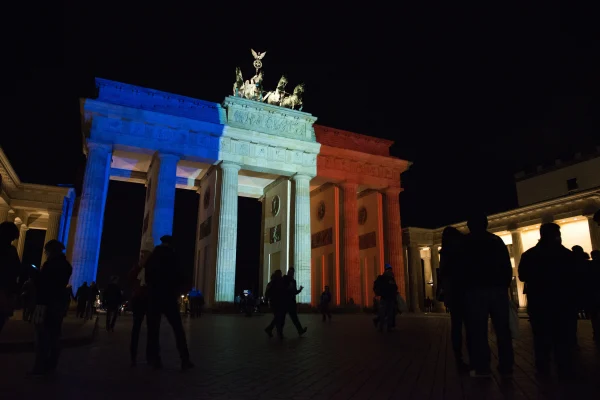
Image Credit - by Sandro Schroeder, CC BY 2.0, via Wikimedia Commons
French Intelligence: Shaping Future Global Security
A classroom environment forces veteran agents to question their old habits by exposing them to fresh academic perspectives. Agents who have spent years in the field sometimes lose sight of the bigger picture. They gain a fast-track pathway to promotion through returning to school for the diploma. They learn to view their work through the lens of political science and economic theory.
Critics like Peter Gumbel argue that these elite institutions act as tools for "recycled arrogance." He believes they isolate the ruling class from the general population. Similarly, Gilles Devers claims the educational mold creates conservative elites and excludes radical dissent. Despite these criticisms, the school continues to evolve. It recently issued official statements condemning gender-based aggression and sexual violence. The institution remains committed to its core values while training the next generation of security experts.
The Future of French Security
The diploma bridges the gap between the secret world and the public sphere. France builds a more resilient security structure through the joint training of agents and civilians. The program moves past the fiction of "James Bond" and focuses on the reality of risk assessment and data analysis. Whether protecting a luxury brand from a cyberattack or tracking a terrorist cell, the skills learned in these 120 hours define the future of French national safety. The French Intelligence Diploma remains a vital tool for a nation facing a difficult and dangerous world.
Recently Added
Categories
- Arts And Humanities
- Blog
- Business And Management
- Criminology
- Education
- Environment And Conservation
- Farming And Animal Care
- Geopolitics
- Lifestyle And Beauty
- Medicine And Science
- Mental Health
- Nutrition And Diet
- Religion And Spirituality
- Social Care And Health
- Sport And Fitness
- Technology
- Uncategorized
- Videos

