
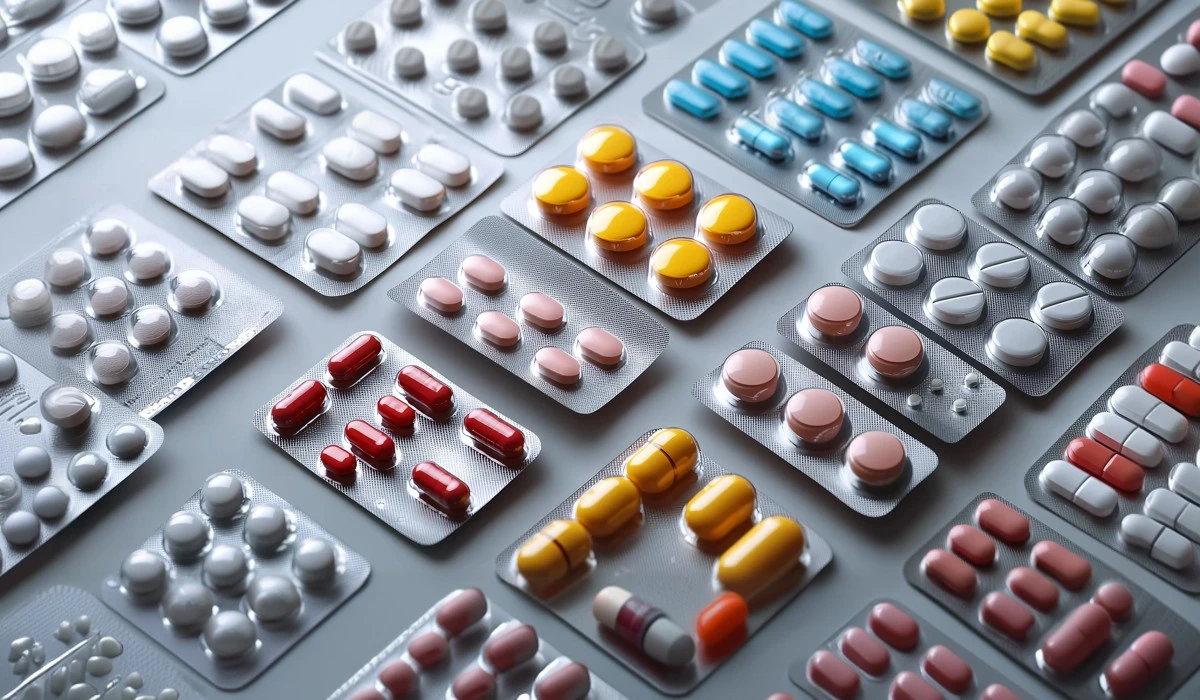
Illicit Medications Surge UK’s Health Crisis
Skipping a doctor’s waiting room for a website saves time but trades safety for anonymity. The digital marketplace offers a quick fix for private problems, but the product arriving in the mail often carries a physical cost that no credit card can cover. People assume the internet democratizes access to medicine. In reality, it removes the safety rails that keep patients alive.
The United Kingdom is currently facing a massive influx of unregulated drugs. Reporting from The Pharmaceutical Journal indicates that the MHRA and law enforcement partners have intensified their efforts, with more than 17 million doses taken out of circulation in 2024 alone, contributing to a massive five-year total exceeding 57 million doses. The volume is accelerating. More than 34 million of those doses were confiscated in just the last two years. This surge suggests a desperate public bypassing traditional healthcare for dangerous alternatives.
These pills often look identical to pharmacy brands. However, they frequently contain falsified ingredients, incorrect dosages, or toxic substances. From erectile dysfunction treatments to potent painkillers, the demand for illicit medications is creating a public health emergency. Every click to purchase risks serious injury or death.
The Embarrassment Economy
Shame drives men away from clinics and straight into the hands of unregulated sellers who ask no questions.
The top seized medication in the UK last year wasn’t a narcotic for getting high; it was treatment for erectile dysfunction (ED). Data reported by The Standard reveals that 7.5 million doses of counterfeit Viagra (sildenafil) have been seized since April 2023, making it a primary target for enforcement. As highlighted by research in BJGP Open, the fear of perceived embarrassment often prevents men from seeking professional help for sexual problems, driving them toward unregulated sellers who ask no questions. Online sellers exploit this vulnerability. They offer a discreet transaction that seems safer than a face-to-face admission of weakness.
However, skipping the doctor removes a vital layer of protection. ED is often an early warning sign for serious root issues like heart disease or diabetes. When a patient self-medicates with illicit medications bought online, they mask the symptom while the root cause worsens unchecked. Dr. Julian Spinks warns that patients miss vital safety screenings. They spend money on fake pills while their actual health deteriorates.
The Illusion of Privacy
The desire for privacy leads to dangerous exposure. Patients believe they are managing a personal issue discreetly. Instead, they are inviting unregulated chemical compounds into their bodies. Why do people choose online pharmacies over doctors? Many patients cite embarrassment and convenience as their primary reasons for avoiding GPs.
This avoidance creates a blind spot. A doctor checks blood pressure and medication interactions rather than simply handing out pills. An online vendor simply ships a package. The patient believes they are fixing a problem, but they may be triggering a heart attack or stroke by taking unverified chemicals without medical oversight.
The Pain Trap: Tramadol and Addiction
Restricting legal access to painkillers fails to stop the pain; rather, it drives the suffering patient toward a black market with zero quality control.
Tramadol, a powerful opiate painkiller, ranks as the second most seized illicit drug in the UK. The NHS has grown reluctant to prescribe opiates long-term due to high addiction risks. Doctors know that the dangers often outweigh the benefits. Consequently, patients with chronic pain often feel abandoned. When the prescription runs out, the pain remains.
This gap drives patients to the internet. They search for relief and find sites willing to ship Tramadol without a script. But the illicit medications sold online are not the same as the ones in a hospital. The strength varies wildly. One pill might be inert, while the next contains a lethal dose.
The Lethal Lottery
The black market does not adhere to safety standards. A buyer never knows if the pill they take will relieve pain or stop their heart. What makes buying Tramadol online so dangerous? Black market pills often have variable strengths or toxic ingredients that increase the risk of overdose.
The tragedy is visible in the stories of families left behind. Kim Webster, a bereaved mother, speaks openly about the heartbreak of losing her son. She argues that these drugs are too accessible to minors and vulnerable adults. Strict doctor prescriptions exist to prevent addiction and overdose. The online market removes these barriers, turning a medical treatment into a game of chance.
What Is Actually in the Bottle?
The label on the bottle promises a cure, but the chemical reality inside the capsule is often a game of Russian roulette.
Buyers assume that a pill looking like medicine acts like medicine. This assumption is dangerous. Regulatory bodies like the MHRA warn that these products fall far below strict safety standards. In many cases, the seized pills are "dummies." They contain no active ingredients at all. The patient takes the drug, sees no improvement, and their condition worsens.
In other cases, the situation is far darker. Illicit medications frequently contain toxic substances used as fillers. Criminal gangs manufacturing these drugs prioritize profit over hygiene. They produce pills in dirty underground labs, not sterile facilities.

The Dosage Danger
Even if the pill contains the correct drug, the dosage is rarely accurate. A single tablet might contain five times the safe limit. Dr. Julian Spinks notes the danger of the placebo effect and the risk of incorrect dosage. A patient might take what they think is a standard dose and suffer a massive adverse reaction.
Laboratories in Europe have been dismantled by police, revealing the crude nature of this industry. Authorities found raw materials mixed in buckets and pressed into pills that look professional but are chemically chaotic. The consumer sees a blister pack; the scientist sees a poison delivery system.
The Lifestyle Shift: Beyond Sickness
Medicine has mutated from healing the sick to upgrading the healthy, turning patients into consumers chasing an aesthetic ideal.
While ED meds and painkillers dominate UK seizures, a global trend is shifting toward "lifestyle" drugs. Data from Interpol and Europol shows a surge in demand for weight loss drugs like Ozempic (Semaglutide) and tanning injections like Melanotan; INTERPOL estimates suggest a single semaglutide pen can command several hundred US dollars on the secondary market. These are not always for sick people. They are for people who want to look better, thinner, or more tan.
The demand for these products is insatiable. According to INTERPOL, this trend is fueled by widespread promotion on social media, creating low-risk, high-profit opportunities for criminal networks to sell these unapproved products. The "Barbie drug" trend on TikTok drove thousands of young people to seek out tanning injections. They do not realize that these illicit medications are often unapproved and untested for human use.
The Weight Loss Gold Rush
Anti-diabetic drugs have become the new gold for smugglers. People desperate to lose weight strip the supply chain, leaving actual diabetics without medicine. Why are lifestyle drugs exploding on the black market? Influencers promote them for rapid image enhancement, ignoring the severe safety risks.
This shift changes the demographic, moving beyond the elderly or chronically ill. It is young, healthy people in high-income countries. They view these powerful biological agents as beauty accessories. This casual attitude makes them easy targets for counterfeiters selling fake peptides and dangerous knock-offs.
The Digital Dealer
The drug deal has moved from a dark alley to a bright smartphone screen, making dangerous substances look like harmless shopping items.
The modern drug dealer does not wear a hoodie; they run a glossy website or a helpful social media bot. Interpol and UK authorities have removed thousands of websites and bots in recent crackdowns. According to OLAF and Europol, Operation SHIELD IV alone saw the removal of vast digital infrastructure, seizing counterfeit and misused medicines worth over €64 million. Yet, for every site taken down, new ones appear instantly.
Alfonso Mejuto Rodríguez from Interpol highlights the difficulty in policing this space. Marketing focuses on health and image. The sites look legitimate. They use stolen logos and fake verification badges. A teenager scrolling through TikTok sees a wellness influencer recommending a supplement and clicks a link. They are instantly connected to a criminal supply chain.
Influencers as Accomplices
Social media platforms have become the primary storefront for illicit medications. Influencers, often unaware of the source, drive traffic to illegal sites. They sell the dream of a perfect body or a pain-free life.
The danger is that the digital interface sanitizes the crime. Buying heroin on a street corner feels dangerous. Buying unprescribed Tramadol or fake Ozempic from a website feels like shopping on Amazon. David Triska, a GP, points out the dangerous misconception of online safety. Patients believe that if it is on the internet, it must be regulated. This false confidence leads them to bypass the only people who can actually help them: their doctors.
The Global Supply Chain
Local crackdowns only reveal the tip of an iceberg that spans continents and hides inside legitimate supply chains.
The trade in illicit medications is a global enterprise. Interpol reports that 90 countries are involved in recent enforcement actions. The value of seized goods tops $65 million USD globally. This is not a cottage industry; it is organized crime operating at an industrial scale.
Criminal networks are highly adaptable. When authorities tighten borders, smugglers shift routes. When one chemical is banned, they tweak the formula. Alfonso Mejuto Rodríguez notes the Westward rise in painkiller demand and the agility of European-based criminal networks.
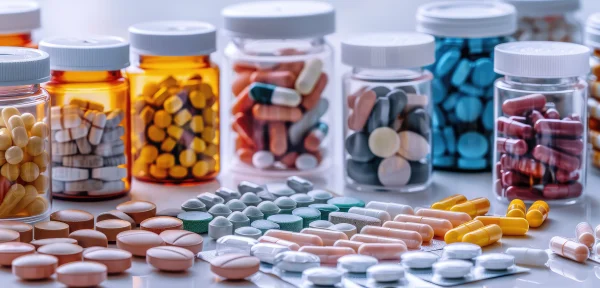
Organized Crime and Public Health
These groups treat medicines as just another commodity. To them, falsified heart medication is no different from a fake handbag. Europol reports that trafficking these goods is highly lucrative. The profits fund other criminal activities, while the physical cost is dumped on national health systems.
The supply chain is layered. Authorities have found underground labs in places like Greece and San Marino. These labs import raw materials, press pills, and package them for export. The counterfeits often re-enter legal supply chains via parallel markets. A pharmacy might unknowingly stock a fake product if the paperwork is forged well enough. This infiltration puts everyone at risk, not just those shopping on the black market.
Regulatory Counter-Attacks
Enforcement agencies are fighting a hydra-headed monster where severing one head causes two digital replacements to sprout immediately.
Agencies like the MHRA and Interpol are fighting back. They collaborate with law enforcement to block supplies and arrest dealers. OLAF and Europol report that recent operations like SHIELD IV resulted in 1,284 individuals being charged across 30 countries and the dismantling of four clandestine laboratories. They are disrupting the flow of illicit medications by hitting the logistics hubs and the financial networks.
Andy Morling from MHRA Enforcement emphasizes that the primary threat comes from unlicensed imports. The goal is to intercept these packages before they reach the doorstep. UK operations have blocked or removed over 113,000 URLs. This digital cleansing is vital. Authorities hope that making the products harder to find will push patients back toward legitimate healthcare.
The Battle for Awareness
Arrests and seizures are only half the battle. The other half is education. Australian regulator Tony Lawler points out that intercepting these goods disrupts dangerous supply chains and diverts profits. But as long as the demand exists, criminals will try to fill it.
The public needs to understand that "unlicensed" does not mean "generic." It means "unsafe." The collaboration between police, customs, and health regulators is intense. They are trying to close the net. However, the sheer volume of 57 million doses proves that the enemy is formidable. The state can seize the pills, but only the patient can choose not to buy them.
The High Cost of Cheap Pills
The surge in illicit medications entering the UK reveals a deep fracture in how people view health and safety. The convenience of a click has overtaken the authority of the stethoscope. Men hiding from embarrassment and patients running from pain are fueling an industry that profits from their desperation. The pills arriving in the post are not cures; they are chemical gambles.
The 57 million doses seized in recent years represent millions of people willing to risk their lives for a quick fix. Police and regulators are dismantling labs and blocking websites, but the supply chain will persist as long as the demand remains. The only true safety lies in returning to legitimate medical care. No discount is worth the price of a life.
Recently Added
Categories
- Arts And Humanities
- Blog
- Business And Management
- Criminology
- Education
- Environment And Conservation
- Farming And Animal Care
- Geopolitics
- Lifestyle And Beauty
- Medicine And Science
- Mental Health
- Nutrition And Diet
- Religion And Spirituality
- Social Care And Health
- Sport And Fitness
- Technology
- Uncategorized
- Videos

