

Illegal Sports Streaming Feeds Black Market Bets
You click a link to watch the big game for free, thinking you just saved fifty pounds. You didn't outsmart the broadcaster. The site owner actually sold you to a criminal gang before kickoff even started. We tend to view piracy as a Robin Hood act where fans steal from wealthy media companies. The reality is much darker. These websites harvest victims for a completely different industry rather than providing entertainment.
The stream is just the bait in a massive digital trap. When you land on these pages, you function as the product rather than the customer. Operators use the lure of free football to funnel millions of people toward unregulated, dangerous gambling platforms. Far from a basement side hustle, this acts as an industrial-scale recruitment drive for organized crime. By the time the referee blows the final whistle, your data, your security, and your wallet are already in the crosshairs of a shadow economy that operates without rules.
The Trap Behind the Free Game
Free entertainment usually comes with a heavy price tag attached to the backend. The people running these sites don't care about sports; they care about moving traffic to illegal bookmakers. Data from Yield Sec reveals a stunning reality: 89% of illegal sports streaming sites feature advertisements for black-market betting operators. More than simple banner ads, these operate as integrated pathways designed to move a viewer from a stream to a betting slip in seconds.
The relationship is simple and predatory. Pirate sites act as the storefront for unlicensed gambling dens. When you visit a stream, you enter a pipeline built to extract money from you through wagers that legally regulated sites would never accept. Is illegal sports streaming dangerous? Yes, because these platforms often bypass safety checks and expose users to unregulated bookmakers who can refuse to pay out winnings without consequence. The stream keeps you on the page, but the betting odds keep you spending. This setup turns a passive viewer into an active participant in an underground economy.
Explosive Growth of UK Piracy
The UK currently punches well above its weight when it comes to digital theft. While the United States has a higher total volume of piracy, the UK has a much higher density of theft per person. According to The Guardian, the UK saw about 1.8 billion visits to illegal sites in 2022, a number that doubled to 3.6 billion annual streams by the first half of 2025.
This calculated surge creates a massive audience for bad actors to exploit. The prevalence of piracy in the UK is roughly four times higher per capita than in the US. This dense concentration of viewers makes the British market a goldmine for illegal operators. They know that millions of fans are looking for a way around the high cost of legal subscriptions. By meeting this demand with illegal sports streaming, they capture a massive audience that they can then monetize through illicit gambling. The sheer scale of this operation proves that this represents a calculated business model rather than a random collection of fans sharing links.
Targeting the Most Vulnerable Viewers
Predators target the ones who cannot fight back rather than the strongest members of the herd. The black market gambling industry specifically uses piracy to reach people who are legally blocked from betting. Licensed UK operators must follow strict rules to protect children and problem gamblers. The shadow market ignores these rules entirely. They view self-excluded individuals—people who banned themselves from gambling via tools like GamStop—as prime targets.
Ismail Vali, the founder of Yield Sec, notes that these operators actively exploit children and blocked gamblers. They know these groups cannot bet on legal sites, so they offer them a no-questions-asked alternative next to the pirate stream. Who profits from illegal sports streaming? Organized crime groups profit directly by using these streams to recruit underage bettors and problem gamblers who have been cut off from the legal market. This strategy turns a copyright issue into a serious social crisis. The stream becomes the gateway drug that pulls vulnerable people back into addiction or introduces minors to gambling long before they are legal of age.
The Financial Consequences on Regulated Markets
Legal businesses bleed cash while shadow operators collect pure profit. The shift of money from the legal economy to the black market is accelerating at an alarming rate. In the first half of 2025 alone, unlicensed operators generated £379 million in revenue. This represents a significant chunk of cash that should have gone to tax-paying, regulated businesses.
The market share of these unlicensed groups has jumped from 2% in 2022 to 9% in 2025. This growth happens because illegal sports streaming sites act as a super-highway for this lost revenue. While legal operators pay taxes and adhere to safety laws, the black market keeps every penny. The Campaign for Fairer Gambling (CFG) highlights that regulators often underestimate this scale. They look at official numbers but miss the vast river of cash flowing underneath the surface. This creates an unfair playing field where the rule-breakers have a distinct financial advantage over the rule-followers.
Why Policy Changes Might Backfire
Squeezing a legal industry too hard often pushes customers straight into the arms of the illegal one. The UK government plans to raise the Remote Gaming Duty from 21% to 40% in April 2026. While looking like a revenue generator on paper, this actually functions as an accelerant for the black market. When legal betting becomes more expensive or offers worse odds due to tax burdens, players look for better deals elsewhere.
The black market is ready and waiting with open arms. Because they pay zero tax, they can offer more attractive odds and bonuses. Derek Webb from the CFG argues that loopholes in the 2005 Gambling Act already allow too much offshoring, and this tax hike will only make things worse. Why is sports streaming so expensive? High operating costs and taxes force legal broadcasters and bookmakers to raise prices, which ironically drives more price-sensitive consumers toward cheaper, illegal alternatives. This policy change could accidentally fuel the very fire the government tries to put out, driving more traffic to illegal sports streaming sites that partner with tax-free betting shops.
The Cat and Mouse Enforcement Game
Fighting digital crime is like trying to hold back the tide with a spoon. Rights holders and police forces are working overtime to shut down these operations, but the targets keep moving. In the 2024-25 season alone, the Premier League’s anti-piracy team removed over 230,000 live streams. They also scrubbed more than 430,000 links from Google searches.
Despite these massive efforts, the problem grows. Reports from AP News indicate that when authorities shut down a major site like StreamEast, which had 1.6 billion visits, clones pop up almost instantly. The battle resembles Whac-A-Mole where the hammer is never big enough. The technology used by pirates allows them to regenerate streams faster than the police can issue takedown orders. While real-time IP blocking allows leagues like LaLiga to cut feeds instantly, the volume of illegal sports streaming content remains overwhelming. Enforcement focuses on volume, but the individual operators are agile, masking behind anonymous servers and offshore jurisdictions to keep the signal live.
Security Risks for the Average Viewer
A free ticket to the game usually costs you your digital safety. Most users ignore the dangers because the stream looks harmless on the surface. However, data from OpenText shows that 90% of pirate sites pose genuine security threats. These sites are not public services; they are riddled with malware and scams designed to hijack your device.
As noted by LiveMint, using unauthorized streams exposes users to privacy and security threats, opening a door for hackers to walk right into your personal life. The software used to deliver the video often carries buried payloads that can steal passwords or install ransomware. Beyond the virus risk, the ads themselves are traps. Scams promising easy money or free tech gadgets clutter the screen, waiting for a single accidental click. The trade-off is stark: you save the subscription fee, but you risk losing your identity or banking details to the criminals running the show.
The Real Winners and Losers
Every time a fan chooses a pirate stream, the sport they love gets a little weaker. The Guardian reports that the Premier League’s global TV rights are worth £12 billion, with £6.7 billion specific to the UK. This money funds everything from stadium repairs to player transfers. When piracy drains value from these rights, the entire structure of the sport takes a hit.
Ed McCarthy from DAZN calls this theft a direct threat to the industry's viability. This theft damages investment at all levels rather than just affecting rich clubs. Adam Kelly from IMG points out that revenue leakage forces cuts that hurt lower-income markets and mid-tier clubs the most. The pirates don't contribute a cent to the game. They only extract value. By supporting illegal sports streaming, fans accidentally vote for a future where their favorite teams have less money to compete. The short-term gain of a free match creates a long-term deficit for the sport itself.
The High Price of Free
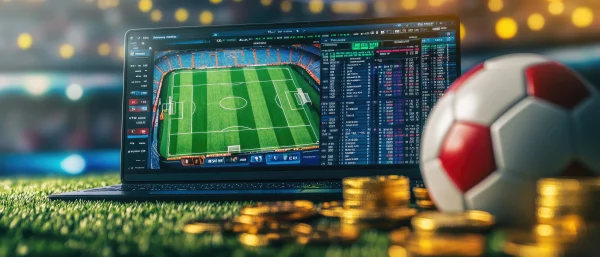
The screen on your laptop might show a football match, but the business behind it is selling addiction and crime. We need to stop viewing piracy as a harmless workaround for high prices. It is the primary engine driving a billion-pound black market of unregulated gambling. Every click on a pirate link acts as a vote for an industry that targets children, exploits addicts, and funds organized crime.
The connection between illegal sports streaming and illegal betting is undeniable. As the government prepares to hike taxes and regulators scramble to catch up, the responsibility ultimately falls on the viewer. You might think you are just watching a game, but you are actually feeding a beast that respects no laws. The real cost hits your data safety and the sport's integrity rather than your credit card statement.
Recently Added
Categories
- Arts And Humanities
- Blog
- Business And Management
- Criminology
- Education
- Environment And Conservation
- Farming And Animal Care
- Geopolitics
- Lifestyle And Beauty
- Medicine And Science
- Mental Health
- Nutrition And Diet
- Religion And Spirituality
- Social Care And Health
- Sport And Fitness
- Technology
- Uncategorized
- Videos

