
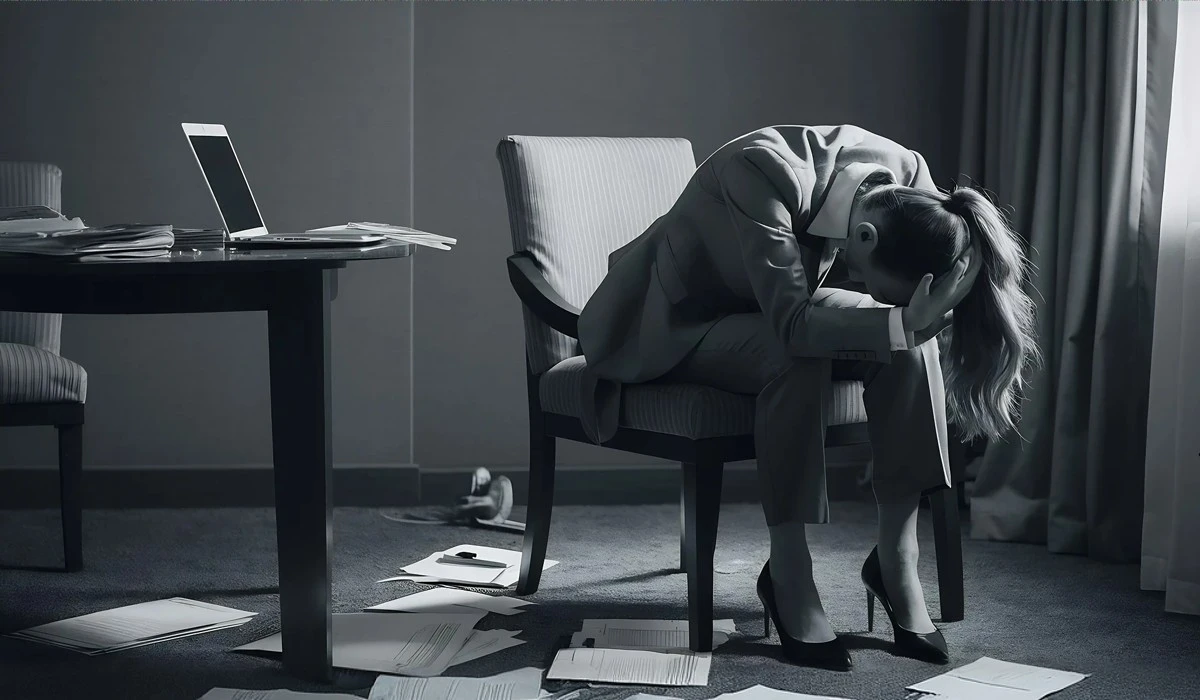
Harassment Settlement in Belfast Hits £65,000
When a company follows a checklist instead of protecting a person, the system meant to solve the problem actually creates a new one. In July 2024, a 17-year-old girl named Jayla Boyd worked at a JD Sports store in Belfast. According to a report by RTÉ, a male supervisor there slapped her on the bottom. While the act itself was a clear violation of personal space, the events that followed showed a deep breakdown in how the company handled employee safety. Yahoo News reports that this case eventually led to a massive £65,000 workplace harassment settlement between Jayla Boyd and her former employer, JD Sports Fashion PLC.
The Physical Reality of the Belfast Store Incident
A single physical act often reveals the deeper rot in a company’s safety culture. Jayla Boyd was an A-Level student trying to earn money while finishing her education. One day during her shift, her supervisor physically struck her. This was not an accident or a misunderstanding. It was a physical assault that left a young worker feeling humiliated and unsafe in her own place of employment.
Jayla acted immediately. She reported the supervisor to the store management right after it happened. What happened at the JD Sports store in Belfast? A supervisor physically harassed Jayla Boyd, which prompted her to report the incident to management immediately. She expected the company to step in and provide a safe environment. Instead, she found herself trapped in a situation where the rules on paper did not match the actions of the people in charge.
The supervisor tried to explain away his behavior with a strange excuse. He claimed he acted out of "muscle memory." This excuse suggested that his behavior was a habit rather than a choice. For Jayla, this made the situation even more alarming. She realized that the people she worked for did not see the gravity of the situation.
Why Corporate Safety Protocols Fail
Procedures designed for efficiency frequently overlook the human need for immediate separation. After Jayla reported the slap, she assumed the company would keep her away from the harasser. This is a standard expectation in any workplace harassment settlement discussion. However, the management at the Belfast store did not follow this logic. They required Jayla to continue working her shift alongside the man who had just assaulted her.
The company claimed they had "promptly addressed" the issue. Their records showed that they spoke to the supervisor and that he offered two apologies. In their eyes, the box was checked. In reality, Jayla was forced to stay in the same room as her harasser for the rest of her shift. How much was the JD Sports harassment settlement? The company ultimately paid £65,000 to resolve the legal claims arising from their failure to protect the employee.
By forcing a victim to collaborate with their attacker, a company ignores the psychological impact of harassment. The management prioritized the store’s shift schedule over the safety of a teenage girl. This decision showed that the company’s internal logic focused on keeping the store running rather than keeping the staff safe. This gap between policy and practice creates a hostile environment where employees feel they have no voice.
The Flawed Internal Investigation
Keeping a victim in the dark turns a standard inquiry into a second wave of distress. JD Sports launched an investigation into the incident, but they left Jayla out of the loop. They did not conduct a formal interview with her to hear her side of the story. As noted in a report by AOL, the company failed to provide her with any updates regarding the investigation or its eventual outcome. She became a bystander in her own case.
Ironically, the company reviewed CCTV footage and confirmed that the assault happened. Even with this proof, they did not immediately remove the harasser from the floor while Jayla was working. A workplace investigation should center on the person who was harmed. When a company ignores the victim during the process, they fail their duty of care.
Jayla eventually resigned from her position. She felt that the company did not value her dignity or her safety. According to RTÉ, she felt deeply distressed because the employer failed to offer her any support, which led her to use her own annual leave just to take time away from the job. The lack of a return-to-work meeting or a formal support plan made it impossible for her to stay. She saw that the company was more interested in following a internal routine than in fixing a broken culture.
Legal Intervention and the Equality Commission
Outside pressure forces a level of accountability that internal HR departments often avoid. After her resignation, Jayla sought help from the Equality Commission for Northern Ireland (ECNI). This organization provides legal and policy advice to people who face discrimination or harassment at work. Why did the Equality Commission help Jayla Boyd? The commission works to ensure that employers follow the law and protect workers from all forms of mistreatment.
The ECNI saw the clear failures in JD Sports' response. Geraldine McGahey, the head of the commission, spoke out about the case in an article for Ireland Live. She emphasized that employers must adopt a zero-tolerance approach and ensure all staff know exactly what behavior is acceptable. She further noted that a company has an obligation to conduct rapid and empathetic inquiries when an incident occurs.
With the commission's backing, Jayla was able to take her case forward. This move shifted the power balance. JD Sports was no longer just dealing with a teenage employee who had quit; they were dealing with a legal body that understood the laws surrounding a workplace harassment settlement. This pressure forced the company to look closer at their own failures.

The Financial and Personal Cost of Misconduct
High-value settlements reflect the total collapse of a business’s duty of care. The final workplace harassment settlement reached a total of £65,000. This is a significant amount for a single incident involving one physical strike. The high number does not just cover the physical act of the slap. It covers the humiliation, the loss of employment, and the distress Jayla felt when the company ignored her reports.
Jayla was 17 when the incident occurred. She is now 18 and a law student. She used her experience to fuel her determination to protect others. She has spoken about her universal right to workplace protection. She believes that everyone should have the confidence to challenge mistreatment when they see it.
For JD Sports, the settlement was an expensive lesson. They issued a total apology for the "immense agony" they caused Jayla. They also confirmed that they terminated the perpetrator’s employment. While they eventually did the right thing by firing the harasser, the delay in their response led to a massive financial and reputational hit.
Protecting Employee Data and Privacy
Leaving a report on an open computer screen exposes more than just a name; it breaks the final bond of trust. During the time Jayla spent at the store after the report, another failure occurred. Her personal information and the details of her complaint were left accessible on a management computer. Other staff members who were not involved in the case could see the details of what had happened to her.
This privacy breach intensified her humiliation. Not only was she forced to work with the harasser, but her coworkers also had access to her private distress. Management failed to keep the investigation confidential. This error showed a lack of professional standards in the Belfast store.
When a company handles a harassment case, they must guard the victim’s privacy at all costs. Exposing a report to unauthorized staff turns a private trauma into store-wide gossip. This environment makes it impossible for a victim to feel respected. Jayla’s identity was later shared in major news outlets, which ended any hope of remaining anonymous.
The Impact of Corporate Avoidance
Refusing to acknowledge the reality of a victim’s experience turns a simple mistake into a systemic failure. Even after Jayla left the company, the store used her case as an example in a staff training session. Instead of using it to teach about safety, the session made Jayla feel even more embarrassed. She felt that the company was using her trauma to check another box on their training list.
Corporate avoidance happens when a company tries to hide behind policies instead of talking to the people involved. JD Sports claimed they followed standard procedures. However, the legal reality showed that they excluded Jayla from the investigation. They did not offer her the support she needed to return to her job safely.
Jayla Boyd’s determination to pursue a career in international human rights shows her strength. She refused to let the company’s avoidance stop her from seeking justice. Her vocal challenge to the store’s behavior gave her the confidence to move forward. She proved that one person could hold a major corporation accountable for their actions.
Lessons for Future Workplace Safety
Real change happens when a company stops treating harassment as an HR error and starts treating it as a total system failure. JD Sports has since committed to dignity and respect in their workplace. They are working with the Equality Commission to review their policies and modify their processes. This evaluation is an opportunity for the company to ensure that no other young worker goes through what Jayla experienced.
The case highlights several key lessons for all employers:
- Separate the victim and the harasser immediately after a report.
- Conduct formal interviews with all parties, especially the victim.
- Keep all investigation data strictly confidential.
- Prioritize the human impact of the incident over the daily work schedule.
The Equality Commission continues to warn that misconduct has severe repercussions. Employers who ignore these warnings face high-value legal battles and public shame. The £65,000 settlement is a reminder that the cost of ignoring harassment is much higher than the cost of preventing it.
Moving Toward Accountability and Change
A company's true character shows in the moments after a crisis occurs. This workplace harassment settlement highlights the need for companies to move beyond simple policy statements. JD Sports had a policy on paper, but they did not apply it in a way that protected Jayla Boyd. True accountability requires a company to listen to its employees and take their safety seriously from the very first report.
Jayla Boyd is now focusing on her future as a law student. She transformed a moment of humiliation into a movement for corporate change. Her story serves as a reminder that workplace protection is a right, not a privilege. As retail stores and other businesses move forward, they must ensure that their systems prioritize the dignity of every worker. The Belfast incident remains a stark example of what happens when those systems fail.
Recently Added
Categories
- Arts And Humanities
- Blog
- Business And Management
- Criminology
- Education
- Environment And Conservation
- Farming And Animal Care
- Geopolitics
- Lifestyle And Beauty
- Medicine And Science
- Mental Health
- Nutrition And Diet
- Religion And Spirituality
- Social Care And Health
- Sport And Fitness
- Technology
- Uncategorized
- Videos

