
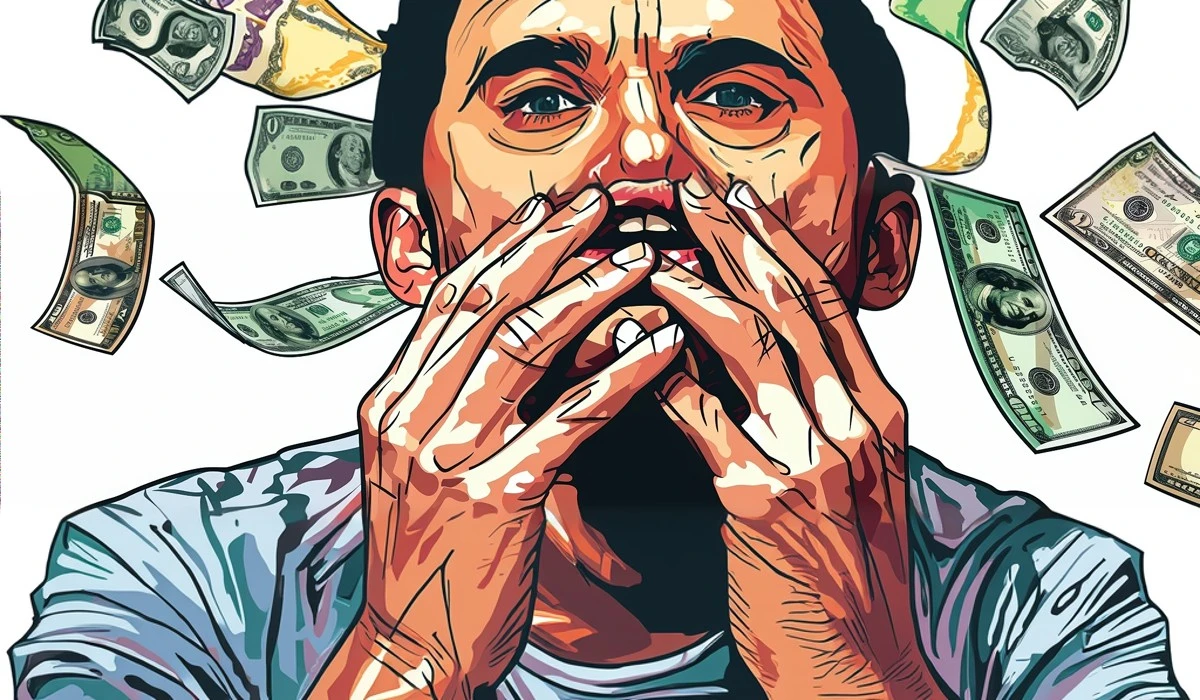
Football Recruiting Scam Exposed
Stolen Lives: The Deadly Football Recruitment Scam
Diodo Sokhna vividly recalls the final moment she heard her son's voice. Cheikh Touré sounded strangely quiet during that brief call. The infectious optimism he displayed when leaving home had vanished completely. He originally set out to launch a professional football career. That conversation marked the end of their contact. Silence followed immediately after she hung up. Sokhna sent numerous texts to his smartphone via WhatsApp. Each note remained unread, marked only by a single grey checkmark. Eventually, a stranger called using digits she had never seen. The man spoke with a distinct foreign accent. He stated plainly that her boy was dead. The caller then ended the connection abruptly. This horrific news shattered her world instantly. Sokhna screams when she recalls that moment. The loss of her only child has left her broken. She knows that ruthless criminals killed her boy.
A Family’s Tragic Loss
The eighteen-year-old goalkeeper from Dakar passed away in October. He left his family home just weeks prior. Cheikh believed he was traveling to Morocco for legitimate club trials. He planned to meet international agents and demonstrate his skills. Criminals instead transported him a vast distance into Ghana. His captors forced him to call his family and demand a ransom. They ordered him to tell his parents to send money immediately. His mother vends produce at a small market stand to support the family. Cheikh’s dad is a municipal employee who commutes long hours daily. The household had already suffered tragedy recently. Their younger daughter perished from an illness just 24 months prior. This fresh loss destroyed the fragile peace they had rebuilt. The parents had pinned their hopes on Cheikh’s success. Now they face a future without their promising son.
Exploiting Hope and Trust
Touré trusted the men who promised him a bright future. He believed that football would provide financial security for his struggling parents. Sokhna says her son possessed a merciful and kind spirit. He wanted nothing more than to make his mother happy. That desire for her happiness made him vulnerable to manipulation. He insisted that the trip to Morocco offered a real chance. Sokhna eventually agreed to let him go because of his enthusiasm. She trusted his judgment and the people he spoke about. The family did not suspect foul play initially. They viewed the opportunity as a legitimate step towards a professional career. Scammers often prey on this exact type of familial hope. They know that parents will sacrifice everything for their children. The promise of a trial blinded them to the dangers. Touré left Senegal with high hopes but walked into a trap.
The Mechanics of Extortion
Scammers frequently target young talent at local football academies. They tell players that their skills deserve a much larger stage. Fraudsters claim they have successfully placed other players in European clubs. However, this pledge requires a large upfront payment. They demand a fee to cover travel or administrative costs. Touré paid roughly 220,000 CFA francs before leaving. That amount equals about three hundred pounds sterling. Sokhna recalls the desperation in her son’s voice later. His kidnappers demanded much more cash to grant his freedom. They wanted 850,000 CFA. Cheikh begged his mother to send whatever she could gather. He pleaded with her to save his life. The fear in his voice haunts her to this day. She knew she had to act fast to save him.
A Desperate Scramble for Cash
Sokhna managed to scrape together a large part of the ransom. She first transferred 500,000 CFA francs to the people holding her son. She then sent another 150,000 shortly after the first payment. Sokhna hoped this amount would satisfy the ruthless criminals. She prayed they would understand her financial limitations. The family had little else to give. Sokhna believed her son would return home once they received the cash. However, Touré ceased answering calls after the money went through. The silence returned and lasted for days. Panic set in as the family waited for news. They contacted authorities and friends for help. No one knew where the boy was held. The kidnappers cut all communication after receiving the funds. Sokhna realized then that the money might not save him. Her hope began to fade with every passing hour.
The Grim Discovery in Kumasi
Unknown men eventually dropped Touré’s lifeless remains at a clinic. This happened in Kumasi, Ghana, during mid-October. The individuals claimed the young man died via an auto accident. They left the facility before hospital staff could ask questions. However, Ghanaian law enforcement found evidence contradicting this story. Officers discovered distinct wounds on the victim's throat and abdomen. These injuries suggested physical assault rather than a traffic accident. The Senegalese football federation confirmed that an investigation is underway. Officials from both nations are working together now. They believe a ring of fake agents targeted the boy. Official statements describe a criminal group that lures players abroad. The federation urged parents to examine offers closely. This tragedy exposed the brutal reality of the scam. The family now seeks justice for their murdered son.
Statistics Reveal a Crisis
Fifpro, the global union for players, carried out a major survey. They interviewed over 250 African athletes in 2023. The results painted a disturbing picture of the industry. The union discovered that strangers contacted 70% of athletes. Agents claimed assistance with transferring to new teams. Most of these approaches turned out to be completely fraudulent. The promised tests never happened in more than 50% of scenarios. Specifically, 56% never got the trial. Furthermore, forty-four percent missed out on the deal they anticipated. These statistics reveal a systemic issue within African football. Predatory behavior runs rampant without sufficient regulation. Young players lack the resources to verify these offers. The sheer volume of scams suggests an organized criminal industry. Thousands of young men face this risk every single year.
North Africa as a Gateway
Abdelkader Abderrahmane studies criminal gangs in the northern region. He explains that heading to Morocco is common. The region serves as a key transit point for players. However, bad actors exploit this specific migration route. Dishonest scouts work with subpar schools and compromised officials. Some government employees even assist with travel papers to facilitate the scams. Such groups pledge spots at teams within Tunisia or Morocco. They also claim these spots act as bridges to Europe. Salaries in that region exceed those in West Africa. A player can earn up to 30,000 euros per month. This potential income drives young men to take risks. Families view Morocco's division as a path to riches. The geographic proximity to Europe adds to the allure.
The Myth of the Stepping Stone
Abderrahmane notes that players view North African leagues as stepping stones. The Moroccan and Algerian leagues receive attention from European scouts. Agents use this fact to sell their fraudulent services. They convince families that a short stint there ensures success. Parents often urge their children to travel for this reason. They view the journey as an exit from hardship. Abderrahmane warns that they unknowingly send their sons into misery. The reality often involves extreme danger and financial ruin. Victims frequently end up stranded without passports or money. They cannot return home because of shame or debt. Criminals confiscate their documents immediately upon arrival. This leaves the young men vulnerable to further exploitation. They may face forced labor or imprisonment. The stepping stone often becomes a dead end for these aspirants.

Marshall Munetsi Speaks Out
The Zimbabwe native Munetsi views this issue as a crisis. He currently plays for Wolverhampton Wanderers in the United Kingdom. He has seen the devastating impact of scams firsthand. The midfielder recently spoke about the risks facing youth on the continent. He described the situation as more than just a problem. Munetsi encountered victims during his time playing in France. Three young men came to Reims seeking accommodation. A representative guaranteed they would get trials with European clubs. They arrived at the airport only to find no one waiting. The agent had vanished after taking their money. The players remained stranded at the terminal with nowhere to go. Munetsi helped them because he understood their desperation. He uses his platform to warn others about these dangers. His story highlights how far the scams reach into professional circles.
Marketing the Dreamscape
Mahfoud Amara works with Qatar University. He argues that fraudsters leverage the triumph of stars. They use the stories of players who made it to Europe. The high profitability of the game creates a powerful fantasy. High salaries and sports cars define this dreamscape. Organizations like Fifa and Uefa market this narrative globally. They sell images depicting joy and immense financial success. Corporate affiliates also promote this vision of the football lifestyle. Fake agents tap into this pre-packaged dream. They present themselves as the gatekeepers to this exclusive world. Young players struggle to distinguish between reality and marketing. They believe the agent holds the key to the dream. The contrast between their poverty and the televised wealth is sharp. This makes the scammer's pitch incredibly effective on young minds.
Digital Traps on Social Media
Scammers now utilize digital platforms to hunt for victims. Apps like Instagram and TikTok serve as recruitment grounds. Agents scour these feeds for videos of talented players. They send direct messages full of praise and false promises. These criminals often use stolen photos to appear legitimate. They pose next to famous players or inside grand stadiums. The conversation quickly shifts to money for visas or flights. They demand payment via untraceable services like Western Union. The scammer vanishes the moment the money arrives. Touré posted clips on TikTok regularly. His digital footprint likely attracted the men who killed him. Technology has made it easier for predators to reach rural areas. A smartphone now opens a direct line to international traffickers.
The Definition of Sport Trafficking
Experts now classify these scams as a type of human trafficking. Organizations like Mission 89 fight to protect young athletes. Their research highlights the lack of specific legislation globally. Many countries do not recognize sport trafficking as a distinct crime. This legal gap allows perpetrators to operate with relative impunity. Traffickers masquerade as agents or scouts to evade suspicion. They move victims across borders under the guise of transfers. The victims often possess valid visas initially. This makes detection at borders difficult for authorities. Once the player arrives, the exploitation begins in earnest. The player finds himself controlled by debt and fear. Mission 89 calls for tougher laws to close these loopholes. They urge sports bodies to take full responsibility for the crisis.
The Plight of Stranded Players
Many victims who survive the scam never return home. The shame of failure prevents them from facing their families. Their parents often sell land or cattle to fund the trip. Returning without a contract feels like a betrayal to them. These stranded players often stay in the foreign country illegally. They live in shadowy conditions and work menial jobs. Some continue training alone in hopes of a miracle. They form communities of stranded footballers in cities like Istanbul. They support each other while hiding from immigration authorities. The psychological toll of this existence is immense. They live with the guilt of financial loss every day. The fear of deportation adds constant stress to their lives. This hidden population grows larger with every passing transfer window.

Pure Passion for the Game
Cheikh Touré was not driven by greed or glamour. His mother insists that he simply loved the sport. He accepted the fraudulent proposal because he wanted to play. The clips on his TikTok documented his dedication to the game. They displayed him practicing on a Dakar beach. He focused entirely on his connection with the ball. Sokhna says he cared solely about football. He did not care about the luxury lifestyle. The game itself provided him with joy and purpose. He wanted to test his skills against the best. The scammers exploited this pure love regarding soccer. They turned his dedication into a weapon against him. Touré represents the innocence of many young players. They just want to play, but the world is predatory.
A Son’s Love for His Mother
Sokhna was the sole other individual in Touré’s posts. He decorated her images using heart symbols. He spoke often about his desire to help her. Cheikh wanted to be wealthy so he could send her on a pilgrimage to Mecca. The boy dreamed of funding her trip to the holy city. Sokhna describes him as a good and dutiful son. He treated everyone he met with kindness and respect. He had faith and affection for people too easily. Sokhna believes this naivety caused him harm. His excessive belief in others made him a target. He could not imagine that someone would hurt him. He died trying to give his mother a better life. His legacy is one of love, not just football.
A Call for Global Action
The death of Cheikh Touré serves as a brutal warning. Football federations across Africa must take stronger action immediately. They need to educate households to check signs of fraud. Players must learn to verify agents through official channels. Parents should never pay upfront fees for trials. The dream of European football should not cost a life. Governments must prosecute these fake agents as human traffickers. The global football community shares a responsibility to protect these kids. European clubs should be more transparent about recruitment processes. Only then can they stop the next tragedy from happening. Sokhna hopes her son’s story saves others from this fate. No other mother should receive that silent phone call. The game must be safe for those who love it.
Recently Added
Categories
- Arts And Humanities
- Blog
- Business And Management
- Criminology
- Education
- Environment And Conservation
- Farming And Animal Care
- Geopolitics
- Lifestyle And Beauty
- Medicine And Science
- Mental Health
- Nutrition And Diet
- Religion And Spirituality
- Social Care And Health
- Sport And Fitness
- Technology
- Uncategorized
- Videos

