
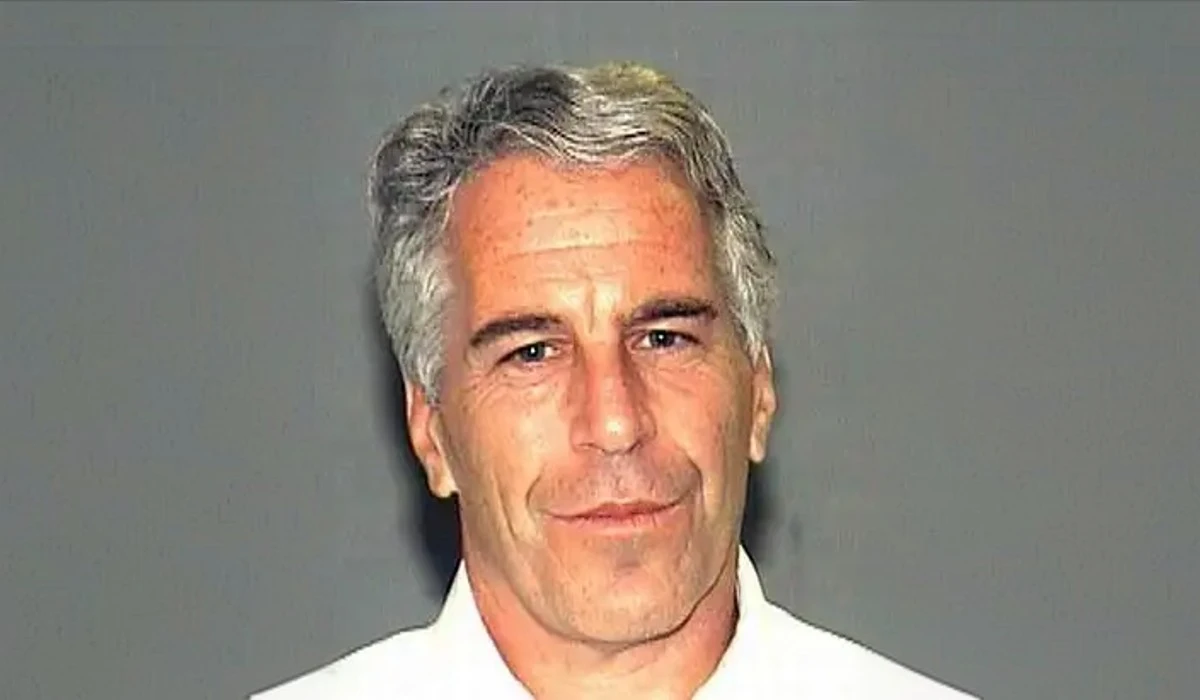
Warren Demands Epstein Bank Probe
US Regulators Pledge Rigorous Investigation into Banking Ties with Disgraced Financier
Federal watchdogs in the United States have confirmed they treat claims that major banks facilitated the crimes of Jeffrey Epstein with extreme gravity. This commitment surfaces after Elizabeth Warren demanded a probe into top corporate leaders. The senior senator from Massachusetts specifically highlighted Jes Staley, who once served as the chief executive for Barclays. Officials at the bureau tasked with currency control verified their stance in recent messages. Leaders at the body that insures federal deposits also confirmed they reviewed the formal complaint.
The correspondence responds directly to the lawmaker, who expressed deep worry regarding the alleged assistance bankers gave to the late predator. Her complaint focused on how Staley supposedly protected the entry Epstein held into the financial system. This occurred while Staley worked for the largest bank in America during the start of the millennium. British authorities have already barred Staley from their sector. They cited his failure to disclose the true depth of his connection shared with Epstein.
Commitment to Punish Financial Misconduct
Directors at these regulatory agencies refused to announce publicly if they have opened formal inquiries. However, they assured the Democratic lawmaker that they intend to penalize any discovered bad behavior. Jonathan Gould currently serves as the senior deputy at the currency bureau. He wrote a personal reply to the senator, who leads her party on the banking panel in the Senate. Gould stated he could not discuss specific supervision matters currently in progress. Yet he emphasized that his office views allegations of mistreatment perpetrated by banks with distinct seriousness. He promised to keep examining institutions under his jurisdiction. This includes the Chase Bank arm of JP Morgan. Gould aims to ensure these lenders address safety concerns and obey every statute. His letter signals a potential shift in how supervisors approach executive accountability. The focus remains on whether banks ignored laws to retain profitable clients.
Protocols for Handling Illegal Activity
Travis Hill acts as the vice chair for the corporation responsible for insuring deposits. He stated that his agency views unlawful acts within the finance world with distinct weight. Hill specifically mentioned potential staff participation in illegal schemes. Writing on the 17th of November, he outlined the standard rules his team follows. The watchdog collects and reviews proof upon identifying such behavior. They then elevate the issue up to the inspector general. That specific office holds the authority to enforce the law. Hill warned that confirmed bad behavior might lead to severe punishments. These include heavy fines and a potential ban from working within the American finance landscape. Neither the currency bureau nor the deposit insurer offered further remarks to the press. Legal representatives for Staley also did not immediately respond to requests for comment regarding these new regulatory threats.
Senator Demands Proof of Enforcement
Senator Warren issued a strong declaration after receiving these responses. She insisted that overseers must investigate the people who enabled the disgraced financier. She argued they must hold these individuals accountable. The lawmaker expressed skepticism regarding mere promises of action. She noted she would believe the regulators only when she sees tangible results. She stated that the American public deserves to know their financial system does not support the disturbing offenses committed by the wealthy. Her campaign targets the systemic culture that prioritizes revenue over moral obligations. Warren argues that the banking industry has operated with too much impunity for too long. She believes that without personal consequences for executives, the behavior of these massive institutions will never change. Her ultimatum places significant pressure on agencies to produce findings that go beyond standard corporate fines.
Corporate Denial and Criticism of Authorities
A representative speaking for JP Morgan addressed the situation without commenting directly on the correspondence from the senator. However, the spokesperson expressed regret regarding the past association the firm had with the late financier. They denied helping him carry out his terrible acts. The bank emphasized that it ended the relationship half a dozen years prior to his final arrest on accusations regarding the trafficking of humans for sex. The representative also criticized national authorities. They claimed the government held serious evidence concerning the crimes Epstein committed. The bank argued that officials did not disclose this intelligence to financial institutions. This defense suggests the bank views itself as a victim of information asymmetry. They imply they would have acted sooner had federal agents shared what they knew. This narrative attempts to shift some blame back onto the justice system itself.
The Television Appeal for Testimony
Senator Warren escalated her campaign during a recent television appearance. She spoke while appearing on Stephen Colbert’s Late Show last week. The lawmaker urged Mr Dimon to give evidence before the Senate. Jamie Dimon currently leads the lender based in New York. She revealed startling figures to the viewing audience. The firm opened approximately 134 separate accounts for the predator over the years. They processed transactions exceeding one billion dollars. Warren described how the client had the ability to enter a branch and withdraw massive cash sums. She cited a specific instance involving fifty million dollars. Her goal involves bringing Dimon and other bankers to the panel she sits on. She wants them to explain the money path that allowed the sex offender to stay afloat. She insists they must do this while they swore to be true in court.
The Billionaire’s Cash Withdrawal Machine
Court documents from previous lawsuits reveal a pattern of alarming financial activity that persisted for over a decade. The disgraced financier regularly withdrew tens of thousands of dollars in physical currency. He did this several times a month. Compliance officers at the firm flagged these transactions on numerous occasions. They warned senior management about the obvious risks involved. The sheer volume of hard currency moving through these accounts should have triggered immediate suspension. However, the relationship continued despite these internal alarms. The prompt availability of cash allegedly facilitated the recruitment of victims. Lawyers representing survivors argue that the bank functioned effectively as a paymaster for a criminal enterprise. This aspect of the case raises critical questions about how anti-money laundering controls function in practice. It suggests that high-net-worth individuals operate under a different set of rules than ordinary citizens.
Internal Warnings and Profit Motives
One specific section of the investigation highlights the internal struggle within the bank regarding these accounts. Compliance staff flagged the activity of the client as early as 2006. They noted his high-risk status half a decade following his initial arrest in Florida. Risk management teams documented regular, large withdrawals that lacked clear business purposes. These cash outs often totaled hundreds of thousands annually. A rapid response team within the firm even reviewed his profile. Yet, senior leadership decided to maintain the lucrative connection. Emails show that key executives advocated for the client. They dismissed the warnings from legal departments. This internal friction demonstrates a potential failure of corporate governance. Profits clearly outweighed moral and legal obligations during this period. The failure to act on these specific internal alarms forms the core of the current scrutiny.

Image by - Matt Brown, CC BY 2.0, via Wikimedia Commons
The Disturbing Content of Private Emails
Jes Staley remains a central figure in this unfolding scandal due to his digital footprint. His connection shared with Epstein went far beyond standard banker-client interactions. Unsealed documents reveal a close personal bond between the two men. Staley visited the private island in the Caribbean owned by the financier. He also visited properties in Florida and New York. Messages exchanged between them contained bizarre and suspicious language. They referenced Disney characters in contexts that investigators found alarming. One message from Staley in July 2010 asked the financier to say hello to Snow White. The predator replied by asking which character Staley would like next. These exchanges occurred while Staley ran the investment bank division. This correspondence suggests a level of familiarity that contradicts claims of a purely professional relationship. These emails now serve as primary evidence for critics like Warren.
Executive Defense and Official Statements
Jamie Dimon has consistently denied any personal involvement with the accounts of the sex offender. The chief executive testified in May 2023 regarding this matter. He stated that he never met the man. Dimon also claimed he never exchanged emails with him. The bank issued a statement supporting its leader. They noted that a vast library containing millions of sheets of documents exists in the case. They insisted not a single page suggests Dimon played a role in decisions about the client. The firm maintains that other executives handled the relationship entirely. However, Warren challenges this narrative. She questions how a client of such magnitude could escape the notice of the boss. The predator referred wealthy billionaires to the firm. These referrals generated substantial fees. Warren implies that Dimon must have known the source of this significant business revenue.
Legal Settlements and Financial Penalties
The financial industry has paid a heavy price for its ties to the late sex offender. Deutsche Bank also faced legal action for its involvement. The predator moved his business to the German lender after the American firm dropped him in 2013. Deutsche Bank kept him as a client until 2018. They agreed to pay seventy-five million dollars to settle a lawsuit from victims in 2023. Plaintiffs accused the bank of missing glaring warning signs. They claimed the lender facilitated the trafficking ring by processing payments. The German institution acknowledged its error in onboarding the client. They admitted to weaknesses in their screening processes. These settlements total hundreds of millions of dollars. Yet Warren argues that fines act merely as a cost of doing business. She wants individual accountability to deter future misconduct.
Allegations from the Virgin Islands
The government of the US Virgin Islands filed a particularly aggressive lawsuit against the New York bank in 2022. Their complaint alleged that trafficking constituted the principal business of the accounts held by the financier. The lawsuit claimed the institution ignored obvious red flags for years. These included payments to numerous young women. The suit argued that the firm prioritized profit over legal compliance. Internal emails unsealed during this litigation painted a disturbing picture. Lower-level employees questioned the wisdom of retaining the client. Senior executives overruled these concerns repeatedly. They focused on the revenue the financier generated. He brought wealthy clients to the private banking division. This revenue stream effectively protected him from scrutiny. The bank eventually settled this suit for seventy-five million dollars. However, the reputational damage from the evidence revealed persists to this day.
Political Context and New Legislation
The regulatory pressure arrives at a politically sensitive moment. Donald Trump recently signed a bill into law. This legislation mandates the release of unclassified Justice Department records concerning Epstein. The bill targets documents related to Ghislaine Maxwell as well. She served as the primary co-conspirator. The former President initially resisted the move. He faced criticism due to his personal ties to the offender. The two men socialized in Palm Beach during the 1990s. They stopped speaking in 2004. This happened before the first criminal conviction of the financier. The new law requires the release of documents inside a month. Officials expect the publication to occur around the 19th of December. This release could contain explosive new details. It might implicate more powerful figures in business and politics, adding fuel to Warren's fire.
Systemic Failure of Money Laundering Rules
The saga reveals deep flaws in the American banking system regarding crime prevention. Anti-money laundering rules exist to spot illegal activity. Banks must report suspicious transactions to the Treasury Department. They must also perform due diligence on high-risk clients. The case shows how easily powerful individuals can circumvent these rules. A client with high net worth often receives special treatment. Private bankers frequently prioritize pleasing the customer over following compliance procedures. This culture allows criminals to launder money and fund illegal operations. Regulators like the currency bureau supervise these processes. Their failure to catch this activity earlier raises questions about their effectiveness. Warren highlights this regulatory gap in her investigation. She argues that agencies have become too cozy with the banks they oversee. She demands a review of these supervisory failures.
The Human Cost of Financial Complicity
Discussions on banking regulation often overlook the severe human cost involved. The victims of the ring suffered horrific abuse. The financial system enabled this abuse by providing the necessary funds. Cash withdrawals paid for the recruitment of minors. Wire transfers maintained the properties where abuse occurred. Lawyers for the survivors have long argued that banks were complicit. The settlements in 2023 validated this legal theory. The institutions paid significant sums to resolve the claims. This money provides some measure of justice. However, survivors continue to demand full accountability. They support the efforts of the senator to punish individual bankers. Many victims believe that executives knew exactly what was happening. They view the cryptic emails as proof of this knowledge. The release of new documents in December may provide further validation for their claims.
Future Implications for Bank Executives
The outcome of this regulatory push remains uncertain for the industry leaders. The currency bureau and deposit insurer rarely ban top executives. Such actions require a high burden of proof. Regulators must show that the banker engaged in personal dishonesty. They must also prove that the bank suffered a loss or the banker received a financial gain. The case against Staley fits some of these criteria. His ban in the UK sets a precedent. American regulators may feel compelled to match their British counterparts. A ban in the US would end the career of Staley permanently. Jamie Dimon faces a different threat. He is unlikely to face a ban. However, a Senate hearing would be damaging. It would tarnish his legacy as a statesman of Wall Street.
The Road Ahead for Regulators
The coming weeks will be critical for the financial watchdogs. The release of the Justice Department files could trigger new investigations. Warren intends to obey legal statutes by pressing for updates. The agencies must decide whether to open formal probes. Banks are already tightening their controls. Compliance departments are reviewing high-risk accounts. No bank wants to be the next target of a Senate inquiry. The industry understands that the era of looking the other way has ended. Jes Staley waits to see if he will face further punishment. Jamie Dimon prepares for a potential showdown in Washington. The public expects the regulators to deliver results. The credibility of the financial oversight system hangs in the balance. Only a transparent investigation will restore trust.
Recently Added
Categories
- Arts And Humanities
- Blog
- Business And Management
- Criminology
- Education
- Environment And Conservation
- Farming And Animal Care
- Geopolitics
- Lifestyle And Beauty
- Medicine And Science
- Mental Health
- Nutrition And Diet
- Religion And Spirituality
- Social Care And Health
- Sport And Fitness
- Technology
- Uncategorized
- Videos

