
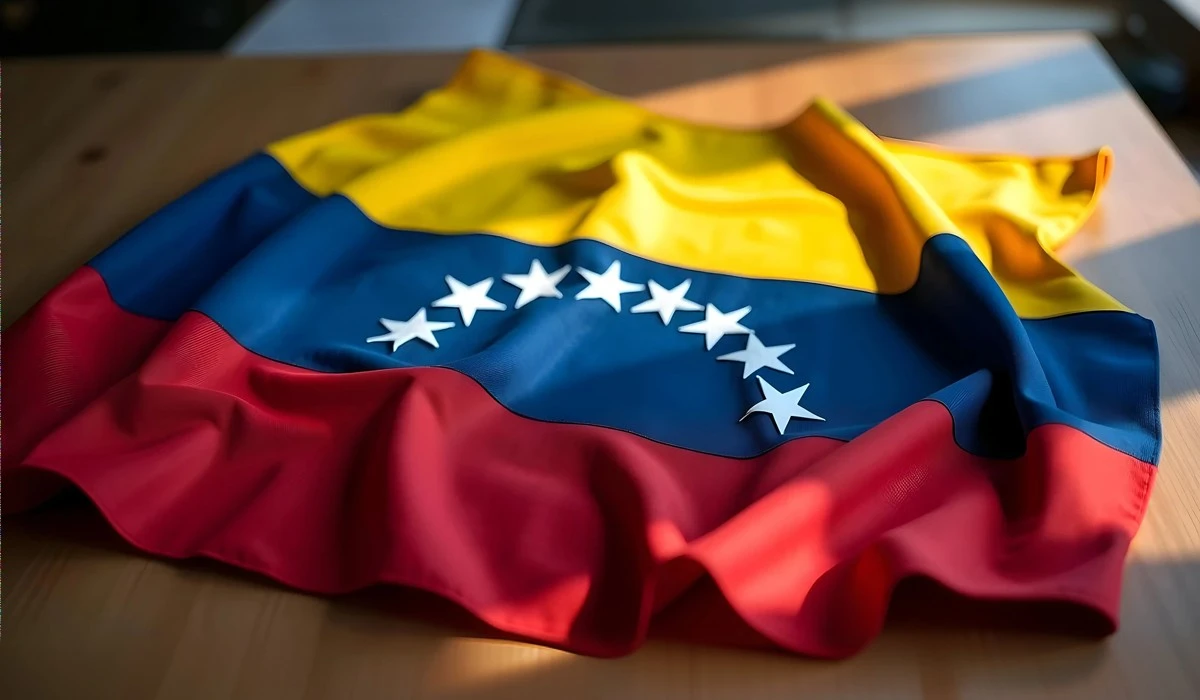
Venezuela Gold: The Battle For Billions
When a nation deposits bullion in a foreign vault, they expect a savings account. Instead, they receive a geopolitical leash. According to Reuters, the Bank of England holds 31 tonnes of yellow metal that technically belongs to Caracas, yet the doors remain locked to the depositors. This standoff transforms a standard banking transaction into a high-stakes diplomatic chokehold. The Venezuela gold sitting in London creates a pressure point that forces regimes to crumble or dig in deeper.
Most people view gold storage as a boring administrative duty. In reality, possession of these bars grants the host country immense advantage over the depositor’s future. The United Kingdom and the United States effectively froze these assets to starve a government they deemed illegitimate. This decision turned the vaults underneath Threadneedle Street into a battleground for control over Venezuela’s financial survival. As legal battles rage and political leaders fall, the bullion sits untouched in the dark.
The Vault That Became a Prison
Banking neutrality dissolves the moment a depositor becomes a political target. The Bank of England manages one of the largest custodians of gold in the world, holding over 400,000 bars for various governments to facilitate global trade. A report by The Guardian notes that Venezuela began moving its national treasure to London in the 1980s. They sought security and easier access to European markets. Decades later, that safety measure backfired.
The trouble started in earnest during 2018. Political turmoil and disputed elections in Venezuela prompted the United Kingdom to question who actually owned the account. The Bank denied a repatriation request, citing standard compliance rules. However, the blockage aligned perfectly with growing sanctions against the Maduro administration. John Bolton, a former US official, later confirmed in his memoir that the UK Foreign Office helped freeze the assets specifically at America's request.
Control over the gold shifted from a property right to a political weapon. Reuters data confirms that with the Venezuela gold locked away, the Maduro regime lost access to 15% of its foreign currency reserves. This denial of funds aimed to cripple the administration’s ability to move money internationally. The vault functioned as an impound lot rather than a bank.
The Two Presidents Problem
You cannot withdraw money when the bank disputes your identity. The core of the legal fight rests on a simple yet paralyzed bureaucratic question: who is the President of Venezuela? For years, the UK government officially recognized opposition figures and interim leaders rather than Nicolas Maduro. Since the Bank of England operates independently but follows the Crown’s diplomatic stance, they could not release funds to a leader their government did not recognize.
Yvette Cooper, the UK Foreign Secretary, emphasized that stability takes priority over immediate access. The British stance holds that releasing the assets to Maduro risks theft or the financing of a dictatorship. Opposition leaders argued that granting Maduro access would fund corruption. Consequently, the gold stays put.
This creates a split reality. The government in Caracas controls the ground, the military, and the borders, but they do not control the wallet. Why does the UK refuse to release the gold? The British government claims the requesting authority lacks legal legitimacy and fears the misuse of funds. The courts in London have spent years debating this specific point. Until the political leadership question resolves fully, the vault remains shut.
The Value Explosion
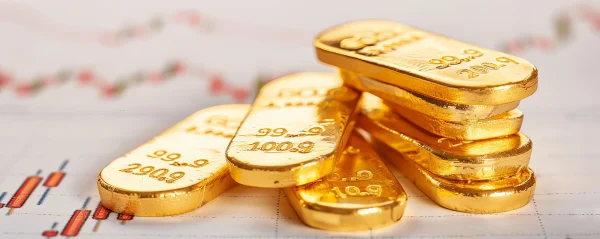
Time acts as a multiplier for frozen assets, turning a dispute into a fortune. While lawyers argued in courtrooms, the global economy shifted drastically. In 2020, the 31 tonnes of Venezuela gold carried a value of approximately $1.95 billion (£1.4 billion). Today, that number looks very different.
Spot gold prices recently hit an all-time high of $4,453.22 per ounce. The metal saw a massive 64% annual rise in 2025 alone. This surge drastically changes the stakes of the lawsuit. The frozen stockpile is now worth an estimated $4 billion or more. The prize for winning this legal tug-of-war doubled without anyone lifting a finger.
The Inflation Factor
Silver also jumped by 5.5%, trading at $76.63 per ounce. Investors flocked to precious metals as safe havens during global instability. This market rally makes the Venezuelan assets more critical than ever for rebuilding the country. What is the current value of the frozen gold? The stockpile is estimated to be worth over $4 billion due to recent price surges. Whoever eventually opens the vault will have twice the purchasing power originally anticipated.
The 2026 Turning Point
Removing a leader usually opens the vault, but chaos often keeps the doors shut. The recent US seizure of Nicolas Maduro in January 2026 shattered the previous stalemate. This dramatic event reopened the debate on ownership and control. With the primary target of the sanctions removed from power, the path to the gold should theoretically clear up.
However, the transition of power creates new confusion. Donald Trump declared that the US administration would "run the country" temporarily until a safe transition occurs. This statement complicates the UK's position. They must now decide if the US interim administration acts as the legal owner of the Venezuela gold.
The legal arguments shift from "Maduro vs. Opposition" to "US Administration vs. Venezuelan Sovereignty." The Bank of England faces a new dilemma. Releasing the gold to a US-controlled transition team supports the removal of the old regime. However, it validates the idea that foreign powers can directly manage a sovereign nation's reserves.
Oil vs. Gold: The Resource Reality
Promises of instant wealth ignore the physical decay of the machinery required to extract it. While the gold sits ready to sell, Venezuela’s other massive asset—oil—tells a different story. Trump promised immediate resource utilization to pay down debts and rebuild. The markets reacted with optimism. Market coverage from The Guardian reported that shares in oil giants like Chevron and Halliburton jumped 4% and 7% respectively.
Industry experts see a harsher reality. Lord Browne, the former CEO of BP, warned that reviving the oil sector requires immense capital and expertise. Venezuelan oil output currently sits at a meager 1% of global supply. The infrastructure remains depleted after years of neglect. You cannot simply turn a valve and flood the market with crude.
The Investment Gap
Analyst Vasu Menon noted that the global supply effect remains minimal despite the vast reserves underground. The gold in London represents immediate, liquid cash. The oil in the ground represents a ten-year construction project. This makes the Venezuela gold the only viable lifeline for immediate economic stabilization. The contrast between the ready-to-use bullion and the ruined oil fields defines the reconstruction challenge.
Global Market Shockwaves
Fear drives money into metal and weapons faster than any policy announcement. The seizure of Maduro and the subsequent uncertainty sent ripples through global markets. While the Venezuela gold remains stuck, investors elsewhere moved quickly to protect their own interests.
The Wall Street Journal reported that defense stocks soared immediately following the news, with BAE Systems climbing 5% and Rheinmetall jumping 8%. Investment Director Russ Mould attributed this to the anticipation of government security spending spikes. Markets expect military tensions to rise, not fall. The Western world reacted with safe-haven panic, buying gold and defense shares.
Meanwhile, Asian markets viewed the fallout as distant and maintained a sense of optimism. This divergence highlights how different regions interpret geopolitical force. The West sees conflict and prepares for war. The East sees a localized power struggle and waits for the dust to settle.
The Trust Crisis
Weaponizing a bank vault teaches other nations to buy safes instead of using yours. The long-term consequence of the Venezuela gold saga extends far beyond Caracas. Other nations watch closely. If the Bank of England can freeze assets based on political disagreements, then no deposit is truly safe.
Delcy Rodríguez, a key Maduro ally, labeled the asset retention as "piracy" and theft. While her government had few friends in the West, her argument resonates with other non-aligned nations. Trust in the US dollar and UK banking system takes a hit every time sovereign assets freeze.
This loss of trust fuels the global gold rally. Central banks in China, Russia, and the Middle East continue buying gold and storing it domestically. They want to avoid ending up in Venezuela's position. Can the Bank of England keep foreign gold indefinitely? Yes, they can refuse release if they do not recognize the depositor's authority or fear legal breaches. This power forces nations to reconsider where they keep their savings.
The Prisoner of Politics
The battle over the Venezuela gold proves that modern warfare happens in courtrooms and bank vaults as often as on the battlefield. The 31 tonnes of bullion sitting in London represent wealth and legitimacy. As the value of the hoard skyrockets past $4 billion, the fight to control it intensifies. The US and UK used these bars to squeeze a dictatorship, but the strategy also cracked the foundation of global banking trust. Eventually, the doors will open, and someone will sign the withdrawal slip. Until then, the gold remains a prisoner of politics.
Recently Added
Categories
- Arts And Humanities
- Blog
- Business And Management
- Criminology
- Education
- Environment And Conservation
- Farming And Animal Care
- Geopolitics
- Lifestyle And Beauty
- Medicine And Science
- Mental Health
- Nutrition And Diet
- Religion And Spirituality
- Social Care And Health
- Sport And Fitness
- Technology
- Uncategorized
- Videos

