
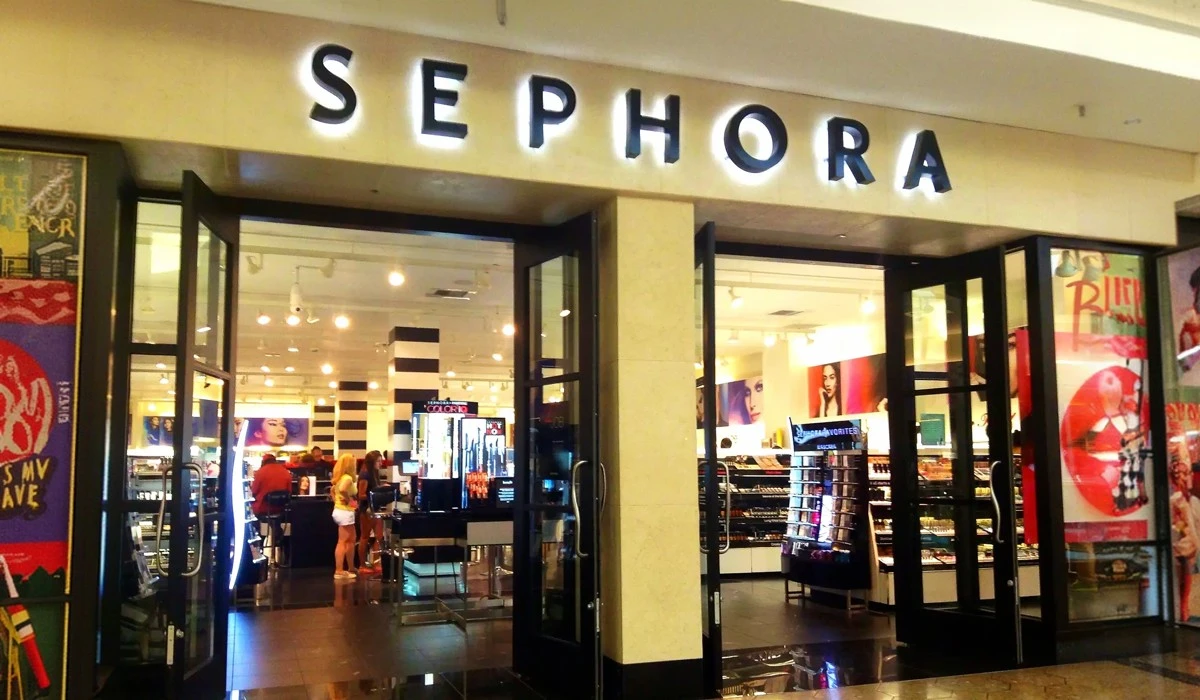
Image Credit - by Mike Mozart from Funny YouTube, USA, CC BY 2.0, via Wikimedia Commons
Sephora Kids Probe: Teen Skincare Concerns
Eight-year-olds are buying retinol serums. And the brands selling them are paying other kids to make it look like a great idea.
That is the core of the Sephora kid’s probe. According to a press release from the Italian Competition Authority, antitrust regulators at the AGCM recently launched two investigations into Sephora and LVMH. The authorities suspect these companies used deceptive marketing tactics to push adult skincare products onto children under the age of 10. Rather than running traditional ads, brands allegedly used young micro-influencers to drive compulsive purchases of face masks, serums, and anti-aging creams. Sephora and LVMH deny targeting young children, with statements to The Guardian maintaining they don't market to this audience. But the AGCM's Sephora kids probe says otherwise, and the investigation is now determining exactly how luxury cosmetics found their way into the daily routines of elementary school students.
The Target Inside the Sephora Kids Probe
Anti-aging creams sell best when the buyer fears aging. So, it is notable that the fastest-growing market for these products now includes people who have not yet hit puberty. The AGCM specifically targets the marketing of Sephora Collection and Benefit Cosmetics to children under 10 and 12 years old.
This age group historically ignored multi-step skincare. Now, it sits at the middle of a regulatory investigation. The concern is covert promotion: brands allegedly used teenage influencers to push adult products, and young viewers watched those videos and immediately demanded the same items. The probe focuses on deceptive labeling and undisclosed sponsorships. As noted by Reuters, this marketing created a direct pipeline from internet videos to physical retail purchases, resulting in children as young as five buying makeup and skincare at Sephora stores.
What is the main goal of the Sephora kids probe? The investigation aims to determine if luxury brands intentionally manipulated young girls into buying unnecessary and potentially harmful cosmetics through deceptive online marketing.
How Teen TikTok Skincare Tricks the Algorithm
Social media platforms suppress obvious commercials, so brands learned to hide paid sponsorships behind organic-looking bathroom mirror routines. Sephora has a massive digital presence, with 23 million Instagram followers and over 2 million on TikTok. These accounts serve as the hub for youth beauty trends.
The spread of those trends is where the problem lives. A June study from Northwestern University analyzed 100 teen TikTok skincare videos. The top 25 videos featured an average of 11 to 21 potentially irritating active ingredients. Only 26% of daytime skincare routines in those videos included sunscreen. A CBS News analysis found that out of all videos reviewed, only 15, or just 6% of posts, carried proper promotional tags. Researchers describe this as unintentional stealth advertising to children. Teen influencers even report corporate pressure to drop standard ad hashtags, with brands preferring alternative terms like "partner" to boost engagement metrics and bypass algorithmic limits.
The Influencer Squeeze
Teen creator Embreigh Courtlyn highlighted this tension directly. She noted that brands push creators to avoid the "#ad" label. This obscures the commercial nature of the content, and young viewers simply think they are watching a peer's genuine morning routine.
The Threat of Adult Cosmetics on Children
Using harsh chemicals to fix skin problems that do not exist often creates the exact flaws the user feared. The medical community now points to a health crisis tied directly to the trend of applying adult cosmetics on children. Dermatologists warn that exposing young, developing skin to strong active ingredients causes serious physical damage.
Products containing retinol, a powerful anti-aging ingredient, appear regularly in viral youth routines. Research published in PubMed shows that using these products causes skin redness, irritation, and heightened sun sensitivity. The British Association of Dermatologists supports the AGCM's concerns about these physical risks. Regulators argue that brands fail to label products adequately, leaving parents and children unaware of the hazards.
Why do adult cosmetics harm children's skin? Young skin lacks the strong barrier function of adult skin, making it highly vulnerable to chemical burns and long-term sensitivity from harsh active ingredients.
The Rise of Cosmeticorexia
A product meant to repair skin damage can easily damage a child's psychological development when brands present it as a daily necessity. The Sephora kids probe spotlights a troubling new mental health pattern called "cosmeticorexia," which describes an unhealthy, obsessive fixation on skincare among young people.
Children now worry about preventing wrinkles they do not have. Constant exposure to heavily filtered influencers drives this obsession. Young girls feel pressure to meet an impossible digital standard, so they compulsively buy and apply layers of serums and creams. The focus shifts from basic hygiene to extreme cosmetic modification. Regulators view this psychological effect as a core part of the deceptive marketing allegations. The steady stream of stealth advertising directly fuels this anxiety-driven purchasing behavior.
Behind the Sephora Kids Probe at LVMH
On Thursday, officials from the AGCM and Italy's financial police walked into the LVMH and Sephora Italian headquarters. The March 26 inspection targeted Sephora Italia S.r.l., LVMH Profumi e Cosmetici Italia S.r.l., and LVMH Italia S.p.A. LVMH representatives stated their full cooperation with authorities and maintained compliance with Italian regulations across all subsidiaries, but stayed quiet on the specifics of the inquiry.
This official stance echoes prior statements from company leadership. Sephora North America CEO Artemis Patrick previously claimed the brand has no promotional focus on the underage demographic. The contradiction stands out. While executives deny targeting minors, regulators argue that the strategic use of young micro-influencers proves otherwise.
The Precedent for Action
This inspection follows a recent pattern of regulatory crackdowns. In February, the AGCM investigated Procter & Gamble over misleading advertising for a Braun hair removal device. Italian authorities are clearly set on policing deceptive beauty marketing.
Retail Chaos and Generation Alpha
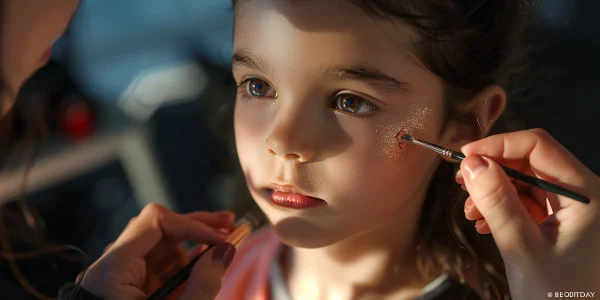
Stores built for adult luxury shopping became unsupervised gathering spaces for pre-teens chasing internet trends. The Sephora kids probe grew from a broader cultural shift that surfaced in early 2024, when children born between 2010 and 2023 began flooding high-end cosmetic stores.
Retail workers and adult shoppers reported serious disruptions. Groups of young girls regularly destroyed expensive testers, created messes in the aisles, and showed disrespect toward staff. Physical stores became staging grounds for social media content, with minors hunting down specific products promoted by their favorite online creators. This real-world chaos drew public scrutiny toward the brands and eventually caught the attention of European antitrust authorities.
The Legal Loophole in Beauty Retail
No law prevents a store from selling adult cosmetics to a minor. That is a significant challenge in the Sephora kid’s probe. The regulatory concern focuses on the combination of uninformed usage and stealth advertising. Authorities must prove that the companies actively deceived consumers about product safety and suitability, and that the labeling failed to protect vulnerable buyers.
How are regulators fighting the Sephora kids’ trend? Authorities are investigating brands for deceptive marketing and undisclosed sponsorships rather than attempting to ban the legal retail sale of cosmetics to minors. If the AGCM proves that marketing strategies intentionally bypassed parental oversight to target children, it can issue significant fines.
Global Backlash Against Platform Profit
The Sephora kids probe sits within a much larger global movement against the exploitation of youth on social media. Governments worldwide recognize the serious effects of platform-driven body image issues. Recent penalties highlight this effort. Meta faced a $400 million penalty in New Mexico, while a Los Angeles action resulted in a $3 million fine over child safety failures. International lawmakers are also pushing beyond fines. Australia plans to implement a strict under-16 social media ban by December. Similar discussions are active across the UK, France, and Spain. The spread of teen skincare trends is one symptom of a broader digital safety failure.
The Future of the Sephora Kids Probe
When a cosmetic company relies on unregulated internet culture to sell products, the fallout eventually demands legal intervention. The Sephora kids probe forces a necessary reckoning inside the beauty industry. Brands can no longer point to organic virality when the data points to systemic, stealth marketing.
The AGCM investigation into LVMH and Sephora marks a significant shift in consumer protection. Regulators now see the clear connection between deceptive online promotions, the rise of cosmeticorexia, and the physical harm caused by adult skincare on young skin. As the Sephora kids probe moves forward, it sets a precedent for how beauty companies operate online. Brands must clean up their digital marketing practices or face serious consequences from authorities determined to protect the next generation.
Recently Added
Categories
- Arts And Humanities
- Blog
- Business And Management
- Criminology
- Education
- Environment And Conservation
- Farming And Animal Care
- Geopolitics
- Lifestyle And Beauty
- Medicine And Science
- Mental Health
- Nutrition And Diet
- Religion And Spirituality
- Social Care And Health
- Sport And Fitness
- Technology
- Uncategorized
- Videos

