
Property Gold: Facilities Management Strategy
Most property owners look at a towering commercial complex and see a finished product. They assume concrete and steel hold their value automatically through mere existence. In reality, buildings constantly consume massive resources and rapidly degrade the moment construction ends. According to a report by Reuters, buildings swallow roughly forty percent of all European energy and generate thirty-six percent of greenhouse gas emissions. A property actively loses market appeal every single day without deliberate intervention. Smart owners counteract this daily depreciation through strategic facilities management. The ISO 41000 standard officially defines this discipline as an organizational function integrating people, place, and process to improve productivity. As of 2026, proper facility services have fully shifted from a basic cost center into a primary value driver. Strategic oversight turns depreciating concrete into premium real estate, permanently increasing net operating income and ensuring maximum profitability.
The Direct Link Between Facilities Management and Asset Value
Relying on a fix-it-when-it-breaks mentality actively destroys property value over time. Modern commercial real estate demands a proactive approach to operational oversight. A well-executed integrated strategy directly increases net operating income through the optimization of daily expenses. This optimization makes the property mathematically more attractive to premium buyers and drives up market valuations. When evaluating asset performance, owners often ask, what is the main purpose of facilities management? As defined by IBM, the main purpose of facilities management is to ensure a safe, well-operated, and comfortable built environment while maximizing the lifespan and value of physical assets. Seamlessly bridging daily operations with long-term strategy actively prevents property depreciation and secures your real estate investment. Commercial buildings running structured proactive programs report a 30% lower total operational cost compared to those using outdated reactive baselines.
The Unseen Cost of Operational Neglect
Neglecting daily upkeep drains profits rapidly. Digital platforms now track operating costs to help property managers identify redundant expenses immediately. Spotting maintenance costs running fifteen percent higher per square foot than portfolio averages allows leaders to take decisive action. Managers replace an outdated HVAC system completely rather than perpetually repairing failing components. This specific identification process shifts spending from wasted operating expenses into smart capital expenditures. Every delayed repair compounds the financial damage and drives away high-paying tenants. Property owners lose substantial advantage during valuation appraisals when auditors find extensive deferred tasks. Buyers demand steep discounts to compensate for poor operational histories. Proactive strategies reverse this trend entirely. Maintaining pristine operational records proves to potential investors that the property functions flawlessly. Attentive oversight guarantees maximum asset performance and justifies premium asking prices within a highly competitive commercial market.
Why Proactive Building Maintenance Protects Your Bottom Line
Financial principles dictate that emergency interventions burn through budgets aggressively. Research published by the Society of Tribologists and Lubrication Engineers highlights that in commercial building maintenance, reactive emergency repairs cost an average of almost five times more than planned upkeep. Skipping a routine two-hundred-dollar HVAC filter change for six months reliably initiates a three-thousand-dollar compressor failure. Delaying a basic five-hundred-dollar roof sealant application frequently causes fifteen thousand dollars in subsequent leak remediation. For large commercial spaces, unplanned facility downtime easily costs up to eighteen thousand dollars per hour. Every missed preventative measure heavily penalizes the owner. Routine audits of plumbing and roofing systems completely prevent these catastrophic failures. Dedicated technicians identify tiny thermal anomalies and microscopic leaks weeks before major ruptures occur. Treating daily upkeep as an aggressive insurance policy protects the overall net operating income. Neutralizing threats early allows smart owners to lock in their profits.
Extending the Lifespan of High-Ticket Equipment
Proper care dramatically prolongs the usefulness of expensive mechanical systems. Equipment lifespans expand by twenty to forty percent when properties move from a reactive model to a proactive building maintenance program. High-ticket systems like commercial elevators, massive chillers, and complicated roofing structures last decades longer under strict professional supervision. Deferred upkeep ultimately costs two to five times more than consistent preventive scheduling. Pushing components past their breaking points destroys their structural integrity entirely. Routine fluid changes, belt replacements, and calibration adjustments keep heavy equipment running at peak performance. Adhering to rigorous service intervals protects massive capital investments for property managers. A well-maintained boiler plant functions safely for thirty years instead of failing prematurely at year fifteen. This precise attention to detail eliminates massive replacement shocks and keeps long-term financial forecasts highly accurate and predictable.
Demystifying Hard and Soft FM for Property Owners
Modern property operations divide strictly into two distinct categories. Because the scope of property upkeep is so broad, property owners frequently wonder, what is the difference between hard and soft fm? Hard facilities management deals with physical, non-removable structures like plumbing, wiring, and heating, whereas soft facilities management focuses on human-centric services like cleaning, security, and landscaping. Both sides of the coin must be perfectly balanced to maintain high market appeal and strong property valuations. Technical maintenance aligns heavily with stringent compliance standards. Professionals use the SFG20 standard to dictate planned preventative maintenance frequencies across all sites. Handling commercial cooling equipment requires specialized F-Gas certified engineers to prevent environmental hazards. Securing these physical infrastructure needs guarantees that the building remains standing safely and functions exactly as designed under heavy daily use.
Elevating the Soul: The Human Experience
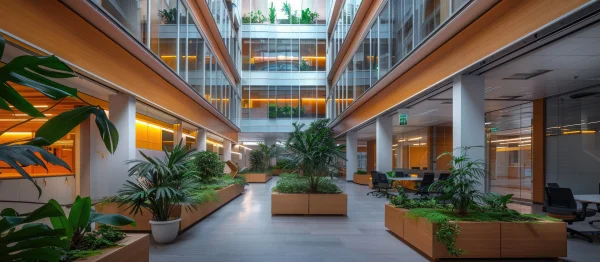
People want to occupy spaces that feel clean, safe, and welcoming. As noted by IBM, soft services elevate the daily human experience through pristine office cleaning, vigilant physical security, and beautiful landscaping. In standard multi-let commercial offices, typical budget allocations dedicate sixty to seventy percent to technical tasks and thirty to forty percent to these human-centric services. This split reflects the expensive labor costs and strict statutory requirements of technical maintenance. Despite the lower budget share, soft services directly drive tenant satisfaction and secure long-term lease agreements. The overarching international standard bridging both hard and soft fm systems is ISO 41001. This framework dictates the strict requirements for a unified operational system. Harmonizing these two distinct operational halves creates an exceptional environment. Tenants gladly pay premium rental rates for commercial spaces that prioritize their daily comfort and absolute safety.
Upgrading Core Infrastructure Through Smart Facilities Management
Technology rapidly changes basic property operations into highly advanced technical systems. By 2026, organizations implementing internet-of-things sensors achieved a forty percent reduction in equipment breakdowns. These smart devices significantly cut expensive labor and spare parts expenses across large portfolios. Modern smart facilities management combines these sensors with artificial intelligence to analyze massive data streams constantly. Cross-sensor analysis detects failure patterns two to eight weeks before a mechanical breakdown actually occurs. This predictive capability drops the emergency repair rate well below ten percent. The global predictive maintenance market in this sector is surging to an estimated sixteen billion dollars by 2031. Eco-friendly, tech-enabled buildings command a massive premium within a demanding real estate market. Property owners utilize these digital tools to replace guesswork with hard data. Proactive digital monitoring ensures that critical systems never fail unexpectedly.
Driving Value Through Energy Performance
Utility bills represent one of the largest ongoing expenses for any commercial property owner. Heating and cooling systems alone account for forty-four percent of overall building energy consumption. Smart systems capture real-time pressure and temperature data to optimize this heavy equipment actively. Automated adjustments reduce utility overhead drastically without requiring manual human intervention. Implementing these sophisticated digital controls generates a proven fifteen to thirty percent reduction in overall energy costs. Lower operating costs immediately expand the net operating income margin. Investors specifically look for highly-performing buildings when calculating their maximum purchase offers. Green buildings achieve prestigious environmental certifications that attract elite corporate tenants. Optimizing energy usage turns a massive liability into an attractive marketing advantage. Driving value through optimized operations proves that intelligent technological investments pay massive dividends over the entire lifecycle of the commercial property.
Enhancing Tenant Experience for Higher Rent Yields
Occupant happiness dictates the true financial success of any commercial real estate venture. High-value properties rely heavily on occupant happiness to sustain long-term leases, prompting the question, how does facility management improve customer satisfaction? According to research in ScienceDirect, occupant satisfaction within office buildings heavily depends on thermal, acoustic, and visual factors, along with air quality and general cleanliness. Therefore, maintaining clean, safe, and fully functional environments that respond quickly to user needs enables facility management to improve customer satisfaction.
A highly responsive environment reduces tenant turnover, which directly stabilizes and boosts the property's overall financial yield. Ninety-seven percent of buildings utilizing proactive performance strategies see a positive return on investment within the first year. These returns stem directly from massive energy savings and highly stable indoor climates. Flawless aesthetics and perfect temperature control make tenants want to stay indefinitely. An empty building loses value rapidly. Keeping occupants thrilled through top-tier service remains the absolute best retention strategy available to owners.
Frictionless and Fast Service Requests
Modern tenants expect immediate resolutions to their daily workplace problems. As reported by Frontiers in Built Environment, an increasing number of properties are adopting computerized Maintenance Management Systems (CMMS) and Building Management Systems (BMS) to automate repetitive tasks, improve upkeep procedures, and enable data-driven decisions that centralize all building information perfectly. These advanced software platforms improve overall space usage effectiveness by forty percent.
Occupants submit service tickets through simple smartphone applications, and maintenance teams receive instant digital dispatch orders. This frictionless communication eliminates frustrating delays and resolves physical issues within minutes. Prioritizing data-driven space management also cuts overhead costs by up to thirty percent. Fast service guarantees that the functional environment remains entirely flawless for demanding, high-paying occupants. Managers track response times closely to ensure service quality never drops below elite standards. Resolving complaints quickly builds immense trust between the landlord and the corporate tenant. Exceptional daily service turns an ordinary office space into a highly desirable, premium commercial destination.

Navigating Compliance and Risk Mitigation
Municipal codes govern every single aspect of commercial property operations. Careful building maintenance helps properties pass municipal inspections with absolutely flying colors. Documented, routine upkeep records satisfy demanding fire, safety, and environmental auditors instantly. Maintaining perfect digital logs effectively reduces overall safety, health, environmental, and quality risks by fourteen percent. Auditors penalize properties severely when managers fail to produce accurate compliance documentation. Smart operational software now automatically captures vital environmental, social, and governance data points daily. High reporting scores heavily influence banks and key stakeholders regarding ongoing investment safety. Excellent compliance proves to the market that the asset operates under tight professional control. Staying ahead of complicated safety regulations prevents catastrophic legal problems and devastating municipal fines. Consistent physical inspections guarantee that the facility protects its occupants fully during every single day of operation.
Slashing Legal Liabilities and Insurance Premiums
Mitigating on-site risks correlates directly to much lower insurance premiums. Technical compliance requires extremely strict liability checks for every single external vendor. Property managers ensure that all contractors hold current public liability insurance, mandating a minimum of two million pounds in coverage. Technicians must maintain active registration on official statutory frameworks. Only properly certified professionals handle dangerous electrical grids and explosive heating infrastructure. Utilizing authorized experts slashes the owner's personal legal liability dramatically. Insurance companies reward this highly documented care with highly favorable coverage rates. Avoiding severe code violations protects the owner from devastating lawsuits following workplace accidents. A flawlessly compliant building represents a remarkably safe investment profile for large institutional buyers. Proactive risk mitigation changes a potentially hazardous concrete structure into a financially secure, highly profitable commercial real estate asset.
Building a Long-Term Strategy for Real Estate Growth
Forward-looking planning completely eliminates expensive annual budgeting guesswork. In 2026, modern facility leaders shift away from basic calendar schedules toward precise condition-based asset tracking. This strategy provides finance teams with highly defensible capital budget documentation. Managers track the remaining useful life of every single physical asset accurately. Moving to predictive facilities management eliminates sudden emergency capital requests entirely. Owners execute a strategic financial growth plan instead of reacting blindly to unexpected equipment failures. Commercial locations shifting to these strategic models report achieving their full break-even payback period in just twelve to eighteen months. Knowing exactly when a chiller requires replacement allows owners to secure favorable financing well in advance. Accurate financial forecasting stabilizes cash flow and maximizes the total return on investment. Long-term strategic planning permanently protects the foundational value of the entire property.
Choosing the Right Operational Partners
Exceptional real estate growth requires collaboration with elite operational experts. Owners must harmonize hard and soft fm systematically to build a strong ten-year growth plan for the property. Top-tier operational partners align their daily execution tasks perfectly with the owner's overarching financial goals. Selecting the right team ensures that physical infrastructure repairs never disrupt the daily human experience. Dedicated vendor networks deliver consistent, high-quality results across the entire real estate portfolio. Managers conduct rigorous performance reviews to hold external contractors accountable for their specific service level agreements. Excellent partners suggest innovative technological upgrades that drive future property values upward. They analyze current market trends to position the building competitively against newer construction projects. Trusting skilled professionals frees the property owner to focus entirely on broad acquisition strategies and massive global portfolio expansion.
The Future-Proof Property
Every single physical structure degrades non-stop from the moment builders lay the final brick. Consistent, high-quality facilities management remains the most reliable tool an owner possesses to boost property value permanently. Strategic operational oversight turns daily maintenance chores into a highly powerful financial growth engine. Protecting core mechanical systems extends asset lifespans dramatically and eliminates budget-destroying emergency repairs completely. Enhancing the daily tenant experience guarantees maximum occupancy rates and justifies premium rental yields. Accurate financial forecasting allows owners to deploy capital effectively and minimize physical and legal risks entirely. Property owners must audit their current maintenance frameworks immediately. Elevating daily operational standards protects the foundational real estate investment against aggressive market volatility. Expert facility oversight ensures that the commercial property remains highly profitable, extremely competitive, and perfectly future-proofed for decades to come.
Recently Added
Categories
- Arts And Humanities
- Blog
- Business And Management
- Criminology
- Education
- Environment And Conservation
- Farming And Animal Care
- Geopolitics
- Lifestyle And Beauty
- Medicine And Science
- Mental Health
- Nutrition And Diet
- Religion And Spirituality
- Social Care And Health
- Sport And Fitness
- Technology
- Uncategorized
- Videos

