
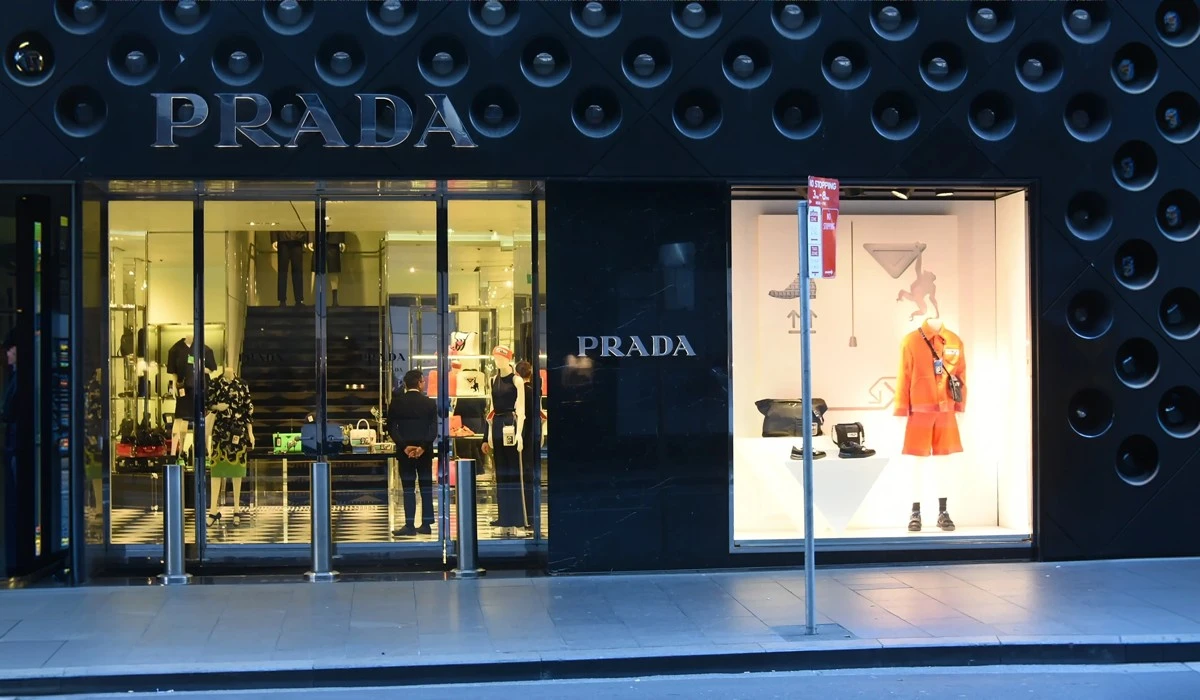
Image by- Sardaka, CC BY-SA 4.0, via Wikimedia Commons
Prada Kolhapuri Sandals Carry a Heavy Price
Digital outrage now functions as a chaotic research department for global luxury brands. When internet users scream about theft, smart corporations hear a demand for a new product line. A viral storm hit in June 2024 over uncredited footwear on a Milan runway. Critics shouted "appropriation," but the brand saw an opening to turn a PR nightmare into a high-value asset. Instead of apologizing and vanishing, the company flipped the script. They legitimized the controversy by signing a massive deal with the very people they allegedly copied. Now, Prada Kolhapuri sandals are coming to shelves, but the backstory is more complex than a simple collaboration. This shift proves that angry comments don't just damage reputations; they can actually draft business plans. The result is a fusion of Italian tech and Indian heritage that commands a staggering price tag.
The Origins of the Sandal Scandal
Silence on a runway speaks louder than a press release when it accidentally erases eight centuries of history. The trouble began quietly in June 2024. Models walked the runway in Milan wearing familiar footwear, but the show notes offered no credit. The internet noticed immediately. Users labeled the items as "Leather Footwear," but Indian critics recognized them instantly. Accusations of cultural appropriation flooded social media feeds.
The backlash transformed a standard fashion show into a global debate. The design clearly mimicked a style rooted in the 12th century. Prada eventually admitted the inspiration came from traditional Indian designs. This wasn't just a design slip-up; it was a collision between ancient heritage and the modern Prada Kolhapuri sandals narrative. The scandal ignited a fire that forced the brand to rethink its entire approach to the Indian market.
From Outrage to Official Partnership
A signed contract often serves as the most effective form of damage control. The brand moved quickly to correct the narrative. By 2025, the conversation shifted from theft to teamwork. Executives signed a Memorandum of Understanding (MOU) at the Italy-India Business Forum. This agreement formalized a direct partnership with state-backed entities like Sant Rohidas Leather Industries (LIDCOM) and Dr Babu Jagjivan Ram Leather Industries (LIDKAR).
The plan focuses on hybrid production. They intend to merge indigenous manufacturing capabilities with Italian technical standards. This move officially stamped the upcoming Prada Kolhapuri sandals with government approval. Spokespeople confirmed the firm is dedicated to honoring craftsmanship. They keep communication lines open with regional trade chambers to prevent future missteps.
Analyzing the $930 Price Tag
Value in the luxury market relies more on the story of exclusivity than the cost of raw materials. The financial gap between the original and the collaboration is massive. Local markets sell these traditional slippers for roughly $10. The new luxury version will retail for approximately $930 (84,000 INR). That is a stark markup.
The collection is strictly limited to 2,000 pairs. This scarcity drives the value up. Why are Prada Kolhapuri sandals so expensive? The high price covers artisan training, Italian manufacturing technology, and the exclusivity of the limited run. The brand aims to generate millions in revenue while positioning the product as a rare collectible. The pricing strategy targets the elite buyer who values the "Made in India" label when it comes with an Italian logo.
Inside the Artisan Training Program
Transferring skills usually means upgrading the workforce to fit a foreign supply chain. This deal involves more than just selling shoes. It requires a reshaping of the workforce. The project includes a comprehensive three-year artisan training program. About 200 selected craftsmen will receive specialized instruction.
Sanjay Shirsat confirmed these artisans will even spend a three-year tenure in Italy. The goal is to refine their skills to meet global luxury standards. Lorenzo Bertelli describes this as a fusion of craft and tech. They are effectively standardizing a folk art for a high-stakes international market. The Prada Kolhapuri sandals rely on this trained workforce to justify their premium status.

Image by- Melissa, CC BY-SA 2.0, via Wikimedia Commons
Strategic Timing and Market Expansion
Entering a booming market works best when you piggyback on a cultural icon. The decision to launch this product aligns with aggressive market data. India's luxury sector currently sits at $7 billion. Analysts project it will hit $30 billion by 2030. While competitors enter the region through conglomerates like Reliance or Birla, this Italian house chose an independent path.
They are using this product to anchor their presence. Piyush Goyal stated the vision is to export traditional sandals to a billion-dollar mark. When will the Prada Kolhapuri sandals launch? The commercial launch for the limited-edition line is scheduled for February 2026. This timing allows the brand to capitalize on rising demand. The collaboration serves as a key entry point into a rapidly wealthy demographic.
The Impact on Local Heritage
Global exposure often commodifies a tradition while claiming to rescue it. The collaboration brings mixed results for the original craft. The specific footwear style received Geographical Indication (GI) status in 2019. This tag protects its origins. Prerna Deshbhratar believes the luxury endorsement will trigger a "domino effect," raising demand for the craft overall.
Local vendors actually saw an immediate sales boost following the initial scandal. However, the contrast remains sharp. The Prada Kolhapuri sandals project offers wage increases for marginalized communities, but it also corporatizes their history. The firm insists it honors historic design, yet the profit margin heavily favors the Italian entity.
Navigating Digital Activism and Risk
Modern branding requires managing an audience that can audit your supply chain in real-time. The entire project highlights the power of online voices. With 462 million social media users in India, the brand had no place to hide. Bloomberg analysis suggests that online outrage forced this corporate pivot. The stock had already dipped 30% since February, creating pressure to recover.
Cultural fluency became essential for business survival. Did the scandal hurt Prada sales? The controversy initially caused reputational risk, but the pivot to collaboration aims to reverse that damage and drive future growth. The brand paused retail footprint expansion to focus on this strategic alignment. They are banking on the idea that a paid partnership silences the critics.
The Business of Apology
This situation rewrites the playbook for handling cultural crises. A simple apology does not suffice anymore. Companies now must invest in the communities they draw inspiration from. The Kolhapuri sandals represent a sophisticated response to a digital demand for accountability. By turning a critique into a contract, the brand secured its foothold in a booming economy. The artisans get training, the state gets exports, and the corporation gets a verified backstory for its high-priced inventory.
Recently Added
Categories
- Arts And Humanities
- Blog
- Business And Management
- Criminology
- Education
- Environment And Conservation
- Farming And Animal Care
- Geopolitics
- Lifestyle And Beauty
- Medicine And Science
- Mental Health
- Nutrition And Diet
- Religion And Spirituality
- Social Care And Health
- Sport And Fitness
- Technology
- Uncategorized
- Videos

