

Packaging Technology Fuels Your Eco Growth
Most business owners view a cardboard box as a necessary drain on their bank account. They buy the cheapest material possible and hope for the best. This choice actually kills their brand’s reputation before the customer even opens the lid. Modern Packaging Technology turns this cost into a growth engine. It aligns the product with the values of the modern buyer.
When a customer receives a package, they judge the brand by the waste left behind. Companies that ignore this reality lose market share to competitors who embrace biodegradable packaging materials. High-level compostable packaging design ensures that your brand leaves a positive impression, rather than a pile of plastic. This shift allows you to capture the attention of high-value shoppers while protecting the planet.
Today, Packaging Technology works as the primary engine for your revenue growth. It moves your brand beyond the "nice-to-have" category and places it squarely in the must-have territory for eco-conscious shoppers. Adopting these systems transforms your shipping department into a marketing powerhouse.
Scaling Profit with Modern Packaging Technology
Modern businesses now treat packaging as a profit center. As discussed in research hosted by PubMed, this approach is known as Packaging 4.0, where companies integrate "Cyber-Physical Systems" into their shipping lines to improve productivity. Research published in ScienceDirect explains that this technology utilizes mobile applications, IoT sensors, and blockchain verification to monitor a product’s carbon footprint in real-time. Showing customers the exact path of their purchase builds a level of trust that traditional brands cannot match.
Investing in these advanced systems reduces overall waste and streamlines the supply chain. AI implementation in packaging lines currently reduces manufacturing costs by 20–30%. It also cuts lead times by 25% through better demand forecasting. This high output allows you to scale your "eco growth" as a measurable KPI.
According to guidance from the UK government, shifting to advanced technology helps businesses avoid plastic packaging taxes, which apply to materials containing less than 30% recycled plastic. This report also notes that many regions now penalize brands that use virgin plastics. Shifting your investment into Packaging Technology secures a lower tax bracket. You also gain the ability to set premium prices. Customers frequently pay more for products that arrive in responsible containers.
The Science of Biodegradable Packaging Materials
To understand the raw materials of the future, one must look back at history. In 1897, German chemists invented Galalith, the first successful biodegradable plastic made from milk casein. While petroleum plastics dominated the 20th century, we are now returning to these organic roots. Today’s biodegradable packaging materials use sophisticated plant chemistry to replace oil-based films.
Bio-polymers and Plant-Based Resins
The industry currently relies on two heavy hitters: PLA and PHA. In 1926, Maurice Lemoigne first isolated PHA from bacteria. These microorganisms synthesize polymers as energy storage, which we then harvest for durable films. Meanwhile, PLA comes from fermented plant starch like corn or sugarcane. These materials behave differently under heat and pressure, requiring specific handling to maintain their shape.
Durability and Barrier Properties
Early versions of plant plastics were weak and brittle. Modern engineering has changed that. New bio-resins now rival traditional plastics in protecting moisture-sensitive products. They provide excellent oxygen barriers that keep food fresh. This durability ensures that your products survive the rigors of shipping without needing a single drop of petroleum-based plastic.
Is biodegradable packaging more expensive for small businesses? While initial material costs can be higher, many businesses offset this through reduced waste disposal fees and the ability to capture the 70% of consumers willing to pay a premium for sustainable goods. Brands find that the increased customer loyalty pays for the material upgrade within the first year.
Proficiency in Compostable Packaging Design Principles
A successful compostable packaging design requires more than just a green label. It demands a full understanding of how different components interact at the end of their life. You must consider every layer, from the outer film to the adhesive that holds it together. If one part stays in the soil, the whole package fails the sustainability test.
The Vital Nature of Non-Toxic Inks and Adhesives
Standard printing inks often contain heavy metals that poison the soil. To avoid this, designers use soy-based or water-based inks. These alternatives break down safely without leaving toxic residues behind. Similarly, the adhesives must be compostable. If you use a permanent plastic glue on a compostable bag, you create a microplastic problem in the compost pile.
Engineering for Industrial vs. Home Composting
Not all compostable items are equal. Industrial composting facilities use high heat—above 60°C—to break down materials like standard PLA. Home compost piles stay much cooler. A truly effective compostable packaging design specifies where the product should go. As noted in a report by European Bioplastics, home-compostable certifications require materials to achieve at least 90% degradation within a 12-month period at ambient temperatures.
How Packaging Technology Lowers Long-Term Overheads
Innovation in Packaging Technology helps the environment and actively lowers your long-term operating costs. Smart tech allows for "lightweighting," which means using less material to achieve the same strength. When you use less material, you pay less for shipping and storage.
Automation in Eco-Friendly Fulfillment
Newer machines handle biodegradable packaging materials with extreme precision. These machines adapt to the unique textures and melting points of plant-based films. Automation reduces human error and speeds up the packing process. Integrating these machines increases your daily output while maintaining your commitment to the planet.
Can you compost bio-packaging at home safely? Information from Ecoware suggests that while many materials need the high heat of industrial facilities, specifically certified home-compostable designs are able to disintegrate in a backyard bin within 180 days. Research available through PMC mentions that the TUV Austria "OK Compost Home" seal verifies this capability based on specific certification schemes. This certification gives your customers the green light to use their own garden bins.
Building Consumer Trust Through Transparent Labeling
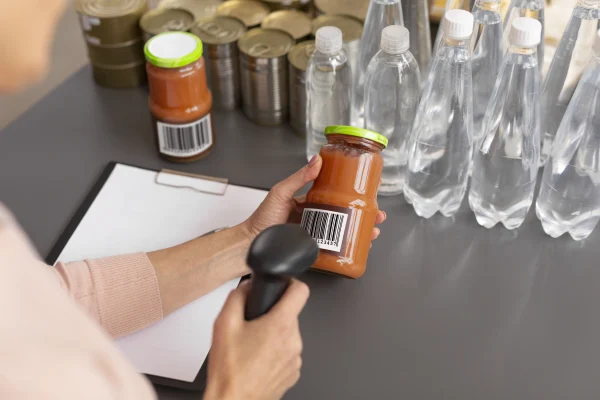
Transparency prevents the "greenwashing" trap that ruins brand reputations. Use clear certifications like BPI or TUV as a badge of honor on your compostable packaging design. These labels prove that your claims are backed by rigorous scientific testing. They tell the customer exactly what to expect from the material.
Educating the End User
Your package must act as an instructor. Provide clear, simple disposal instructions on the box itself. If the customer doesn't know where to put the package, your sustainability efforts go to waste. Use icons to show whether the item belongs in a recycling bin, a compost pile, or an industrial facility. This clarity builds a deeper bond with your buyer.
Navigating the Regulatory Environment of Green Tech
Government regulations are moving faster than ever. A statement from the UK government indicates that starting in 2026, the Extended Producer Responsibility scheme will raise fees for brands using non-recyclable plastics. The report clarifies that materials deemed less sustainable will incur higher costs per tonne, particularly those with a Red rating. Similarly, California’s SB 1053 has effectively banned all plastic shopping bags. Adopting advanced Packaging Technology today protects your business from these sudden legal changes.
What is the shelf life of compostable bags? When stored in a cool, dry environment, most compostable films remain shelf-stable for 10 to 12 months before their structural integrity begins to naturally diminish. This means you should manage your inventory to ensure you use your stock while it is at peak strength. Proper storage prevents premature degradation of your biodegradable packaging materials.
Future Trends in Packaging Technology and Circularity
The next wave of Packaging Technology involves "active" materials. A study in ScienceDirect highlights that certain films incorporate 3 wt% active agents as ethylene scavengers to pull ripening gases away from fruit. This can increase the shelf life of produce, such as avocados, to 20 days without extra preservatives. According to a strategy paper from NITI Aayog, seaweed-based packaging is becoming more common, as mariculture seaweed can sequester approximately 57.64 metric tons of carbon per hectare annually during its growth.
Smart sensors will soon become standard in high-end shipping. These sensors tell the customer if a product stayed at the right temperature or if someone tampered with the box. Combining these sensors with biodegradable packaging materials provides a high-tech experience that is also completely earth-friendly. This combination represents the peak of modern shipping productivity.
The Future of Your Brand Rests on Packaging Technology
The choice to upgrade your Packaging Technology determines your brand's longevity. Consumers no longer accept plastic waste as an unavoidable part of shopping. They expect brands to lead the way with a smart, compostable packaging design that disappears after use. This shift serves as your greatest opportunity for market expansion, rather than a burden.
Investing in Packaging Technology builds a brand that people feel good about supporting. You turn every shipment into a statement of quality and responsibility. This approach secures your profit margins and ensures your business thrives in an eco-conscious market. Focus on the materials of tomorrow to fuel your growth today.
Recently Added
Categories
- Arts And Humanities
- Blog
- Business And Management
- Criminology
- Education
- Environment And Conservation
- Farming And Animal Care
- Geopolitics
- Lifestyle And Beauty
- Medicine And Science
- Mental Health
- Nutrition And Diet
- Religion And Spirituality
- Social Care And Health
- Sport And Fitness
- Technology
- Uncategorized
- Videos

