
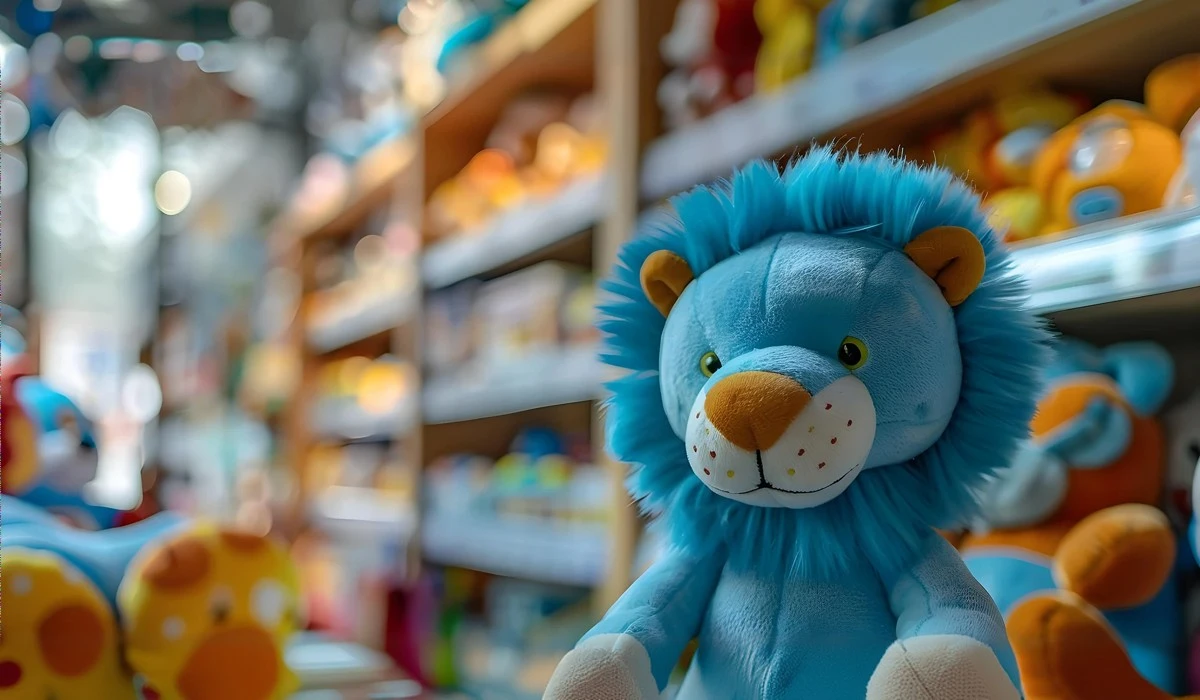
Jellycat Economy: A High Stakes World
Buying a stuffed animal with a smiling face is no longer a sign of immaturity; it is a calculated response to a world that feels increasingly cold, expensive, and lonely. Adults seek a specific type of emotional buffer that traditional luxury goods fail to provide instead of reverting to childhood. This shift from plaything to emotional tool has transformed a quirky London brand into a financial powerhouse that defies every logic of the current retail market.
The Jellycat brand has managed to turn softness into a hard currency. While most people see a plush toy, the market sees a high-performing asset that thrives when the rest of the economy falters. This success is not an accident of nostalgia. It is the result of a deliberate move away from the nursery and toward the office desks and designer handbags of adults who are tired of the daily grind. The company focuses on "Kidults" and has tapped into a demographic that has more money to spend and more stress to manage than any toddler ever could. This article explores how a brand founded on "happiness" became an expert in scarcity, global expansion, and cultural relevance.
The Financial Power of the Jellycat Phenomenon
While traditional toy companies struggle to stay afloat, a brand selling smiling toast is doubling its profits by ignoring the playground entirely. The numbers tell a story of explosive growth that seems almost impossible in today's climate. According to latest Companies House filings reported by Business Matters, in 2024, revenue hit a staggering £333 million ($459 million), which represents a 66% increase in just one year. Data from Circana, published by the Toy Foundation, indicates this happened while the global toy market actually saw a decline of nearly 1%.
The contrast is sharp. While parents are buying fewer toys for their children, the collectible toy sector grew by 5% in the same period. The Business Matters report also highlights that the company's pre-tax profit doubled from £67 million to £139 million in 2024. According to additional details in that report and Bloomberg LEI records, this financial peak allowed for a massive £110 million dividend payment to its holding company in Jersey. What makes Jellycat toys so popular? These items combine high-end industrial design with a relatable sense of humor that makes them feel like a luxury accessory rather than a child's plaything. This positioning allows them to charge premium prices for products that cost relatively little to produce compared to high-tech gadgets or fashion.
From Nursery Decor to High-Fashion Accessories
The product shifts from a child's plaything to a social signal for the stressed-out elite when a handbag is turned into a stuffed croissant. When the Gatacre brothers founded the company in London in 1999, they felt the market was boring. William Gatacre noted that toys at the time looked more like taxidermy—monotonous and lacking any real vitality. They wanted something different. They wanted toys that felt alive and "amusing."
By 2018, the launch of the "Amuseables" line changed everything. This collection moved away from standard animals and started putting faces on inanimate objects like coffee cups, plants, and sushi. Suddenly, these items were popping up in high-end retailers like Harrods and Galeries Lafayette. They weren't just in the toy aisle anymore. They were being sold alongside designer shoes and expensive perfumes. This shift was supported by a massive design push. In 2023 alone, the company filed 255 industrial design applications. This ranked them 8th globally for such filings, proving that they treat their plush shapes as serious intellectual property.
Why Kidults Drive the Jellycat Global Toy Market
Brands no longer care about birth rates when they can sell emotional stability to thirty-year-olds with disposable income. The "Kidult" demographic—consisting of Gen-Z and Millennials—has become the primary engine of growth. These adults are using plush toys for emotional regulation. Are Jellycat toys worth the money? Many collectors believe so because the toys offer a sense of comfort and a way to manage moods during difficult times, which provides value far beyond the physical materials.
Take the case of a collector named Stella. She owns over 120 toys, a collection valued at roughly 36,000 yuan ($5,145). For Stella, these toys are not about playing. They are about managing the difficult hardships of her mature years. She describes them as tools for "unsharable troubles." Daily existence is already strenuous, so having a soft, smiling object provides a low-stakes way to feel better. This is a far cry from the traditional use of toys. The brand has moved from being a nursery staple to being a form of "low-cost luxury." It is an affordable alternative to an expensive designer bag that still offers the same social "cool" factor.
The Strategic Scarcity of Amuseables
The company forces shoppers to treat stuffed animals like a volatile stock market when they end popular designs before demand peaks. This is often called "hunger marketing." The company regularly retires specific models, creating a sense of urgency. If you don't buy that specific sourdough bread plush now, it might be gone forever. This strategy has fueled a massive secondary market where rare or retired models can sell for over $1,400.
This scarcity creates a cycle of constant searching. Why are adults buying stuffed animals? Many adults find that collecting these items provides a sense of achievement and community in an increasingly digital and isolated world. However, this high demand has a dark side. The Guardian reports that the brand’s wholesome image is currently being tested by a "crime wave" of thefts, where people are stealing these plush toys specifically to flip them for a profit on the secondary market. Even with these risks, the company continues to lean into limited editions. They even create regional-specific products, such as fish and chips in London or teapots in China, to make certain items feel even more exclusive to specific locations.

China’s Role in the Soft Toy Revolution
Young people feel stuck in the current job market, so a soft toy becomes a small, affordable piece of the luxury life they were promised. The expansion into China began with foundations in 2015, but it exploded during the pandemic period. Research from Daxue Consulting suggests that by 2024, e-commerce sales in China reached an estimated £117 million. As noted in a Reuters report, this growth is happening against a backdrop of over 17% youth unemployment in the country.
For young people in China, these toys represent a visual form of their own feelings. Marketing professionals like Wendy Hui have observed that modified plushies are being used to express "Monday exhaustion" or fatigue from overwork. A toy that looks tired or "burnt out" resonates deeply with a generation that feels the same way. The brand has successfully localized its appeal by tapping into this cultural sentiment. The brand sells a mascot for a specific lifestyle rather than just a toy. This has led to massive social media engagement, with billions of views on platforms like TikTok and millions of likes that turn every new release into a viral event.
The Rise of the Experience Economy and Pop-ups
People will wait hours in line for a "fake" diner experience just to watch a plush toy get wrapped like a gourmet sandwich. The brand has realized that selling a product is not enough; they have to sell an experience. They have hosted major pop-up events, such as a "dining" experience at the Boston ICA for their 25th anniversary. At these events, employees act like chefs or waiters, carefully "preparing" the plush toys as if they were food.
This performance adds a layer of value that a simple shelf-purchase cannot match. It turns the act of buying into a social media moment. People film the "cooking" process and share it online, providing the company with free marketing. This approach shifts the focus from the toy itself to the memory of getting it. Ironically, while the company creates these high-energy, wholesome public events, its corporate structure is quite complicated. With offices in London and Minneapolis and a holding company in Jersey, the brand operates like a major global corporation while maintaining the "cute" image of a small boutique.
The Corporate Shift and the Secondary Market
As small shops get cut out of the supply chain, a shadow economy of high-priced resales and theft begins to take over. Success often requires making difficult choices about how a brand is perceived. For years, the company relied on a network of 8,000 independent shops worldwide. These small boutiques helped build the brand’s reputation for being "findable" but special. However, a report by STV News explains that in 2025, the company began terminating supply to many of these UK independent stockists.
This move suggests a shift toward more centralized control and higher-end retail partnerships. The company maintains its premium status and ensures specific customer interactions when they limit where the toys can be bought. Meanwhile, this shift has only increased the intensity of the secondary market. When people can no longer find their favorite "Amuseable" at the local shop, they turn to online resellers who mark up the prices significantly. This tension between being a globally dominant brand and maintaining a "wholesome" feel is the core challenge the company faces as it enters its next quarter-century. CEO Meysselle has stated that this growth brings feelings of humility, but the commitment to "character development" remains the priority.
A New Period of Emotional Commerce
The rise of the Jellycat empire proves that the modern consumer is looking for something beyond a functional object. In a period of high anxiety and economic uncertainty, a soft toy provides a tangible form of relief that is both playful and sophisticated. The brand has perfected the art of making adults feel seen by creating products that mirror their exhaustion, their humor, and their need for comfort.
The company has built a system that thrives regardless of birth rates or traditional toy trends through the balance of high-end industrial design with clever marketing and strategic scarcity. They have transformed the humble stuffed animal into a global currency of happiness. Whether through a viral pop-up diner or a retired "Amuseable" selling for a fortune online, the brand continues to redefine what it means to be a "toy" in the 21st century. Ultimately, the success of these soft toys is a reminder that no matter how old we get, we never quite outgrow the need for something soft to hold onto when the world gets too loud.
Recently Added
Categories
- Arts And Humanities
- Blog
- Business And Management
- Criminology
- Education
- Environment And Conservation
- Farming And Animal Care
- Geopolitics
- Lifestyle And Beauty
- Medicine And Science
- Mental Health
- Nutrition And Diet
- Religion And Spirituality
- Social Care And Health
- Sport And Fitness
- Technology
- Uncategorized
- Videos

