
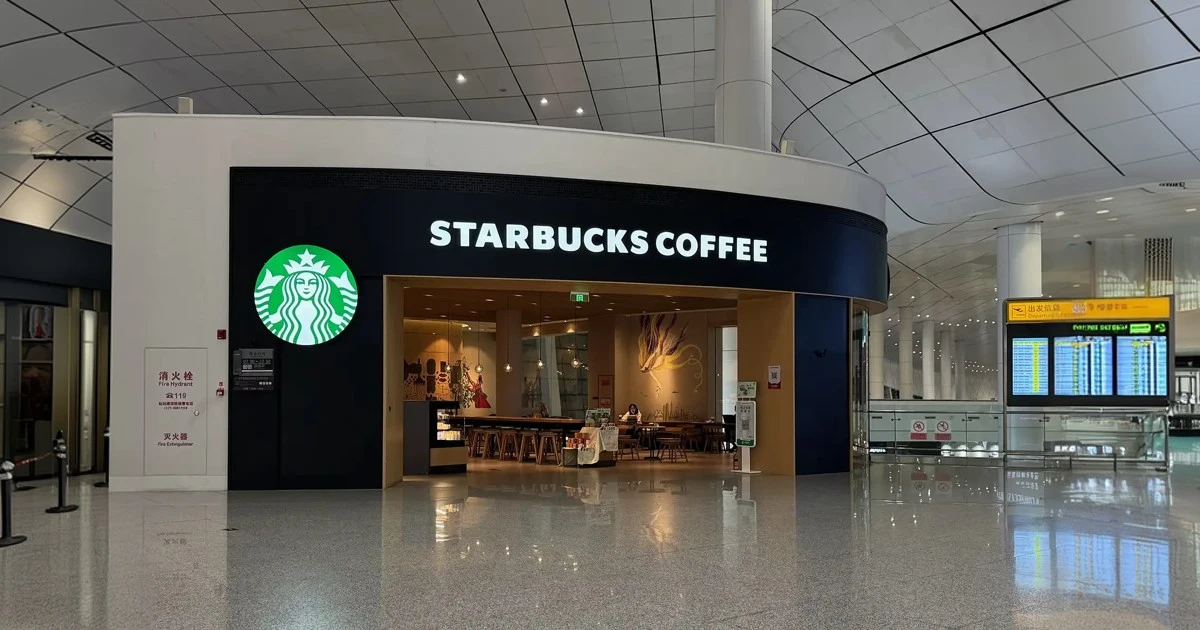
Image Credit - By Windmemories, Wikimedia Commons
Inside The Huge $2 Billion Plan For Starbucks
When a coffee giant focuses entirely on spreadsheets, it forgets how to make people feel welcome. Starbucks spent years optimizing every second of the brewing process, yet somehow, the customer experience shattered. Reuters reports that the financial stress resulting from service issues became evident when shares fell 6.5% in extended trading, as long wait times and stressed employees replaced the relaxing coffeehouse vibe. Now, CEO Brian Niccol is reversing the flow. He is betting that slowing down the pace will actually speed up the recovery. This is the core of the new Starbucks turnaround strategy.
The plan extends far beyond a simple menu update or a marketing blitz. Niccol is dismantling the assembly-line culture that took over the brand. For years, the company chased maximum efficiency, treating baristas like factory workers and customers like order numbers. This approach boosted short-term profits but eroded the brand's foundation. Now, the leadership is pivoting back to the "Third Place" concept—a spot existing separately from the pressures of work and home.
The stakes for this pivot are incredibly high. The company is pouring millions into staffing and renovations while promising investors massive cost savings. It is a financial tightrope walk. If the plan works, Starbucks reclaims its soul and its stock price. If it fails, the company risks becoming just another fast-food chain. The Starbucks turnaround strategy is officially in motion, and the entire retail world is watching.
The Return to the "Third Place"
Efficiency creates profit, but sterilization kills loyalty. Starbucks forgot that people pay a premium for connection, not just caffeine. Brian Niccol realized the brand had lost its identity by focusing too much on averages and data points. The new directive is clear: stop acting like a transaction hub and start acting like a community gathering spot.
Reviving the Coffeehouse Vibe
Niccol has openly criticized the company’s previous obsession with speed at the expense of culture. He noted that the focus on "spreadsheets" led to a sterile environment where the warmth of the coffeehouse vanished. To fix this, Fortune notes that Niccol is reintroducing ceramic mugs and handwritten notes to elevate the experience for customers who choose to stay. This seems like a small detail, but it forces a moment of human interaction. A barista cannot treat a customer like a number when they have to ask for a name and write it down. Business Insider cites a memo stating that these handwritten notes serve as a simple action to build meaningful moments of connection.
Renovating for Comfort
The physical spaces are getting a massive overhaul. The company plans to spend $150,000 per store on renovations. This "uplift" program will take four years to complete. The goal is to make these spaces comfortable enough for people to stay, work, and socialize again. Niccol believes that physical cafes are vital for social gathering. The brand value links directly to safety and a welcoming atmosphere, rather than relying solely on the speed of the drive-thru.
Financial Stakes and Investor Anxiety
Spending money to save money usually scares Wall Street, and this time is no different. The company plans to realize $2 billion in cost savings, but they are spending heavily to get there. This creates immediate friction between the long-term vision and short-term investor expectations.
The Cost of Change
Investors reacted nervously to the initial reports. The stock dropped 5% after the earnings report, signaling doubt about the heavy spending. The Starbucks turnaround strategy requires patience that the market rarely possesses. The plan involves a $500m (£363m) investment specifically for staffing. This money aims to stabilize the workforce, but it hits the bottom line immediately.
Growth vs. Margins
Niccol remains confident that sales growth will solve the profit margin issues. He argues that cutting costs without fixing the customer experience is a death spiral. Investing in the stores now creates the expectation that traffic will return. According to a Starbucks Investor Day transcript, the company identified $2 billion in savings over a two-year period, creating tension with the main three-year target. The primary conflict lies here: investors want immediate returns, while Niccol is building for a four-year horizon.
Technology as a Background Support
Robots usually replace humans, but Starbucks is using them to force employees to talk more. The company is deploying advanced artificial intelligence, but the goal is to keep the tech in the background. The leadership wants technology to handle the boring tasks so baristas can focus on the customers.

Smarter Kitchens
New tools like "Green Dot Assist" and "SmartQ" are entering the kitchens. Green Dot Assist acts as an AI assistant for recipes and equipment repair. It removes the mental load from staff who previously had to memorize complicated modifications or fumble with manuals. SmartQ is an order sequencing system that manages traffic from the café, drive-thru, and mobile apps.
Reducing Friction
The pilot programs for these algorithms reduced wait times by two minutes, according to the Wall Street Journal. This is a massive victory in the world of fast retail. Many people wonder about the specific role of this tech. How does Starbucks use AI? The company uses systems like SmartQ to organize orders and Green Dot Assist to help baristas with recipes, ensuring staff spend less time managing queues and more time with customers. Handing the logistics over to the software allows the staff to reclaim the mental bandwidth needed to be friendly. Niccol insists there is no conflict between AI and the personal touch. The tech exists to remove friction, not the person.
The 4-Minute Operational Goal
Speed limits usually slow traffic down, but a strict time cap forces a kitchen to become smarter. The operational goal is now to complete orders in less than four minutes. To achieve this, the company must simplify everything else. The Wall Street Journal reports that recent tests showed three-quarters of orders were completed in four minutes or less, nearing the goal.
Menu Simplification
Complicated menus slow down production lines. The Starbucks turnaround strategy includes trimming the menu to ensure baristas can meet the new speed targets. A smaller menu means fewer ingredients to prep and less confusion at the espresso machine. This change directly supports the four-minute goal.
Staffing Realities
You cannot speed up a kitchen if it is understaffed. The $500m investment aims to put more people behind the counter. However, there is tension here. Baristas have given feedback that handwriting names slows down the workflow during understaffed shifts. This highlights the delicate balance Niccol must strike. He wants the human touch of the Sharpie, but he needs the speed of the assembly line. The success of the four-minute goal depends entirely on having enough hands on deck to handle the extra steps.
The US Market Dominance
Ignoring your own backyard to conquer the world creates a sinkhole in your revenue. The United States contributes approximately 70% of total revenue for the company. If the US market fails, the global brand collapses.
First Signs of Success
The strategy is showing early pulses of life. For the first time in two years, the company reported a sales increase in established US stores. Insider Finance highlights that US transactions grew 3.0%, marking the first positive growth in eight quarters. This recent week of positive data validates Niccol's heavy-handed approach.
Securing the Base
The focus on US stores is deliberate. Niccol knows he cannot expand successfully if the core business is bleeding. The Starbucks turnaround strategy prioritizes fixing the domestic operations before pushing harder abroad. Stabilizing the 70% revenue source creates a safety net for its international ambitions.
Staffing, Unions, and Wages
You cannot build a premium brand on the backs of exhausted, underpaid workers. The gap between executive pay and barista wages creates internal tension that threatens the culture Niccol wants to build.
The Wage Gap
Brian Niccol’s compensation package for 2024 sits at $97 million. In contrast, the average employee earnings are $17,300. This massive disparity fuels skepticism among the workforce. While the CEO implements "hard-edged" policies regarding uniforms and bathroom rules, the staff is asking for better financial security.
Union Relations
Niccol has expressed an openness to Union discussions. He stated a requirement for a sustainable agreement. This is a shift from the purely combative stance of previous years. A happy workforce is essential for the "Third Place" atmosphere. You cannot mandate a welcoming vibe; the staff must genuinely feel it. What changes is Brian Niccol making? He is investing in staffing, simplifying menus, bringing back handwritten names, and opening the door to Union talks to improve the employee experience.
Global Expansion Plans
Expanding a broken model just multiplies the cracks, so the domestic fix must happen first. Despite the intense focus on the US, the long-term view includes massive international growth.
The 40,000 Store Target
The company aims to open approximately 40,000 stores overseas. This ambitious target depends on the success of the current turnaround. If the new operational model works in the US, it becomes the blueprint for global dominance.
Exporting the Culture
Industry analysis suggests the stakes are incredibly high. Success here provides a roadmap for other brands, while failure risks a total loss of staff and customers. The goal is to export the "Third Place" culture, not just the logo. This means the operational changes happening now in Chicago and New York will eventually dictate how coffee is served in Tokyo and London.
From Factory to Coffeehouse
The Starbucks turnaround strategy is a massive correction of a decade-long drift. Brian Niccol is betting that the path to profit leads directly through human connection. He is dismantling the friction that turned cafes into factories and using technology to support the barista instead of replacing them. The early numbers look promising. Is the Starbucks turnaround working? Yes, sales in established US stores increased recently for the first time in two years, signaling that customers are responding well to the changes.
The company is still navigating the friction between investor demands and the need for long-term cultural repair. The $2 billion cost savings goal looms large, and the workforce remains wary of the wage gap. Yet, the return to handwritten names and comfortable chairs signals a structural shift. Starbucks is finished with being a coffee factory. It is fighting to be a coffeehouse again. The success of this strategy will depend on whether they can execute the human details as perfectly as they once executed the spreadsheets.
Recently Added
Categories
- Arts And Humanities
- Blog
- Business And Management
- Criminology
- Education
- Environment And Conservation
- Farming And Animal Care
- Geopolitics
- Lifestyle And Beauty
- Medicine And Science
- Mental Health
- Nutrition And Diet
- Religion And Spirituality
- Social Care And Health
- Sport And Fitness
- Technology
- Uncategorized
- Videos

