
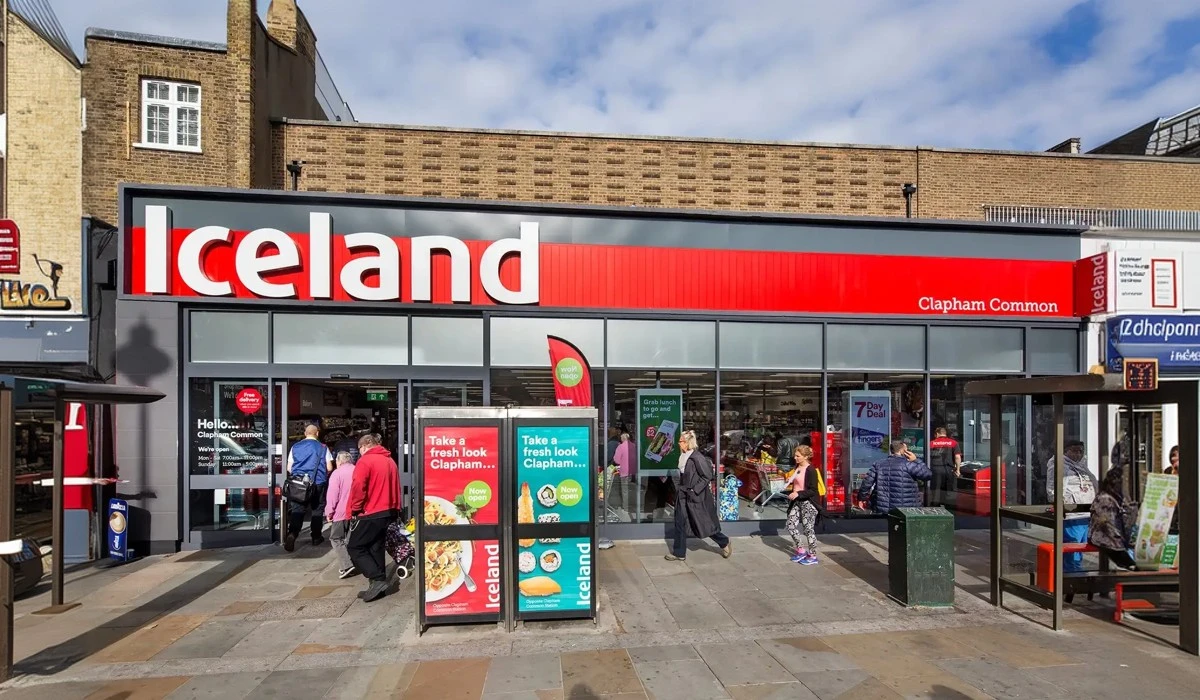
Image Credit - by Adcro, CC BY-SA 4.0, via Wikimedia Commons
Iceland Trademark Dispute: What Happened
A massive corporation spent years fighting to own the name of an entire sovereign country, only to realize the legal system strictly prevents private monopolies on geography. This aggressive corporate land grab backfired spectacularly over a decade of litigation. The Iceland trademark dispute reveals how global intellectual property rules prioritize public language access over aggressive corporate branding strategies.
A prominent UK supermarket chain steadily grew into a massive retail empire. Leadership eventually navigated a long bureaucratic maze to secure official European rights to the nation’s exact moniker. This bold legal maneuver gave the grocery chain exclusive control over a word millions of people use daily.
The Nordic nation ultimately fought back to reclaim its own sovereign identity. The ensuing courtroom clash exposed a critical flaw in the retailer’s strategy. As highlighted by Courthouse News regarding EU trademark law, corporations cannot indefinitely restrict entire geographic names from universal commercial usage, since purely descriptive location terms are generally barred from registration. The complete legal breakdown cost the company its exclusive rights and permanently reshaped the rules of national branding.
The Origins of the Iceland Trademark Dispute
Securing exclusive rights to a nation’s name requires a decades-long administrative process that actively overrides historical reality. Founders Malcolm Walker and Peter Hinchcliffe launched the UK supermarket chain in 1970. Their localized grocery business scaled rapidly across the retail market. According to a report by SEDaily, the storied enterprise officially debuted on the London Stock Exchange by 1984, marking its rapid transformation into a major corporate player.
A year later, Tarsem Dhaliwal arrived as a trainee accountant, beginning a long climb to the highest levels of executive leadership. The company initiated a highly ambitious administrative move in 2002. They formally applied for official European intellectual property rights over the word "Iceland." Bureaucratic delays dragged the application process out for twelve years. Data from the European Union Intellectual Property Office, cited by CNBC, indicates that officials finally granted the official European trademark registration in 2014.
A Growing Hospitality Empire
Corporate structures shifted significantly while the trademark application sat in administrative limbo. A massive £1.45 billion management buyout occurred in 2012. Leaders subsequently rebranded the entire corporate entity to The Big Food Group. This rapid expansion gave the grocery brand immense market power and massive financial advantage.
They controlled over 900 company-owned stores. Their operational reach extended far beyond standard frozen food aisles. The company acquired a broader hospitality portfolio, including the Individual Restaurants group. This specific subsidiary actively operates popular dining chains like Piccolino and the Restaurant Bar & Grill. This expanding empire relied heavily on maintaining absolute control over its geographic brand name to protect its diverse assets.
Starting the Legal Clash Over Geography
Aggressive corporate defense strategies frequently provoke the exact government retaliation executives try to prevent. The supermarket chain initiated hostile legal action in 2015 against a promotional campaign called 'Inspired by Iceland' run by Business Iceland. This heavy-handed move sparked a massive international backlash. The Nordic nation, established in 874 AD, struck back the very next year.
According to CNBC, government officials launched a formal legal challenge in 2016 to completely invalidate the grocery store's exclusive rights, arguing that the trademark obstructed Icelandic companies from using their own country's name to represent their products. The two opposing sides presented conflicting narratives regarding the true start of the conflict. Supermarket executives publicly claimed the government launched an unprovoked attack against their legitimate business assets. Meanwhile, legal documents suggest the nation’s lawsuit served as direct retaliation for the grocery chain's aggressive 2015 interference.
Corporate Statements and Public Confusion
Shoppers often wonder about the specific catalyst for this bizarre conflict. What caused the Iceland trademark dispute? The legal battle started because a UK grocery chain tried to stop the actual country of Iceland from using its own name in a marketing campaign, prompting the nation's government to sue for trademark cancellation. This severe legal retaliation caught the supermarket completely off guard.
The grocery company released a formal public statement in 2016 expressing deep sorrow over the country’s chosen legal path. Corporate spokespeople claimed shoppers experienced zero public confusion between a frozen food store and a Nordic island. They accused government officials of making entirely unreasonable demands during preliminary settlement discussions.
The Core Legal Argument Behind the Iceland Trademark Dispute
International intellectual property law heavily penalizes companies attempting to hoard universal vocabulary. The Nordic government built its entire courtroom case around the public availability mandate. This established legal standard aggressively protects geographical names. The mandate ensures all businesses can use location-based words freely in standard commerce.
Foreign minister Guðlaugur Þór Þórðarson highlighted the absurdity of a foreign corporation holding a legal monopoly over a sovereign nation's exact moniker. Judges relied heavily on highly specific legal precedents to evaluate the case. They cited Article 7(1)(c) of the European Union Trade Mark Regulation as their primary guiding text.
Establishing Legal Boundaries
The legal teams also referenced the famous Windsurfing Chiemsee ruling. This specific precedent established the modern foundation for invalidating corporate trademarks based entirely on geographical descriptiveness. These strict rules prevent single corporate entities from locking down location-based words for exclusive financial gain.
The grocery giant did manage to find some powerful corporate allies during the brutal fight. The International Trademark Association provided official third-party support for the supermarket's defense. These corporate advocates argued fiercely for strong brand protection and private intellectual property rights. Ultimately, as noted in The Spokesman-Review, the EU's General Court concluded that the public could be misled, meaning European courts prioritized the universal commercial usage of geographic locations over private corporate ownership to ensure they remain available for public use. Guðlaugur Þór Þórðarson found the eventual victory completely predictable, criticizing the sheer audacity of the grocery chain's initial legal claims.
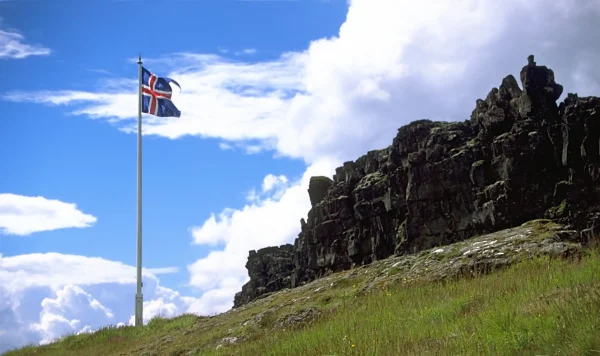
Image Credit by - Andreas Tille, CC BY-SA 4.0, via Wikimedia Commons
Corporate Restructuring Amidst the Legal Storm
Executive leadership changes often mask deep vulnerabilities within a company's long-term strategic assets. Behind the scenes of the intense courtroom battles, the supermarket underwent massive internal shifts to protect its wealth. Malcolm Walker and Tarsem Dhaliwal completed a total acquisition of all remaining Brait shares in June 2020. This complicated financial maneuver consolidated absolute ownership back into the hands of the original leadership circle.
The retail company then executed a major leadership change in 2023. Richard Walker stepped up to command the retail empire. He faced the immediate challenge of navigating the ongoing Iceland trademark dispute. Walker actively sought to establish better relations with the Nordic region despite the bitter legal war occurring in European courts.
Building Commercial Bridges
The supermarket chain formally created a Nordic distribution partnership called ICE JV EHF in 2024. This strategic partnership aimed to build profitable commercial bridges across borders. The core brand vulnerability remained a massive threat to the company's bottom line.
Executives realized their massive 900-store footprint relied heavily on a trademark they were rapidly losing the legal power to enforce. They needed to prepare aggressively for a future without exclusive European naming rights. Creating the ICE JV EHF partnership served as a necessary backup plan to ensure continued operational stability in the region.
The Final Defeats in the Iceland Trademark Dispute
Bureaucratic court systems slowly drain corporate resources until executives face total submission. The supermarket suffered a devastating final blow in July 2025 at the EU general court. Judges firmly upheld the complete cancellation of the original trademark registration. This aggressive ruling stripped away the legal protections the retail company had relied on for over a decade.
Reports show a minor technical contradiction regarding the exact timeline of the final legal ruling. Primary corporate sources officially list the final loss in 2025. Conversely, some supporting historical data places the third major defeat in 2026. Regardless of the exact paperwork date, the company endured three consecutive legal defeats overall.
Admitting Total Defeat
These compounding courtroom losses made further corporate appeals completely unviable. Many legal observers naturally ask about the ultimate victor of the saga. Who won the Iceland trademark case? The Nordic nation officially won the dispute when European courts cancelled the supermarket's trademark registration, forcing the company to abandon all further legal appeals.
Richard Walker announced the complete abandonment of the legal dispute on a Wednesday in March 2026. He publicly admitted total surrender. Walker firmly closed the book on a uniquely bizarre corporate legal battle that consumed massive amounts of executive time. According to a statement from the Government of Iceland, the legal cancellation finalized the permanent return of the word to the public domain, confirming that the retail chain can no longer stop Icelandic businesses from identifying their EU goods by their country of origin.
Reallocating Funds After the Legal Collapse
Redirecting failed legal budgets into public relations stunts offers a highly effective method to salvage a bruised corporate reputation. After accepting their total defeat, the supermarket chain needed to actively manage the public fallout. They held exactly £200,000 in strict reserve for a final, desperate legal appeal. Richard Walker decided to completely scrap the expensive litigation strategy.
He announced a unique shopper compensation plan instead to capture positive media attention. The company systematically converted that remaining couple of hundred grand into a specialized voucher scheme. Walker issued a highly publicized personal guarantee regarding the allocation of the funds. He promised to distribute the money directly to Nordic citizens visiting the company's UK stores.
Ending the Financial Drain
This clever financial reallocation transformed a massive legal failure into a surprising gesture of international goodwill. Consumers frequently question the true financial impact of these corporate apologies. How much did the Iceland trademark lawsuit cost? While the exact total legal bills remain strictly private, the supermarket notably converted its final £200,000 appeal budget into a compensation voucher scheme for Nordic shoppers.
This highly calculated gesture officially ended the massive financial drain of the European courtroom battles. It allowed the retail giant to refocus completely on selling groceries rather than paying international corporate lawyers. The voucher scheme served as a final white flag to the Nordic government.
The Future Threat of Parallel Merchandise
Losing exclusive naming rights leaves a massive retail footprint completely exposed to aggressive domestic market competitors. The formal cancellation of the trademark completely eliminated the grocery chain's long-held monopoly over the word. This legal shift created an immediate, glaring brand vulnerability. Competing businesses can now legally adopt the exact same national moniker for their own storefronts or inventory shipments.
Richard Walker expressed deep, public unease regarding this newly opened market reality. He openly fears rival UK supermarkets might launch aggressive parallel merchandise branding using the exact geographical name. Competitors could easily introduce specialized frozen fish lines or winter apparel using the very word the retail giant spent decades heavily promoting.
Refusing to Rebrand
Despite these massive looming threats, corporate leadership remains remarkably firm on their physical market presence. Walker aggressively confirmed there is zero necessity for total corporate rebranding. The company fully intends to keep the famous name prominently displayed across its 900 physical locations.
They must now operate daily in a highly crowded commercial environment. The company completely lacks the protective shield of European intellectual property law. Their future success depends entirely on customer loyalty rather than legally enforced brand monopolies. Rivals hold the legal right to attack their market share using the exact same geographic terminology.
The Legacy of a Geographic Land Grab
Attempting to privatize the basic vocabulary of the map guarantees a brutal collision with international law. The supermarket chain spent immense corporate wealth trying to fence off a word that rightfully belongs to global history. Their highly aggressive legal posture ultimately pushed a sovereign nation to fiercely defend its core identity. The resulting courtroom clash established a permanent, undeniable boundary line between private corporate branding and public language access.
The definitive end of the Iceland trademark dispute proves geographical names remain fully immune to permanent corporate capture. Retailers can easily borrow these powerful words for their storefronts, but they can never truly own them. This bizarre legal saga serves as a permanent, glaring warning to highly ambitious retail brands. You can sell massive quantities of frozen food, but you cannot buy an entire country's name.
Recently Added
Categories
- Arts And Humanities
- Blog
- Business And Management
- Criminology
- Education
- Environment And Conservation
- Farming And Animal Care
- Geopolitics
- Lifestyle And Beauty
- Medicine And Science
- Mental Health
- Nutrition And Diet
- Religion And Spirituality
- Social Care And Health
- Sport And Fitness
- Technology
- Uncategorized
- Videos

