
Fashion Merchandising: Stop Stagnant Sales Now
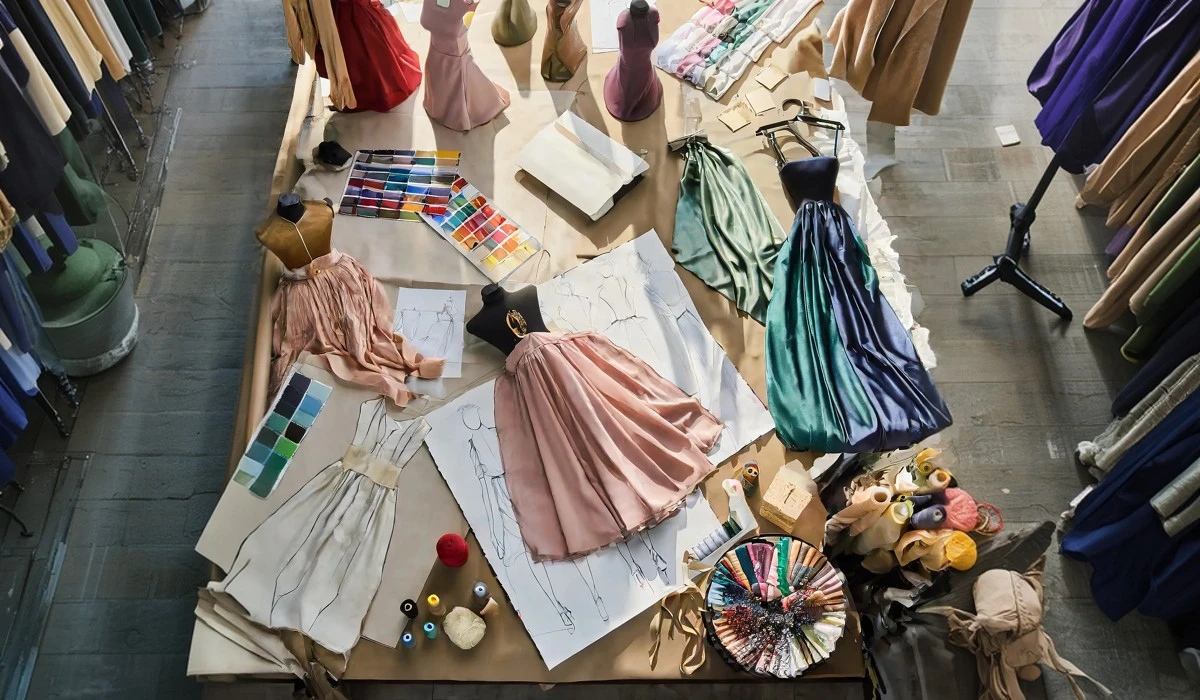
Retailers routinely watch 12 to 18 percent of their total stock sit perfectly still on the racks. Shoppers walk past these garments every single day without a second glance. Store managers often assume the products simply failed to resonate with the local market. They pull out the red tags and aggressively slash prices to force movement. Discounting destroys profit margins while training customers to wait for sales. Data from Deskera shows this stagnant stock costs the retail industry an estimated 100 billion dollars at any given moment. Poor floor placement causes this massive cash flow deficit. Managers eliminate this problem through effective fashion merchandising. Strategic placement enhances the visual merchandising appeal and greatly accelerates your inventory turnover. Moving stale inventory requires a deep understanding of human psychology.
The Psychology Behind Fashion Merchandising and Dead Stock
When fashion merchandising strategies fail, the financial hit severely damages the entire business. Carrying costs for unmoving stock typically consume 20 to 30 percent more than the original cost value of the unit annually. A garment dies on the floor because poor placement, bad lighting, or a lack of context kills its appeal. Research from the Lighting Science Group in 2017 found shoppers perceive products in well-lit displays to be 20 percent more valuable. Shoppers make snap judgments based on environmental cues. Moving a sweater from a dark bottom shelf into a bright, prominent display instantly changes the customer perception. Small environmental tweaks shift the shopper mindset and encourage them to pull out their wallets. Retailers must audit their lighting and spacing rigorously before assuming a product is a total failure.
Reframing "Old" Inventory as "New" Opportunities
Managers must stop viewing last month's arrivals as a lost cause. Shifting the retail mindset prevents immediate markdowns and encourages highly creative problem-solving on the sales floor. Research published in Springer indicates that physical touch heavily increases purchase intent, highlighting that tactile engagement is extremely important when buying apparel. Handling garments physically activates specific mirror neurons that instantly elevate a stagnant item’s perceived value.
According to a study in ScienceDirect, you must invite customers to touch the fabric and interact with the display, as merely touching items as simple as healthful baby carrots enhances product evaluation and purchase intentions. Store associates should reposition folded denim into hanging displays where shoppers naturally reach out to feel the material. This physical interaction connects casual browsing and a finalized sale. Presenting older stock in a fresh context forces customers to evaluate the piece entirely anew. Rotating stock and encouraging tactile engagement saves retailers thousands of dollars instead of continually printing thousands of clearance stickers for perfectly viable seasonal garments.
Decoding the Link Between Visual Merchandising and Retail Profitability
When auditing your sales floor, understanding the financial metrics behind your displays is just as important as the aesthetics. You might be wondering, why is inventory turnover] important in retail? It measures how quickly you sell and replace your stock over a given period, which directly affects your cash flow and profitability. Monitoring these numbers allows managers to tweak their fashion merchandising strategies before seasonal items go stale. Harry Gordon Selfridge transformed visual merchandising in 1909 at his Oxford Street store. He introduced artistic window displays that shifted retail shopping into a highly engaging visual experience. Mid-century industrial designer Raymond Loewy championed the core principle that ugliness does not sell. He established a direct link between appealing design aesthetics and strong retail profitability that permanently governs successful physical retail stores today.
First Impressions and the Power of Window Displays
According to research published in ScienceDirect, store window displays serve as the primary hook for drawing lucrative foot traffic into the building, playing an important role in influencing shoppers' store entry decisions. Retailers use prime window real estate to tease older stock, creatively mixing it with fresh arrivals. Shoppers perceive the entire outfit as brand new when a familiar piece pairs harmoniously with a recently launched jacket.
The window presentation frames the older garment in a modern, highly desirable context. Managers update these displays weekly to maintain a strong sense of urgency and constant renewal. A stagnant window display quietly tells the customer they have no reason to enter the store today. Rotating the featured mannequins guarantees passersby see completely different inventory combinations every few days. This consistent visual rotation generates immense curiosity and forces shoppers to step inside to find more pieces. Your windows actively sell older merchandise exactly 24 hours a day.
The Rule of Three in Retail Displays
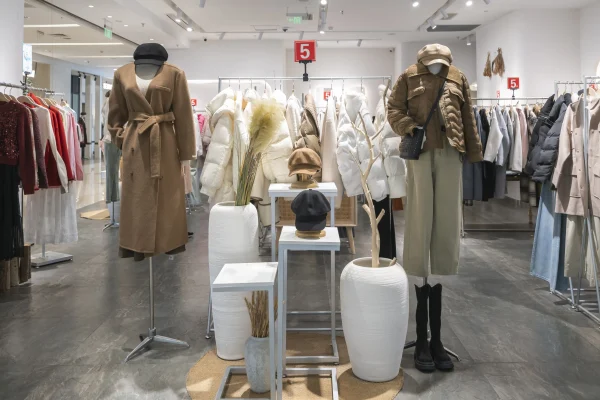
Retailers apply specific mathematical concepts to capture shopper attention and immediately increase sales velocity. The Rule of Three functions as a powerful psychological principle dictating core human visual preferences. Human brains naturally gravitate toward items grouped in odd numbers like three, five, or seven. This specific arrangement creates distinct visual harmony and holds the viewer's focus significantly longer than even groupings. Eye-movement tracking studies confirm shoppers show measurably higher engagement when facing a cluster of three mannequins. You should arrange a tall display, a medium-height fixture, and a lower table to form an appealing asymmetrical triangle. This specific visual merchandising strategy forces the customer's eye to travel across all three products naturally. Stagnant items suddenly gain major traction when you integrate them into these energetic, odd-numbered aesthetic clusters directly on the main sales floor.

Strategic Floor Plans to Accelerate Inventory Turnover
Retail anthropologist Paco Underhill identified the Decompression Zone as the first five to fifteen feet inside a store. Shoppers use this area to adjust to a new environment's lighting and sound. Customers almost always ignore merchandise placed in this entry space entirely. You must leave this entry area relatively clear to allow shoppers a comfortable adjustment. Underhill also outlined the Invariant Right principle based on extensive consumer observation. Most customers naturally turn right immediately upon entering a retail space. This predictable movement makes the front-right Power Wall the most lucrative real estate for accelerating inventory turnover. Retailers must stock this highly visible wall with their most profitable pieces alongside strategically placed older items. Placing dead stock on the Power Wall exposes the garments to the absolute highest volume of engaged foot traffic available inside the building.
Guiding Customer Movement into "Cold" Zones
Every store contains specific cold zones where foot traffic naturally drops and dead stock traditionally gathers over time. Managers must implement active tactics to drive customer movement into these totally dead areas. Employing chevroning involves angling shelves and racks to increase the overall visibility of the merchandise. This angled layout subtly guides shoppers down deep aisles they would normally bypass entirely. Strategic endcaps also serve as visual magnets to pull customers much deeper into the store. You can place a brightly colored, high-demand item on a rear endcap to catch the shopper's eye from the entrance. The customer walks past dozens of older items while navigating toward that featured product. Forcing customers to traverse the entire floor plan dramatically increases the chances of unexpected impulse purchases. Floor mapping directly dictates constant customer flow and active product exploration.
Proven Fashion Merchandising Tactics for Slow-Moving Pieces
When faced with racks of unmoving products, it is easy to default to the discount rack. But how do you move slow selling inventory? The most effective approach is to reposition the items visually alongside your current bestsellers, adjusting the lighting and signage to make them feel desirable again. Elevating the perceived value of these garments through strategic fashion merchandising often eliminates the need for steep markdowns. This proactive strategy protects your profit margins and preserves the brand's premium reputation. According to the Color Marketing Group, grouping slow-moving items using complementary colors in visual displays increases sales by 35 percent. Bright color blocking creates a striking visual effect that immediately draws the eye across the room. Customers naturally gravitate toward aesthetically pleasing color stories and subsequently notice older products they previously ignored entirely.
Color Blocking and Visual Storytelling
Color blocking transforms a chaotic wall of mixed clothing into a cohesive and highly attractive display. Shoppers process color much faster than shape or price when rapidly scanning a retail environment. Grouping old inventory by color creates a striking visual effect that effortlessly commands total attention. A monochromatic display of varying textures looks instantly modern and exceptionally high-end. Visual storytelling further elevates this core tactic, providing the clothing a completely clear context. You can create a vacation-themed table using older linen shirts paired with sunglasses and straw hats. This specific narrative helps the customer envision wearing the items on an upcoming summer trip. The story provides an immediate, persuasive reason to purchase the garment right now. Transforming random stock into a curated collection changes the shopper's perception entirely and drives consistent sales across all targeted categories.
The Importance of Refreshing Fixtures and Mannequins
According to a report by 3 Dots Design, implementing mannequins into floor displays increases apparel sales by 10 to 35 percent almost instantly. Mannequins offer a relatable, three-dimensional view of the garment that basic hangers simply cannot provide. Research from ScienceDirect adds that the presence of a humanized head enhances purchase intentions for the merchandise displayed on that mannequin, creating an even stronger shopper connection in physical stores. Moving a stale item to a high-profile fixture completely changes how shoppers perceive the fit and style.
Products and mannequins placed precisely at eye-level are 82 percent more likely to generate active engagement and final purchases. Retailers must prioritize eye-level positioning for any inventory struggling to gain measurable traction on the floor. Regularly updating the outfits on these mannequins prevents the entire store from feeling predictable to returning customers. Associates should change key mannequin displays twice a week to effectively maintain a highly energetic shopping environment. A fresh fixture presentation immediately prevents items from becoming stagnant and actively encourages a much higher daily sales volume.
Bundling and Cross-Merchandising: The Art of the Upsell
One of the most powerful tools to clear out slow-moving accessories is to pair them with your most popular garments. People often ask, what is an example of cross merchandising? A classic example is displaying belts, handbags, and layered jewelry on the same fixture as a featured dress to encourage a complete outfit purchase. This visual merchandising tactic helps shoppers visualize a complete look, seamlessly moving multiple SKUs at once. Research from McKinsey demonstrates that cross-merchandising increases overall sales by up to 20 percent on average, with category-penetration techniques also yielding a 30 percent jump in profits. The report also suggests that strategically batching complementary items together significantly boosts key performance metrics like Units Per Transaction and Average Transaction Value. Retailers routinely and successfully disguise highly unpopular dead stock as completely essential accessories through careful pairing. The customer views the additional item as a necessary enhancement.
Creating Aspirational Lifestyle Vignettes
Setting up displays that sell a complete lifestyle generates far more revenue than displaying a solitary piece of clothing. Aspirational vignettes immediately transport the customer into a highly desirable, totally immersive scenario. Store managers build these vignettes, combining diverse products around a centralized, visually appealing theme. You might style a rustic wooden table with camping gear, thick wool socks, and a slow-moving heavy jacket. This specific arrangement convinces the shopper they absolutely need the entire setup to achieve that outdoor lifestyle. The clothing becomes an essential prop in the customer's idealized version of their own life. Presenting a complete lifestyle narrative overcomes initial price objections because the shopper buys directly into an emotional experience. Emotional purchasing consistently clears out older inventory far faster than logical, need-based shopping. Aspirational setups turn ordinary store corners into highly profitable destinations.
Pairing High-Velocity Items with Stagnant Stock
Store managers must use a hot-selling item as effective bait to move a completely stagnant product. The substitute products strategy rapidly drives heavy upsells without requiring any damaging inventory markdowns. You simply place an alternative, high-margin item right next to a standard traditional item. Shoppers come for the popular piece but ultimately add the complementary dead stock directly to their basket. A fast-moving white t-shirt perfectly anchors a highly unpopular patterned scarf when you intentionally merchandise them together. The desirability of the t-shirt automatically transfers to the scarf through close physical proximity. Customers trust the pairing completely because the store presented the combination as an intentional fashion statement. This specific mathematical formula reliably drains excess inventory while keeping your premium brand image completely intact. Retailers perfect the upsell when they let their bestsellers carry the dead weight.
Using Retail Data to Optimize Your Fashion Merchandising Strategy
Modern retailers must rapidly connect creative visual merchandising and analytical business tracking. The primary metric for fashion merchandising data remains the key Sell-Through Rate. Managers calculate this using a simple formula: units sold divided by the sum of beginning inventory and units received, multiplied by one hundred. A 40 to 60 percent sell-through rate traditionally signals a highly favorable outcome. Top-performing retailers today aim for 85 percent or higher to actively minimize their dead stock footprint. You must use modern point-of-sale data to determine which physical areas of the store have the highest inventory turnover. Tracking sales by specific floor zones reveals exactly where customers freely spend their money. Placing slow inventory in a high-conversion zone practically guarantees a faster sale. Point-of-sale data completely removes all the subjective guesswork from your daily floor planning decisions.
A/B Testing Your Floor Layouts
Advanced retailers treat the physical retail floor exactly like a highly optimized digital website homepage. They actively use heatmaps and sophisticated foot traffic analytics to measure shopper dwell time and display refresh frequency. This technology directly correlates floor data to the measurable financial success of specific layout zones. Managers conduct rigorous A/B testing through the setup of two different fashion merchandising displays to see which yields better revenue. You might place a slow-moving sweater collection on a front table for week one. You then move that exact same collection to a wall display for week two. Comparing the sales data between the two locations clearly reveals the absolute optimal placement strategy. Constantly testing your layouts ensures the store rapidly adapts to real customer behavior patterns. Relying on concrete data transforms subjective design choices into a highly predictable and profitable science.
Sustaining Momentum: Keeping Your Retail Floor Fresh
Preventing dead stock accumulation always requires a highly disciplined approach to daily retail operations. The ideal inventory turnover benchmark for general apparel retail strictly sits at four to six times per year. Highly optimized fast fashion retailers push this specific metric much further, achieving an aggressive turnover ratio of eight to twelve turns annually. Hitting these aggressive financial targets requires managers to establish a totally uncompromising rotation calendar. Establishing daily and weekly cadences for moving stock firmly ensures the store never looks exactly the same to returning customers. Display Stock Turnover serves as a vital KPI to track how frequently floor products receive a complete refresh. Maintaining a high frequency remains vital since 73 percent of customers state good visual merchandising makes them return. A reliable rotation schedule permanently stops valuable inventory from aging quietly in a forgotten corner.
Empowering Staff with Display Maintenance Training
Your absolute best design strategies fail instantly if the store staff cannot properly maintain the initial presentation. Managers must ensure front-line employees completely understand the core aesthetic principles of the floor layout. Training staff on basic color theory and spatial relationships keeps displays looking totally pristine throughout a busy shift. Employees strictly need the authority to replace sold items immediately with appropriate substitute products. A half-empty display clearly signals low value to the shopper and actively discourages them from browsing. Providing highly detailed maintenance guidelines empowers your team to make quick, profitable merchandising decisions on the fly. Associates take immense pride in the store's appearance when they understand how their specific actions drive revenue. Consistent staff training guarantees your carefully planned visual strategies survive the daily chaos of a bustling retail environment and keep older products moving.
The Bottom Line on Transforming Stock into Revenue
Shoppers spend 20 percent more time in stores that feature carefully designed visual product displays. This extended browsing time drastically lowers the massive financial risk of retaining totally unmoving inventory. Dead stock remains a simple spatial puzzle waiting to be creatively solved. Excelling at fashion merchandising seamlessly links beautiful aesthetics to highly strong inventory turnover. Integrating targeted storytelling within a display rapidly boosts brand recall by 25 percent and builds lasting customer loyalty. You quickly clear your dusty shelves when you turn stagnant physical assets into a highly reliable, consistent revenue engine. Strategic placement and thoughtful color grouping convince skeptical shoppers to purchase items they previously ignored entirely. Retailers conquer their severe cash flow problems the moment they stop discounting and start designing. Every unsold garment represents a massive profit opportunity for the manager willing to arrange the floor correctly.
Recently Added
Categories
- Arts And Humanities
- Blog
- Business And Management
- Criminology
- Education
- Environment And Conservation
- Farming And Animal Care
- Geopolitics
- Lifestyle And Beauty
- Medicine And Science
- Mental Health
- Nutrition And Diet
- Religion And Spirituality
- Social Care And Health
- Sport And Fitness
- Technology
- Uncategorized
- Videos

