
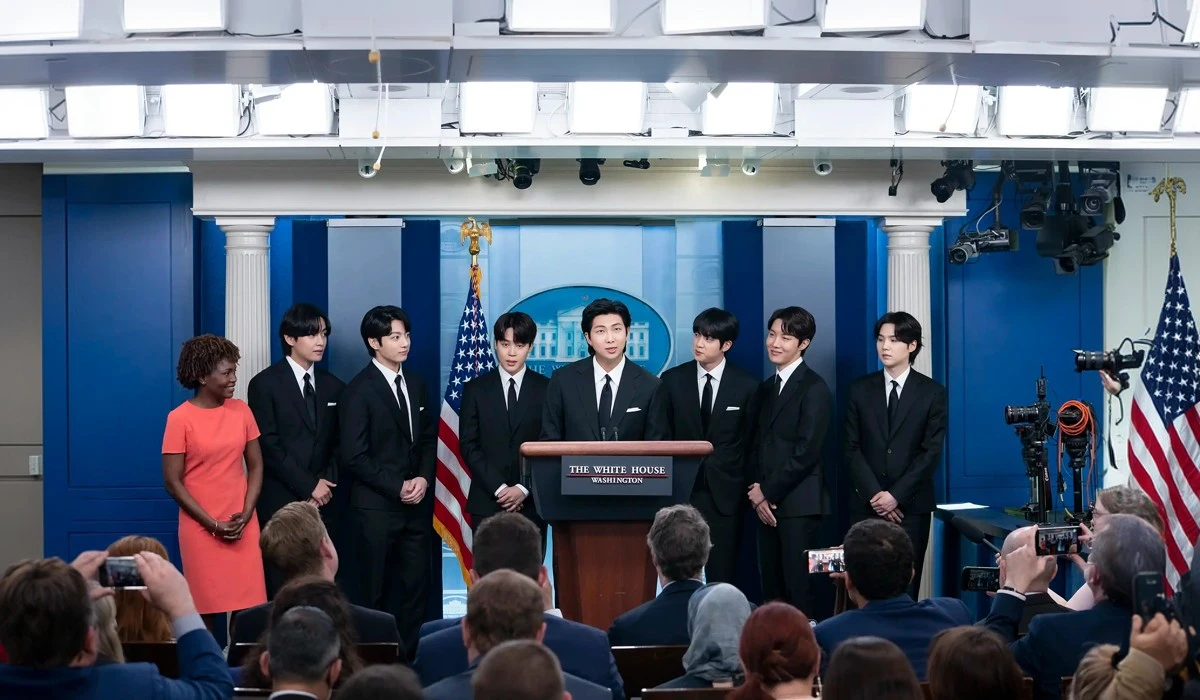
BTS 2026 Comeback: Billion-Dollar Seoul Boom
When a government intentionally paralyzes its own financial capital to host seven pop stars, the global power balance between politicians and entertainers flips entirely. The BTS 2026 comeback officially transformed central Seoul into a heavily guarded fortress. Planners deployed 7,000 police officers, brought in specialized anti-drone units, and enacted a temporary ban on civilian firearm retrieval. They drained massive emergency resources from surrounding districts to secure a single event in Gwanghwamun Square. According to The Guardian and Reuters, after their final complete group concert in October 2022, all seven members suspended their worldwide music professions to satisfy South Korea’s mandatory military requirements.
Reuters notes that Jin started this process in December of that year. Reuters and AP News report that the highly anticipated full group reunion finally materialized when Suga became the seventh and final member to complete his national duty and discharge from the military in June 2025. A July 1, 2025 livestream formally confirmed their return to the stage. During those intervening years, the global music industry effectively reshaped itself around their absence. Now, their massive return dictates the actual physical rhythm of a major metropolis. This immediate municipal surrender happens when pop music fusion operates as the ultimate export of national soft power.
A Metropolis Held Hostage by Pop Power
When authorities force everyday citizens to navigate around a sprawling entertainment complex, they turn the heart of a major city into an exclusive, highly restrictive zone. AP News details how the Gwanghwamun Square comeback concert brought central Seoul to a complete halt, as thousands of police secured a central boulevard to facilitate a full-day shutdown for the free, Netflix-exclusive event. To manage the massive anticipated crowd of up to 260,000 people that Reuters reported, The Guardian notes that authorities restricted rooftop and building access across 31 nearby structures, pre-positioned special forces units, and ordered subway trains to bypass local stations. Everyday commerce simply stopped functioning in the affected areas. Planners forced massive detours upon commuters and residents alike.
Navigating the Restricted Zones
Bride Sohn Yeon-ju faced severe uncertainty trying to route her wedding guests through the heavily guarded area. The massive security perimeter threatened to ruin her scheduled event. Police authorities ultimately suggested she shuttle her guests on official police buses just to cross the barriers and reach the venue. This extreme municipal intervention sets a highly controversial precedent for urban management. Critic Jung Min-jae aggressively questions the criteria politicians will use to approve future shutdowns for alternate agencies. Other massive entertainment companies will inevitably point to this event and demand the exact same privileges. The massive SWAT presence secured the concert perimeter flawlessly. Meanwhile, the aggressive security measures actively denied access to regular citizens trying to go about their weekend routines.
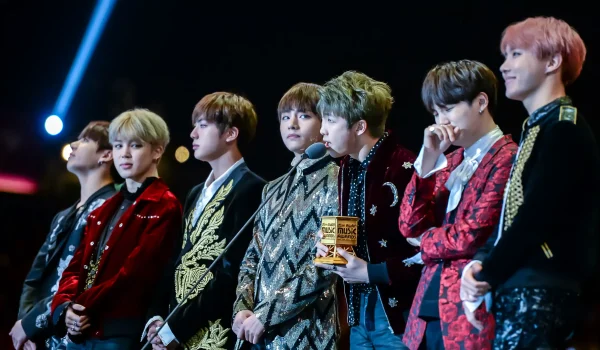
Image Credit - by Divine Treasure, CC BY 4.0, via Wikimedia Commons
The True Cost of the BTS 2026 Comeback
Politicians eagerly boast that an event costs taxpayers nothing, yet pulling police and fire units from nearby neighborhoods leaves the rest of the population entirely exposed. A Seoul city official noted the municipality provided the venue and safety protocols without offering direct monetary subsidies. Some residents argue the government never historically supported the group during their early rise. The current reality paints a drastically different picture. The state funded and organized massive security operations to ensure absolute control over the plaza. This massive police and fire presence at the concert created distinct, severe vulnerabilities in alternate districts. One local citizen on X pointed out this massive drain on emergency personnel. A single localized entertainment event compromised the safety net of millions of other residents across the capital. Emergency response times outside the plaza naturally suffered.
Local Business Surges
Naturally, the local economy experienced a massive and immediate stimulation. Hotels surged their prices dramatically to capture tourist cash. Restaurants quickly adapted their menus to include multiple languages and decorated their storefronts with purple themes to attract the influx of international fans. Fans frequently inquire about the specific schedule for this massive undertaking. When is the BTS comeback concert? The highly anticipated show occurred exactly on March 21, 2026, locking down central Seoul for the entire day. This single date caused a massive influx of foreign currency, proving the direct financial dominance of global fandom.
Arirang and the Export of Cultural Memory
When the group rebranded a 130-year-old traditional folk song into a modern stadium anthem, they effectively rewrote deeply entrenched national history for a massive new global audience. According to AP News and management company HYBE, the group released their highly anticipated fifth album, Arirang, on March 20, 2026, and fans purchased an astonishing 3.98 million copies on the very first day. The title choice carries heavy historical weight and directly references a beloved Korean folk song. The core concept of Arirang focuses heavily on the grueling progression from hardship to prosperity. The group tied their post-military return directly to this specific cultural narrative. Many new listeners wonder about the specific creative direction.
Why did BTS name their album Arirang? The group chose the traditional theme of enduring hardship to parallel their long military hiatus and subsequent return to the stage. This specific album release creates a notable historical parallel. Back in 1896, a group of Korean men at Howard University recorded Arirang on a wax cylinder in the United States. Exactly 130 years later, seven performers exported that exact same cultural memory to the entire planet through aggressive pop music fusion. Since their 2013 debut with 2 Cool 4 Skool, the group has perfected the art of packaging deep national identity into instantly consumable formats. Big Hit Entertainment CEO Bang Si-hyuk formed the group in 2010 to achieve this exact global penetration.
Ticket Mathematics and the BTS Comeback Illusion
Organizers advertised a massive free concert to deliberately mask the mathematical reality that thousands of high-profile tickets quietly bypassed the public lottery system entirely. Organizers cordoned off a total capacity of exactly 22,000 spaces inside Gwanghwamun Square. They aggressively promoted a campaign to distribute 20,000 free tickets to the general public. Wave one released 13,000 spots, while wave two dropped another 7,000.
The Digital Queue Checkpoint
Over 100,000 eager fans sat trapped in digital queues fighting for these allocations. A quick glance at the final numbers reveals a deliberate 2,000-seat gap in the public reporting. Organizers quietly reserved these remaining spots for VIPs, press members, and powerful industry insiders. The massive digital queue left thousands empty-handed. Strict anti-resale campaigns locked down the distribution process completely. The free ticket lottery system ultimately excluded thousands of deeply dedicated supporters. True fans found themselves locked out of the official zone while well-connected corporate guests strolled right through the 31 separate entry checkpoints and metal detector installations. Organizers clearly prioritized absolute security and tight optical control over broad, democratic accessibility.
Evolving Individual Identities to Save the Group
When members step away from a highly controlled group structure, they must cultivate completely new personas that refuse to squeeze back into the original corporate mold. The BTS comeback demands a highly detailed integration of evolved solo identities. After the enlistments commenced, the remaining members aggressively pursued independent projects. These solo ventures functioned as the primary vehicle for honest artistic expression outside the massive collective brand. Group leader RM noted in December 2024 that these individual pursuits heavily influenced their collective future in a positive way.
The Psychology of the Hiatus
During the long hiatus, RM experienced severe longing for his peers. In June 2024, he recognized their immutable bonds and expressed deep gratitude for enduring fan loyalty. Member Jin embraced a strong caretaker role in May 2025. He expressed immense eagerness for his peers to return, sharing deep gratitude and the utmost respect for his teammates. Member j-hope explicitly highlighted that the reunion amplifies their overall cohesion because it seamlessly blends their distinct solo aesthetics. Jimin shared that late-night discussions regarding their future trajectory sparked slight apprehension about returning to the stage. Despite those nerves, he maintained a steadfast commitment to ultimate performance quality. Jung Kook recognized the upcoming spring as the absolute apex of importance for their careers, wishing safety and enjoyment for all supporters. RM confirmed in November 2025 that their studio sessions proved highly productive. The members delivered maximum collective effort to ensure optimal musical output.
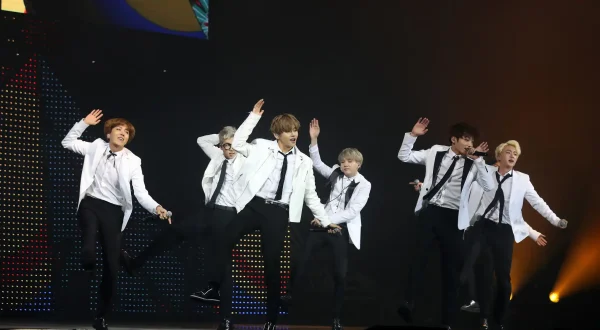
Image Credit - By Korea.net / Korean Culture and Information Service (Photographer name), CC BY-SA 2.0, via Wikimedia Commons
The Lifeline of Parasocial Relationships
Research published in the National Center for Biotechnology Information indicates that one-sided parasocial relationships fulfill many of the same needs as two-sided connections, and serve as valuable social resources that actively contribute to well-being. These bonds allow fans to build private, incredibly intense emotional support systems entirely separate from their real-life social circles. Many supporters intentionally conceal their intense fandom from colleagues and casual acquaintances. Writer Aastha Agrawal engaged in secret late-night content consumption strictly to preserve her mental health. Her intense parasocial engagement with the artists sparked her creative writing origins. This private obsession helped her forge lifelong friendships.
She successfully secured VIP tickets and eagerly anticipated the massive current show. The extended group hiatus represented a deeply melancholy period for the global fandom. Fan Jacqueline appreciated the individual solo projects immensely during the break. She ultimately concluded that the collective unity of all seven members remains vastly superior to their separate efforts. Ami Ostrovskaia relocated her entire life to Seoul specifically because of the band. The music served as her primary driver for local history and intensive language immersion. Her initial ticket failure plunged her into absolute despair. A close friend eventually intervened to secure her access, resulting in immense joy. For millions of loyal listeners, this group delivers deep personal meaning that permanently alters their real-world life choices.
Streaming Wars and the Billion-Dollar Future
When organizers funnel live event access through a single powerful digital platform, they instantly turn a local outdoor concert into a massive, highly profitable subscriber acquisition tool. Organizers bypassed traditional broadcast networks and partnered exclusively with Netflix to dominate the digital streaming market. The massive platform secured exclusive streaming rights to broadcast The Comeback Live concert film exactly on March 21, 2026. Less than a week later, on March 27, 2026, Netflix premiered the highly anticipated behind-the-scenes documentary The Return.
Expanding the Netflix Empire
These massive media additions guarantee total global reach for the BTS comeback. The financial projections shatter previous touring industry records. Historical data shows a staggering single-show revenue peak of $842 million, translating to roughly £621 million. Industry analysts closely watch the upcoming financial metrics for the new tour. How much money will the BTS tour make? Planners heavily project the comprehensive BTS reunion tour revenue will easily surpass the $1 billion mark. People magazine reports that the massive global tour officially commences in April 2026 in South Korea before moving to Tokyo and the United States. Furthermore, Reuters notes the planners expect this expansive run to cover 34 regions and 82 shows before it officially concludes in 2027. The integration of live plaza performances, absolute digital streaming dominance, and physical merchandise guarantees unprecedented global financial returns.
The Final Encore
The BTS 2026 comeback proves that a modern pop group holds enough raw influence to freeze a major financial capital completely in its tracks. A single massive concert effectively redrew the map of Seoul, redirected thousands of police forces, and locked down public transportation. Politicians eagerly accommodated the massive logistical demands strictly to secure the immense economic benefits of rapid global tourism. Seven performers took a 130-year-old traditional folk concept and aggressively weaponized it for modern streaming dominance. They spent years cultivating distinct individual aesthetics, only to return with a highly unified cohesion that commands a billion-dollar global touring enterprise. Millions of fans structured their entire lives, relocations, and private social circles around this single highly anticipated reunion. The return of RM, Jin, Suga, j-hope, Jimin, V, and Jung Kook reshaped the global entertainment industry overnight. Pop music dictates the actual physical reality of our modern cities.
Recently Added
Categories
- Arts And Humanities
- Blog
- Business And Management
- Criminology
- Education
- Environment And Conservation
- Farming And Animal Care
- Geopolitics
- Lifestyle And Beauty
- Medicine And Science
- Mental Health
- Nutrition And Diet
- Religion And Spirituality
- Social Care And Health
- Sport And Fitness
- Technology
- Uncategorized
- Videos

