
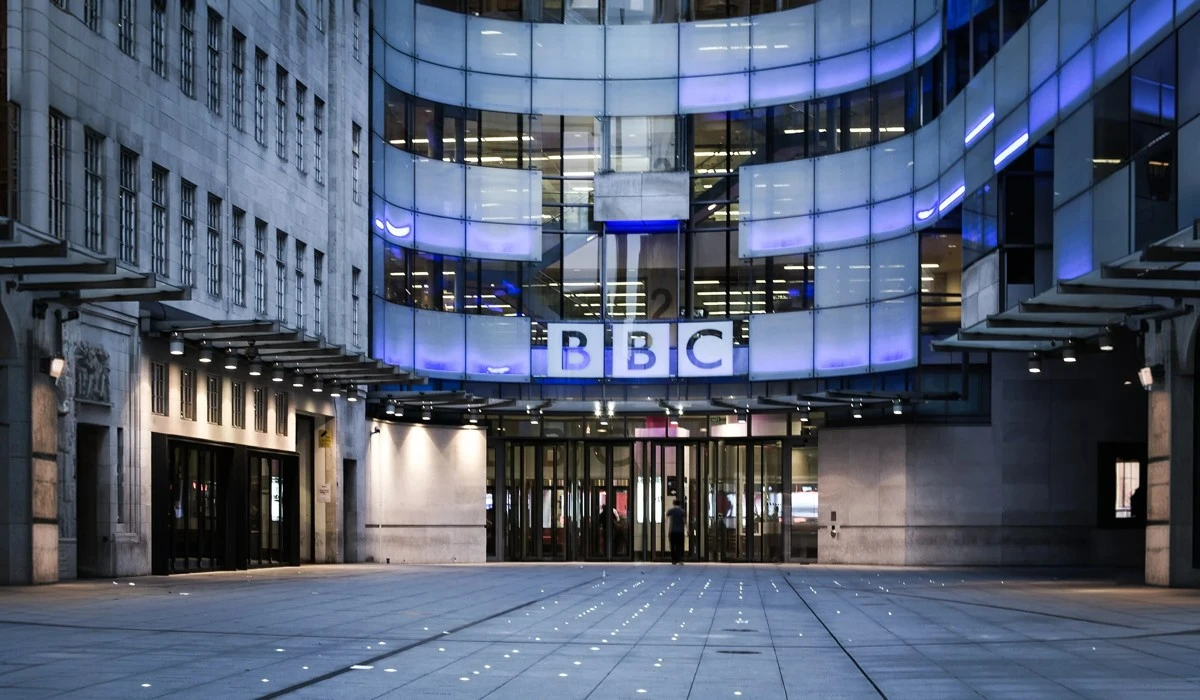
Image Credit - by Alexander Svensson, CC BY 2.0, via Wikimedia Commons
BBC YouTube Partnership Launches 50 New Channels
Traditional broadcasters usually guard their content like a fortress, but keeping the doors locked creates a ghost town when the audience leaves the building. The British Broadcasting Corporation is flipping this logic by handing the keys to a former rival. Instead of fighting the digital tide, the organization is building a massive raft right on top of it. According to a report by C21Media, the plan involves launching at least 50 new channels over the next year, signaling a significant shift in how a century-old giant stays alive.
The plan moves beyond simple trailers and aims for original shows designed specifically for the scroll-happy generation. This strategy acknowledges that viewers no longer wait for a scheduled time slot. They want content instantly, and they want it on the platform they already use. Flooding a tech giant’s server with bespoke British programming allows the corporation to hope for renewed relevance. However, this decision invites a new set of dangers regarding revenue and identity.
Launching the BBC YouTube Partnership
Volume often acts as a gravity well, pulling viewers away from competitors simply through the sheer weight of available content. The broadcaster’s latest initiative relies heavily on this principle of mass availability.
The strategy targets a specific count of 50 distinct channels. To fuel this engine, the corporation is training 150 new creators to think in thumbnails and retention graphs rather than broadcast slots. As reported by The Guardian, the content mix spans news, sport, and entertainment, kicking off with the Winter Olympics in February. This effort avoids simply recycling old clips. The core BBC YouTube partnership directive shifts focus from promotional trailers to bespoke programming. They want content native to the platform, not just cut-down TV episodes.
The Audience Reach Crisis
Legacy prestige matters little when the average viewer trusts an algorithm more than a published schedule. The decision to expand aggressively stems from a hard look at where attention actually goes.
Last December, YouTube’s audience reach in the UK hit 52 million, slipping past the BBC’s combined reach of 51 million. That single statistic forced a change in tactics. Director General Tim Davie told World Screen that this groundbreaking partnership is vital for connecting with audiences in new ways and ensuring everyone gets value. He views this strong foundation as the only way to elevate the brand to the next tier. The goal is to capture the digital-native youth who simply do not turn on televisions. Meeting them where they live allows the broadcaster to remain relevant.
Shaping the Content Strategy
Copying a successful format often works better than trying to invent a new one from scratch. The corporation is looking at past victories to engineer future hits.
Success leaves a trail, and one specific show drew the map. The massive viral traction of "Bluey" on YouTube proved that third-party hosting could drive traffic back to iPlayer. Now, that template applies everywhere. What kind of content is on BBC YouTube? C21Media notes that the lineup includes seven new children's hubs such as "The Epic Facts" and targeted documentary channels like the tentatively titled "Deepwatch." This BBC YouTube partnership utilizes world-class IP but adapts it for online-first consumption. YouTube VP Pedro Pina stated in a BroadcastPro ME report that they are delighted to collaborate to redefine the limits of digital storytelling. The plan invests heavily in a creative pipeline to empower the next generation of storytellers.
Monetizing the BBC YouTube Partnership
Giving content away for free creates a confusing financial reality where popularity creates revenue abroad but questions at home. The flow of money here depends entirely on geography.
The monetization model splits the world in two. International views generate cash through standard ad-supported revenue. However, domestic UK viewers see no ads because their experience is already funded by the license fee. Does BBC make money from YouTube? Yes, international views generate ad revenue, while domestic UK views remain ad-free to align with public funding. This setup uses the BBC YouTube partnership to harvest foreign capital while keeping the British public service promise intact. Budgets for this expansion come from reallocating funds away from traditional TV and news divisions. They are cutting the old to feed the new.

Political Pressure and Reform
Expanding into a new territory often invites scrutiny from the people who govern the old one. The corporation is making these moves while under the microscope of government regulators.
Innovation rarely happens in a vacuum, and political pressure is mounting. The government is currently reviewing the entire License Fee model. Culture Secretary Lisa Nandy has stated the current funding setup is impracticable and all reform options are on the table. Is the license fee changing? The government is reviewing the model, as officials warn legislative intervention regarding platform prominence is possible. These legal battles create a stormy backdrop for the BBC YouTube partnership. While they try to modernize, legislative intervention regarding platform prominence remains a real threat. The voluntary nature of this deal might not save them from future regulations.
Legal Battles and Distractions
Navigating a massive digital expansion becomes significantly harder when you are simultaneously fighting a massive legal fire. The corporation is currently distracted by high-stakes litigation.
While the content teams focus on uploads, the legal department is busy. Reuters reports that the corporation is preparing to file a motion to dismiss a $10 billion suit brought by U.S. President Donald Trump. This legal context adds weight to every strategic decision. A loss of that magnitude would cripple budgets, making the search for new revenue streams even more urgent. The BBC YouTube partnership represents a necessary diversification rather than a simple experiment in a time of instability. The corporation needs friends in the tech world and cash from global markets to withstand shocks from other directions.
Internal Fears of Brand Dilution
Collaborating with a distributor often looks suspiciously like surrendering to a competitor. Inside the organization, not everyone views this move as a victory.
An anonymous insider worries the platform brand will strengthen at the expense of the broadcaster's identity. If the content lives on YouTube, the viewer credits YouTube for the entertainment, not the creator. The fear is that the British broadcaster becomes just another content farm feeding a tech giant’s algorithm. This internal sentiment highlights a deep conflict: strategic expansion versus the fear of losing their soul. The BBC YouTube partnership walks a fine line between gaining viewers and losing the distinctiveness that makes them a destination.
Industry Warnings on Tech Giants
Feeding a tech giant creates a dependency that eventually threatens the supplier's independence. Competitors in the British market are sounding the alarm about this approach.
Speaking to Marketing Week, ITV Strategy Director Magnus Brooke warned that if viewing migrates to YouTube, the money extracted from the ecosystem could undermine the public service broadcasting environment. He argues that revenue extraction by tech giants threatens the stability of the public service landscape. If the audience stays on YouTube, the broadcaster loses the ability to monetize them directly or control their path. The industry perspective suggests that while the BBC YouTube partnership offers immediate numbers, it might hollow out the broadcasting sector from the inside.
Future Risks of the BBC YouTube Partnership
Accessibility creates a value gap where paying for something available for free feels illogical to the consumer. The more content they upload, the harder it becomes to ask for payment.
Ubiquity creates a dangerous psychological effect for paying customers. If users get high-quality clips and shows for free on YouTube, the incentive to pay a mandatory public fee drops. The sheer numbers highlight this risk. The main BBC YouTube channel has over 15 million subscribers, while the News channel holds nearly 19 million. BBC Studios already clocks 15 billion annual views. As the BBC YouTube partnership grows, the justification for the traditional funding model weakens. Critics argue this move undermines the very unique value proposition the broadcaster claims to protect.
The Price of Relevance
Survival demands adaptation, even when the cure carries its own risks. The British broadcaster has decided that irrelevance is a bigger threat than dependence on a tech giant. Pushing 50 channels and bespoke content serves as an admission that the living room TV is no longer the center of the world. The BBC YouTube partnership secures immediate attention from a lost generation. However, it also hands the reins of distribution to a third party. They have secured their view counts, but the safety of their long-term independence remains an open question.
Recently Added
Categories
- Arts And Humanities
- Blog
- Business And Management
- Criminology
- Education
- Environment And Conservation
- Farming And Animal Care
- Geopolitics
- Lifestyle And Beauty
- Medicine And Science
- Mental Health
- Nutrition And Diet
- Religion And Spirituality
- Social Care And Health
- Sport And Fitness
- Technology
- Uncategorized
- Videos

