
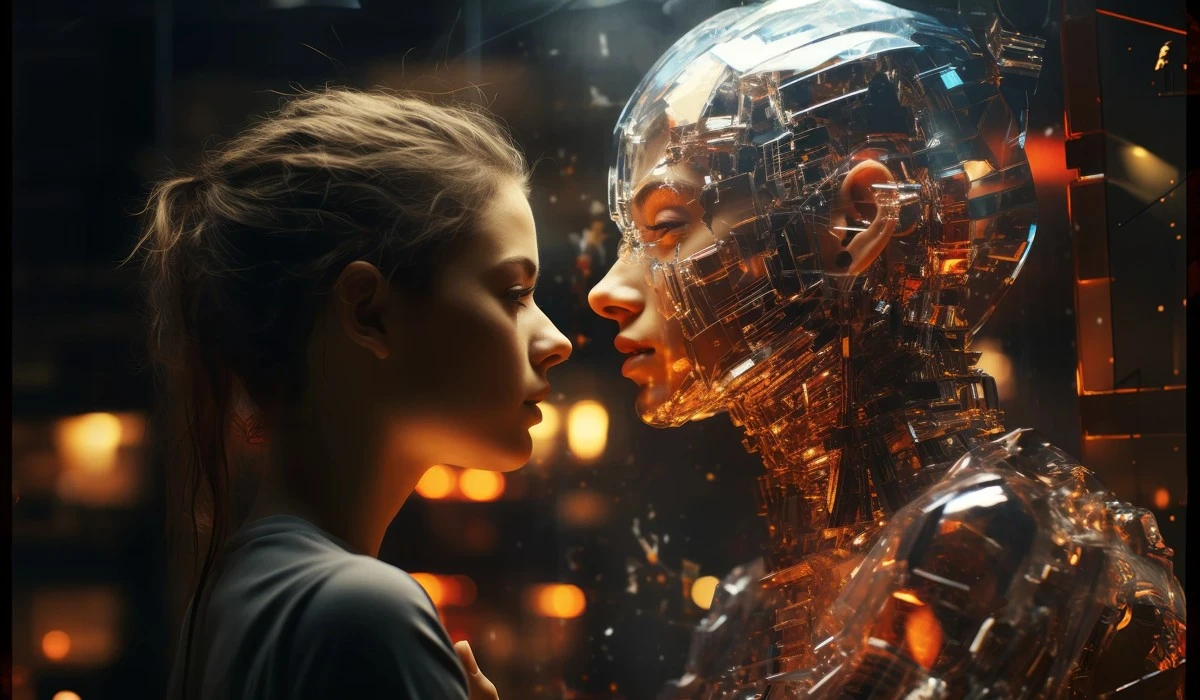
AI Influencer Boom: Fame Without People
Brands formerly worried about their stars getting drunk, embroiled in scandals, or demanding higher pay. Now, they simply program the star to behave. The modern celebrity does not sleep, eat, or require a trailer. This shift moves toward absolute corporate control, transcending a simple technological upgrade. An AI influencer offers a level of perfection that biological humans physically cannot match.
The New Economics of Fame
The barrier to entry for celebrity status dropped from "talent and luck" to "access to a server." Driven by rapid growth, the creator economy—now worth $250 billion—is on track to hit $480 billion by 2027 according to projections from Goldman Sachs and Forbes.In the past, claiming a slice of that pie meant years of auditioning or blogging. Today, digital tools allow for rapid entry. A student creator, Ms. Mckenzie, reported earning $1,600 in just 4 days of revenue from a single video. This financial speed motivates rapid production.
However, the high end of the market operates differently. Agencies now build entirely synthetic personalities to capture revenue directly. Aitana, a pink-haired fitness model who does not actually exist, generates up to $15,000 monthly for her agency creators. She requires no gym membership and never misses a workout.
Why Brands Prefer the AI Influencer
Companies realized they could own the talent rather than endlessly negotiate with it. Human mega-influencers command enormous fees, often charging $250,000 per post. In contrast, an AI influencer with a similar reach costs closer to $9,000. This price gap changes how marketing budgets function. Money once paid to individual creators now shifts toward automation and software management.
Beyond the price tag, the logistics of digital fame offer a massive advantage. An agency representative named Garcia notes that campaigns can run globally without travel expenses. They remove time and cost barriers entirely. As noted in a Vidwave market analysis, these digital personas deliver complete control over messaging, effectively removing the risk of human PR scams.
The results speak for themselves. As reported by Kuki.ai, an H&M campaign featuring their digital character witnessed an 11x increase in ad recall and a 91% decrease in cost per person compared to traditional video ads.
The Scale Problem Humans Can’t Fix
Biology imposes a hard cap on output that software ignores entirely. Human influencers face physical limits. Kaaviya Sambasivam, a human influencer with 1.3 million followers, admits that her biological output depends on energy and mood. She cannot film when she is sick, tired, or burned out.
Robots do not have these constraints. They theoretically remain unbeatable in volume. A digital character can star in a thousand videos at once, speaking fifty different languages, all while the creator sleeps. This creates a scalability issue for human creatives. Traditional roles, such as makeup artists and camera operators, face displacement as production moves inside a computer.
The Trust Gap and Consumer Distrust
Perfection creates suspicion when the audience knows the face isn't real. While brands love the control, audiences feel conflicted. A study highlighted by Northeastern University found that brands likely face more reputational harm when using AI-powered influencers compared to human equivalents. Research from the University of Florida suggests that Virtual influencers struggle to match the perceived authenticity of real people.
A marketing scholar, Duffy, argues that the blurring link between reality and duplicity drives engagement. Confusion drives the shares rather than genuine trust. This leads to high view counts but often results in low purchase intent.
Do people trust virtual influencers?
Recent data shows 80% of respondents hesitate to trust brands promoted by non-human entities, creating a gap between high views and actual sales. The kind of product matters here. AI influencer campaigns work well for utilitarian goods, like technology or phone specs, where the data matters more than the feeling. They fail when selling experience goods. A robot cannot honestly tell you how a skincare product feels on the skin or how a travel destination smells.

Legal Battles and the AI Influencer
Laws written for human behavior break down when the "person" is a corporation. Regulators are scrambling to catch up. The FTC Endorsement Guides now apply to AI, demanding transparency. The EU AI Act mandates labeling, and the proposed NO FAKES Act aims to protect human likenesses at a federal level.
However, the legal framework remains messy. A legal analysis suggests that first-person testimonials from an AI influencer are technically illegal. A synthetic entity is incapable of holding an opinion or having an experience. If a digital avatar says, "I love this drink," it is lying by definition.
Who owns the content an AI creates?
The Copyright Office currently states there is no protection for non-human authorship, creating a conflict for agencies selling exclusive "personas."
Liability also poses a massive risk. If a chatbot or avatar encourages harm, determining fault is difficult. Platforms and creators might face liability, though they often defend their code under "free speech."
Where Humans Still Win
You cannot code the feeling of a sunburn or the taste of morning coffee. Strategist Santer argues that shared human suffering and joy are impossible to code. Emotional connection remains a human monopoly. When a human influencer cries or celebrates, the audience connects through empathy. When a digital character does it, the audience watches a simulation.
Marketing VP Kahn suggests that reality is secondary to resonance. However, for "experience goods," biology is the only qualification that matters. A travel vlogger acts as a proxy for the viewer’s senses. An animation cannot fulfill that role.
Can AI replace human influencers completely?
AI struggles with "experience goods" like travel or food because they lack the biological senses required to give a genuine, relatable review.
The Future Outlook: 2030 and Beyond
The line between a real person and a digital avatar will likely vanish completely for the average viewer. The industry has moved fast. Lu do Magalu, a retailer assistant, appeared in 2003. By 2016, Lil Miquela launched, blurring the lines of reality. Now, we see deepfakes and hyper-realistic generative AI tools like Google Veo 3.
Grand View Research estimates the global virtual influencer market size at $6.06 billion in 2024, expecting it to reach $45.88 billion by 2030. Digital Culture Expert Lingel warns that the distinction between human and AI is becoming nearly impossible to spot. This rise in visual ambiguity increases the risk of fraud and low-quality content flooding feeds.
The End of Authentic Fame?
The fake person selling the item has replaced the actual inventory as the ultimate product. The AI influencer represents the industrialization of personality. Brands achieve speed, safety, and scale by removing the human element. Yet, they sacrifice the messy, biological reality that builds deep trust. As the market races toward $45 billion, the audience must decide if they are following a personality or just subscribing to a very sophisticated ad campaign. The future of fame looks flawless, but it also looks very lonely.
Recently Added
Categories
- Arts And Humanities
- Blog
- Business And Management
- Criminology
- Education
- Environment And Conservation
- Farming And Animal Care
- Geopolitics
- Lifestyle And Beauty
- Medicine And Science
- Mental Health
- Nutrition And Diet
- Religion And Spirituality
- Social Care And Health
- Sport And Fitness
- Technology
- Uncategorized
- Videos

