
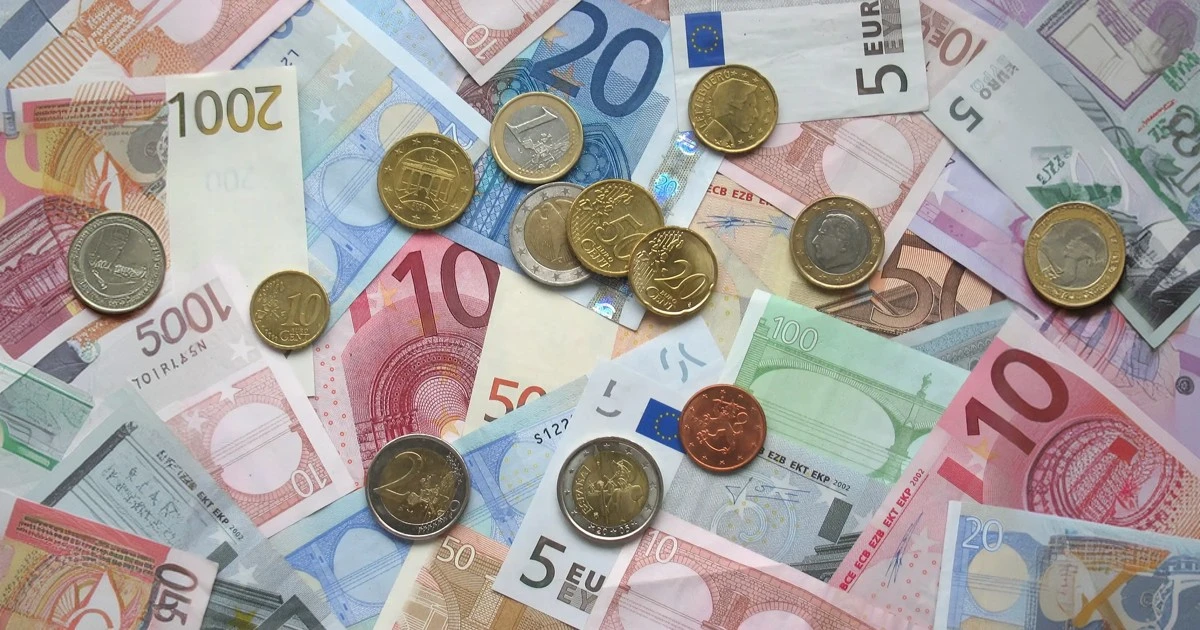
Image Credit - Wikimedia Commons
Adoption Of Euro In Bulgaria Changes The Lev
A country that locks its exchange rate for decades effectively adopts a foreign currency long before the first official coin enters a cash register. Bulgaria has maintained a strict link between the Euro and the Lev since the later half of 1990s. Research published by The Sofia Globe confirms the country has used a currency board since 1997, initially pinning the Lev to the Deutschmark before switching the link to the Euro. The Consilium notes that authorities fixed the conversion rate at 1.95583 Lev per Euro to preserve the value of personal savings. Citizens already use the Euro to price apartments, sell cars, and receive money from relatives working in Germany or Spain.
A report from Reuters confirms that on January 1, 2026, the Black Sea nation will officially become the 21st member of the Eurozone. The Bulgarian News Agency (BTA) highlights that the country received the final green light after meeting all necessary European Commission criteria. This move ends the period of the Lev, a currency that first appeared in 1881. The shift replaces the physical currency and causes a clash between long-term economic plans and public anxiety. While politicians point to the stability of the 1.95583 exchange rate, half the population worries about the cost of living. This tension defines the final steps of a path that began with the fall of the Iron Curtain and the entry into the EU.
The Logistics of Bulgaria Euro Adoption and the 2026 Timeline
Governments often force change through calendar dates when they cannot win through public debate. The change process follows a rigid schedule designed to prevent chaos in the streets. In August 2025, the dual price display mandate began. The Sofia Globe explains that this mandatory display remains in effect for one year to give the 6.5 million citizens time to learn new price points before the official switch. On January 1, 2026, Bulgaria formally joins the Eurozone. This date marks the start of the dual circulation period. During this one-month window, people can spend both currencies at any store. However, shopkeepers must provide change only in Euros. This method pulls the old currency out of the hands of the public and places it into the banking system for destruction.
By February 1, 2026, the Euro becomes the sole legal tender. The Bulgarian Lev ceases to function as money for daily transactions. The European Central Bank adds that it will also remove the Lev from its list of euro foreign exchange reference rates once the adoption occurs. When does Bulgaria switch to the Euro? The country officially adopts the Euro on January 1, 2026, followed by a one-month period where both currencies remain in use. This short overlap forces a rapid adjustment. Authorities prepared for this by ensuring 96% of ATMs functioned with the new currency by the first day of the year. Banks offer free currency exchange for six months, while the National Bank provides this service indefinitely. These layers of logistical support aim to reduce the friction of replacing an entire national currency in thirty-one days.
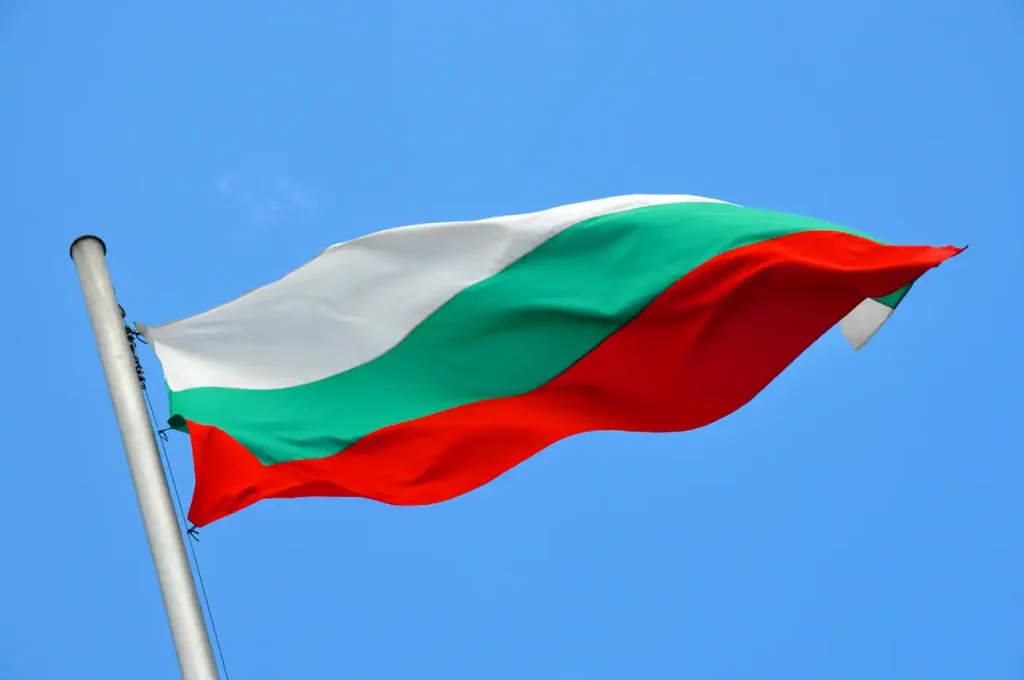
Image by anjči from London, UK, CC BY 2.0
How the Fixed Exchange Rate Stabilizes the Bulgarian Economy
Fixed exchange rates remove the risk of sudden currency crashes but strip a nation of its ability to print its way out of debt. Bulgaria does not experience the typical currency volatility of its neighbors. Since 1997, the country has pegged the Lev first to the Deutschmark and later to the Euro. This means the value of 1.95583 Lev equals exactly one Euro. This fixed rate provides a baseline for the Bulgarian economy that has lasted for over twenty-five years. Critics often fear that joining the Eurozone will cause prices to skyrocket. However, the fixed peg already links Bulgarian prices to European inflation trends. Moving to the Euro removes the middleman of currency exchange fees for importers and exporters.
The technical simplification of trade logistics offers a significant advantage to businesses. Companies no longer need to hedge against currency fluctuations when dealing with European partners. Ironically, many Bulgarians already think in Euros. What is the Bulgarian Lev to Euro exchange rate? The conversion rate stands fixed at 1.95583 Lev per Euro, ensuring that the value of savings remains stable during the change. This stability allows the 1.2 million Bulgarians living abroad to send remittances home without losing money to changing bank rates. These expatriates send millions of Euros back to their families every year, making the foreign currency a staple of household income long before Bulgaria’s official Euro adoption date.
Price Protection and the 101 Monitored Commodities
Tracking the cost of 101 specific items prevents retail stores from turning rounding errors into secret profits. Inflation remains the primary concern for the average citizen. While official figures showed a 2.7% benchmark, food prices jumped by 5% in late 2025. To combat the fear of "rounding up," the government launched a massive monitoring campaign. Authorities track 101 essential commodities daily. The European Commission's Economy and Finance department explains that officials monitor 101 commonly bought items each day for informational purposes and discourage businesses from unfairly raising prices. This transparency aims to prevent the "Greek-style" price hikes that many residents associate with Eurozone entry.
The dual price display mandate serves as the first line of defense for consumers. Shoppers see the price in both currencies for months and learn the true value of their money in the new system. Will prices go up after Bulgaria joins the Eurozone? The government monitors 101 essential goods daily to stop shops from unfairly raising prices during the currency switch. This oversight targets the psychological fear that businesses will exploit the confusion of the new currency. Even though retirees like Maya Neshev express concern over budgetary confusion, the government insists that the Euro provides more protection against long-term inflation than the Lev ever could.
Managing Public Opinion and Disinformation
Public perception often follows the loudest voice rather than the most accurate data. Digital campaigns frequently target the safety of savings and the stability of the Euro. In Bulgaria, Russian-linked disinformation has played a major role in shaping the 50/50 split in public opinion. These campaigns suggest that the Euro will destroy the purchasing power of the poor. They ignore the fact that Bulgaria has already surrendered its monetary independence through the 1997 peg.
The Role of Political Instability
Parliamentary chaos can stall a nation's progress, yet the push for Eurozone accession survived eight elections in just four years. Despite a government collapse in December 2025 following anti-budget protests, the technical path toward the Euro remained open. AP News reports that the conservative-led government resigned in December 2025 following mass anti-corruption protests, yet the momentum for the Euro continued. Supporters like Rosen Zhelyazkov argue that the Euro provides independence from local political failure.
National Identity and the Preservation of Sovereignty
Putting national heroes on the back of Euro coins allows a country to join a larger union without erasing its history. The fear of cultural erosion remains a potent force in the debate over Bulgaria Euro adoption. Critics like Elena Vasileva argue that replacing the Lev represents a sacrifice of national identity. To counter this, Bulgaria chose to keep its most iconic historical figures on the reverse side of the new Euro coins. This practice follows the standard Eurozone model where each country designs one side of its currency. The state features Bulgarian saints and revolutionaries on the coins to maintain a visual link to its 1881 origins.
This strategy balances the need for economic integration with the desire for national pride. The coins serve as a portable museum of Bulgarian history that will now circulate across the entire continent. Dimitar Radev, a key figure in the change, describes the Euro as a symbol of regional belonging. He argues that the currency moves beyond mere fiscal utility. It acts as an indicator that Bulgaria has finally moved into the inner circle of European power. This sense of belonging provides a psychological buffer against the feeling of being a "second-class" member of the EU.
The Baltic Model vs. the Italian Model of Growth
A nation's success after adopting a new currency depends on whether it uses the change to reform its institutions or to hide its debts. Bulgaria faces a choice between two different paths. The Baltic states—Estonia, Latvia, and Lithuania—used the Euro to attract massive foreign investment and modernize their economies. They treated the currency switch as a signal to the world that their markets were safe and transparent. Conversely, countries like Italy have faced periods of stagnation and debt struggles within the Eurozone. Experts debate which path Bulgaria will take. As the poorest member of the EU with an average monthly wage of €1,300, the stakes remain incredibly high.
The "Baltic Model" requires strict fiscal discipline and a focus on technology and exports. Bulgaria has already taken steps in this direction by meeting the entry criteria despite its political turmoil. However, critics like Victor Papazov predict disaster. He compares the situation to the Greek fiscal collapse, suggesting that the Bulgarian economy lacks the strength to compete with giants like Germany. The government counters this by highlighting the reduction in public transit costs in Sofia as an example of immediate citizen benefits. They argue that the Euro simplifies payments and lowers the cost of borrowing for both the state and private citizens.
Geopolitical Context and Regional Standing
The decision to join a major currency group signals a move away from regional instability regardless of local protests. Bulgaria’s move stands in stark contrast to its neighbors. The Czech Republic, Poland and Hungary have all delayed their own Eurozone accession. These countries prefer to keep control of their own interest rates and currency values. Bulgaria, however, sees the Euro as a shield. Bulgaria joins the 21st member group and aligns itself more closely with the core of Western Europe. This move follows previous entries into NATO and the Schengen Area. It represents the last step in a decades-long effort to move away from the influence of the East.
Ursula von der Leyen praised the move as a major triumph for the EU. She noted that Bulgaria overcame significant obstacles to reach this point. The removal of currency hurdles makes the country a more attractive destination for European tourists and business owners. Ironically, the same politicians who fear the Euro often hold their personal savings in the currency. The shift merely brings the law in line with the reality of how the wealthy already manage their money. This shift consolidates the nation’s standing on the global stage, proving that it can meet the rigorous standards required for high-level economic integration.
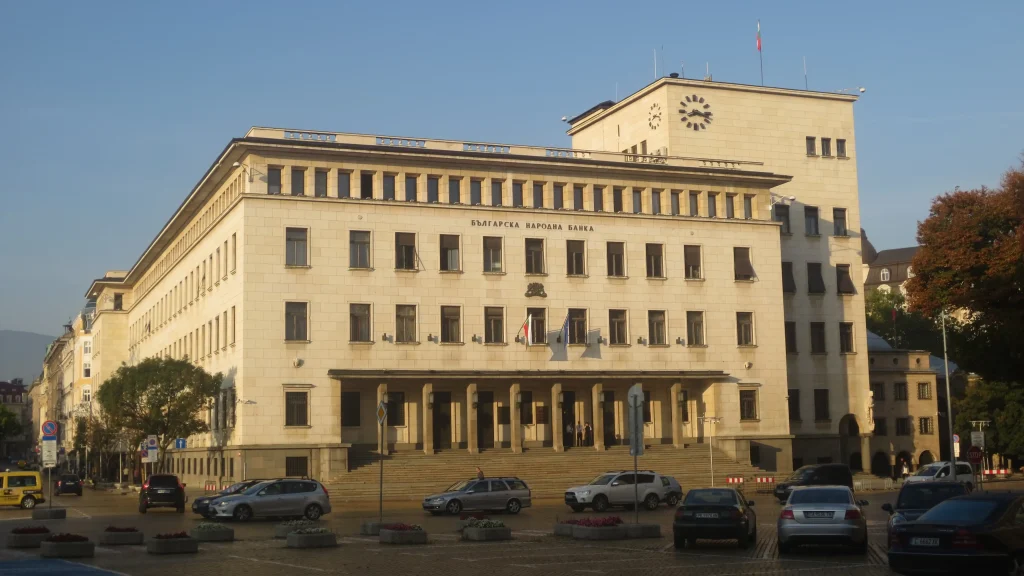
Image by Bjoertvedt, CC BY-SA 4.0
Banking Readiness and the Grace Period for Cash
Forcing a population to empty their cash jars and deposit their savings into banks brings "mattress money" back into the formal economy. Many Bulgarians, especially retirees, hoard cash at home. The dual circulation period in January 2026 creates a deadline for these citizens. To spend their old Lev, they must bring them into the light. This process helps the government track the total amount of money in circulation. While some find this stressful, the banking sector has prepared extensively. Commercial banks offer a six-month grace period where citizens can exchange Lev for Euro at no cost. This window closes on July 1, 2026, forcing a complete change into the digital and Euro-based banking system.
This "grace period" reduces the panic that usually accompanies a currency change. It allows people living in rural areas to visit a bank branch at their convenience rather than rushing on 1st January. The Bulgarian National Bank also plays a vital role by offering unlimited duration for exchanges. This means that if someone finds an old stash of Lev ten years from now, they can still convert it into Euros. This safety net prevents the total loss of wealth for those who miss the initial deadlines. The state makes the change easy to win over the 50% of the population currently skeptical of the shift.
Conclusion: The New Reality of the Bulgarian Lev
The shift from a national icon to a continental standard marks the end of Bulgaria’s economic isolation. The move completes a process that started in 1997. The state locked the exchange rate and monitored prices to build a bridge toward a more integrated future. Adopting the Euro changes the banknotes and declares the nation's future direction.
While the debate between sovereignty and integration will continue, the 1.95583 conversion rate ensures that the value of labor remains consistent. The month of dual circulation serves as the final test for a population that has survived decades of economic and political shifts. As the Lev retires into history books and collectors' albums, the Euro takes its place as the foundation of Bulgarian trade. This change signals a commitment to stability over volatility. The citizens of Bulgaria now hold the same currency as their neighbors in Paris, Berlin, and Rome, finally closing the gap between the east and the west of the continent.
Recently Added
Categories
- Arts And Humanities
- Blog
- Business And Management
- Criminology
- Education
- Environment And Conservation
- Farming And Animal Care
- Geopolitics
- Lifestyle And Beauty
- Medicine And Science
- Mental Health
- Nutrition And Diet
- Religion And Spirituality
- Social Care And Health
- Sport And Fitness
- Technology
- Uncategorized
- Videos

