
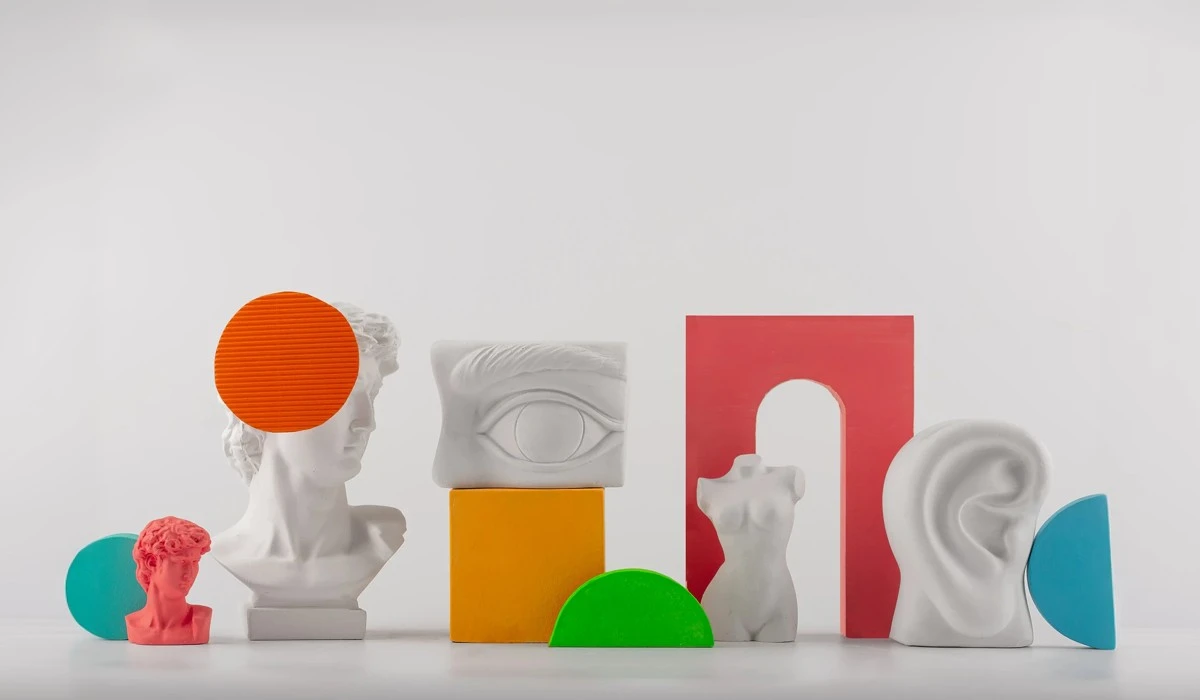
Visual Culture in Art History and Modern Languages
A tourist stands before a vibrant mural in Mexico City and sees bright colors and jagged shapes. They see beauty. A student of Art History and Modern Languages sees something entirely different. They see a specific political argument voiced through the local dialect of visual symbols. As noted in the eCampusOntario pressbook But What Does It Mean?, the significance of an image is never static and can shift significantly. Consequently, people often overlook how an image's entire meaning changes based on the words used to describe it. While our physical eyes perform the sight, our vocabulary defines what we actually perceive.
According to the eCampusOntario publication Introduction to Visual Culture, this overlap defines the field because it involves thinking seriously about how pictures create meaning. This discipline bridges the gap between the things we see and the ways we speak about them. Within a world full of digital images, this dual expertise helps us decode the environment. A time exists where a single picture starts a revolution or sells a product across six continents. A grasp of the connection between images and language provides the entry point to this global conversation.
The Symbiosis of Art History and Modern Languages
Language and visual interpretation share a deep bond. They function as two sides of the same coin rather than separate subjects. To grasp the full message of a culture's art, you must also gain proficiency in its tongue.
Beyond Translation
Research published in ScienceDirect states that the German concept of Heimat relates closely to place attachment and a sense of belonging. Therefore, learning a language reveals concealed meanings in regional art movements. English speakers might simply say "homeland," but they miss the emotional weight the word carries in German Romantic paintings. Researchers use visual culture studies to spot these linguistic traces in every brushstroke.
Primary Sources and Original Intent
Reading an artist’s diary in its original tongue provides authentic analysis. An Italian Futurist manifesto sounds different in Italian than it does in an English textbook. The original words carry a violent energy that translations often soften. As highlighted in reports regarding New York State legislation on museum labeling, scholars examine these primary sources to verify the "provenance" or ownership history of a masterpiece, particularly to identify items taken by historical regimes. They use historical linguistics to read old contracts and personal letters. This work ensures that we interpret the artist's vision correctly.
How Visual Culture Studies Redefines the Archive
Modern archives now include items besides oil paintings in gold frames. The Carter Museum notes that the field of visual culture studies requires us to think critically about pictures and how they generate meaning in our world, forcing a look at the "everyday" visual world. This shift changes what we consider historically important.
The Vernacular Image
Researchers now analyze street art, advertisements, and social media posts through a multilingual lens. These "vernacular images" tell the real story of how ordinary people live. When we study murals in Tehran, we see how Persian calligraphy transforms a public wall into a message board. Why is it important to study art and language together? Combining these fields allows researchers to decode cultural symbols that are often lost in translation, providing a more holistic view of human expression. This approach treats visual culture like a grammar system.
Breaking the Eurocentric Canon
As noted by Smarthistory, early art historians historically emphasized European traditions and Greek or Roman origins. For decades, art history focused mainly on Western Europe. This new discipline creates a more inclusive view of history. It invites voices from the Global South into the gallery. The use of indigenous languages to describe artifacts respects the original creators. This methodology challenges old power structures. It moves us away from a world where one culture labels the art of another.
Gaining Proficiency in Art History and Modern Languages in the Digital Age
Technology changes how we consume global imagery. We no longer visit a physical museum to see the world's treasures. According to the Knight First Amendment Institute at Columbia University, algorithms largely determine the content users see on screens. Consequently, we view them through a glass screen, often filtered by these mathematical sets.
Digital Humanities and Mapping

Software now allows us to track how an artistic style moves across borders. A specific brushstroke might start in Tokyo and appear in a New York gallery a week later. Scholars use these tools to map the migration of ideas across linguistic borders. As discussed in Artforum regarding W.J.T. Mitchell’s theory, this work highlights the "Pictorial Turn," which suggests that in modern media, pictures might be even more significant than words.
The Algorithm of the Image
Global platforms prioritize certain aesthetics based on linguistic demographics. If you speak English, your social media feed might show you different art than someone who speaks Arabic. Specialists in Art History and Modern Languages identify these patterns. They ensure that diverse visual styles continue to reach global audiences. They fight against a digital world that tries to make every image look the same.
The Political Language of Global Imagery
Images serve as powerful tools for governments and activists. Research published in the Journal of Communication and Social Change observes that iconic imagery and national symbols are used to evoke identity and pride. They can build loyalty or spark a protest in a matter of seconds. The study further notes that these images work because they pair symbols with short slogans that frame ideology and increase relatability. A red star or a specific fist salute carries a history that requires linguistic context to understand. Today, we see this same pattern in digital diplomacy and global branding.
Decolonizing the Gallery
Museums face the challenge of re-labeling their collections. They must acknowledge where objects came from and who truly owns them. This requires a deep knowledge of Art History and Modern Languages. What can you do with an art history and modern languages degree? Graduates often pursue high-level careers in international museum curation, cultural diplomacy, and global art law, where bilingual expertise is a prerequisite. They use their skills to return stolen artifacts to their rightful homes. These experts help rewrite the stories we tell about our shared human history.
Cinema as a Bridge for Visual Culture Studies
Film acts as the ultimate intersection of moving images and spoken word. It provides a laboratory for studying how we perceive the world.
Subtitles vs. Visual Nuance
Cinematic language often communicates what words cannot. A director might use a specific color to signal danger, even if the characters are laughing. According to the W3C Web Accessibility Initiative, subtitles typically only convey spoken audio for those who cannot understand the language. Therefore, while they help us follow the plot, they often miss these visual puns. A grasp of the "gaze theory" helps us see who holds the power in a scene. It reveals the dynamics between the viewer and the subject.
National Identity on Screen
Each culture uses specific visual cues to define its place in the world. French cinema might focus on the philosophy of the gaze, while Bollywood uses spectacle to tell moral tales. Analyzing these differences requires a grasp of both the language and the visual history of the region. This knowledge helps viewers appreciate the depth of global storytelling.
Professional Advantages of the Dual Specialist
The global market rewards people who can bridge different worlds. Having two specialties makes you a valuable asset in many industries.
The Global Art Market
According to the 2025 Global Art Market Report by Art Basel and UBS, sales in the industry reached approximately $57.5 billion in 2024. This market continues to move billions of dollars every year. Auction houses need experts who can read the fine print on old French sales receipts or Italian contracts. They also need people who can spot a forgery by analyzing the "pictorial intelligence" of a piece. Is art history a hard major? While it requires rigorous analytical skills and extensive research, the addition of a modern language makes it a highly competitive and intellectually rewarding field of study.
Media and Communications
Large companies need visual literacy for their global marketing. A campaign that works in London might fail in Tokyo because of a misinterpreted symbol. Graduates who gain proficiency in Art History and Modern Languages prevent these costly mistakes. They act as translators for both words and images in journalism and advertising.
Why We Need Art History and Modern Languages Now
We live in a time of constant visual noise. Fake images and deepfakes make it hard to know what is real.
Combatting Visual Literacy Gaps
Studying these fields teaches us to slow down. We learn to verify the source of an image before we believe its message. This skill protects us from misinformation. We look for the "signifier" and the "signified" to see how a picture tries to manipulate our emotions.
Promoting Global Empathy
Understanding the visual and linguistic context of another culture helps us build bridges. We stop seeing others as different and start seeing our common elements. Visual culture studies provide the tools to navigate a world that becomes more connected every day. This field promotes a deeper respect for the diverse ways people express their truth.
The Future of the Global Visual Narrative
We cannot truly see our world if we do not understand the languages that define it. Every image carries a history and a voice. Gaining proficiency in Art History and Modern Languages gives you the ultimate toolkit for the 21st century. It turns you into a detective of the visual world. You learn to spot the concealed stories in every painting, film, and digital post. This process requires you to look closer and listen harder. The world is full of global stories waiting for someone to decode them. Start examining the connection between sight and sound today.
Recently Added
Categories
- Arts And Humanities
- Blog
- Business And Management
- Criminology
- Education
- Environment And Conservation
- Farming And Animal Care
- Geopolitics
- Lifestyle And Beauty
- Medicine And Science
- Mental Health
- Nutrition And Diet
- Religion And Spirituality
- Social Care And Health
- Sport And Fitness
- Technology
- Uncategorized
- Videos

