
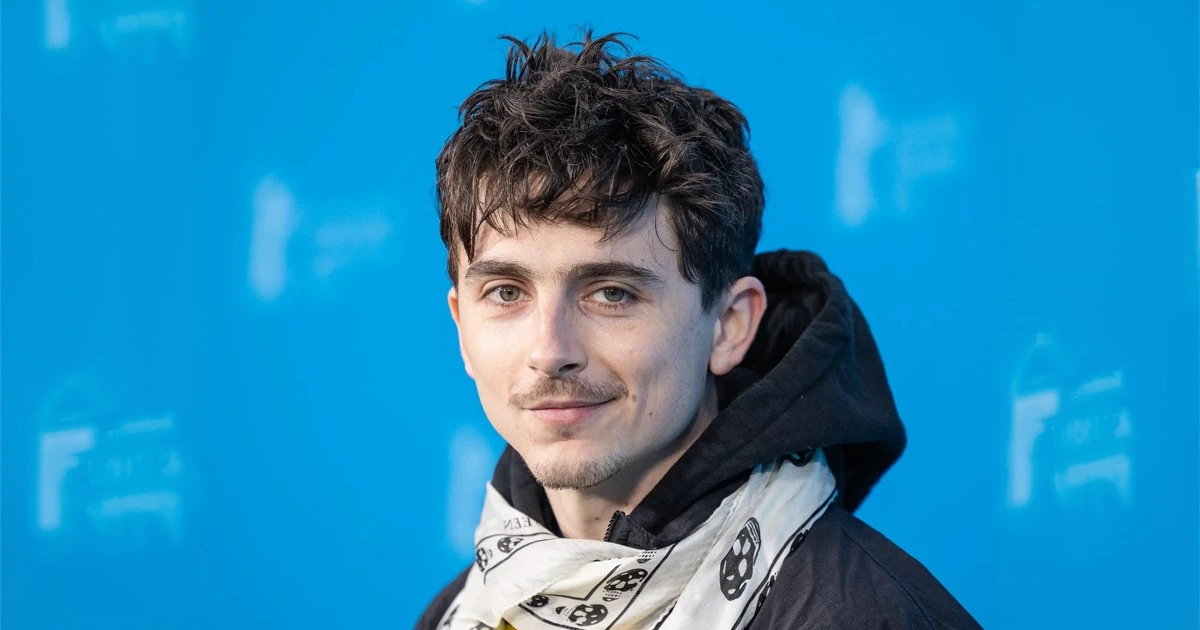
Image Credit - By Harald Krichel, Wikimedia Commons
Timothée Chalamet Oscar Controversy Explained
When a Hollywood frontrunner casually dismisses a 400-year-old art form right before award voting closes, the public assumes pure arrogance. A deeper look reveals how a months-long promotional marathon fractures a carefully crafted public image, forcing raw exhaustion to the surface.
The Timothée Chalamet Oscar controversy dominated headlines precisely when the actor needed universal industry support. Audiences watched a polished star suddenly stumble on camera. As noted by ITV, critics seized the moment to attack his character, with figures like Isabel Leonard expressing shock over his narrow-minded views, and fans scrambled to piece together conflicting statements regarding his true feelings on classical performance.
You rarely see a massive cinematic campaign derail over a single off-hand comment about theatrical performances. Making sense of this cultural explosion requires looking past the viral video clip. The outrage exposes intense class divisions in modern entertainment. It highlights the grueling reality of modern award campaigns. The controversy forces audiences to examine the intense pressure placed on young stars competing for the highest honors in film.
The Timing of the Timothée Chalamet Oscar Controversy
Scandals rarely explode on a random Tuesday. They detonate precisely when the highest number of voting ballots sit unfinished on academy desks. According to a report by The Guardian, a CNN/Variety video conversation recorded on February 24 surfaced in late February 2026 featuring Chalamet and actor Matthew McConaughey. During this casual conversation, Chalamet openly dismissed the preservation of ballet and opera. The remarks sparked an immediate wave of internet outrage, and according to Onmanorama, the video gained immense viral traction as it rapidly circulated across major social platforms, eliciting severe backlash from the arts community.
By early March, the public backlash escalated into a full-blown media crisis. The explosion of anger aligned perfectly with the critical Thursday closure of Oscar voting ballots. The controversy reached its absolute peak right as academy members finalized their choices.
This precise timing fueled wild speculation online. Some devoted fans theorized that rival fan accounts launched a deliberate smear campaign. They argued the outrage felt far too coordinated for a spontaneous event. Supporters claimed detractors intentionally pushed the video to damage his reputation at the worst possible moment. The anticipation of the mid-March Sunday Academy Awards ceremony shifted entirely from excitement to pure dread.
The Deep Roots of the Ballet and Opera Backlash
People assume critics of elite art lack cultural exposure. Sometimes, the harshest judgments come from those who spent their entire childhood backstage. The public blasted the actor for his seeming ignorance of theatrical performance. Detractors painted him as an uncultured movie star entirely disconnected from refined artistic traditions. In reality, he possesses deep familial ties to the New York City Ballet. His mother worked extensively as a ballet teacher, and his grandmother performed professionally on grand stages. He spent decades surrounded by the strict discipline and backstage realities of live performances.
The LaGuardia High School principal publicly addressed the situation. The educator acknowledged the actor’s inherent goodness while expressing deep disappointment in his uncharacteristic statements. The intense ballet and opera backlash completely ignored his lifelong exposure to the medium.
Back in a 2019 interview, the actor voiced deep childhood fears regarding cinema's potential irrelevance. He drew direct comparisons between modern film and dying classical mediums. His recent comments align perfectly with his long-standing personal anxieties about art becoming entirely obsolete. He simply fears movies will suffer the exact same fate as classical theater.
The Cold Hard Numbers Behind the Drama
Outrage thrives on emotional reactions to perceived insults. The raw attendance figures reveal exactly what modern audiences actually consume.
People quickly took to the internet for answers. Why did Timothée Chalamet get canceled? He faced intense online backlash after calling ballet and opera obsolete during an interview. The public viewed his remarks as classist and highly arrogant, sparking an immediate cancellation attempt on social media. Despite the massive outrage, the actor simply voiced a harsh statistical reality. The raw data paints a grim picture for live theatrical performances:
- United States ballet attendance dropped from 8.2% to 4.7% between 2017 and 2022.
- Opera attendance suffered a severe decline, falling from 2.2% to 0.7% in the exact same timeframe.
- The public consistently demonstrates growing apathy toward theatrical performance and music.
He immediately retracted his negativity in the very same interview. He expressed deep regret for his unprovoked comments regarding classical arts. He even joked about a fictional financial metric, suggesting his remarks carried a 14-cent theoretical viewership penalty. Capitalizing on the viral moment, The Guardian reported that the Seattle Opera launched a smart marketing campaign on Instagram. The organization successfully weaponized the drama and offered a 14% promotional ticket discount for their production of Carmen.
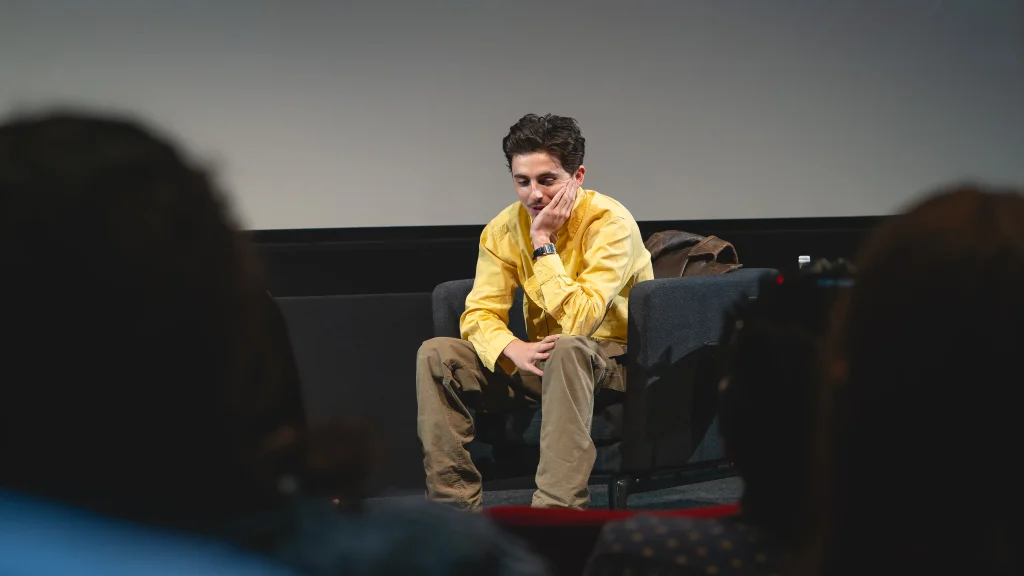
Image Credit - By Raph_PH, Wikimedia Commons
Artificial Intelligence vs Human Artistry
Fans rushed to defend classical performers from a millionaire's critique. A broader look at the industry reveals a bitter fight over who survives the rise of computer-generated art. Actor and performer Zach McNally heavily criticized the viral comments. He pointed out the extreme inappropriateness of artists attacking each other in the current climate. He emphasized the urgent need to protect all live performance mediums during the massive threat of artificial intelligence. McNally argued that human artists must unite against technological replacement.
Performer Amar Smalls highlighted the intense financial barrier to the classical stage. Opera and ballet demand exclusivity and wealth from their patrons. Meanwhile, populist blockbuster cinema requires no formal attire and welcomes everyone. Smalls argued the actor failed to recognize his own immense privilege within the modern entertainment business.
The Timothée Chalamet Oscar controversy perfectly captured this growing class divide. The actor currently enjoys major Hollywood star status. He recently generated $714 million in global revenue for Dune Part Two. The public firmly rejected a highly paid blockbuster star punching down at struggling classical performers fighting to keep their artforms alive.
The 2026 Academy Awards and the Timothée Chalamet Oscar Controversy
Blaming a sudden scandal for a lost trophy provides a convenient excuse. The momentum for this race started shifting toward a rival well before anyone mentioned classical music. The actor had already lost vital precursor trophies. He faced major defeats at both the Bafta and the Actors Awards. These vital ceremonies often predict the ultimate winner of the season. His Oscar trajectory experienced a sharp decline completely independent of the media scandal.
According to Cointelegraph, odds offered a grim reality check for his supporters. The publication noted that Polymarket traders placed Michael B Jordan at an approximate 47% probability to win Best Actor, while Chalamet trailed behind at roughly 45%.
Did Timothée Chalamet lose the Oscar because of his interview? The Timothée Chalamet Oscar controversy severely damaged his public image right as voting closed. Industry insiders note his momentum had already shifted to rival Michael B Jordan weeks prior to the scandal. The 2026 Academy Awards ceremony loomed large, but the data proved the race was already lost. The viral scandal simply provided the public with an easy explanation for his inevitable defeat on the big night.
The Secondary Scandal Haunting Marty Supreme
Public anger often funnels into the most accessible soundbite. A heavier, unresolved tension surrounding the film's director simmered in the background throughout the entire press tour. Audiences felt immense discomfort regarding director Josh Safdie. The filmmaker previously faced a major controversy concerning the casting of a minor in a past project. This secondary issue severely weighed down the campaign for Marty Supreme. Voters and audiences alike struggled to separate the acclaimed performance from the director's troubling history.
The actor poured everything into the leading role. According to People, he secretly dedicated seven grueling years to training as a professional table tennis player specifically to prepare for Marty Supreme. He even practiced extensively between takes on the sets of massive blockbuster films. He committed his entire physical and mental focus to excelling at the sport for the screen.
The Timothée Chalamet Oscar controversy merely added fresh fuel to an already burning fire. The film desperately needed a flawless promotional run to overcome the director's baggage. Instead, the combined weight of Safdie's past and the star's viral interview completely sank the highly anticipated campaign.
Press Tour Exhaustion and Persona Fatigue
Endless interviews demand constant charm and fresh anecdotes from an actor. Eventually, the well runs dry and unfiltered frustration takes over the microphone. Author Michael Schulman noted the excessive, punishing duration of the modern award season. Overexposure to microphones leads to a complete depletion of meaningful conversation topics. Actors sit through thousands of repetitive questions. Eventually, the polished media training cracks under the sheer volume of press engagements.
Schulman highlighted the public's rejection of the actor's brash, arrogant youth persona. The sudden shift to award-season humility felt entirely awkward and forced to many viewers. What did Timothée Chalamet say to Matthew McConaughey? During their late February video interview, Chalamet expressed complete disinterest in preserving theatrical performance and classical music. He quickly retracted the negativity, but the viral clip had already sparked massive global outrage.
Theatre critic Ian Brown called the stance extremely foolish and predicted lasting reputational damage. Opera singer Isabel Leonard viewed the attack as indicative of poor character. She expressed deep disappointment in the unnecessary negativity aimed at fellow performers.
A Complicated Interior Life Behind the Headlines
The media painted a highly specific picture of an arrogant star. The actor actually maintains a highly layered interior life outside of the promotional circuit. He holds sincere reverence for singer Susan Boyle. He deeply resonates with her massive ambitions and the emotional power of her viral performance.
He values genuine connection over Hollywood posturing. As reported by People, he spent his 2026 Critics' Choice Best Actor acceptance speech giving a rare public shout-out to his partner, Kylie Jenner. The publication noted that he specifically acknowledged her for providing three years of essential emotional support. The industry rewarded his vulnerability. He received a massive standing ovation from his peers at the event.
Meanwhile, bizarre internet rumors continually circulate regarding his personal life. Wild speculation suggests the actor holds a secret identity as UK drill rapper EsDeeKid, also known as Fakemink. The internet remains obsessed with unearthing obscure versions of the celebrity. Ultimately, the public demands an impossible level of perfection from modern stars. The moment an actor reveals authentic exhaustion, the entire industry turns its back.
The Real Cost of the Timothée Chalamet Oscar Controversy
The fallout from this award season extends far beyond a single lost trophy. The public demands endless authenticity from its modern stars. Yet, the moment a celebrity expresses a genuinely unfiltered, exhausted thought, the industry punishes them relentlessly.
The harsh reaction to a few tired remarks exposes the fragile nature of Hollywood campaigning. An actor can train for seven years, sweep early critic awards, and dominate the global box office. One unscripted conversation can still erase months of exact media strategy.
The Timothée Chalamet Oscar controversy serves as a brutal reminder of the modern media environment. Audiences prioritize viral outrage over nuanced reality. They ignore lifelong connections to the arts and completely disregard statistical attendance facts to fuel a daily scandal. The outrage machine requires constant feeding. This time, it consumed an exhausted frontrunner simply running out of things to say.
Recently Added
Categories
- Arts And Humanities
- Blog
- Business And Management
- Criminology
- Education
- Environment And Conservation
- Farming And Animal Care
- Geopolitics
- Lifestyle And Beauty
- Medicine And Science
- Mental Health
- Nutrition And Diet
- Religion And Spirituality
- Social Care And Health
- Sport And Fitness
- Technology
- Uncategorized
- Videos

