
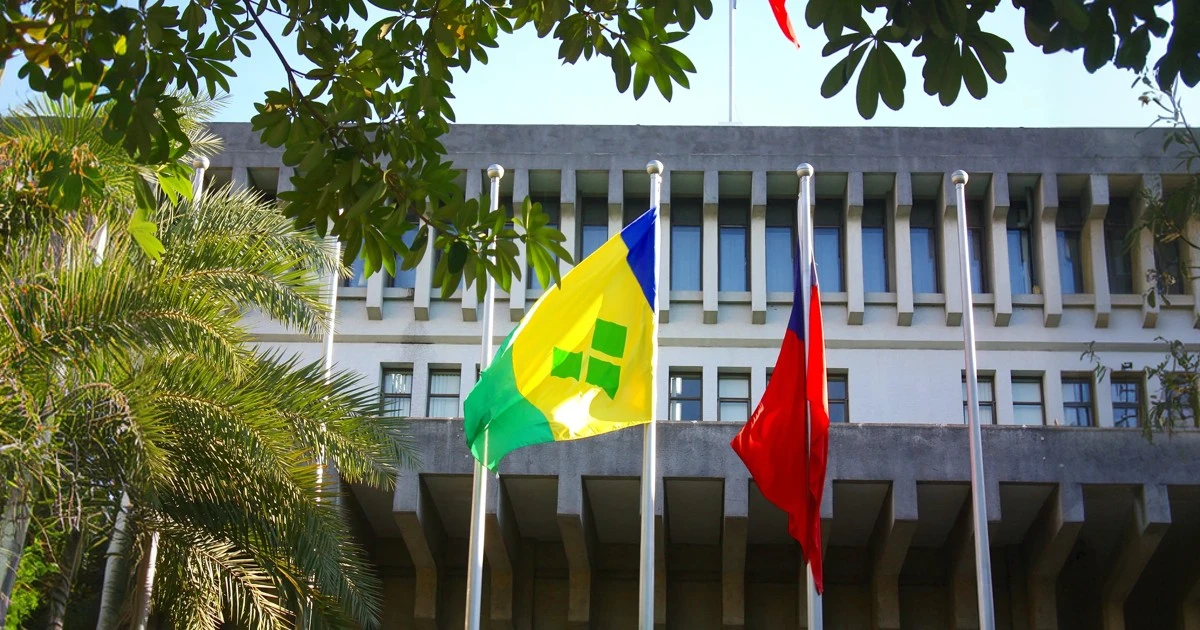
Image by J. Patrick Fischer, CC BY-SA 3.0
St. Vincent Opposition Wins Power
A Political Tsunami Reshapes the Caribbean Archipelago-The Verdict of the People
Citizens of the Caribbean archipelago known officially as St Vincent and the Grenadines delivered a shocking verdict that reshaped the political landscape overnight. The New Democratic Party, or NDP, surged to power with a commanding mandate, securing 14 of the 15 seats in the House of Assembly. This decisive result ended the two-decade reign of the Unity Labour group, often referred to as the ULP. Citizens across the islands queued for hours to cast their ballots, signalling a desperate desire for change. Election officials confirmed the results early this morning, cementing a landslide victory that few pundits predicted would be so absolute. The sheer scale of the swing against the ruling administration surprised even the most optimistic opposition supporters. Jubilant crowds flooded the streets of Kingstown to celebrate the dawn of a new era. This victory marks a definitive conclusion to one of the longest continuous governments in the English-speaking Caribbean.
End of an Era for Gonsalves
Ralph Gonsalves, the veteran politician famously nicknamed "The Comrade," witnessed the collapse of his political empire. He managed to retain his own position in the legislature, but he stands isolated. Every other candidate from his party suffered defeat. The group previously held a strong majority, but that lead disappeared entirely. Gonsalves had served as the head of government since the year 2001. Until this vote, he ranked as the longest-serving premier in the Caribbean basin. Political experts attribute this loss to a mix of voter fatigue and financial hardship. The populace evidently believed that the ULP had exhausted its ideas after 24 years. Not even the personal popularity of the former Prime Minister could save his team. He must now adjust to the reality of leading an opposition of one, a humiliating end to a dominant career.
A New Captain at the Helm
Godwin Friday has ascended to the office of Prime Minister following the triumph of the NDP. The lawyer, aged 66, spent many years readying himself for this responsibility. He has held a seat in the House of Assembly representing the Northern Grenadines for over two decades. Friday assumed control of the party organization in 2016 and worked diligently to expand its base. His calm personality offers a stark difference to the combative approach of his predecessor. Many view him as a stable figure who can steer the country through economic storms. Friday accepted his win with grace and vowed to serve every citizen equally. The official ceremony to swear him in took place immediately. He now faces the urgent task of selecting ministers from his large group of successful candidates to form a functioning cabinet.
Congratulations from Jamaica
Heads of government throughout the Caribbean Community responded quickly to the shift in Kingstown. Andrew Holness, the leader of Jamaica, transmitted his best wishes to the incoming administration. Holness did this while simultaneously managing disaster relief efforts within his own borders. He characterized the polling results as a significant milestone for the people of St Vincent. Writing on the social network X, Holness expressed hope for the success of Dr Friday in his new role. The Jamaican premier invoked divine wisdom to assist the new leadership in their duties. His message highlighted the strong bond that exists between Kingston and Kingstown. Holness emphasized a desire to strengthen cooperation as they strive to build a resilient region together. He noted that unity remains essential for future Caribbean prosperity.
The Diplomatic Tug of War
Foreign policy analysts are scrutinizing the stance of the new government regarding Asian alliances. The nation of St Vincent remains one of the few global entities to maintain formal ties with Taipei rather than Beijing. In the past, the NDP indicated a willingness to sever those links in favor of China. Yet, their manifesto for the 2024 campaign stayed silent regarding this diplomatic dilemma. Opponents criticized the party for failing to clarify their position on this topic. Fiona Fan, the ambassador representing Taiwan, acted swiftly to congratulate the winner. Her quick response likely aims to cement the relationship before any changes occur. The coming weeks will reveal whether the new administration intends to uphold the status quo or execute a major pivot toward the Asian superpower.
Pressure from Beijing
The government in Beijing has aggressively wooed Caribbean states over the past decade. They provide substantial loans for infrastructure to secure diplomatic recognition. Nearby islands such as Grenada and Dominica changed their allegiance years ago. This leaves Kingstown as a diplomatic outlier in the chain. Chinese officials view the region as a strategic frontier and desire to flip another ally of Taiwan. The previous administration under Gonsalves maintained strict loyalty to Taipei, citing shared democratic ideals. Friday now encounters intense pressure from both sides of the Taiwan Strait. Economic needs might influence his final decision. If China presents a large financial package, it could fund his campaign pledges. The new Prime Minister must balance immediate cash against long-term stability and traditional friendships.
Fruits of the Partnership
The relationship between Kingstown and Taipei produced tangible results under the former government. Funds from Taiwan facilitated major construction works, including the terminal at Argyle International Airport. The Asian ally also provided extensive aid to the medical sector and granted scholarships to students. Following the vote, the foreign ministry in Taipei released a statement highlighting values like liberty and human rights. They evidently hope that the concrete benefits of their friendship will persuade the new leaders to remain loyal. Abandoning Taiwan would involve walking away from a partner deeply involved in national development. Friday needs to calculate if the potential rewards from Beijing exceed these established advantages. He must decide if the risk of switching allies is worth the potential financial gain.
The Controversy of Selling Passports
A highly debated topic during the campaign involved the proposal to launch an investment citizenship program. Among the independent members of the Organisation of Eastern Caribbean States, only St Vincent refuses to sell passports to foreign investors. Ralph Gonsalves famously opposed such programs on moral grounds. He argued that national identity should never become a commodity. The NDP takes a contrasting view, regarding this mechanism as a vital tool to boost revenue. They point to the wealth generated by neighbors like St Kitts as a model. This policy shift signifies a fundamental change in economic philosophy. Detractors fear it invites illicit finance, while proponents view it as a lifeline for the economy. The new administration argues that they cannot afford to ignore this lucrative revenue stream any longer.
Economic Struggles Drive Change
Financial difficulties undoubtedly contributed to the defeat of the ruling party. The country currently struggles with significant public debt and a slow recovery from the pandemic. Unemployment affects many, especially the younger demographic. The opposition capitalized on this anxiety by pledging to generate superior employment opportunities. They contended that the previous economic strategy failed to bring prosperity to average citizens. Rising living costs have stretched household budgets, making voters open to new revenue ideas. The incoming finance officials must now examine the national accounts. They face the arduous task of fulfilling populist spending promises while maintaining fiscal discipline. The public expects immediate relief from the crushing cost of living that has plagued the island for years.
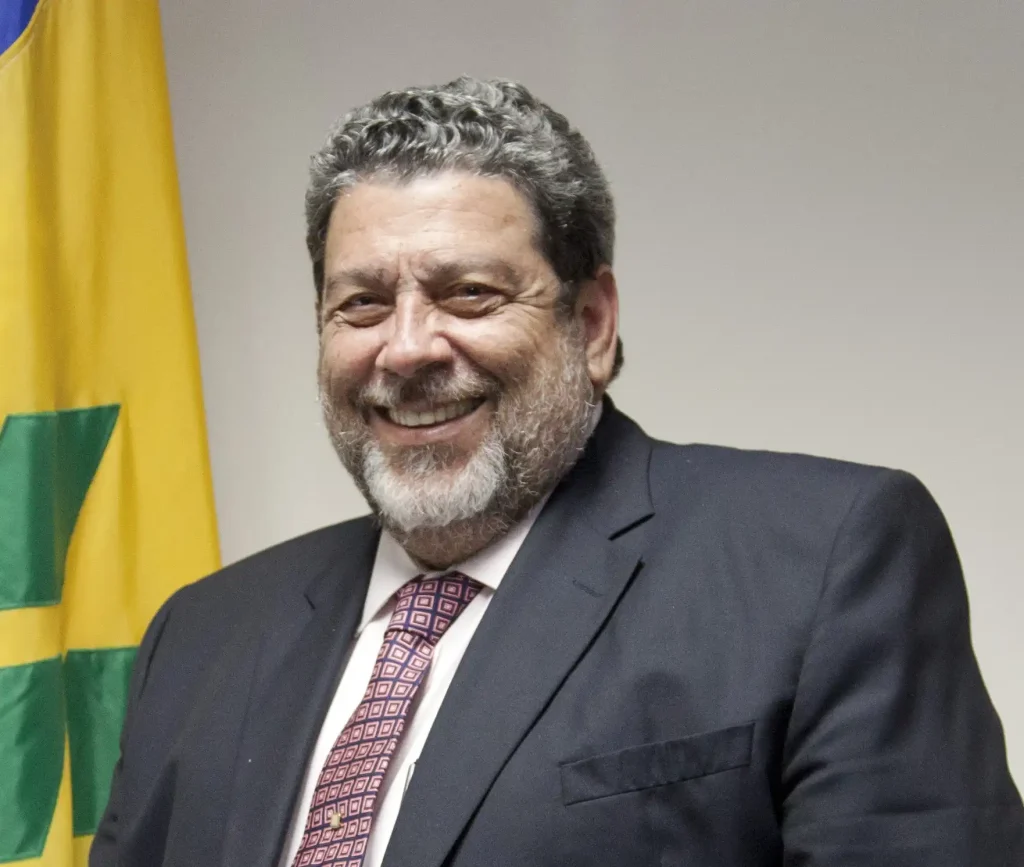
Image by- Fernanda LeMarie - Cancillería del Ecuador, CC BY-SA 2.0
Crumbling Roads and Angry Voters
Citizens frequently pointed to the poor condition of local infrastructure as a reason for rejecting the incumbents. Roads filled with potholes became symbols of a government that had neglected the basics. The winning manifesto promised a total overhaul of the national grid. They vowed to repair the networks connecting rural villages to the main towns. Furthermore, they pledged to upgrade medical clinics that many deem inadequate. The outgoing regime boasted about building the airport, but voters seemed more focused on their daily commute. The administration of Godwin Friday must now find the capital to fund these repairs. The public demands visible progress within the first year. Failure to fix the streets could quickly turn the electorate against the new leaders.
The Aftermath of the Storm
Destruction caused by Hurricane Beryl in July 2024 influenced the election significantly. The tempest inflicted catastrophic damage, especially in the Southern Grenadines, obliterating nearly all housing on Union Island. Many residents felt the official response lacked speed and efficiency. Friday, who represents a constituency in that area, effectively channelled the frustration of displaced families. He argued that central authorities had ignored the outer islands for too long. The disaster exposed the weakness of the housing stock. It highlighted the urgent need for better climate resilience. The new government has made reconstructing these communities a top priority. They must navigate the complex process of securing international aid for the effort. Rebuilding these lives serves as the first major test of their competence.
Shift in Climate Strategy
Ralph Gonsalves established a global reputation as an advocate for climate justice alongside demands for slavery reparations. He often utilized international stages to demand compensation from former colonial masters. However, local observers suggest this high-level diplomacy did not resonate with voters facing daily struggles. While Gonsalves discussed global unfairness, his constituents worried about electricity costs and food prices. The electorate appeared to view his focus on foreign advocacy as a distraction from domestic issues. Friday has indicated a preference for practical measures to reduce climate risks locally. The incoming team will likely pursue a pragmatic approach. They aim to secure funds for sea defenses rather than engaging in rhetorical battles. The focus shifts from global lectures to local protection.
Scars from the Pandemic
Political fallout from the Covid-19 era played a delayed but powerful role in this outcome. The ULP administration enforced a strict compulsory vaccination policy for frontline staff, including police and teachers. This rule resulted in the termination of those who refused the injection, causing deep resentment. Demonstrations in 2021 turned violent, leading to an injury for Gonsalves himself. The opposition promised to reinstate every worker who lost employment due to the rule. They also pledged to compensate them for lost wages. This promise energized public sector unions and their families. The lingering bitterness over the health policy proved to be a strong motivator for the opposition. Voters used the ballot box to punish the government for what they saw as overreach.
Restoring Faith in Government
Emanuel Quashie, a scholar at the University of the West Indies, interpreted the defeat as a rejection of perceived arrogance. He noted that while Gonsalves successfully guided the nation through the financial crash and the eruption of La Soufrière, voters felt unheard. The campaign of the ruling party failed to communicate their achievements effectively. They relied too heavily on the personal brand of their leader. The electorate grew weary of the same messages after nearly a quarter-century. Friday focused his campaign on listening to citizens and addressing their grievances. The new government must work to heal the divisions created during recent years. Rebuilding trust in public institutions stands as a primary goal. They must prove that they serve the people, not just their own interests.
Tackling the Crime Wave
Escalating crime rates emerged as a central topic on the campaign trail, resonating with voters fearful for their safety. The opposition attacked the government record on law and order, citing a rise in violent incidents. They promised to equip the police service with superior resources to combat the problem. Their manifesto outlines a strategy to address root causes, such as a lack of opportunity for young men. Voters in urban centers expressed particular alarm at the frequency of gun offences. The incoming Minister of National Security faces immediate pressure to deliver results. The public expects a noticeable reduction in criminal statistics within the first term of the new administration. Safety has become a non-negotiable demand for the populace.
The Youth Vote Swings
Demographic changes played a critical part in the landslide, as younger citizens abandoned the ULP in large numbers. Many first-time voters have known only one prime minister their entire lives and desired a fresh perspective. High rates of youth unemployment fuelled a sense of hopelessness among this generation. The NDP utilized digital platforms effectively to reach these voters, bypassing traditional media. They promised innovation hubs and support for young entrepreneurs. The departure of educated youth seeking opportunities abroad remains a critical issue. The team led by Friday has vowed to create an environment that encourages professionals to build their futures at home. Retaining young talent is essential for the future economic health of the nation.
Engaging the Overseas Community
Vincentians living in foreign lands watched the election closely, influencing the outcome through money sent home and family discussions. The diaspora community often plays a vital role in financing political campaigns and shaping narratives. Many overseas citizens expressed frustration with the lack of progress they observed during visits home. The opposition tapped into this sentiment, organizing town halls in cities like New York and Toronto. They promised to give the diaspora a greater say in national development. The introduction of the investment citizenship program also appeals to those wanting to attract investors. The new administration plans to establish a formal structure for engaging with nationals living abroad. They recognize that the diaspora possesses wealth and skills that the country desperately needs.
The Danger of a Lopsided House
The one-sided result of 14 seats to one creates a unique challenge for the functioning of the legislature. With only a single opposition member, the standard checks and balances are severely weakened. Ralph Gonsalves faces a monumental task in holding the new government accountable. He possesses immense experience, but he lacks the votes to block any bill. The Speaker of the House needs to ensure that the lone opposition voice receives adequate time. Civic organizations have already called for the victors to exercise restraint. The NDP must avoid the temptation to rush legislation simply because they possess the numbers to do so. Democracy requires healthy debate, even when one side holds all the cards.
A Smooth Transfer of Power
`The process of transferring authority began immediately after the electoral commission announced the final count. Civil servants are already preparing files for the incoming ministers. This smooth transition demonstrates the maturity of the democratic institutions in the country. Friday has instructed his team to begin work instantly, focusing on a plan for the first 100 days. They intend to audit the national finances to obtain a clear picture of the fiscal health. The swearing-in of the Cabinet is scheduled for later this week. The public waits with anticipation to see who will occupy key ministries like Finance and Health. The speed of the handover reassures investors and citizens alike.
Challenges on the Horizon
The nation of St Vincent and the Grenadines stands at a crossroads as it enters this fresh political chapter. The euphoria of victory will soon yield to the difficult reality of governance. The new administration faces a daunting list of hurdles, from managing debt to building climate resilience. The promise of an investment citizenship scheme offers a potential windfall but carries significant risks. The geopolitical rivalry between Taiwan and China adds another layer of complexity. Godwin Friday has requested patience from the nation as he commences his work. Voters gave him a massive mandate; now they expect him to fulfill his ambitious pledges. The world watches to see if the small island nation can navigate these turbulent waters successfully.
Recently Added
Categories
- Arts And Humanities
- Blog
- Business And Management
- Criminology
- Education
- Environment And Conservation
- Farming And Animal Care
- Geopolitics
- Lifestyle And Beauty
- Medicine And Science
- Mental Health
- Nutrition And Diet
- Religion And Spirituality
- Social Care And Health
- Sport And Fitness
- Technology
- Uncategorized
- Videos


