
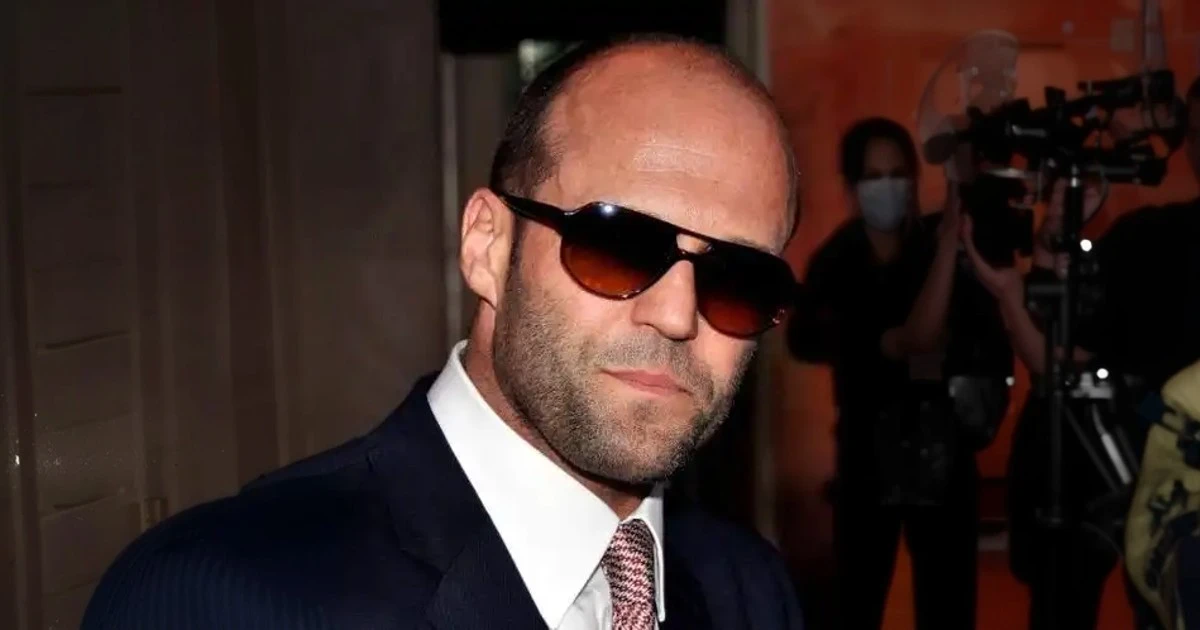
Image by- Georges Biard, CC BY-SA 3.0
Shelter Premiere Shows Jason Statham True Grit
Audiences cheer for the punch, but the actor lives with the bruise long after the director yells cut. The screen sells a fantasy of invincibility that conceals a transaction of genuine physical wear and tear. Jason Statham understands this exchange better than almost anyone in Hollywood. He built a career on the idea that gritty realism requires actual risk.
According to Reuters, the 58-year-old action star continues to throw himself into concrete and glass. He attended the UK premiere of his latest film, Shelter, on January 21, 2026. This event signals a major shift in how he approaches his work. He combines a "rough and tumble" past with the calculated precision of a veteran who knows his body's limits.
The days of bouncing back instantly are gone. Now, maintaining his status as a top-tier action hero involves constant physiotherapy and careful management of old injuries. He accepts the pain as a receipt for the work. This dedication creates a level of authenticity that CGI cannot replicate.
The Reality of Aging in Action Cinema
Surviving things that would break a normal person creates a legend. Admitting you are breakable sustains it. The human body keeps a strict score of every fall, jump, and collision over the decades. Jason Statham navigates this reality daily. He maintains an "in for a penny" mentality regarding his stunts. If he agrees to the scene, he accepts the potential damage.
This philosophy comes with a heavier price tag at age 58. The agility of youth fades, leaving behind the need for smarter preparation. He relies heavily on physiotherapy to keep his joints functional. In a 2025 interview with Far Out magazine, he discussed the accumulation of injuries. He noted that pain serves as a persistent reminder of past errors. It teaches him what not to do next time. Even small details affect his performance. He has mentioned that his size 10 boots sometimes make swimming sequences difficult. Every physical variable matters when you perform at this level.
How old is Jason Statham?
As noted by Reuters, he is 58 years old, having built a career in action cinema that spans over two decades.
He refuses to let age dictate his output. He adapts his training to match his current capabilities. The recklessness of his early years has evolved into a disciplined desire for excellence. He feels less anxiety now because he has decades of experience to fall back on. The nervousness that once plagued him has changed. He now views those nerves as "good" fuel for his performance.
Inside the Production of Shelter
Modern blockbusters often use computers to paint over danger, but practical effects force the audience to feel the weight of the blow. Director Ric Waugh built the movie Shelter on this principle. He rejects the safety net of visual effects in favor of grounded realism. Waugh believes that authenticity drives emotional engagement. If the danger looks fake, the audience checks out.
Jason Statham plays a reclusive former assassin in this film. The role demands a shift toward the thriller genre rather than pure, mindless action. The character lives in the shadows, matching Statham’s own preference for letting the work speak for itself. Waugh and Statham share a vision where the camera captures real sweat and real gravity. They want the viewer to flinch.
When is the Shelter release date?
A report by Deadline confirms the movie hits theaters on January 30, 2026, following its UK premiere earlier in the month.
The production pushed Statham to evolve. Beyond throwing punches, he portrays a man carrying the weight of a violent past. This aligns with his desire to explore more "thriller elements" in his work. He commits absolutely to the camera work. He honed his technical skills over years of working on sets like The Transporter and The Expendables. He prefers direct involvement in difficult sequences. This hands-on approach guarantees that the action beats serve the story.
A Career Built on Broken Bones and Discipline
Skills learned on the street often translate better to Hollywood than skills learned in a classroom. Jason Statham did not take the traditional route to stardom. He lacks the formal training of his peers, yet he commands the screen with undeniable presence. His background tells the story of a man who learned to hustle early.
He grew up in Shirebrook, Derbyshire, England. Before the red carpets, he worked as a market stall street seller. This job required quick wit, charm, and the ability to read a crowd instantly. Britannica notes that he also worked as a fashion model for brands like French Connection and Levi's. However, his discipline comes from the water. He spent 12 years on the British National Swimming Squad and competed as a diver in the 1990 Commonwealth Games.
Does Jason Statham do his own stunts?
He performs many of his own stunts and fights, drawing on his martial arts background, though he strongly advocates for professional stunt teams.
His martial arts training is equally extensive. He holds a black belt in Karate and has trained in Kickboxing and Chinese martial arts. This physical foundation allowed him to break out in Guy Ritchie’s Lock, Stock and Two Smoking Barrels in 1998 and Snatch in 2000. He possessed genuine capability alongside the tough persona. This authenticity helped his films gross over $8.5 billion worldwide. UK Companies House records indicate he built a production company, Punch Palace Productions, in 2022 to keep control over his creative output.

Image by- Richard Hebstreit, CC BY 2.0
The Unsung Heroes of the Industry
We worship the face on the poster while the people taking the hardest falls often remain completely anonymous. Jason Statham consistently uses his platform to challenge this imbalance. He believes the stunt community deserves far more respect than Hollywood currently gives them.
Stunt performers risk their lives to make the star look heroic. Statham calls them the "unsung heroes" of the movie business. He argues that it is unfair for actors to take full credit when a team of professionals mitigates the danger. In a 2013 Vanity Fair interview, he pointed out the "credibility gap" that exists when actors pretend to do dangerous work. He has immense admiration for these teams. He believes action units are essential to movie magic.
As highlighted by Vanity Fair, he actively advocates for the inclusion of a stunt category at the Oscars. He wants the industry to formally recognize the artistry and risk involved in stunt work. He admits that he crossed physical boundaries frequently in his youth. Now, he questions the wisdom of refusing stunt doubles. He realizes that utilizing experts protects the production and the performer.
Balancing Franchises with Gritty Thrillers
Actors often get trapped in the loop of their own success, repeating the same role until the audience moves on. He stays relevant through alternating between massive blockbusters and tighter, character-driven films. He leads major franchises like The Meg, Fast & Furious, and The Expendables. These movies deliver spectacle and massive box office returns.
However, he balances that popcorn entertainment with projects like Shelter. This film offers a grittier, more grounded experience. Critics like A.O. Scott have noted that Statham’s physique—a mix of muscle and scar tissue—does a lot of the acting for him. His presence alone tells a story. Steve Rose of The Guardian even noted his potential as a James Bond candidate, citing his versatility.
Despite rumors about playing Bond, Statham focuses on his own path. He has a busy schedule ahead. Production for Viva La Madness starts in January 2026. He also has Mutiny and a sequel to The Beekeeper scheduled for release later in the year. He refuses to be pigeonholed. He moves between genres, keeping the audience guessing.
The Physical Toll of Perfection
Success leaves physical traces that money cannot erase. Jason Statham treats his body as a tool that requires constant tuning. The accumulated injuries from films like The Transporter and Crank define his current regimen. He does not view these injuries with regret. He views them as necessary lessons.
He admits to occasionally feeling regret immediately after an injury occurs. That moment of pain signals a mistake. But he pushes through. His partner since 2010, Rosie Huntington-Whiteley, and their two children, Jack and Isabella, provide a life outside the industry. This balance helps him maintain perspective.
Critic Armond White described Statham’s work as "kinetic pop art." This description fits. His movement is his dialogue. He expresses character through action. He acknowledges that he cannot move the way he did at 30. Instead of fighting this fact, he incorporates it. He works smarter. He uses his technical knowledge to make the hits look harder while protecting himself.
Future Projects and Legacy
True longevity requires evolving before the audience gets bored. Jason Statham enters 2026 with a packed slate that proves his enduring appeal. The release of Shelter kicks off a year of high visibility. The film industry relies on his consistency.
His production company, Punch Palace Productions, gives him a vehicle to shape his own destiny. He has evolved from a gun for hire into a creator. The sequel to The Beekeeper suggests he is building new franchises even as he maintains old ones. Mutiny promises to add another layer to his filmography.
He has transitioned from a market seller to a global icon without losing his edge. He keeps his feet on the ground. He remembers where he started. He respects the stunt performers who make him look good. He delivers what the audience wants: hard-hitting action with a pulse.
The Enduring Authenticity of Jason Statham
Jason Statham remains a dominant force in cinema because he respects the reality of violence. He understands that action movies work best when the stakes feel real. With the release of Shelter, he proves that he can still command the screen at 58. He bridges the gap between the high-flying stunts of his youth and the grounded, tactical performance of a veteran.
His advocacy for the stunt community shows a man who values the team over the individual. He carries the scars of his career with pride. He continues to push forward with projects like Mutiny and The Beekeeper sequel. The industry changes, but his commitment to authentic, visceral entertainment stays the same. He pays the physical price so the audience doesn't have to.
Recently Added
Categories
- Arts And Humanities
- Blog
- Business And Management
- Criminology
- Education
- Environment And Conservation
- Farming And Animal Care
- Geopolitics
- Lifestyle And Beauty
- Medicine And Science
- Mental Health
- Nutrition And Diet
- Religion And Spirituality
- Social Care And Health
- Sport And Fitness
- Technology
- Uncategorized
- Videos

