
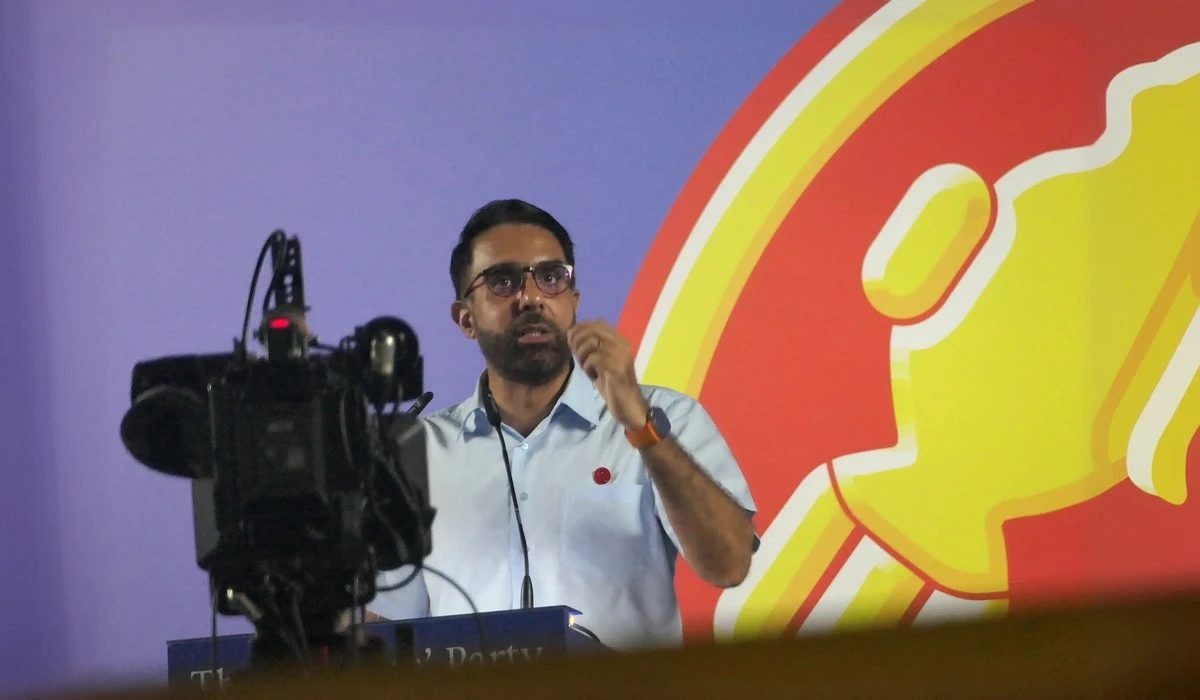
Image Credit - by Jnzl's Photos, CC BY 2.0, via Wikimedia Commons
Pritam Singh Stripped of Title: The Real Story
Public office often feels like a permanent platform, but it operates more like a rental agreement with a strict morality clause. You can win the votes of the people and still lose the confidence of the house. This specific tension just cost Pritam Singh his most significant political achievement. Following a three-hour debate and a decisive vote, Singapore’s political landscape shifted overnight. The fallout from a lying scandal didn't just result in a fine; it dismantled the official leadership of the opposition. While the courts settled the legal score, Parliament enforced its own ethical boundaries. The separation of a leader from his title reveals how high office demands more than just a mandate from the voters.
How Parliament Voted on Pritam Singh
Political titles often rely less on public ballots and more on the collective agreement of peers sitting across the aisle. Wednesday marked a turning point for the opposition. Parliament convened for a tense three-hour debate to decide if the Leader of the Opposition could keep his job after a criminal conviction. The numbers told a stark story. Out of 108 total seats, the Workers' Party holds only 12. When the vote finally happened, the result was overwhelming.
Only the 11 present Workers' Party members stood by their chief, voting against the motion. The majority ruled that Pritam Singh could no longer hold the official title. This vote did not expel him from the legislature, but it stripped away the prestige and authority associated with the leadership role. The decision hinged on the belief that a criminal record compromises the integrity required to lead.
The Executive Removal
Parliament voted to declare him unsuitable, but the legislature does not technically fire the Leader of the Opposition. The Prime Minister holds the actual authority to appoint or remove the person in that role. Following the vote, PM Lawrence Wong officially exercised this power on Thursday. He cited that a criminal conviction makes the high office untenable. He invited the Workers' Party to select a replacement to fill the now-vacant post.
The Scandal That Sparked the Removal
Small lies often compound into massive structural failures when leaders try to contain them instead of exposing them. This entire political storm traces back to 2021. It started when MP Raeesah Khan made false claims regarding police misconduct in a sexual assault case. The core issue wasn't just her initial lie. The courts found that her leadership guided her to keep the false narrative alive.
This specific accusation of guiding a subordinate to suppress the truth became the anchor for the perjury charges. By February 2024, a court found Pritam Singh guilty. The legal system-imposed fines, but the political consequences took longer to materialize. The delay between the act and the consequence allowed the political pressure to build over years.
Losing the Appeal
The legal battle didn't end with the first verdict. An appeal attempted to overturn the conviction. However, by December 2024, the courts upheld the original decision. This final legal stamp paved the way for parliamentary action. The legislature waited for the judicial process to conclude fully before making its move to strip the title.
Why Pritam Singh Keeps His MP Seat
Rules often create strange gray areas where a person is fit to serve a neighborhood but unfit to lead the national opposition. Most people assume a criminal conviction kicks a politician out of office entirely. The reality is more technical. The Singapore Constitution sets a specific benchmark for disqualification. A Member of Parliament loses their seat if fined at least S$10,000 or jailed for one year.
The court fined Pritam Singh $7,000 per charge. Because the individual fines stayed below the $10,000 threshold, he remains the MP for Aljunied GRC. Does a fine remove an MP from parliament? No, a fine only disqualifies a sitting MP if it exceeds $10,000 or includes a jail term of at least one year. He stays in the chamber, just without the extra status. The law allows him to represent his constituents even while his peers declare him unfit to lead the opposition block.
The Financial and Official Impact on Pritam Singh
Status in government comes with a paycheck that vanishes the moment the moral mandate disappears. The position of Leader of the Opposition became an official, salaried role only in 2020. It came with an annual package of roughly $385,000. This amount doubled the standard allowance for a regular MP, recognizing the extra burden of the office.
Interestingly, Pritam Singh had previously donated 50% of this salary increment to charity. Now, that specific income stream stops completely. He returns to the standard duties and pay of a regular backbencher. The loss is both symbolic and financial, marking a return to the rank and file.
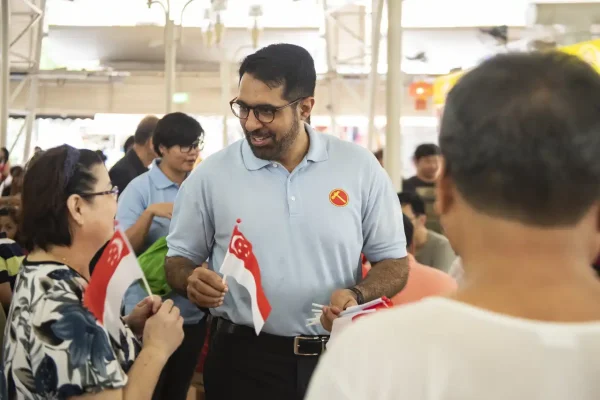
Image Credit - by The Workers' Party of Singapore, CC BY-SA 4.0, via Wikimedia Commons
Arguments From the Floor
Debates about integrity usually reveal a clash between strict adherence to institutional rules and personal definitions of honor. The three-hour debate highlighted two very different views on leadership. Indranee Rajah, Leader of the House, led the charge against the opposition leader. She argued that deceit undermines public faith in the entire legislature. In her view, lying under oath breaks the trust required for high office.
She emphasized that leaders must own their mistakes rather than deflect them. The government's stance was clear: you cannot hold a position of high honor while carrying a conviction for dishonesty. What did the government say about the removal? Indranee Rajah stated that retaining the title after a conviction would erode public trust in the parliamentary institution.
The Defense
The man at the center of the storm saw things differently. He stood firm on his innocence. He rejected the label of "dishonorable" and stated his conscience remained clear. His focus shifted immediately to his constituents rather than the parliamentary title. He texted a defiant message of "#WeContinue" and promised to keep working for his district.
Foreign Platforms and Political Insurance
Talking to outsiders can sometimes look like strategy to supporters and betrayal to critics. Tensions between the parties existed well before this vote. In 2025, a podcast appearance stirred the pot. Pritam Singh appeared on "Keluar Sekejap," a Malaysian show. He explained his goal was to normalize the opposition's presence in Singapore.
He described his party as "political insurance" in case the ruling party ever failed. The PAP criticized this move. They questioned the wisdom of discussing domestic politics on a foreign platform. This incident added friction to an already heated relationship. He claimed he had no immediate aspiration for Prime Ministership, but sought to secure the opposition's foothold.
What Happens Next for the Workers' Party
A power vacuum forces a group to decide if they follow a person or a philosophy. The Workers' Party now faces a difficult decision. The Prime Minister invited them to select a new leader. However, the party seems in no rush. Their official response stated they would deliberate "in due course."
The 11 MPs who voted against the motion showed a united front. Finding a replacement for Pritam Singh involves navigating internal dynamics and public perception. They must decide whether to appoint a new face immediately or leave the post vacant as a form of protest.
The 2025 Context
It is worth noting that voters already knew about the legal trouble. During the 2025 General Election, the legal issues were ongoing. Yet, the team retained Aljunied GRC with about 60% of the vote. Did the scandal hurt his election chances? The voters re-elected him in 2025 despite the ongoing legal case, showing a disconnect between the court verdict and voter sentiment. The electorate separated the court case from his ability to run the town council.
The Future of the Opposition
The law draws lines in the sand, but politics lives in the gray areas. The removal of the Leader of the Opposition sets a new precedent. It establishes that legal guilt, even below the disqualification threshold, strips away leadership privileges. Pritam Singh remains in the house, but his voice carries less official weight. The system successfully separated the man from the title. Now, the opposition must figure out how to operate when their captain has been demoted to the rank and file. The seat is safe, but the status is gone.
Recently Added
Categories
- Arts And Humanities
- Blog
- Business And Management
- Criminology
- Education
- Environment And Conservation
- Farming And Animal Care
- Geopolitics
- Lifestyle And Beauty
- Medicine And Science
- Mental Health
- Nutrition And Diet
- Religion And Spirituality
- Social Care And Health
- Sport And Fitness
- Technology
- Uncategorized
- Videos

