
Oxfam CEO Removal: The Real Reason
Organizations often sacrifice their leaders to survive internal fractures. A boardroom rarely removes a top executive solely because of a single dispute or bad quarter. Instead, the decision usually signals that the tension between cutting costs and maintaining morale has snapped. When a leader pushes for rapid financial changes, the foundation of staff trust frequently cracks under the weight. This specific type of collapse recently occurred at one of the UK’s largest charities.
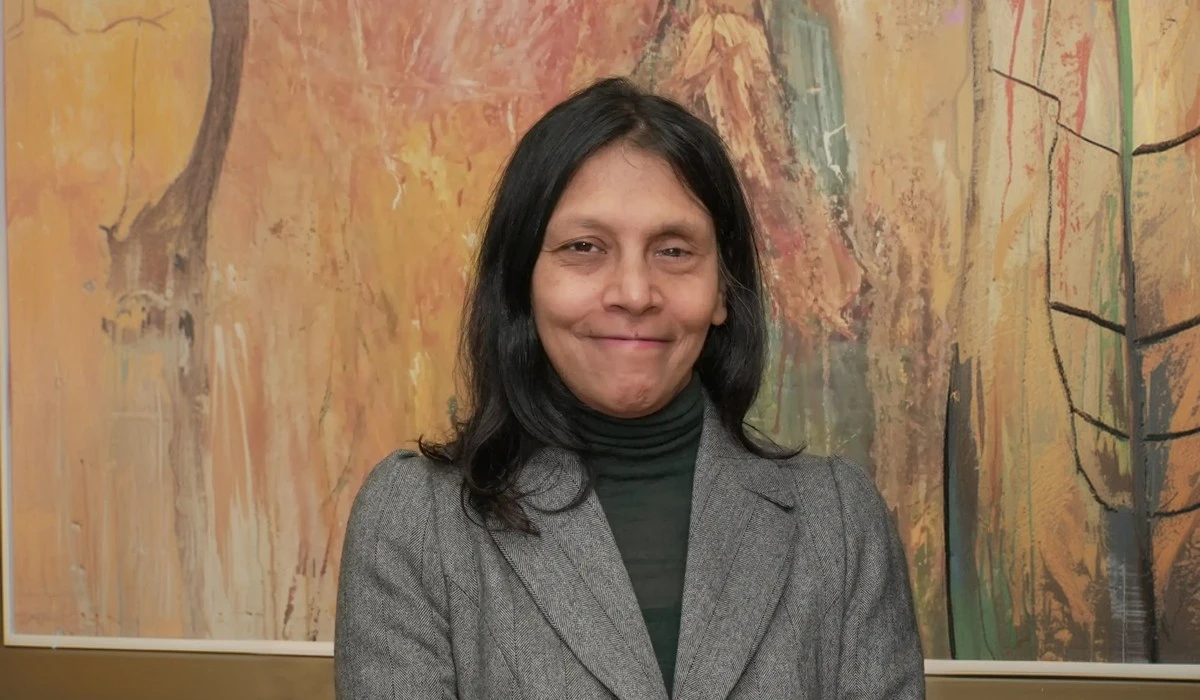
The board voted to discharge Dr. Halima Begum from her role as Oxfam CEO following a turbulent period. Her departure marks the end of a short tenure defined by severe economic headwinds and aggressive restructuring. Reports indicate that an independent investigation revealed deep cultural issues. The official narrative points to a breakdown in trust, but the surrounding details reveal a complicated mix of financial panic and workforce rebellion.
The Investigation That Ended the Oxfam CEO’s Tenure
Small complaints often accumulate quietly until they force a complete system reset. Leadership teams can ignore grumbling in the hallways, but formal testimony demands action. In this case, the internal pressure became too great to contain.
According to Sky News, a law firm named Howlett Brown conducted an independent review between November and December 2025. The outlet reported that they gathered accounts from 32 current and former colleagues regarding the working culture under Dr. Begum.
The sheer volume of testimony suggests widespread discontent. Trust between the leader and the organization had reportedly collapsed beyond repair. The trustees concluded that continued employment remained impossible. They cited an irretrievable breakdown in confidence regarding her leadership capabilities. The board prioritized the need to rebuild trust with the staff over retaining their top executive.
Allegations of Bullying and Broken Protocols
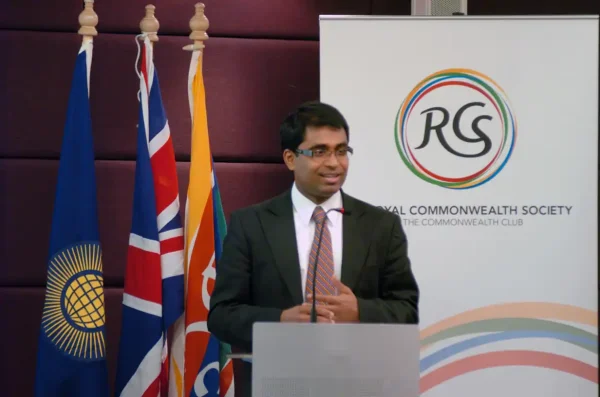
Image credit - By Foreign and Commonwealth Office, Danny Sriskandarajah, via Wikimedia Commons, OGL 1.0
When leadership pushes for speed, existing rules often look like obstacles to be removed. Executives focused on results sometimes bypass the very safety nets designed to protect the organization. This approach creates immediate friction with staff who view those protocols as sacred.
The Howlett Brown report identified severe behavioral flaws. Specific allegations included bullying and a breach of organizational values. Perhaps the most damaging claim involved interference in safeguarding investigations. Staff members accused the leadership of obstructing these necessary inquiries improperly.
Safeguarding remains a sensitive topic for the charity sector. Former CEO Danny Sriskandarajah previously received praise specifically for strengthening these exact protocols. The suggestion that new leadership had weakened long-standing standards touched a raw nerve. The Oxfam CEO was investigated after staff members spoke up about experiences of bullying and concerns that safeguarding processes were being interfered with. Their complaints triggered an independent review by a law firm, which ultimately painted a picture of a leadership style that failed to respect the organisation’s own rules and procedures.
Financial Pressure Behind the Scenes
Money problems usually turn internal disagreements into open warfare. When resources shrink, every management decision feels personal to the staff, as they lose their budgets. The charity sector currently faces a brutal economic reality, and this organization felt the burden heavily. Civil Society reported that Oxfam GB has reported a second consecutive annual operating deficit of more than £20m.
The charity suffered a significant financial decline over the last three years. A report by AOL highlights that shop profits plummeted by 66% amid aid cuts. This drop in revenue forced the organization to make difficult choices. Coverage by Civil Society notes that Dr. Begum linked performance declines to global uncertainty and the cost-of-living crisis. The publication added that severe inflation compounded these issues, making daily operations more expensive.
This financial backdrop adds critical context to the behavioral allegations. Leaders facing plummeting graphs often exert extreme pressure on their teams. The stress of the financial crisis likely accelerated the conflict between the executive suite and the workforce.
The Controversy of Mass Redundancies
Saving money on paper frequently costs an organization its loyalty in reality. Large-scale layoffs create a survivor mentality among remaining employees, who often turn their anger toward the person in charge. The drive for economy can rapidly dismantle the social contract between employer and employee.
The organization recently cut 250 UK staff members out of a total workforce of 2,100. This restructuring aimed to stabilize the financial ship. Civil Society reported that the organization cut jobs as part of efforts to save £10.2m in salary costs. However, the human cost of these savings created a hostile environment.
Staff opposition mobilized quickly. Approximately 70 signatories signed a letter demanding an investigation into the leadership. This collective action demonstrates the depth of the anger. The timing of the complaints followed immediately after the painful restructuring process. The reduction in staff numbers likely acted as the spark that ignited the investigation.
How the Oxfam CEO Responded to Critics
Defense strategies often rely on shifting focus to external chaos rather than internal choices. When leaders face removal, their allies frequently argue that the organization is scapegoating them for doing the necessary, ugly work of restructuring. This defense paints the ousted leader as a casualty of necessary change.
Allies of the Oxfam CEO termed the accusations "absurd." They pointed to the suspicious timing of the complaints. The allegations surfaced right after the leadership pushed through the unpopular redundancies. Akiko Hart, CEO of Liberty, questioned the timing of the announcement. She noted that the removal occurred immediately following the painful restructuring.
Hart described Dr. Begum as a "mentor and friend." She requested a suspension of judgment pending further evidence. This perspective suggests that the staff revolt may have been a retaliation for the job cuts. The conflict presents two opposing narratives: a leader removing toxic elements versus a workforce rejecting a toxic leader.
A History of Leadership Instability
A revolving door at the top signals deep structural tremors, not simply bad hiring luck. When an organization cycles through leaders, it usually indicates that the role itself carries unmanageable contradictions. The demands of the position may exceed the authority granted to the person holding it.
Sky News noted that Dr. Begum had been Oxfam GB’s chief executive since she took over from Danny Sriskandarajah in April 2024. Her tenure stands in sharp contrast to her predecessor, who served for five years. He eventually moved to the New Economics Foundation. Oxfam GB biographical data confirms that before joining this charity, Begum served as CEO at ActionAid UK.
Historical volatility plagues this role. The Guardian reported that Mark Goldring, another former CEO, resigned in 2018 following a sexual misconduct scandal in Haiti. At the time, Goldring stated that his departure was necessary for a fresh vision. He believed the organization needed to commit to safety following past failures. The recurring pattern of sudden exits suggests that the pressure at the top remains constant.
What Happens Next for the Organization
Removing a leader rarely fixes the root fractures that caused the break. The departure of a CEO relieves immediate tension but leaves the organization without a clear direction. The remaining board members must now navigate the aftermath while trying to calm a shaken workforce.
Jan Oldfield has stepped in as Acting CEO. The Co-Chairs, Nana Afadzinu and Dame Annie Hudson, have shifted their focus to staff stability. They stated that reconstructing trust is their priority. The recent resignation of the Board Chair adds another layer of difficulty to the situation.
Who is the new Oxfam CEO? Jan Oldfield currently serves as the Acting CEO while the organization searches for a permanent replacement. The leadership team must now balance the books while repairing the damage done to internal culture. The cycle of financial strain and staff dissatisfaction poses a continued challenge for whoever takes the role permanently.
The Cost of Leadership Conflict
The sudden removal of the Oxfam CEO exposes the brutal reality of modern charity management. Financial survival often demands aggressive cuts, but those same cuts can incite a workforce rebellion. Dr. Begum’s departure resolves the immediate conflict, yet the financial decline and staff mistrust remain. The organization now faces the difficult task of rebuilding its culture while navigating a cash crisis. Leadership in this sector requires a delicate balance, and as this event proves, losing that balance carries a heavy price.
Recently Added
Categories
- Arts And Humanities
- Blog
- Business And Management
- Criminology
- Education
- Environment And Conservation
- Farming And Animal Care
- Geopolitics
- Lifestyle And Beauty
- Medicine And Science
- Mental Health
- Nutrition And Diet
- Religion And Spirituality
- Social Care And Health
- Sport And Fitness
- Technology
- Uncategorized
- Videos

