
Image Credit - By Wikimedia Commons
Owen Cooper Disrupts TV Casting With Adolescence
A rigid geographic filter decides who gets to pretend for a living. The entertainment industry publicly claims to hunt for raw talent while ignoring anyone living north of the capital without a massive travel budget.
Owen Cooper shattered that filter completely. Before securing the role of a terrified murder suspect, he played under-15s football for Warrington Rylands. Now, at 16, his television debut has forced Hollywood executives to look at Northern England. The launch of the Owen Cooper Adolescence project proves that working-class narratives possess massive global viability.
He achieved this while surviving a gauntlet of regional disadvantage and gender stigma. These cultural barriers typically weed out young boys long before they ever reach a casting director.
The High-Stakes Technical Bet Behind Owen Cooper Adolescence
Stripping away traditional editing forces actors to endure the raw reality of stage play under the scrutiny of television cameras.
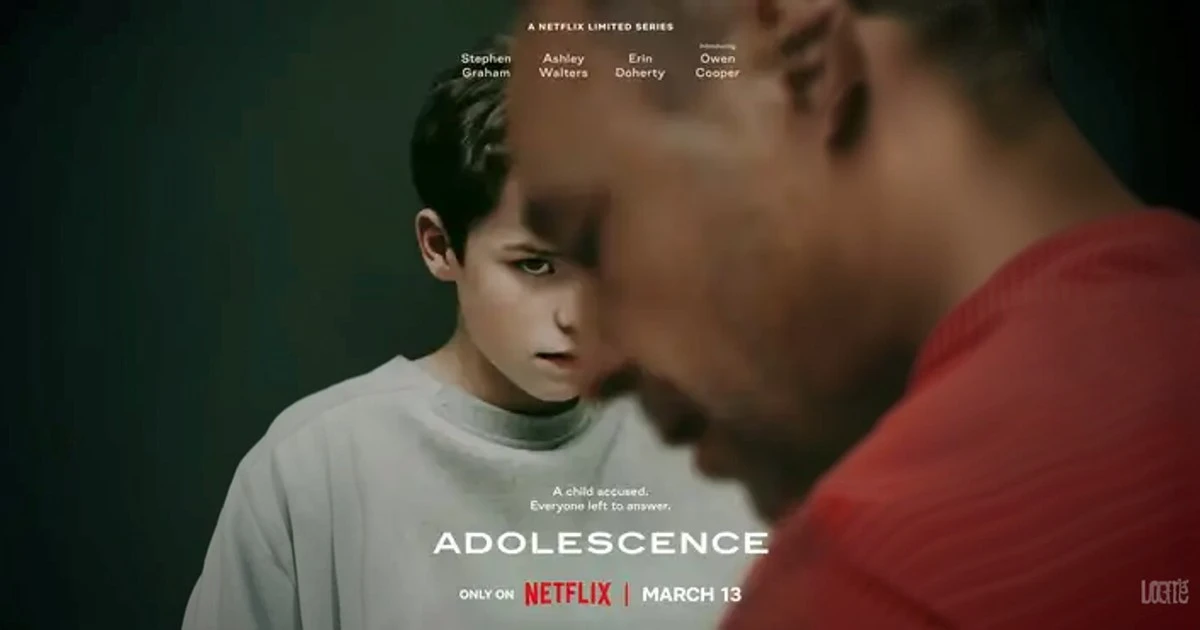
Netflix took a massive risk with the production style of their latest critical hit. The four-part limited series relies entirely on one-shot, single uninterrupted takes for every hour-long episode. Television directors usually rely on rapid cuts to hide mistakes, adjust pacing, and build tension in the editing room. Here, every flub would ruin an entire hour of intense physical and emotional work.
This punishing format demands absolute perfection from the entire cast and crew. The Owen Cooper Adolescence viewers saw this intense realism play out in real time upon the show's massive 2025 launch. He stepped into the heavy role of Jamie Miller, beating out over 500 other hopefuls during a grueling casting process. Who plays Jamie Miller in Adolescence? Owen Cooper portrays the 13-year-old murder suspect, anchoring the show's highly technical uninterrupted-take format. The series explores harsh themes of youth violence, severe accountability, and crushing social pressures through an entirely unfiltered lens.
Filmed entirely between July and October 2024, the show generated staggering viewership numbers immediately. The first episode pulled in an impressive 6.45 million UK viewers during its launch week. The audience stayed hooked, with episode two holding extremely strong at 5.9 million viewers. According to NDTV, Adolescence quickly became Netflix's second most-watched English-language series, attracting massive global appeal and crossing 141 million views within its first three months.
Rewriting the Record Books Before Adulthood
Industry awards normally reward decades of networking, but raw technical skill occasionally bypasses the queue entirely.
The 2025 and 2026 award circuits completely bowed to a teenager from Orford, Cheshire. The series grabbed four Golden Globes and six Emmys during its dominant run. Cooper himself took home the title of second-youngest male Golden Globe winner. He also secured the Emmy for Outstanding Supporting Actor in a Limited Series, becoming both the youngest nominee and youngest winner in that specific category.
The real shockwave hit the industry during the 2026 Actor Awards. As reported by The Guardian, at exactly 16 years old, he became the youngest individual winner in the history of the Screen Actors Guild. Kate Winslet previously held that long-standing record since 1996, winning her trophy at age 20. The young SAG winner defeated a lineup of heavyweights. A Forbes report notes he beat Jason Bateman for Black Rabbit, his own co-star Stephen Graham for Adolescence, Charlie Hunnam for Monster: The Ed Gein Story, and Matthew Rhys for The Beast in Me.
He completed an absolute sweep across the season, securing victories at both the Critics' Choice and Gotham TV Awards. Actor Damson Idris ended up accepting the physical SAG award for the absent teenager. Idris joked on stage about his intention to retain the trophy for himself.
The Weight of Peer Recognition
Winning a SAG award carries a uniquely heavy cultural significance. Actors vote directly for their peers. Handing this award to a 16-year-old newcomer publicly forced the acting community to acknowledge that raw, unpolished talent can outshine decades of traditional industry experience.
The Cultural Stigma Keeping Boys Out of Theatre
Assigning gender roles to school subjects actively drains the talent pool before the industry even gets a chance to cast.
Data from the 2025 GCSE drama intake highlights a massive gender disparity across the United Kingdom. Out of the total students enrolled in the subject, 35,700 were girls. Only 17,000 boys chose to study drama. Adolescent males frequently label acting classes as soft or "cringe." They prioritize sports to maintain social standing and avoid ridicule among their peers.
Cooper lived this exact reality during his pre-adolescence. He aggressively pursued football first, playing for the Warrington Rylands U15 squad. He eventually found inspiration to act from Tom Holland's 2012 performance in The Impossible. Taking drama classes meant facing immediate social humiliation. He frequently found himself as the sole male student in his local theatre group. Why do boys drop out of drama classes? Many young males abandon acting due to peer pressure and the cultural assumption that theatre is less respectable than athletics. Esther Morgan, his primary instructor during his two-year tenure at Drama Mob, noticed his serious attitude immediately.
His ambition and intense focus on memorization stood out from his very first day. Following his sudden international award victories, Drama Mob experienced a massive influx of male students. A local public figure finally gave working-class boys the permission they needed to push boundaries.

Image Credit - By Bill Ingalls, Wikimedia Commons
Shifting Local Ambitions
Boys in Northern England now see a direct line from a local drama class to a global stage. The immediate spike in male enrollment proves that the stigma relies entirely on a lack of representation. Once a peer achieves tangible success, the social risk of joining a theatre group vanishes entirely.
The Geographic Penalty Imposed on British Talent
Centralizing production jobs in a single wealthy city essentially acts as a paywall for working-class artistic ambition.
London currently holds a massive monopoly on the UK acting industry. Over 50% of all film and television productions base their operations strictly out of the capital. This post-Hollywood exodus favors the southern region heavily, creating severe UK casting barriers for Northern actors. The steep travel costs alone prevent talented northern youth from ever attending southern auditions.
Esther Morgan frequently highlights the urgent requirement for local productions and casting directors to operate up north. Casting directors constantly praised the young actor's talent during his time at Drama Mob. Yet, without serious financial backing, most northern kids hit a hard geographical ceiling early in their careers.
Getting a kid from a normal household with two other siblings into a London audition room requires massive financial sacrifice. The success of the Owen Cooper Adolescence casting proves that brilliant actors exist far outside the M25 ring road. The entertainment industry simply needs to build the proper infrastructure to find them. His mother works as a carer, and his father works in the IT sector. Without local opportunities, talented kids from standard backgrounds remain completely locked out.
Pushing Back Against Centralized Power
The industry demands that young actors travel to the opportunities, rather than sending scouts to the talent. Northern actors frequently miss out on major roles simply because they cannot afford the train ticket to the audition. Breaking this geographical lockout requires streaming giants to fund projects firmly rooted in northern cities.
Forcing Global Markets to Accept Northern Accents
International buyers traditionally dictate the accents allowed on television, filtering out regional dialects to appease confused overseas viewers.
Historically, global audiences show major reluctance toward non-RP (Received Pronunciation) accents. International buyers prefer the polished, posh dialects found in traditional British period dramas like The Crown or Downton Abbey. Working-class actors usually struggle to find adequate funding because studio executives doubt their global commercial viability.
Writer Jack Thorne approached this specific Netflix drama with cautious optimism. He wanted to break the traditional international preference for posh accents. He recognized the massive potential global market for authentic, gritty regional British dramas. The record-breaking success of the Owen Cooper Adolescence episodes validated this risky bet completely. Audiences proved they will engage deeply with regional UK themes if the core story holds up.
The performance showed television executives that raw authenticity sells far better than artificial polish. A 16-year-old from Cheshire just forced the global streaming market to adapt to the northern dialect.
Managing Crushing Pressure on a High-Profile Set
Surrounding an inexperienced actor with seasoned professionals can either shatter their confidence completely or elevate their baseline performance.
Acting in a single-take production generates intense psychological stress. The camera absolutely never turns off. The director cannot yell cut to save a bad delivery or fix poor blocking. Thorne specifically noted the teenager’s flawless script memorization despite the crushing environment of the set. He never dropped a single line during the long, demanding hour-long takes.
The production team knew the extreme risk of putting a 16-year-old at the very center of this demanding technical format. They implemented a gradual immersion process during the July to October 2024 shoot. The director and his veteran co-stars provided massive daily support, helping him sink into the heavy role safely. How did Owen Cooper handle the Adolescence shoot? He relied on intense preparation and a serious approach to instruction learned during his time at Drama Mob. He absorbed the extreme social pressures of the character without letting the dark themes consume his personal life.
He simply showed up, hit his marks flawlessly, and matched the intense energy of seasoned veterans like Stephen Graham. The dark themes of youth violence and heavy accountability required a maturity rarely found in a teenager born in December 2009.
Beyond the Owen Cooper Adolescence Phenomenon
Landing a massive breakout role buys an actor exactly one opportunity to prove their sudden success was intentional.
The film industry is moving aggressively to capitalize on this fresh, award-winning talent. The devoted Liverpool F.C. supporter has already booked a slate of major upcoming projects. Fans saw him briefly in May 2025, making a striking music video appearance in Sam Fender's track "Little Bit Closer." He also appeared as the character Callum in BBC Three's Film Club.
Now, he jumps directly into high-profile feature films. He will play Young Heathcliff in Emerald Fennell's highly anticipated 2026 adaptation of Wuthering Heights, acting directly alongside Margot Robbie and Jacob Elordi. Immediately after wrapping that project, he joins Aaron Taylor-Johnson, Colin Firth, and Nicholas Hoult in the film Cry to Heaven.
These premium Hollywood bookings confirm his serious staying power in the industry. The Owen Cooper Adolescence debut aggressively kicked open the door. His upcoming film roles will test his ability to survive and thrive in a rapidly shifting global entertainment business.
Moving from Television to Film
Moving from a gritty limited series to a massive cinematic production requires a completely different skill set. Studio executives are watching closely to see if his grounded, realistic acting style translates effectively to stylized period pieces and big-budget theatrical releases.
The End of the London Casting Monopoly
Disrupting an entrenched system requires undeniable results. The UK entertainment sector has spent decades ignoring top-tier talent located outside its immediate southern geographic bubble. A 16-year-old from Orford, Cheshire just proved exactly how much money and prestige those studios leave on the table by doing so.
The critical dominance of the Owen Cooper Adolescence series destroyed the tired excuse that working-class, regional stories lack global appeal. Surviving a brutal uninterrupted-take format and sweeping the major award circuits forced a permanent shift in modern casting priorities.
Northern actors finally have a modern precedent to point to. Young boys dropping out of local drama classes now have a valid reason to stay. The industry must either build real pathways to these overlooked regions or watch their smarter competitors find the next generational talent first.
Recently Added
Categories
- Arts And Humanities
- Blog
- Business And Management
- Criminology
- Education
- Environment And Conservation
- Farming And Animal Care
- Geopolitics
- Lifestyle And Beauty
- Medicine And Science
- Mental Health
- Nutrition And Diet
- Religion And Spirituality
- Social Care And Health
- Sport And Fitness
- Technology
- Uncategorized
- Videos

