
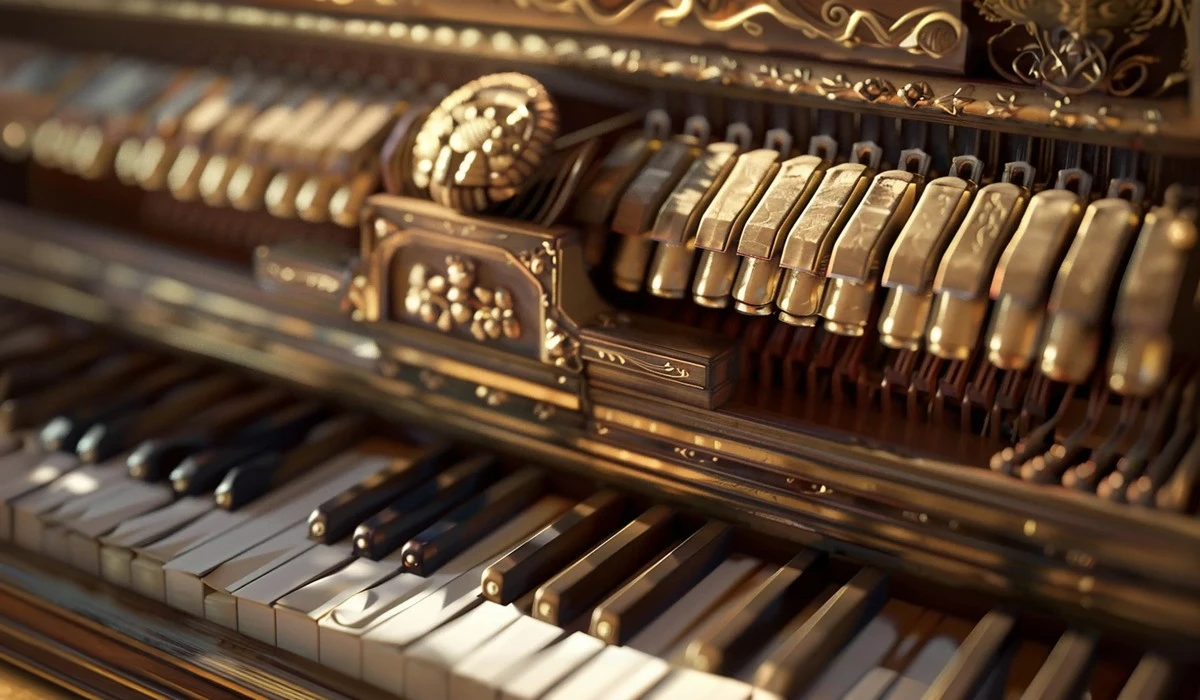
Loret Organ Restoration: A Secret Treasure
A 1901 French law turned religious artifacts into targets for government seizure. People often view the Sacred Heart Loret Organ as a simple musical instrument in a London school. This perspective overlooks a 120-year-old survival strategy. According to the SH Connect website, Mother Mabel Digby and the sisters disassembled the instrument and slipped it across the Channel in 1904 to prevent the French authorities from confiscating church property. This organ exists today because an educator chose to outrun a legal crisis rather than surrender a cultural masterpiece.
The Finding of a Rare Belgian Masterpiece in London
Experts often miss historical rarities because they expect local buildings to house local craftsmanship. In May 2024, Dr. William McVicker entered the Sacred Heart Chapel expecting an organ in Hammersmith by Christopher Lewis. Sacred Heart Connect reports that he expressed surprise when he found French stops instead. He noted that if proven authentic, this instrument represents the UK’s lone surviving Loret organ and ranks among the rarest he has seen. Only a few of these instruments remain across all of Europe.
The physical evidence quickly proved that the school did not build the organ in 1883. Dr. McVicker recognized that the materials and design matched a much earlier period. His inspection revealed that Hippolyte Loret manufactured the organ between 1861 and 1862 for a Paris convent chapel. How much does a pipe organ restoration cost? Research by Viscount Organs and Organ Clearing House indicates that restoration projects for historical pipe organs typically range from tens of thousands to over a million pounds depending on the damage. This project requires a significant investment to return the instrument to its historic brilliance.
Decoding the Craftsmanship of Hippolyte Loret
Expert builders leave unique signatures in the names of their tools that reveal their true origins centuries later. Loret used a specific technical nomenclature that set him apart from his peers. The presence of the ‘Flute Pyramidale’ stop provided the evidence for Dr. McVicker. This specific naming convention appears in Loret’s work in Brussels churches but rarely appears in English pipe organs. This technical detail confirmed the organ’s Belgian roots and its Parisian history.
Historical archives support this physical evidence. Sacred Heart Connect notes that researchers found a written apology from Loret regarding a high invoice. He justified the cost with the ‘special features’ he included in the instrument. This letter proves that the Loret Organ was a high-end, bespoke creation from the start. Who was Hippolyte Loret? A Sacred Heart High School newsletter describes Hippolyte Loret as a Belgian organ maker who primarily worked in France and fathered the composer Loret. His work earned him a reputation for excellence that stretched across borders.
The 1904 Escape
Laws designed to seize religious property often force institutions to move their most valuable assets in secret. The 1905 separation of state and church in France followed years of anti-religious legislation. Mother Digby, the leader of the order at the time, recognized the threat early. She managed a massive organizational emergency with poise and tenacity. She moved before the government could lock the doors of the Paris convent.
Instead, she organized the secret dismantling of the organ in 1904. Sacred Heart Connect references a school journal entry from February 5, 1904, documenting that the sisters received the organ from their persecuted French houses. This bold move saved the instrument from certain seizure. The order reassembled the organ in the Chapel of Hammersmith later that year. This act of salvation preserved a token of a persistent educational tradition. Alex Dijkhuis views Mother Digby as a primary protagonist and a modern female inspiration for her leadership during this crisis.
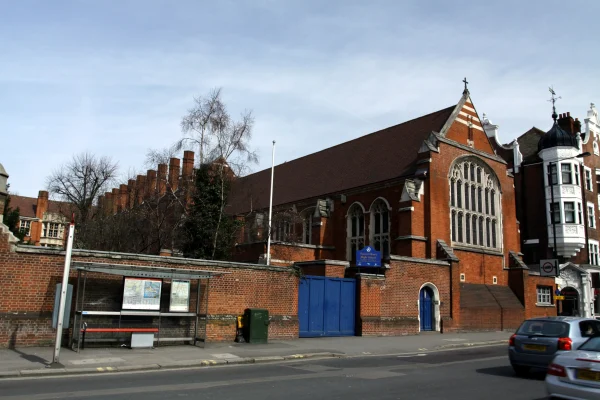
Image Credit - by Chmee2, CC BY-SA 3.0, via Wikimedia Commons
The Disappearing Act of School Pipe Organs
State education systems often lose track of high-value cultural assets because no one records their existence in national registers. The Loret Organ occupies an unusual place in the British educational environment. Most state-funded schools do not own pipe organs. Furthermore, this instrument does not appear on the official national organ register. This omission shows how easily significant history can remain obscured. The school holds a Grade II* listing, which protects the chapel and its contents. This status acknowledges the historical lifespan of the 160-year-old instrument. Alex Dijkhuis notes the rare presence of such an instrument in a public education setting. Why are pipe organs rare in state schools? Most state schools lack the funding for maintenance and the space required to house these massive musical instruments. The school aims to change this as it uses the instrument as a resource for the entire Hammersmith & Fulham community.
Why the Loret Organ Needs £257,000
Time degrades metal and wood at a predictable rate that eventually makes restoration more expensive than replacement. Sacred Heart Connect confirms a fundraising goal of £257,000 for the restoration. Documentation from Mander Organ Builders shows they will lead the project from their workshop in Canterbury. The work involves cleaning, repairing, and tuning every single pipe. After 160 years, the internal components require professional attention to function reliably again. The restoration project serves both the school and the public as it provides a resource for concerts and recitals. This cultural value justifies the high value of the conservation effort. The project also revives organ tuition for female students. This educational benefit aligns with the school's mission to provide unique musical opportunities. Alex Dijkhuis feels an obligation to the Paris sisters to save this valued instrument.
Lessons from the Lost Moseley School Organ
Neglect and vandalism destroy history faster than war or weather. The story of the Moseley School Organ provides a warning for the Loret Organ project. The Moseley organ began its life in 1857 at a training college for ministers. By the 1920s, it had deteriorated into an unplayable state. A repair quote at the time reached £200, which the school could not afford. Staff and students at Rea Street Senior Boys' School eventually restored it for only £27 in 1941. They treated the repair as a practical hobby project. The Blitz damaged the school shortly after the restoration. The organ moved to Tinkers Farm Boys' School to keep the project alive. This move followed the philosophy of Aristotle, who suggested that educators should engage youthful curiosity rather than force education.
The Final Disappearance of Local History
Minor acts of malice can erase decades of conservation effort in a single afternoon. The Moseley organ survived a world war only to fall to vandalism in 1961. A former student destroyed the pipes and stops. The instrument never recovered. When Northfield Comprehensive School shut down in 1986, the organ vanished. No one knows where the remains of that 1857 instrument are today. This history shows the importance of the Sacred Heart restoration. It shows that historical preservation requires constant vigilance. Without the £257,000 investment, the Sacred Heart Loret Organ risks a similar fate of gradual decay or loss. The school wants to ensure this Belgian masterpiece remains a functional part of London’s musical scene.
Bringing Music Back to the Hammersmith Community
Restoring an instrument changes a school's role from a private classroom to a public cultural hub. The school plans to use the restored organ for public music programs in addition to morning hymns. They want to host public recitals that draw audiences from across London. This move turns the chapel into a center for Belgian craftsmanship appreciation. The BBC has already taken interest in the project; the network is developing a documentary and a podcast to track the restoration progress. The project also creates a new path for students. Very few young people have the opportunity to learn on a Loret organ. The school maintains the resilience of the Sacred Heart educational tradition when it opens the console to students. This project honors the past while providing a modern instructional opportunity.
The Persistence of the Loret Organ
The survival of the Sacred Heart Loret Organ proves that cultural heritage depends on individual courage during times of political change. Mother Digby protected a legacy of craftsmanship that the French authorities wanted to erase when she moved the instrument. Her 1904 rescue mission ensures that a 160-year-old Belgian voice still echoes in a London chapel. The current restoration project represents the final step in a long process of salvation. The school honors the Belgian craftsmanship of Hippolyte Loret and the leadership of Mother Digby through the £257,000 fundraising effort. This effort secures the Loret Organ for future generations of musicians and the wider Hammersmith community. History only survives when people decide that some objects are too valuable to lose.
Recently Added
Categories
- Arts And Humanities
- Blog
- Business And Management
- Criminology
- Education
- Environment And Conservation
- Farming And Animal Care
- Geopolitics
- Lifestyle And Beauty
- Medicine And Science
- Mental Health
- Nutrition And Diet
- Religion And Spirituality
- Social Care And Health
- Sport And Fitness
- Technology
- Uncategorized
- Videos

