
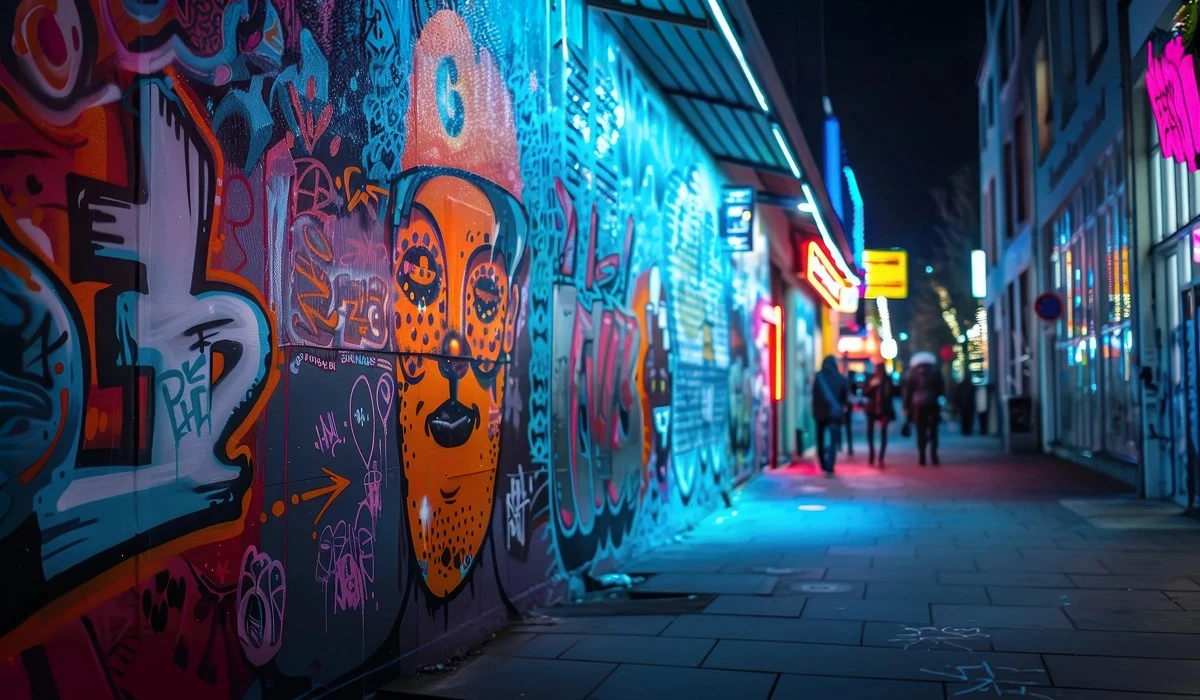
Lagos Street Art Festival 2025 Goes Beyond Paint
Most art requires a ticket and a hushed voice to appreciate. You usually stand in a cold, quiet room, staring at a canvas that feels miles away from your actual life. The new wave of creativity in Nigeria ignores that polite distance entirely. It takes the story of a metropolis and plasters it directly onto the concrete where people actually live and drive. This isn't just about pretty pictures on a wall; it is a battle for who gets to tell the city's story. As organizer Osa Seven told Reuters, art should not be confined to galleries; instead, the Lagos Street Art Festival turns the daily commute into a gallery visit where people interact with creativity in their everyday environment.
Traditional galleries often act as gatekeepers. They decide who sees art and who creates it. By moving the canvas to Victoria Island and Ozumba Mbadiwe Avenue—a setting highlighted by IOL where artists paint directly on the walls—this event changes the rules of engagement. The murals don't hide behind velvet ropes. They sit right next to the traffic and the pedestrians. This shift forces a direct conversation between the artist and the public. You cannot ignore a story that stands twenty feet tall on your way to work.
Democratizing the Visual Experience
Keeping culture locked behind glass doors eventually kills the connection between the artist and the crowd. A study by Discovery UCL suggests that exclusion from museums is often structurally determined by social class; similarly, when art stays in elite spaces, it tells the public that creativity belongs only to the wealthy. The Lagos Street Art Festival disrupts this pattern by treating the street as the ultimate exhibition hall.
Local artist Ashaolu Oluwafemi points out a critical flaw in the traditional art world. Galleries are often inaccessible to the general public. Many people never feel welcome enough to walk inside. Festivals like this one bring culture directly to the community. Visual exposure broadens beyond the usual elite spaces. A student or a street vendor gets the same view as a CEO.
The reaction from the street confirms this hunger for connection. Passersby stop to engage with the artists. IOL notes that they often shout "nice work" over the noise of the city. These interactions prove that the audience for art is much larger than the gallery owners assume. Council member Adaora Mbelu argues that creativity democratization is essential. She believes artistic consumption must not be limited to a specific social class. Access to the public domain is mandatory for a healthy cultural scene.
The Resilience of the "City of Dreams"
A city that never sleeps needs art that acknowledges the struggle required to stay awake. You cannot paint a true picture of Lagos without capturing the grit that fuels the glamour. The theme for the 2025 festival, "Legendary Lagos: City of Dreams," leans into this reality.
The artwork does more than decorate walls; it narrates the rise of the city. Ashaolu Oluwafemi notes that success in this metropolis requires resilience and intelligence. Survival here demands mental fortitude. The murals reflect that hardness and the beauty that grows out of it. They tell the story of artists who refuse to give up.
Ernest Ibe, a painter involved in the project, mentions that mural visibility here has historically been lower than in peer African nations. National appreciation is evolving, but it takes work. The social and environmental influence of public art is finally gaining recognition. This festival acts as a marker of that progress. It proves the city can support large-scale creativity.
Mirroring Community Spirit Through Color
Vibrant patterns often act as a mirror for the chaotic energy of the people walking past them. A grey wall does nothing for the spirit, but a splash of color can change the mood of a street. The art on display specifically targets the emotional core of the viewer.
Reuters reports that the event features 12 artists—nine from Nigeria and three international ones—including Babalola Oluwafemi, a Manchester-based artist aged 32 who returned to contribute to this vision. His artwork reflects the local love for celebration and cuisine. He uses vibrant colors to mirror the community spirit. One of his key pieces features a peacock motif. This symbol represents beauty and pride. It stands as a reminder of the confidence that defines the local culture.
The subject matter often focuses on joy. Ashaolu Oluwafemi describes a mural depicting female joy. He argues that happiness is valid despite life struggles. The city offers a space for self-expression, and the art highlights that positive release. People usually ask, "What is the main goal of the Lagos Street Art Festival?" The organizers aim to boost domestic public art production and place the city on the global map. By focusing on joy and pride, the artists ensure the message resonates with the people who see it every day.
Strategic Partnerships Transforming Infrastructure
Corporate backing often signals that a subculture has finally become a pillar of national identity. Street art usually begins as an act of rebellion, but it eventually becomes a valuable asset for the city. The involvement of major brands and government agencies changes the scope of what is possible.
The list of partners for the Lagos Street Art Festival includes heavy hitters like Adidas, Bature Brewery, and Berger Paints. This isn't just a small gathering of friends. A representative from Berger Paints views art as a necessity. They see it as a tool for mental health and education. Their corporate participation feels natural due to their history of architectural transformation.
Government bodies like LASAA (Signage Agency) and LASPARK (Parks/Gardens) are also on board. Brand Communicator quotes LASAA MD Fatiu Akiolu stating that the partnership aligns with the agency's mission to ensure the state remains aesthetically appealing and culturally dynamic. The General Manager of LASPARK notes that murals in parks link directly to the festival's mission of universal accessibility. Phisha, the Creative Director from Inscribe Art, believes creativity belongs in city infrastructure. He argues that school walls and street walls deserve an artistic reflection of identity.

Timing the Cultural Explosion
Timing an artistic explosion with a massive homecoming creates a powerful cycle of cultural pride. The festival does not happen in a vacuum. It aligns with the energy of the season.
The event window creates a specific synergy. The main article cites the festival running from Wednesday to Monday, December 15. However, a schedule published by Brand Communicator confirms that the Exhibition phase runs specifically from December 11 to 15. This rollout captures the attention of the "Detty December" crowd. This term refers to the holiday return of the diaspora.
These returnees bring global perspectives. They compare Lagos to other art capitals. The organizers strategically compare the local scene to street art hubs like Berlin, Miami, and Sao Paulo. Osa Seven, a co-founder, has a clear goal. He wants to place the city on the global street art map. He advocates for removing gallery restrictions and pushing for experiential art for all. By syncing with the holiday rush, the festival maximizes its impact on both locals and visitors.
Empowering the Next Generation of Creatives
True influence happens when you hand the spray can to someone who hasn't built their name yet. A festival that only focuses on established stars eventually runs out of steam. The Lagos Street Art Festival builds a pipeline for new talent.
Education plays a huge role in the festival's structure. The event includes workshops on design thinking and storytelling. It integrates students from Yaba College of Technology. This ensures that the knowledge doesn't disappear when the festival ends. Osa Seven emphasizes that the project extends beyond a single event. They have established ongoing student empowerment programs.
Karishma Daryani-Chugani, a council member, highlights the platform created for non-traditional creatives. The festival provides professional showcase opportunities on the streets. This exposure can launch careers. Readers often wonder, "How long do the murals stay up after the festival?" The post-event status confirms that the murals will remain on display indefinitely. This permanent display serves as a constant portfolio for the artists involved.
Navigating Security with Public Joy
Celebrating in public becomes an act of defiance when the national mood leans toward caution. The festive atmosphere of the art creates a sharp contrast with the broader security context.
President Tinubu recently declared a "nationwide security emergency" due to kidnappings. This serious declaration hangs over the country. Yet, the festival presses forward with public gatherings and outdoor art. The decision to reclaim the streets with color and joy sends a specific message. It asserts that life continues.
The art itself addresses this tension. The focus on "female joy" and "community spirit" acts as a counter-narrative to fear. The "City of Dreams" theme suggests that hope survives even in difficult times. The murals stand as static guardians of this optimism. They remain on the walls indefinitely, reminding the public that creativity does not hide when things get tough.
Walls That Speak Forever
The paint dries, but the conversation does not end. The Lagos Street Art Festival effectively changes the visual landscape of the city. It moves art from the quiet corners of exclusive galleries to the loud, dusty, vibrant reality of Ozumba Mbadiwe Avenue. The murals remain on display indefinitely, serving as a permanent reminder of the talent that exists within the country.
This event proves that art is not a luxury for the elite. It is a necessity for the community. It reflects the resilience, the struggle, and the joy of the people who call the city home. By democratizing access and empowering the next generation, the organizers ensure that the story of Lagos continues to be told by the people who live it. The walls now speak, and they have plenty to say.
Recently Added
Categories
- Arts And Humanities
- Blog
- Business And Management
- Criminology
- Education
- Environment And Conservation
- Farming And Animal Care
- Geopolitics
- Lifestyle And Beauty
- Medicine And Science
- Mental Health
- Nutrition And Diet
- Religion And Spirituality
- Social Care And Health
- Sport And Fitness
- Technology
- Uncategorized
- Videos

