
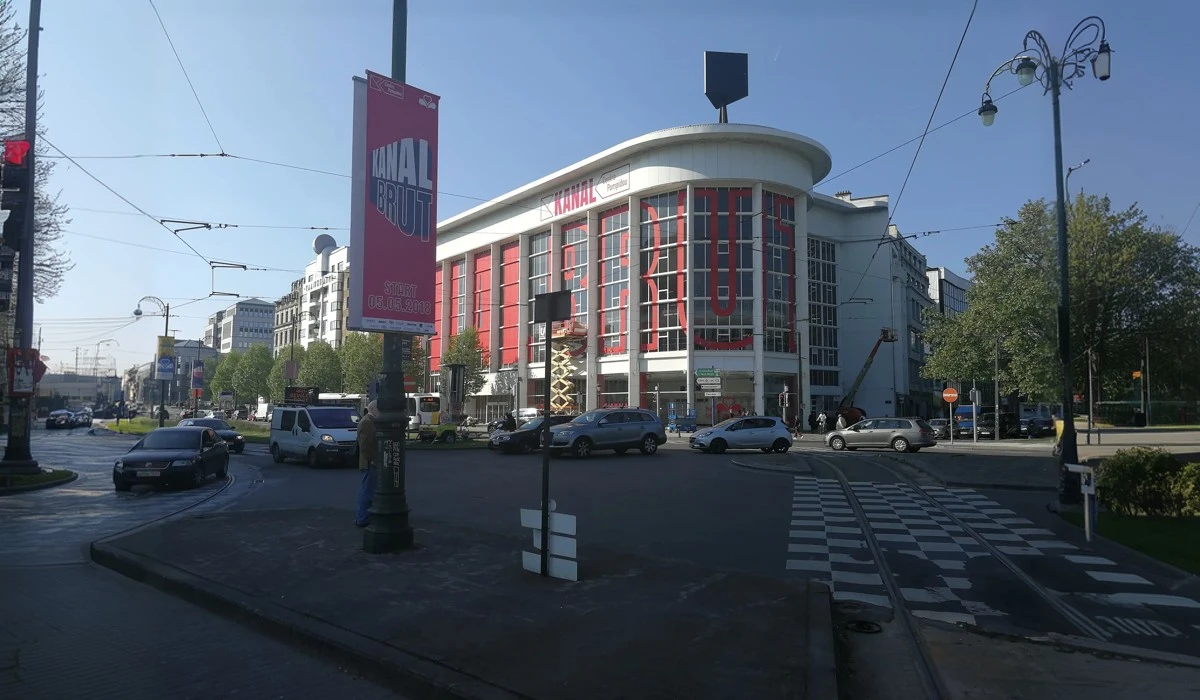
Image Credit - by Marc-AntoineV, CC BY-SA 4.0, via Wikimedia Commons
Kanal Museum Opening In Danger
Brussels’ Industrial Cathedral: The Fight to Rescue Kanal from Bureaucratic Collapse
Construction teams in the Belgian capital work furiously to transform a massive industrial site into a premier cultural hub. They adhere to a rigid timeline to ensure the Kanal-Centre Pompidou welcomes visitors by late November 2026. This bold initiative inhabits the legendary facility once used by Citroën to display cars, located on the northwestern boundary of the downtown district. Engineers successfully strengthened the steel skeleton and swapped out the famous glass panes. The structure currently stands ninety-five percent finished. Inside the offices, curators finalize the roster for the grand debut exhibition.
This first show promises to wow guests with masterpieces by artistic titans such as Giacometti, Matisse, and Picasso. The partner institution in Paris provides these precious works through a strategic agreement. Meanwhile, translation staff approved the wall labels in English, Dutch, and French. Despite this physical headway, a political tempest brews nearby. Observers worry that government inaction could destroy years of effort just months before the ribbon-cutting.
Resurrecting a Modernist Giant
Architects built this cathedral of steel and light during the early 1930s to showcase automobiles. For decades, the garage stood on Yser Square as a beacon of modernity. The renovation squad, including Sergison Bates, EM2N, and noAarchitecten, strives to respect this manufacturing legacy. They envisioned the museum as a "metropolis within a metropolis" where pedestrians can walk through the ground level without buying a pass.
The design keeps the huge central hall open, forming a covered street that connects different neighborhoods. Builders installed climate-controlled "cubes" inside the vast spaces to protect fragile art. This method generates exhibition zones while keeping the raw, airy vibe of the original workshop. Workers currently polish the refurbished glass exterior, ensuring it glows as a landmark for the area. The magnitude of this makeover rivals any restoration project currently happening in Europe. It stands as a daring attempt to use the industrial past for a creative tomorrow.
Surpassing International Rivals
Kanal intends to outdo established European venues in both physical size and artistic reach. The building covers a stunning 40,000 square meters of total floor space. Planners set aside 12,500 square meters strictly for displays across five separate floors. This gigantic footprint makes the Belgian location bigger than London's first Tate Modern, the Guggenheim Bilbao, and the Palais de Tokyo in Paris. The facility also contains stages for live acts, an architectural study center, fine dining spots, and public meeting areas.
Leaders in Europe see this heavy investment as a tactical play to reinvent Brussels. They want the city to exist as a cultural hotspot in its own right, shaking off its image as merely a gray administrative hub. The scale of the plan shows a desire to compete straight up with global art centers like Berlin and New York. However, doubters ask if a local administration holds the cash to keep such a giant running.
Government Stalling Halts Momentum
Hope regarding the launch has turned into fear over the last few weeks. Locals no longer ask when the gallery opens, but if it opens at all. Eighteen months have passed since the voting concluded in Belgium, yet the capital territory still lacks a permanent government. Political factions remain stuck in a stubborn deadlock, leaving the area under a caretaker regime with restricted authority. This extended power void stops the approval of a solid multi-year budget. Finance pros predict that harsh saving measures will surely follow any eventual coalition deal. Whispers flow through the city that negotiators intend to slash the operating cash for Kanal by over fifty percent. Such a deep cut would hamstring the organization before it greets a single guest. The doubt generates a poisonous mood around what should act as a moment of national pride.
The Director Issues a Warning
Kasia Redzisz, the artistic lead for the museum, expresses deep worry about the growing crisis. She notes that her group never expected to face a total leadership vacuum just one year prior to the big reveal. Redzisz cautions that the initiative risks a full stop without an instant verdict regarding the fiscal plan. A forced pause in building now would jeopardize the whole future of the project. Her staff works hard to ready the creative lineup, yet money troubles weaken every move. Contractors need on-time payments to complete the intricate climate and power systems. Any break in funding could spark penalty fees and cause permanent setbacks. Redzisz stresses that the price of halting construction now might top the price of finishing it. She begs politicians to untangle the museum’s destiny from their partisan fights. The risks involve not just lost cash, but the reputation of Brussels as a serious capital.
Addressing Decades of Missing Art
City strategists have wanted a dedicated gallery for modern art in Brussels for twenty-five years. Currently, the capital leans on spots like Bozar or Wiels, which host great temporary shows but hold no permanent stock. This hole in the cultural framework caused real harm to Belgian art history. Big global museums, such as New York's MoMA, often bought key pieces by Belgian masters like Marcel Broodthaers. These artistic gems left the nation forever because no local entity existed to buy and keep them. Kanal stands as the last chance to fix this historical mistake. Supporters claim a capital city cannot assert world-class standing without a central vault for its own creative legacy. The plan seeks to keep future masterworks inside Belgium. Failing to launch would mean repeating past errors and losing another wave of art.
Memories of Past Disasters
History provides a dark lesson for the current project bosses. An earlier push to build a major arts hub in 2001 ended in total ruin. Michael Tarantino, a curator from America, had recruited a crew to guide that effort with high expectations. However, fierce political battles slowed every stage of the process. The board finally canceled the whole plan after Tarantino died in 2003. That flop left a wound on the city’s cultural scene that hurt for a decade. A decade and three years passed before the PS socialists brought the idea back, grabbing the Citroën site as the new home. They hoped to win where past leaders had failed. Yet, the current stall looks hauntingly like those old struggles. Many in the creative field worry that the "curse" of Brussels red tape has returned. They watch with fear as history threatens to loop, leaving another dream dead.
Skeptics Attack the Massive Size
The huge reach of Kanal attracted harsh words from local voices right from the start. Wiels director Dirk Snauwaert stays a vocal doubter of the plan. His group puts on world-class events yet gets no core funding from the region. Snauwaert claims a local administration is trying a task that needs the deep pockets of a nation-state. He calls the scheme a technocratic choice blown up by pricey advisors. He often asks who truly thinks this idea is financially viable in the long haul. Other detractors point to the broken roads elsewhere in town. They ask about the ethics of spending millions on a status symbol while tunnels, bridges, and social housing need fixing. These critics see Kanal as a vanity prize for politicians rather than a real service to the people. The unfolding budget mess has only added fuel to their points.
Anger Over the Parisian Alliance
The official pact with the French institution creates specific anger among the public. This deal costs the city roughly 2 million euros yearly and runs for five years post-launch. Many Dutch speakers, who make up most of Belgium’s total people but a smaller demographic in the capital, view this bond with deep mistrust. Some see it as a type of French cultural imperialism. They insist that Brussels should not pay a foreign entity to prove its artistic value. The setup allows Kanal to borrow heavily from the huge reserves of art from Pompidou. However, skeptics feel this dependence stops the growth of a distinct, local character. They hate seeing Belgian tax euros flow to a French group during hard economic times. This language and culture gap makes the political talks even harder. The partnership has turned into a magnet for wider tensions within the complicated Belgian union.
Experts Doubt the Strategy
Chris Dercon, who once ran Tate Modern and now heads the Paris-based Fondation Cartier, finds the deal confusing. He asks why the city needs to bring in a collection when Belgium already holds some of the best private art stocks in Europe. Dercon suggests a smarter plan would involve working with local buyers and foundations. This method would keep assets within the local system and show off domestic taste. Other pros argue that the fee paid to Paris could support dozens of smaller local projects. They think the cash would work better backing grassroots art and living creators. The reliance on a "big brand" franchise model looks old-fashioned to these watchers. They push for a more natural, locally rooted center that rises from the ground up rather than coming down from above.

Image Credit - by Edison McCullen, CC BY-SA 4.0, via Wikimedia Commons
Dreams of Economic Growth
Fans of Kanal brush off these fights as normal pains for an initiative of this size. They note that famous spots like London's Tate and the first Centre Pompidou met similar hate before opening. These backers claim the money perks will eventually hush the critics. Redzisz asserts the venue adds millions to the local economy annually. The plan pledges to generate 780 positions for the city. Planners hope the gallery will wake up the whole canal zone. This district, often ignored and industrial, stands to win big from more visitors and walking traffic. Supporters argue the starting cost will pay for itself many times through tax income and spending. They see culture as a strong motor for city renewal. Walking away from the plan now, they say, would lose these possible money gains and leave the area to rot.
Connecting with the Neighbors
The museum bosses made specific moves to bond with the nearby area of Molenbeek. This neighborhood is one of the poorest and most mixed in town, often bashed in the news. The layout dedicates 20,000 square meters inside the complex to the public. Assemble, winners of the Turner Prize, built the play area specifically for local families. Staff ran sessions for students from 27 area schools to get them ready for the launch. These steps aim to show that Kanal is for everyone, not just the art crowd. Redzisz wants the hub to act as a "social energy plant" for the people. She denies the thought of the museum as a high tower cut off from its streets. The aim is to lower the bar for walking into a culture spot. Success rides on whether the local residents feel a true sense of belonging in the space.
The Political Mess Deepens
The current deadlock in the Capital territory breaks records for government delays in a nation famous for them. Talks involve six different groups, each with clashing wants and needs. Representatives for the French-speaking centrists say they must find 1 billion euros in savings. They warned that all bureaus, including Kanal, must join this saving effort. The Green party (Flemish) agreed, hinting leaders must sharply reduce the project’s goals. They claim the gallery falls beyond the main duties of the regional state. This agreement across parties on cutting costs looks bad for the museum’s future. The politicians seem set to trade culture plans to balance the ledger. Kanal has turned into an easy mark in the desperate hunt for budget scraps.
Slashing the Daily Budget
News reports hint the suggested cuts could ruin the museum's ability to function. The MR liberals suggested cutting the yearly running costs from 35 million euros to about 13 million. This means a drop of roughly sixty percent. While this idea is not yet law, it shows the danger level. Such a tight budget would make it impossible to operate a gallery of this size well. It would force the shutting of rooms, the cutting of shows, and mass firing of staff. The structure would basically turn into a hollow shell, unable to do its job. Security, heat, and repair bills alone would eat most of that smaller amount. Museum bosses say a half-funded site is worse than no site at all. They argue the business plan needs the full amount to make the needed income.
Calls to End the Paris Contract
Some voices offer a middle ground to save the place from money ruin. Snauwaert urges leaders to save cash on the expensive Paris link. He claims ending the deal with the French partner would free up millions for local needs. He thinks the smart choice involves investing that cash directly into Belgian culture. This fix would calm the Dutch speakers' worries about French power while saving funds. It would also lower the instant money weight on the region. However, voiding the pact could bring legal fines and big damage to their image. It would also leave the gallery without its main art stock for the early years. The directors must balance the price of the alliance against the value of the status it brings. This problem forces a hard pick between keeping high goals and accepting reality.
Facing the Money Truth
Museum management accepts the tough spot they are in. Redzisz said she sees the financial situation facing the territory. She verified that her crew is ready for budget reductions like everyone else. However, she refuses cuts that would kill the project. She demands that politicians see the massive promise of this work. It acts as a future city icon and a sign of European togetherness. Redzisz insists that quitting now means cultural suicide. She calls on the long view of the negotiators. The director trusts that once the gates open, the public love will be huge. She asks for the shot to prove the museum’s value before leaders kill the lights.
Symbolizing the Core of Europe
Global watchers see the mess as a trial of Brussels' growth as a capital. Ann Demeester, who heads the Kunsthaus in Zurich, calls the venue vital for the town. She describes the city as Europe's symbolic core. She notes it is teeming with creators and holds a sharp vibe like Berlin used to have. Demeester claims Kanal gives the physical room to capture this creative force. The plan shows trust in the urban future. It signals that Brussels is more than just a desk hub for EU offices. Finishing Kanal would lock in the city's rank as a major metropolis. Failure would back up the story of a broken capital unable to do big things. The world waits to see if Brussels can keep its word.
Recently Added
Categories
- Arts And Humanities
- Blog
- Business And Management
- Criminology
- Education
- Environment And Conservation
- Farming And Animal Care
- Geopolitics
- Lifestyle And Beauty
- Medicine And Science
- Mental Health
- Nutrition And Diet
- Religion And Spirituality
- Social Care And Health
- Sport And Fitness
- Technology
- Uncategorized
- Videos

