
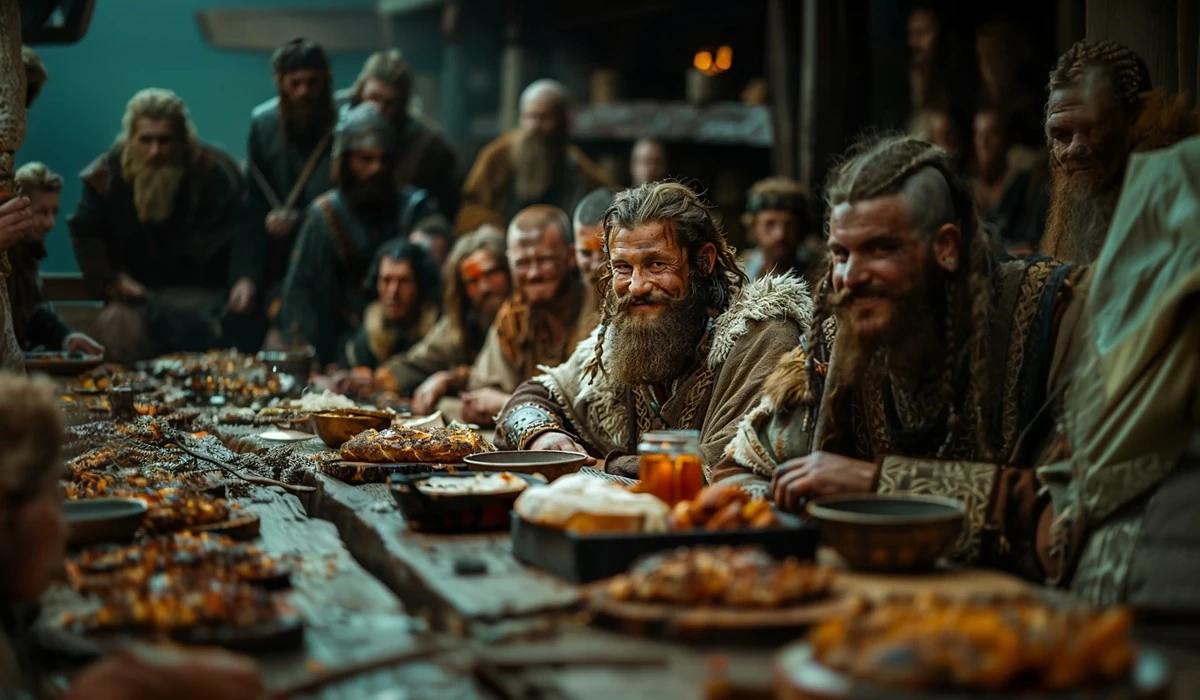
How Rotting Snake Bread Won In Byzantine History
Emperors in Constantinople wore heavy purple silk and sat on golden thrones, yet they kept jars of rotting snakes in the palace basement. They realized that a single loaf of tainted bread often saved more lives than a thousand heavy cavalrymen. This preference for trickery over open battle allowed the empire to outlast every rival.
Understanding Byzantine History requires looking past the shining mosaics to see the ruthless, practical choices made in the shadows. Commanders knew they couldn't afford to lose their best men in fair fights. Instead, they weaponized biology and psychology to stay alive.
The Sylloge Tacticorum and the Literary Art of War in Byzantine History
Byzantine generals supplemented their sword training with the study of books. As stated in research from Oxford Academic, the tradition of Byzantine military handbooks as a specific literary form has roots stretching back to antiquity. In the 10th century, a manual appeared called the Sylloge Tacticorum. According to the manual's overview provided by AbeBooks, the Sylloge Tacticorum addresses a broad range of topics, including battle arrangements, raids, sieges, and ambushes. This book moved away from the idea of "heroic" death and focused on the math of survival. It combined ancient Roman lessons with new, devious tricks.
A Manual for a Besieged Empire
The Sylloge Tacticorum functioned as a survival kit for a government surrounded by enemies. To the east, the Abbasid Caliphate launched massive raids. To the north, the Bulgarians threatened the borders. Research published on Medievalists.net states that this guide provides instructions for standard offensive and defensive maneuvers while exploring several dishonest tactics. The empire used this Byzantine military strategy to turn an enemy's strength into a weakness. Leaders prioritized keeping their soldiers alive because they couldn't easily replace them.
The Tradition of the Taktika
The Eastern Romans loved to write down their war secrets. They created a genre of books called "Taktika." These began with Emperor Maurice and continued through Leo VI. These books show that Byzantine History followed a path of intellectualized warfare. They treated the battlefield like a laboratory. If a general could win through the poisoning of a well or the use of strange smells to scare a horse, the manuals encouraged it. These writers believed that a smart commander never fought a fair fight.
Deconstructing the Plague Bread: The Most Devious Byzantine Military Strategy
As observed by Medievalists.net, the opening plot described in the Sylloge Tacticorum is an elaborate method intended to infect the opposition with disease. This was a calculated biological attack rather than a myth. It was designed to destroy an army from the inside. Generals used the basic human need for food to deliver a lethal payload.
The Viper and the Toad: A Toxic Fermentation

The recipe for this bread sounds like something from a dark fairy tale. The process, as described by Medievalists.net, begins with placing a tree frog or a toad into a container along with a viper and sealing it until both creatures have died. The study also suggests that their remains are then crushed and boiled in water, which the bakers use to prepare loaves of bread. While the Byzantines lacked modern germ theory, they weaponized animal toxins through bread and water contamination to incapacitate enemy camps. This process created a biological agent that stayed potent even after baking.
The Trojan Horse of Nutrition
The delivery system relied on the enemy's mercy. Byzantine soldiers would capture enemy scouts or raiders. They fed these prisoners the tainted bread. Once the prisoners were full of toxins, the Byzantines allowed them to "escape." These men ran back to their own camps, carrying the infection with them. As the prisoners shared their food or simply lived among their peers, the sickness spread. It allowed the Romans to win without ever drawing a sword.
The Risk of Blowback in Byzantine History Warfare
Using biological weapons carried a high price. The Byzantines knew that these toxins didn't care who they killed. This created a dangerous environment for the imperial troops who had to handle the materials.
When the Baker Becomes the Victim
The Sylloge Tacticorum includes a grim warning for the specialists. The people preparing the plague bread usually died before the bread even reached the enemy. The fumes from the rotting animals and the handling of the toxic dough were lethal. The empire viewed these bakers as sacrificial tools. This reflects the cold logic of Byzantine military strategy. They sacrificed a few specialists to save an entire province from invasion.
Logistics of Contamination
Keeping the toxins away from the main army required strict discipline. Generals had to ensure their own men didn't accidentally eat the bread or drink from the same water sources. Ironically, the lack of modern medicine made these weapons more terrifying. Once a biological agent entered a camp, no one could stop it. The Byzantines calculated that the chaos caused by a dying enemy was worth the risk of accidental exposure.
Manpower Scarcity as the Architect of Byzantine Military Strategy
The Byzantines utilized poison because they were understaffed and lacked financial resources, rather than out of malice. Every soldier was an expensive investment that they couldn't afford to waste.
The Cost of a Cataphract
A single cataphract, or heavy cavalryman, cost more than a small village. The empire had to pay for the horse, the heavy iron armor, and the years of training. Losing one regiment in a reckless charge could bankrupt a local governor. Because of this, Byzantine History focuses on avoiding direct combat. They used indirect methods to protect their "expensive" soldiers. A jar of vipers was significantly cheaper than a line of elite cavalry.
How did the plague affect the Byzantine army? According to a report by The Collector, the spread of the plague diminished the strength of Byzantine armies, which provided the Goths, Vandals, and Lombards a short period of relief. As noted in Britannica, the outbreak was named for the ruler of the empire at that time, Justinian I. This massive loss of life changed how they thought about war forever. They moved away from the huge legions of old Rome and toward smaller, smarter units.
Preservation of the Theme System
The empire used a "Theme" system to defend its lands. Local farmers served as part-time soldiers. These men had families and crops to tend. They weren't interested in dying for glory on a distant field. This defensive mindset encouraged generals to use attrition. They preferred to let an enemy army starve or get sick while the Romans sat safely behind their walls. This approach kept the empire's heartland intact for centuries.
Beyond the Loaf: Other "Unfair" Tactics in Byzantine History
The plague bread was just one tool in a large chest of horrors. The Byzantines studied their enemies' animals and psychology to find every possible advantage.
Chemical Disruptors: Spurge Juice and Wolf Ankles
Commanders used simple plants to cause massive chaos. Infantrymen carried "hand siphons" filled with the juice of the spurge plant. They sprayed this into the nostrils of charging horses. The juice caused the animals to choke and panic. To stop cavalry, they also threw wolf ankle bones on the ground. According to the manuals, the smell or the specific shape of these bones could trip or scare horses. The military strategy of Byzantium focused on rendering the enemy's equipment useless.
The Psychology of Poisoned Wine
Sometimes the best way to win was to run away. Byzantine armies would abandon their camps when a larger force approached. However, they left behind "gifts." They left barrels of wine laced with monkshood, hemlock, or poppy juice. The tired, hungry invaders would find the camp and start celebrating. Within hours, the entire enemy army would fall into a deep, drug-induced stupor. The Byzantine soldiers then returned and finished the job while the enemy couldn't even stand up.
The Ethical Paradox of Byzantine Military Strategy
The Byzantines were deeply religious people. They believed they were the "New Israel." This created a tension between their Christian faith and their use of poison.
Divine Sanction and Dirty Tricks
The church and the state worked together to justify these tactics. They argued that the empire was God’s kingdom on earth. If the empire fell, the "True Faith" would disappear. Therefore, any method used to protect the empire was essentially holy. This allowed them to reconcile the use of toxins with their religious identity. They saw deception as a gift from God to help the righteous defeat the "barbarians."
Diplomacy by Other Means
In Byzantine History, a bribe was just as effective as a sword. They often combined biological sabotage with political lies. They might poison an enemy leader while simultaneously offering his brother a chest of gold to start a civil war. This "total warfare" approach meant that the battle never really stopped. Even in times of peace, the Byzantines were busy planning their next "unfair" move.
The Enduring Shadow of Cunning in Byzantine History
The strategies found in the Sylloge Tacticorum weren't just temporary fixes. They became the standard way of doing business for over a thousand years. This consistency allowed the empire to survive while others crumbled.
From Justinian to the Fall
The empire’s reliance on asymmetric warfare started early and lasted until the end. Even when the empire was just the city of Constantinople, they used these tricks to keep much larger Ottoman forces at bay. They constantly adapted their Byzantine military strategy to fit new enemies. Whether they were fighting Vikings, Arabs, or Franks, the Romans stayed focused on the "smart" win.
What was the Sylloge Tacticorum? It was a comprehensive 10th-century Greek manual that combined ancient Roman stratagems with contemporary medieval innovations to guide imperial generals. It proved that the empire valued intelligence over raw power. This book helped preserve Roman culture long after the city of Rome had fallen into ruins.
Modern Echoes of Byzantine Sabotage
These ancient tactics look surprisingly modern. Today, we call this "asymmetric warfare." The Byzantines understood that you don't need a bigger army if you can ruin the enemy's food or kill their horses with chemicals. They pioneered the idea that information and chemistry are just as important as steel. Their focus on the "dirty" side of war established the basis for modern special operations.
The Legacy of the Plague Bread
The story of Byzantine History is a story of survival against impossible odds. While other kingdoms burned out in bursts of glory, the Eastern Romans kept their gates closed and their ovens hot. The plague bread strategy shows a civilization that valued its people too much to waste them in pointless battles. They chose to be clever rather than just brave. This focus on Byzantine military strategy kept the light of classical civilization burning for over a millennium. The empire survived due to its willingness to bake dangerous bread rather than through raw strength.
Recently Added
Categories
- Arts And Humanities
- Blog
- Business And Management
- Criminology
- Education
- Environment And Conservation
- Farming And Animal Care
- Geopolitics
- Lifestyle And Beauty
- Medicine And Science
- Mental Health
- Nutrition And Diet
- Religion And Spirituality
- Social Care And Health
- Sport And Fitness
- Technology
- Uncategorized
- Videos

