
History Of Humankind: Inside Neolithic Walls
For thousands of years, humans survived through the following of seasons and the herds. Moving kept our bodies strong and our groups small. The moment we built permanent walls, we traded that freedom for a completely different way of living. This choice initiated changes in our health, our families, and our leaders that still affect us today. We see the whole History of Humankind in the shift from the open trail to the cramped village.
Staying in one place created a new set of rules for survival. Instead of finding food, we had to grow it. Instead of walking away from trash or disease, we had to live right next to it. This shift from wandering to staying put is the most important turn in our story. It forced us to invent new ways to talk, work, and worship.
The Broad Canvas of the History of Humankind
The story of our species covers a massive stretch of time. Most of this time involves people living in small, mobile groups. We call the start of the current stable climate the Holocene. This period began about 11,700 years ago. It gave us the steady weather we needed to stop moving and start farming.
Defining the Epochs of Change
Historians divide our past into stages based on the tools we used and how we got our food. For a long time, we thought our species only went back 200,000 years. According to reports by Reuters and Nature, fossils found at Jebel Irhoud in Morocco show that Homo sapiens existed 300,000 years ago.
How long is the history of humankind? These same reports state that while modern humans appeared roughly 300,000 years ago, the most significant cultural shifts occurred within the last 12,000 years. This recent window is when we developed the cities and technology we recognize today.
The Biological Foundations of Progress
Our brains changed long before we built houses. Research published in PMC notes that while archaeology treats cognitive development as part of an involved suite of traits, some theories suggest humans developed "Theory of Mind" about 70,000 years ago. This is the ability to understand that other people have their own thoughts and plans. This mental leap allowed us to cooperate in much larger groups.
At the same time, we faced a massive challenge. As noted in Nature, a giant volcano called Toba erupted and caused global cooling, though evidence is debated regarding whether the human population dropped to as few as 2,000 people. This survival struggle shaped our DNA and made us a very resilient species.
Mapping the Routes of Hominid Migration
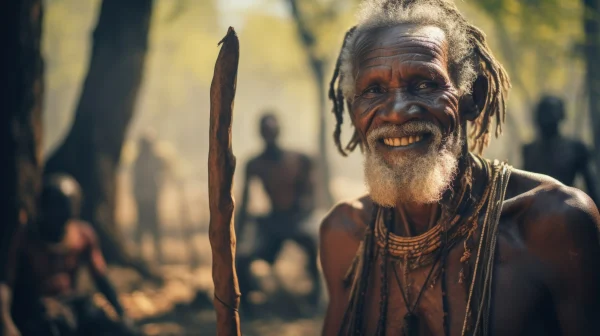
Humans are natural explorers. Our ancestors did not stay in Africa; they pushed into every corner of the earth. We call this massive movement a hominid migration. These travelers followed coastlines and crossed land bridges that no longer exist.
Out of Africa and Into the Unknown
Research in Science describes a southern route of dispersal where one major path for hominid migration followed the tropical coast of Asia. These people moved along the Arabian Peninsula and through India. According to a study in PMC, they eventually reached Australia and New Guinea around 65,000 years ago, living off the ocean as they went.
Another group moved north into Europe and North Asia. They faced freezing temperatures and giant animals. These early explorers used their intelligence to survive in places where the environment tried to kill them every day.
Environmental Drivers of Ancient Travel
Climate often decided where people went. ScienceDirect describes Beringia as the landmass between Siberia and Alaska that was exposed when sea levels dropped. This bridge allowed for hominid migration into the Americas about 15,000 years ago.
Groups of people stayed on this land bridge for thousands of years. We call this the Beringian Standstill. When the ice finally melted, they moved south into North and South America. They carried the tools and skills they had perfected during their long wait in the cold.
The Rise of the First Neolithic Settlements
The end of the wandering life happened slowly. People began to realize they could control their environment. They stopped moving because they found places where food was easy to find or grow. These spots became the first Neolithic settlements.
From Temporary Camps to Stone Foundations
In the Levant, a group called the Natufians started staying in one place. They lived in semi-sedentary Neolithic settlements between 12,500 and 9,500 BCE. They harvested wild grain and built small stone huts. While they had not yet become farmers, they had already moved past being true nomads.
What was the first permanent human settlement? Many archaeologists point to sites like Göbekli Tepe or Jericho as the earliest examples of humans congregating in fixed locations. Jericho, specifically, shows us that people wanted to stay together for a long time.
The Agricultural Spark
Farming changed everything. People learned to plant eight "founder crops," including wheat, barley, and lentils. This gave them more food than they could eat at once. This extra food meant they could stay in Neolithic settlements year-round.
They no longer had to carry all their belongings. They could build heavier tools and permanent storage bins. This extra energy led to a population boom. More people meant more workers, but it also meant more mouths to feed.
Turning Points in the History of Humankind
When we chose to live together in one spot, we changed our destiny. The History of Humankind took a sharp turn away from the wild. We started to own land and animals for the first time. This new way of living brought both comfort and brand-new problems.
The End of the Nomadic Period
Leaving the nomadic life meant leaving a varied diet behind. Hunter-gatherers ate hundreds of different plants and animals. Farmers ate mostly grain. Research published in PMC associates higher rates of dental cavities with these sedentary societies compared to hunter-gatherers, likely because of the fermentable carbohydrates found in grain.
Scientists look at ancient skeletons to see this change. Farmers often showed signs of stress in their bones. Living in one place was hard work, and it took a toll on the human frame.
Domestication and Its Consequences
We domesticated both plants and animals. Sheep, goats, and pigs became part of daily life. Later, we started using them for milk, wool, and pulling plows. We call this the Secondary Products Revolution.
According to PMC, this closeness to animals brought a dark side as zoonotic flu viruses frequently emerge from domesticated animals. The research also notes that while the emergence of smallpox from an animal ancestor is a possibility, it is not a settled fact. Because people lived close together in villages, these diseases spread fast. We had to develop stronger immune systems to survive the germs of our own livestock.
Engineering Life Inside Neolithic Walls
Early builders had to solve many problems. They needed to keep their families warm, their food dry, and their neighbors out. The design of these early Neolithic settlements shows how smart our ancestors really were.
Privacy, Defense, and the Birth of the Home
In Jericho, people built a massive stone wall 12 feet high and a 26-foot tower. While ScienceDaily notes that the purpose of this structure is debated as either defensive or symbolic, it represents a significant use of stone for protection in the History of Humankind. It shows that they had something valuable to protect.
Why did humans start living in Neolithic villages? Humans shifted to village life primarily to manage communal resources like grain stores and to provide collective defense against predators and rival groups. These walls kept their grain safe from those who didn't farm.
Urban Planning in Its Infancy
An article in JSTOR describes how residents of Çatalhöyük in Turkey lived in houses clustered together without streets, walking on rooftops and entering through ladders to get inside.
This layout kept the houses warm in the winter. It also made the village very easy to defend. If an enemy attacked, they had no streets to run through. This style of building shows that early humans valued safety and community over personal space.
Social Evolution and Neolithic Settlements
Living in a village required new social rules. In a small wandering group, everyone is mostly equal. In a large settlement, some people become more powerful than others. This is where we see the start of social classes and organized religion.
The Birth of Social Stratification
As Neolithic settlements grew, people started to specialize. Some people became great at making pottery, while others became experts at weaving. Eventually, some people became richer than others.
Archaeologists find this in cemeteries. In the Varna Necropolis, some graves are filled with gold, while others have nothing. This is the first clear evidence of wealth inequality in our past. It shows that staying in one place allowed some families to gather more power.
Rituals and Religion Behind Closed Doors
Religion became more formal inside the walls. As detailed in the Cambridge Archaeological Journal, Göbekli Tepe contains large stone pillars depicting animals, specifically predators. In other villages, people kept the skulls of their ancestors, covering them in plaster to resemble living faces.
These rituals helped people feel connected to their land and their family history. It gave them a reason to stay in one spot for generations. Religion acted like a glue that held these large groups of people together.
Reflections on the History of Humankind Today
We still live in the world our Neolithic ancestors created. Our cities are just larger versions of those first villages. The way we trade, eat, and talk to our leaders started inside those mud-brick walls thousands of years ago.
The Blueprint of Modernity
We use many of the same construction methods today. Mud bricks and stone foundations are still common in many parts of the world. Even our problems are the same. Modern cities trap heat just like the packed houses of Çatalhöyük did.
We also deal with the same social pressures. Managing large groups of people requires laws and leaders. These systems began when the first farmers realized they needed a way to settle arguments over land and water.
Why the History of Humankind Still Matters
Studying our past helps us understand our present. We see that humans are incredibly adaptable. We moved across the globe during the hominid migration and then completely rebuilt our society in Neolithic settlements.
Every time we walk through a doorway or buy food at a market, we are repeating a behavior that started at the end of the Stone Age. Our history exists both behind us and within the walls around us.
Summarizing the History of Humankind
The pathway from the open plains to the first walled towns is the most important chapter in the History of Humankind. We gave up the freedom of the road to build something that would last. This trade-off brought us safety, art, and record-keeping, but it also brought us disease and inequality.
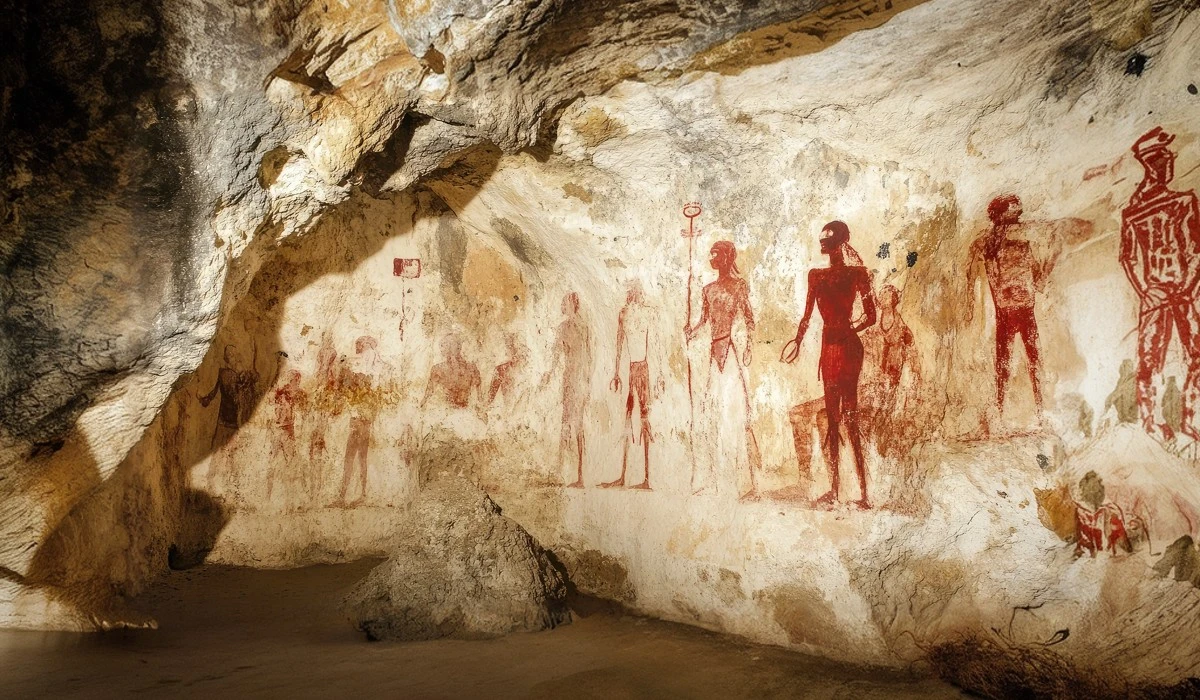
We are still the same species that crossed the Bering land bridge and painted the walls of caves. Our ancestors used their intelligence to solve the problems of their time. Through the study of their first homes and their long paths, we see the strength and creativity that define us today.
Recently Added
Categories
- Arts And Humanities
- Blog
- Business And Management
- Criminology
- Education
- Environment And Conservation
- Farming And Animal Care
- Geopolitics
- Lifestyle And Beauty
- Medicine And Science
- Mental Health
- Nutrition And Diet
- Religion And Spirituality
- Social Care And Health
- Sport And Fitness
- Technology
- Uncategorized
- Videos

