
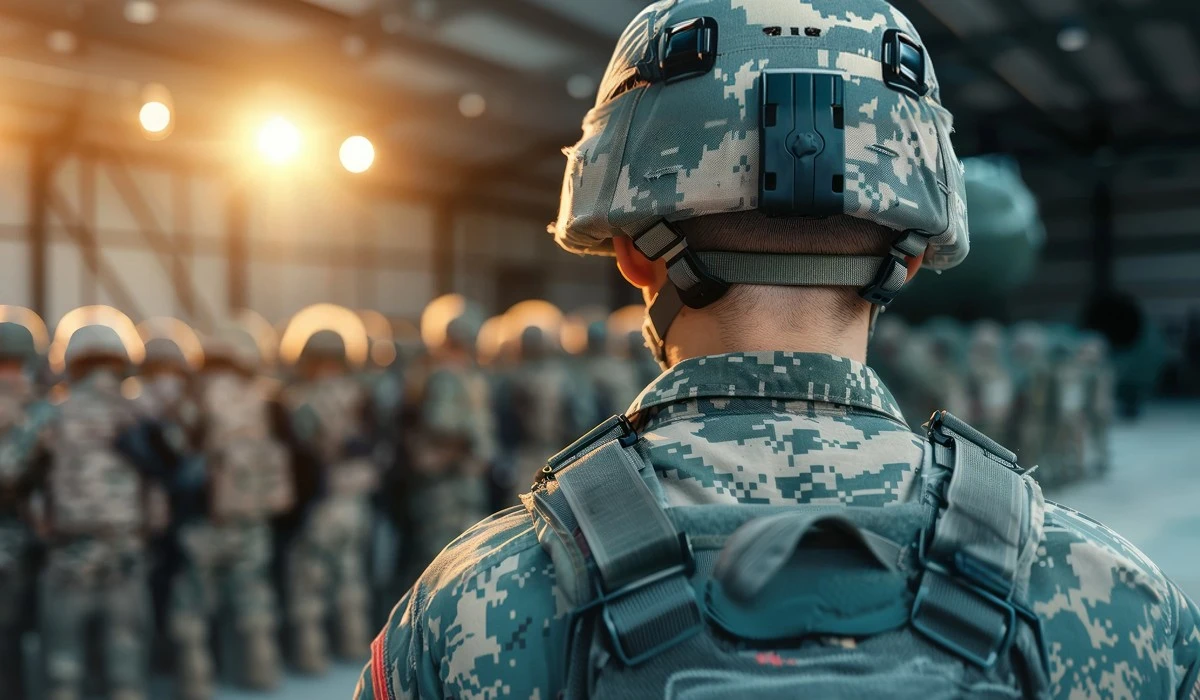
Germany Military Service 2026 Survey Tracked 300k Men
Administrative pauses often disguise the slow reactivation of dormant state machinery. As Reuters reported, Germany suspended compulsory military service in 2011 under Angela Merkel, effectively halting the draft mechanism. Now, a different gear begins to turn. The Independent notes that the government initiates a new phase of systematic data collection starting in January 2026. This move transitions the nation from a passive stance to an active pre-mobilization footing. Germany's new military service model relies on information first and enlistment second. The state needs to know who stands ready before it issues orders. The Federal Government describes a system that creates a digital registry of the nation's youth, specifically targeting 18-year-olds. The gap between the 2011 suspension and the 2026 reactivation of these protocols highlights a quiet but massive pivot in national defense strategy.
The Mechanics of the Data Dragnet
Information acts as the primary fuel for modern mobilization efforts before a single boot hits the ground. According to The Independent, the government plans to send mandatory questionnaires to thousands of young men beginning in January 2026. This administrative step serves a specific operational necessity. The Ministry of Defense aims to identify capable candidates for homeland protection in the event of a sudden attack. The same publication quotes Boris Pistorius, who emphasizes the need to determine operational capability among the population because allies now view the nation as a "pacesetter" for European defense. The process filters the population to find suitable recruits.
The sheer scale of this operation requires significant processing power. Authorities plan to process approximately 300,000 men per year through these surveys and subsequent medical exams. While the service itself remains voluntary for now, the response to the questionnaire becomes mandatory for men. Is military service mandatory in Germany now? Currently, actual service remains voluntary, but Reuters clarifies that answering the initial questionnaire becomes mandatory for men starting in 2026. This distinction matters. The state compels communication, even if it does not yet compel service. This data collection forms the backbone of Germany's new military service framework. It allows the Bundeswehr to build a roster of potential defenders without technically reinstating the full draft immediately.
Financial Leverage and Service Terms
Monetary incentives frequently replace legal compulsion when a state needs to fill ranks quickly without political fallout. Defense News reports that the government offers a monthly salary of €2,600 to attract volunteers. This figure significantly outpaces the compensation in neighboring nations. For comparison, The Guardian notes that France offers approximately €800 per month for its voluntary training program. The German model clearly prioritizes financial motivation to secure commitment.
Recruits face a flexible timeline. Service duration ranges from 7 to 23 months. This variability allows individuals to tailor their commitment to their personal schedules. A probation period covers the first six months. During this window, either the military or the recruit can terminate the contract. This clause reduces the risk for hesitant volunteers. The structure suggests a "try before you buy" approach to national defense. Germany's new military service strategy uses these favorable terms to compete with the private sector for young talent. The high salary signals the government's desperation to meet its recruitment goals through market forces rather than force alone.
The Statistical Gap in Defense
Statistical deficits in manpower usually reveal the desperation driving major policy shifts. Data from Reuters indicates that the Bundeswehr currently maintains an active force of approximately 182,000 soldiers. This number falls far short of the strategic requirements for the next decade. The government set a target troop strength of 260,000 active soldiers by the early 2030s, specifically aiming for 2035. This creates a massive gap that the current voluntary system struggles to fill.
Recruitment goals demand an additional 20,000 soldiers over the next year alone. Beyond active troops, the plan calls for a reserve strength of roughly 200,000 personnel to supplement the main force. How many soldiers does Germany need? The government targets a force of 260,000 active soldiers by the early 2030s to meet defense requirements. Achieving these numbers requires a growth rate reminiscent of the Cold War era. However, current growth stands at a planned increase of only 8,000 per year. Historian Sönke Neitzel criticizes the current pace, labeling the plan a "document of hesitation." The disconnect between the ambitious targets and the actual intake rates creates a tension that Germany's new military service model attempts to resolve.

Political Friction and the Slim Majority
Parliamentary margins often dictate the strength and durability of national security protocols. The Bundestag vote on this initiative revealed a deep divide within the political landscape. AP News recorded that the measure passed with 323 votes in favor and 272 against, with one abstention. This slim majority of 12 votes underscores the fragile consensus supporting the rearmament effort. A coalition between Chancellor Merz's Conservatives and the Social Democrats drove the legislation forward.
Internal disagreements complicate the execution. The SPD, led by Pistorius, prefers a system focused on voluntary service and incentives. In contrast, Reuters explains that the CDU/CSU faction advocates for stricter measures, including random selection and automatic triggers if volunteer numbers remain low. This "Conscription on Demand" acts as a backstop mechanism. The political debate centers on the balance between necessity and liberty. Desiree Becker of the Left Party characterized the move as a "strike against the reintroduction of conscription." These political battles shape the final form of Germany's new military service, leaving the door open for future adjustments if the current voluntary-first approach fails.
Constitutional Limits and Gender Divides
Old legal frameworks frequently clash with modern equality standards during mobilization efforts. The German Constitution contains a specific restriction regarding the draft. It allows the state to mandate military service for men but protects women from the same obligation. Consequently, official government guidance states that the mandatory questionnaire applies only to men. Women receive the survey, but their participation remains entirely voluntary.
This gender divide creates a logistical and ethical paradox. The system targets 18-year-old men for mandatory responses and medical exams, while 18-year-old women face no such requirement. Target demographics for the survey theoretically include all 18-year-olds, but the legal compulsion applies to only half the population. This constitutional reality limits the pool of potential mandatory recruits. The government must navigate this restriction while trying to expand the Bundeswehr. Germany's new military service operates within these boundaries, leading to a hybrid system where men face administrative pressure while women face only recruitment marketing.
The Voice of Dissent
Public dissent reveals the friction between state ambition and individual liberty. Resistance to the plan erupted across the country. Protest organizers coordinated student strikes in approximately 90 cities. The opposition stems from a fundamental rejection of militarization. Organizers argue that war offers no prospects for the future and destroys livelihoods. They reject the idea of spending months in barracks "learning to kill."
Students and young people express concern over the disruption of their lives. They view the 7 to 23-month commitment as a burden on the younger generation. Political opposition groups echo these sentiments, citing financial unsustainability. They argue that the focus should remain on education and civilian infrastructure rather than rearmament. Why is Germany increasing its army size? Leaders cite the need for deterrence against Russian aggression and the fulfillment of NATO obligations as primary reasons. The protesters, however, see these reasons as a dangerous path toward conflict. This clash of values defines the public reception of Germany's new military service. The government pushes for security, while the youth push for autonomy.
Strategic Ambitions and Future Threats
Gradual implementation plans often mask the urgency of the actual threat landscape. Reuters highlights Chancellor Merz's commitment to creating Europe's strongest conventional army. This objective drives the entire restructuring of the military. The rationale hinges on deterrence against Russian aggression and meeting NATO targets. Boris Pistorius stated that allies look to Germany as a "pacesetter for defense in Europe."
The timeline extends into the next decade. The deadline for troop strength targets lies in the early 2030s. July 2027 marks the start of mandatory medical exams for fit candidates identified through the questionnaires. This slow rollout contradicts the immediate rhetoric of danger. Experts argue whether this pace meets the operational necessity of the moment. The government bets that a steady, methodical rebuild will suffice. Germany's new military service represents a long-term investment in defense architecture, designed to function as a deterrent through sheer scale and readiness.
The Silent Mobilization
A mechanism of observation precedes every mechanism of action. Germany's new military service establishes a surveillance and selection system disguised as a bureaucratic survey. The shift from the 2011 suspension to the 2026 data collection marks the end of the post-Cold War peace dividend. The state now requires a detailed inventory of its defenders. While the current phase emphasizes voluntary participation and high salaries, the legal and administrative structures for a draft now sit ready in the background. The government has built the engine; it only waits for the political will to turn the key.
Recently Added
Categories
- Arts And Humanities
- Blog
- Business And Management
- Criminology
- Education
- Environment And Conservation
- Farming And Animal Care
- Geopolitics
- Lifestyle And Beauty
- Medicine And Science
- Mental Health
- Nutrition And Diet
- Religion And Spirituality
- Social Care And Health
- Sport And Fitness
- Technology
- Uncategorized
- Videos

