
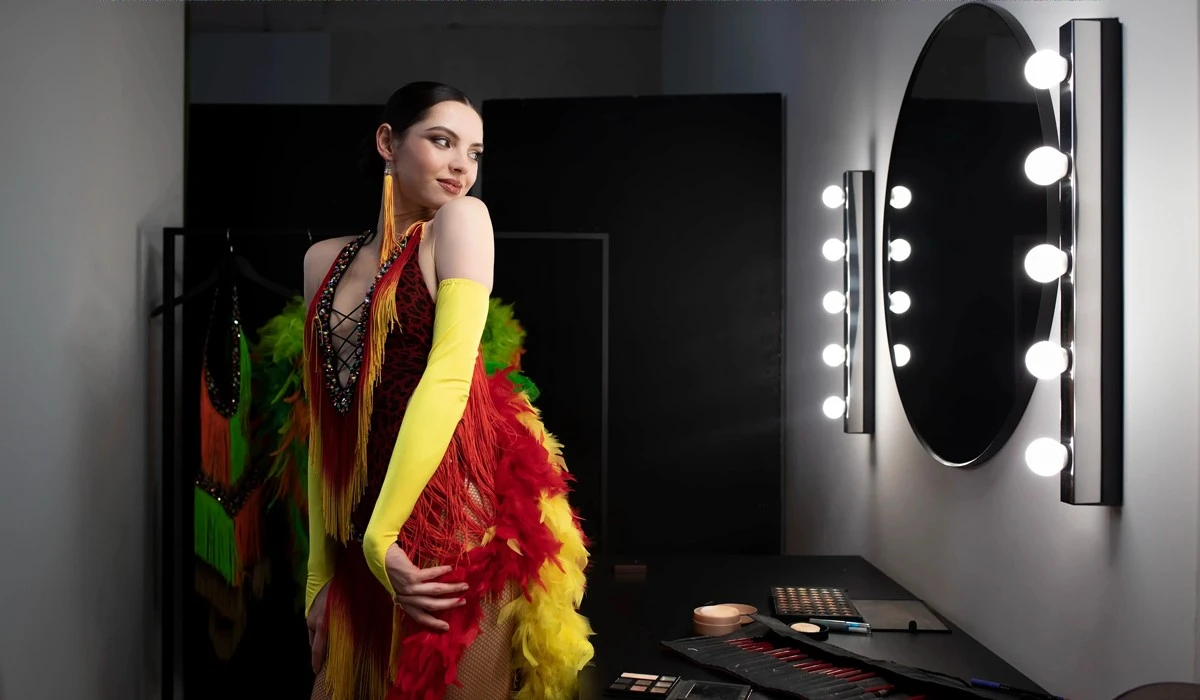
Costume Design: Secrets Of Theatrical Wardrobes
When an actor steps onto a stage, the audience forms an opinion before they hear a single word. A fraying cuff or a stiff collar reveals a character’s wealth, history, and current state of mind. Professionals use these visual cues to ground a story in reality. This field requires an eye for fashion as well as a deep knowledge of human behavior and history.
Improving your costume design for stage and screen turns a simple outfit into a powerful storytelling tool. You move beyond picking clothes and start building people. This guide shows you how to connect a written script with a visual performance. You will learn the technical skills that define the industry today. Moving from a hobbyist mindset to a technical expert requires discipline and a specific set of tools.
Essential Foundations of Costume Design For Stage And Screen
Every production relies on basic principles that never change. Whether you work on a big-budget film or a small local play, you start with the same basic questions about the world of the story.
Historical Context and Period Accuracy
Designers start with deep research. They look at old photos, paintings, and historical records to find the truth of a period. Professionals hunt for primary sources to see how people actually moved in their clothes. According to a report by the Royal Shakespeare Company, theaters in the 16th century viewed costumes as significant financial assets. The report notes that companies often bought real garments from the staff of deceased nobles, which grounded the play in authentic luxury. Costume Design for Stage and Screen requires this level of dedication to keep the audience focused on the story rather than a historical mistake.
Psychology and the Color Theory of Characterization
Colors carry heavy weight. A designer might put a hero in "cool" blues to show their calm nature. As that hero gains power or becomes angry, the palette shifts toward aggressive warm tones. This tells the story without a single line of dialogue. Adrian, a famous designer from the 1930s, used padded shoulders for Joan Crawford. This created a specific silhouette that balanced her body on camera. It changed how the world viewed female power through fashion.
Script Analysis and Creative Concept Development
A script provides the map, but the designer builds the world. You must read between the lines to find what a character hides.
Breaking Down the Costume Plot
According to the Royal Shakespeare Company, professional teams use detailed paperwork, such as a costume plot, to track every costume and change throughout the show. These plots are also used to track changeover times; the RSC notes that dressers may have to manage as many as 59 quick changes during a single performance. This documentation also tracks the need for "stunt doubles." If a character falls into a river, the designer must provide five identical dry suits for multiple takes. This level of organizational rigor separates pros from amateurs in Costume Design for Stage and Screen.
Collaborating with Directors and Cinematographers
The "Big Picture" requires teamwork. Designers talk to cinematographers about how a fabric reacts to certain camera movements. Some textiles shimmer beautifully under theater lights but cause a "moire" effect on a digital screen. You must align your vision with the lighting design. This ensures the clothes perform as intended when the red lights go on. A dress must look just as good in a wide shot as it does in a tight close-up.
Advanced Techniques in Theatrical Wardrobe Crafting
The construction phase brings a drawing to life. This stage requires specific engineering to survive the physical demands of a performance.
Construction for Durability and Movement
Modern theatrical wardrobe crafting focuses on high-performance sewing. A garment must withstand eight shows a week or a high-speed chase. Designers add gussets, which are triangular fabric panels, into underarms and crotches. These panels allow actors to jump, fight, or dance without popping a seam. As described by the Royal Shakespeare Company, fastenings are a vital consideration; the team avoids zips that might jam and loud Velcro, frequently opting for industrial-strength magnets instead. Designers typically prioritize fiber content and weave based on how the material reacts to stage sweat or high-definition camera lenses. Professionals also favor worsted wool because its "fiber memory" holds sharp creases through many washes.
Integrating Wearable Tech and Special Effects
Technology now plays a large role in the shop. Designers integrate LED strips into fantasy armor for a magical glow. They also build cooling suits for actors wearing heavy mascot outfits or thick space suits. These hidden cooling systems keep the performer safe and comfortable during long hours on set. This engineering side of the craft turns a costume into a piece of equipment.
Becoming Proficient in Character Fabric Styling for Visual Effect
The artistry of textiles happens after the sewing ends. This phase creates the "lived-in" feel that makes a character believable.
Textile Manipulation and Aging Techniques
New clothes often look "flat" or "fake" on camera. Designers use a breakdown process to make clothes look old. This is where character fabric styling becomes necessary. As noted by the Royal Shakespeare Company, experts use tools such as cheese graters, sandpaper, and blowtorches to fray edges. The RSC also explains that professionals may use Stanley knives, emulsion-based paints, and fabric paints to mimic years of wear in hours. These techniques add history to the character.
Pattern Mixing and Visual Hierarchy
Layering textures and prints takes skill. A designer must manage how the eye moves across an actor. Too many patterns create visual noise that distracts from the face. Pros use a visual hierarchy to keep the focus where it belongs. They might layer a muted houndstooth under a solid jacket to add depth. This creates a rich silhouette that feels realistic but remains easy to watch.
Technical Nuances in Costume Design For Stage And Screen
Designing for a live audience differs greatly from designing for a lens. You must understand both environments to succeed in this industry.
Designing for 4K Detail vs. the "Nosebleed" Seats
A theater designer thinks about the person in the back row. They use bold silhouettes and exaggerated colors so everyone can see the character. Film designers focus on microscopic detail. In a 4K close-up, every stitch is visible. Costume Design for Stage and Screen requires a dual-focus skill set. You must know when to go big and when to focus on the texture of a single button.
Managing Lighting Shifts and Color Grading

Light changes everything. A red dress might turn brown under certain LED stage lights. Designers use camera-safe whites, which are actually light greys or creams. These shades appear white on screen without causing a "flare" in the camera sensor. Pros always "camera test" their fabric swatches before making a final choice. This prevents expensive mistakes during the actual shoot or performance.
Professional Workflow and Budget Management
An expert designer also functions as a business manager. You must balance the artistic vision with the reality of the production's bank account.
Sourcing Strategy and Supplier Relationships
The "Buy, Rent, or Build" decision affects every budget. As indicated by Western Costume, designers build strong networks with rental houses that provide a complete support system for the crew from the start of preparation to the end of the project. Buying a pre-made suit and tailoring it often saves money for other parts of the show. Meanwhile, a lead character often needs a custom-built outfit to fit their specific body and role. Managing these choices keeps the production on track.
Fitting Room Etiquette and Actor Comfort
In an interview with Backstage, costume designer Donna Zakowska explains that the fitting room is a private space where actors feel vulnerable and need protection from the designer. The publication also suggests that when an actor feels confident in their clothes and sees the fine details, such as a specific button, they give a better performance. Understanding the difference between stage and screen costumes is helpful; stage garments are built for durability, while screen costumes focus on realistic textures and hidden details. Keeping the actor comfortable in either environment remains a top priority.
The Future of Costume Design For Stage And Screen
Modern technology changes how we create and track wardrobes. These tools make the process faster and more precise.
Digital Rendering and 3D Printed Components
Technical guides from CLO 3D indicate that designers now use CAD software to apply gravity and see how a fabric drapes on a virtual model. The company also states that this virtual prototyping streamlines the process, which saves time and prevents fabric waste. Designers also use 3D printing to create lightweight, detailed armor. Previously, these pieces required heavy metal or fragile plastic. 3D printing allows for complicated shapes that were once impossible to build in a traditional theatrical wardrobe crafting shop.
Sustainability and Circular Wardrobe Management
The industry now focuses on the environment. "Green" sourcing involves using organic dyes and recycled fibers. Digital wardrobe tracking also helps reduce waste by letting designers see what they already have in storage. Modern Costume Design for Stage and Screen looks for ways to reuse and repurpose garments for future shows. This keeps the industry moving toward a more sustainable future.
Elevating Your Craft in Costume Design For Stage And Screen
Becoming an expert in this craft requires a balance of art and science. You must understand the history of a 1920s suit while knowing how to hide a wireless microphone inside it. Every choice you make helps the audience believe in the world on screen or stage. Using professional techniques such as the breakdown process and the costume plot brings a new level of reality to your work.
Apply these skills to your next project. Whether you work on an indie film or a large theater, focus on the small details that tell a big story. Every stitch in Costume Design For Stage And Screen serves the ultimate goal of truthful storytelling. Your work provides the visual skin for the characters that live in the audience's memory long after the curtain falls.
Recently Added
Categories
- Arts And Humanities
- Blog
- Business And Management
- Criminology
- Education
- Environment And Conservation
- Farming And Animal Care
- Geopolitics
- Lifestyle And Beauty
- Medicine And Science
- Mental Health
- Nutrition And Diet
- Religion And Spirituality
- Social Care And Health
- Sport And Fitness
- Technology
- Uncategorized
- Videos

