
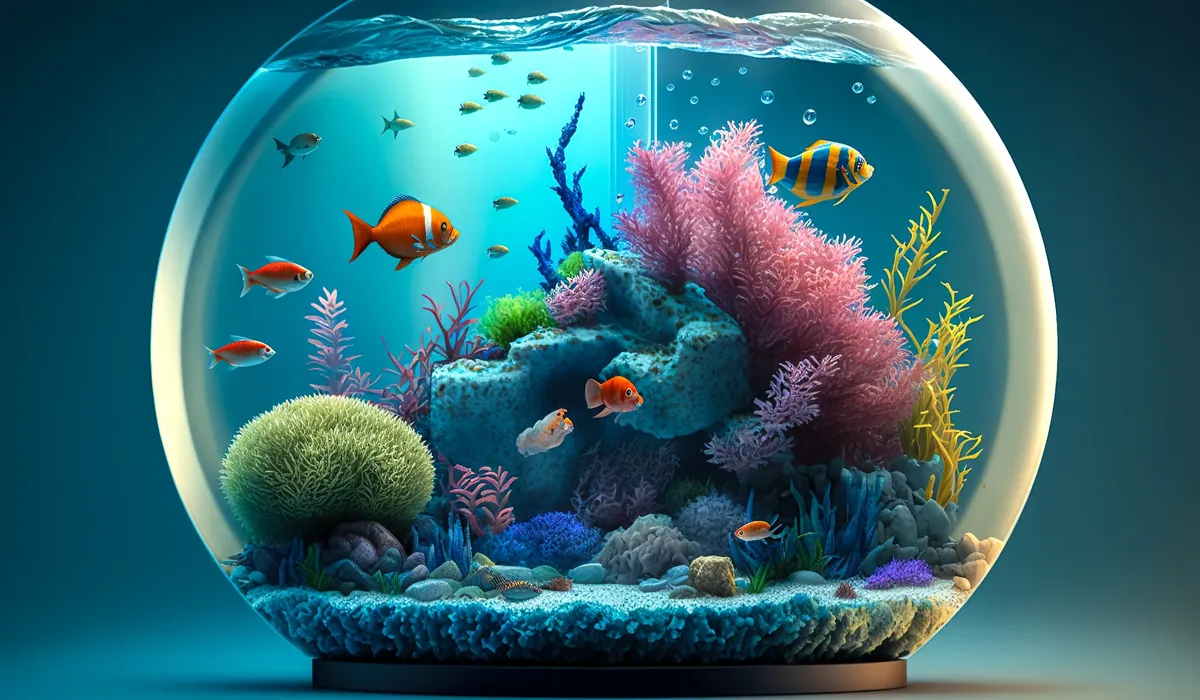
Fast Aquarium And Fishcare To Reclaim Weekends
Fish keepers routinely drag heavy buckets across living room floors, believing pure exhaustion guarantees a pristine tank. This weekly hauling habit actively harms aquatic life. Binge-cleaning shocks the water chemistry, stressing delicate marine and freshwater species alike. According to research published on PubMed, exporters ship an estimated one billion ornamental fishes globally every year.
As noted by the Associated Press, catchers source most ornamental saltwater fish directly from the ocean since captive breeding remains expensive, difficult, and frequently impossible. These animals demand extreme parameter stability. Streamlined aquarium and fish care resolves this massive struggle. Hobbyists who implement smart automation and proactive maintenance drop their labor time drastically while improving environmental health. Fast routines prevent messes before algae or nitrate spikes begin. Smart equipment and precise daily schedules change a stressed weekend warrior into a relaxed hobbyist. Faster tasks produce much better results for the animals. Dedicated keepers reclaim precious free time without sacrificing the beauty of their underwater habitats.
Why streamlined aquarium and fish care matters
Delaying maintenance until Sunday afternoon sets a dangerous trap for both keeper and livestock. Binge-cleaning an aquarium creates drastic pH and carbonate hardness swings within the water column. A report from the Southern Regional Aquaculture Center indicates that un-ionized ammonia serves as the toxic form and dominates during high pH conditions. Sudden pH spikes during a massive water change convert relatively harmless ammonium ions into this highly toxic free ammonia. As an article from Aqueon notes, freshwater fish release waste specifically as ammonia, poisoning all aquatic organisms.
The same source explains that a distinct group of nitrifying bacteria subsequently converts nitrite into nitrate. This free ammonia burns fish gills instantly. A sudden drop in carbonate hardness below 80 parts per million stalls the biological filter. Nitrifying microorganisms die off rapidly during these violent chemical fluctuations. Small, frequent efforts preserve these delicate colonies perfectly. Keepers who divide their labor avoid these deadly parameter crashes completely. Proper aquarium and fish care demands consistency over extreme effort. Short tasks maintain steady chemistry. Stable environments keep fish vibrant and healthy all year long. This steady rhythm removes all the intense physical strain from the hobbyist entirely.
Changing from reactive to proactive maintenance
Reacting to cloudy water or green glass costs immense amounts of time and energy. Proactive keepers stop algae and nitrate spikes long before they materialize. High levels of dissolved organics from reactive cleaning cause massive bacterial blooms in the water column. These high bacterial counts go unnoticed yet act as a leading cause of unexpected fish mortality. Smart hobbyists aim to keep their API nitrate tests strictly below 40 parts per million. This strict boundary starves out nuisance algae safely. Aquarists who measure their water parameters early spot negative trends instantly. A five-minute glass wipe on Wednesday prevents a grueling hour of scraping on Saturday. Meanwhile, daily removal of decaying plant leaves keeps the gravel pristine. Early intervention improves the entire keeping experience. Hobbyists watch their fish thrive instead of constantly fighting chaotic water chemistry swings.
Choosing low-maintenance livestock
Direct purchases from a reputable aquarium fishery bypass numerous latent disease. Fish imported from massive global hubs like Indonesia often suffer high mortality rates when handlers mistreat them. Buyers who source from Marine Aquarium Council certified suppliers bring home vigorous animals. These healthy imports skip the grueling medication cycles that drain an owner's schedule. Hardy families like Pomacentridae, which includes damselfish and anemonefish, cut down maintenance sensitivity drastically. These durable species make up nearly half of global trade volume for good reason. They forgive minor water chemistry fluctuations effortlessly. Beginners appreciate this resilience as they build their long-term confidence. The correct livestock forms the absolute basis of successful aquarium and fish care. Resilient species demand far fewer emergency interventions. Keepers enjoy watching vibrant schools swim actively instead of nursing sick animals back to health.
Bio-load considerations
Overstocking a tank exceeds its biological capacity rapidly, causing aggressive chemical spikes. This overload creates New Tank Syndrome, where ammonia and nitrite levels breach the safe threshold. High bio-loads demand intense daily interventions just to keep animals breathing. Low stocking levels naturally stabilize water chemistry for weeks at a time. Novice keepers often worry and ask, how often should hobbyists feed aquarium fish? Adult fish require feeding only once a day, and occasional fasting promotes a healthier digestive tract. This specific practice dramatically reduces excess waste and stops filters from clogging quickly. Under-stocking provides a massive buffer against unexpected biological crashes. Fish experience less territorial stress when they possess ample swimming room. Fewer inhabitants produce less waste material. Hobbyists spend fewer hours scrubbing gravel when they manage their biological load intelligently right from the start.
Automating the tank with modern equipment
Smart technology does the daily heavy lifting for busy fish keepers effortlessly. As detailed on the CoralVue HYDROS website, their 4 Outlet WiFi Power Strip functions as a smart power bar designed to link equipment such as pumps, power-heads, and lighting systems. These modern aquarium and pond supplies operate on a standard wireless frequency. These devices allow aquarists to program app-based rules directly from their smartphones. Owners program these strips to shut off protein skimmers and return pumps simultaneously during a 15-minute maintenance window.
Automated feeders utilize internally aerated chambers to stop flakes from clumping due to tank evaporation. These robotic feeders dose food randomly, replicating natural foraging behaviors without overfeeding the livestock. Inexpensive digital timers prevent human error and stop algae-causing light excess completely. Automation eliminates the daily anxiety of rushing home to turn off bright aquarium lamps. Technology turns tedious manual labor into a reliable, perfectly synchronized daily routine. Keepers enjoy pristine conditions while saving countless hours every single month.
High-output filtration units
Precision liquid auto-dosers eliminate tedious daily manual chemistry adjustments. Devices like the aquavitro sentia operate at an incredibly precise accuracy margin to administer exact milliliter doses automatically. These pumps dispense two-part calcium solutions or liquid plant fertilizers flawlessly. Modular canisters speed up monthly maintenance significantly. Massive filtration units hold exponentially more biological media than standard hang-on-back filters. This enormous surface area consumes ammonia spikes the moment they occur. Aquarists clean modular canisters less frequently because the vast internal sponges trap debris without restricting water flow. Upgraded filtration hardware offers the highest return on investment for any busy hobbyist. Supercharged filters protect delicate environments during busy weeks when owners lack free time. The combination of automated dosing and heavy-duty filtration defines modern, time-saving aquarium and fish care. Equipment handles the tedious chemistry balancing flawlessly.
The 15-minute routine for aquarium and fish care
A strict daily schedule guarantees pristine tanks while demanding only minutes of labor. The five-point visual scan quickly assesses fish behavior, water clarity, and vital equipment function. Keepers must verify surface agitation daily, because low dissolved oxygen causes sudden beneficial bacteria die-offs. Fish gasping at the surface indicate a crashed gas exchange immediately. Shrimp clustering near the water line also signal dangerous oxygen depletion. Keepers look for temperature swings around the critical twenty-five degree Celsius mark during hot summers.
According to an article from the Global Seafood Alliance, dissolved oxygen concentrations decrease steadily as water temperatures rise. This warmer water holds significantly less oxygen, stressing nitrifying bacteria severely. Automated cooling fans connected to the USB ports of a smart strip reduce this heat effortlessly. Early detection of a broken heater prevents widespread illness. Fast observation acts as the ultimate preventative measure for long-term aquatic health. Daily checks ensure minor issues never escalate into weekend-destroying catastrophes.
Rapid glass cleaning techniques
When green spot algae embeds into the glass, a simple task becomes a painful scrub. Smart hobbyists drag a strong magnetic scraper across the viewing panes every single day. This daily sixty-second wipe stops coralline and green spot algae from calcifying onto the surface. Frequent light wiping requires zero physical strain and keeps the glass perfectly transparent. Keepers leave the scraper attached in a rear corner for instant access at any time. This specific tactic exemplifies highly effective aquarium and fish care perfectly. Daily micro-cleaning prevents stubborn buildup completely. Aquarists avoid reaching their arms into the water and remain entirely dry before work. Dry hands prevent stressful ripples and maintain the peaceful environment. Regular rapid cleaning yields a crystal-clear display window without ever eating into weekend leisure hours.
Executing the rapid water change
New hobbyists trying to establish schedules frequently wonder, how much water should an aquarist change in a fish tank weekly? An aquarist typically changes fifteen to twenty-five percent of the aquarium water every week to keep nitrate levels manageable. Systems like the Python No Spill connect directly to standard faucets using a durable brass adapter. These clever hoses utilize negative sink water pressure to siphon out waste easily. Keepers pair ultraviolet stabilized tubing with extended gravel tubes to extract buried decaying plant matter from the substrate deep below. This focused vacuuming prevents unexpected ammonia spikes without disturbing delicate root systems. Aquarists simply reverse the flow to refill the tank directly from the kitchen sink. The classic bucket method ruins back muscles and spills water across expensive carpets. A direct-to-tap system eliminates this miserable chore completely.
Water conditioning shortcuts
Direct tap refills introduce dangerous municipal chemicals into the closed tank. City water facilities use chloramine to sterilize drinking water. Smart keepers dose concentrated dechlorinators like Seachem Prime directly into the aquarium right before the tap water hits the surface. 5-milliliters of this powerful liquid treats fifty gallons instantly and breaks the dangerous chemical bonds apart. This specific shortcut saves immense amounts of preparation time. Direct dosing chemically binds toxic ammonia into a safe, non-toxic compound for up to forty-eight hours. This temporary neutralization gives the biological filter ample time to process the compounds naturally. Direct conditioning eliminates the need for mixing vats and aging barrels entirely. Proper aquarium and fish care utilizes chemistry to bypass heavy lifting. Hobbyists finish massive water changes wearing clean clothes and move zero heavy plastic containers.
Filter maintenance without the mess
Filter maintenance terrifies beginners who fear crashing their nitrogen cycle entirely. Untreated tap water instantly destroys the sensitive biofilter upon contact with porous media. Nitrifying bacteria take weeks to recover once chlorine hits them. As hobbyists break down these messy chores, they frequently ask, does a person need to wash an aquarium filter? Yes, but an aquarist must only rinse the filter media gently in a bucket of used tank water to preserve the beneficial bacteria. The two-bucket method ensures lightning-fast media cleaning without risking a biological crash. Keepers siphon dirty tank water into two separate containers. They dunk the dirty sponges aggressively in the first bucket to dislodge solid waste. Then, they swirl the bio-rings gently in the second bucket to remove fine particulates. This safe rinsing takes three minutes and keeps the biological colonies completely intact.
Knowing when to replace parts
Throwing away perfectly healthy bio-media causes severe ammonia spikes in established tanks constantly. Inexperienced owners cause these dangerous biological crashes when they replace all internal components simultaneously. Proper workflow separates mechanical filtration from biological media strictly. Keepers swap out dirty mechanical filter floss or fine white pads every 2-4 weeks. These cheap materials trap physical debris and prevent the internal motor from grinding. In contrast, highly porous ceramic bio-rings and plastic media never require total replacement unless they crumble physically. Chemical filtration bags containing activated carbon require replacing every single month to remain effective at absorbing odors. Smart hobbyists maintain a dense cheat sheet near their cabinets to track these disparate schedules flawlessly. A clear grasp of these lifespans stops unnecessary spending and keeps the vital nitrogen cycle running without sudden interruptions. A fast routine relies on throwing away only the right parts.
Preventing algae blooms before they start
Scrubbing stubborn green patches off rocks consumes massive amounts of time. Expert hobbyists implement preventative strategies to starve out nuisance algae before it ever clouds the water. Unchecked nitrite inhibits oxygen exchange inside fish bloodstreams, turning healthy gill filaments a dull gray color. Balancing the water chemistry prevents this stress and stops opportunistic algae dead in its tracks. Keepers must find the golden ratio of light duration to fertilizer dosing. Plants need exactly eight hours of bright illumination to consume liquid nutrients fully. Extended twelve-hour lighting periods give floating algae spores ample energy to multiply exponentially. Hobbyists who limit their lighting schedule starve the algae naturally. A dark period forces the unwanted growth to recede completely. Smart light management drastically reduces manual scrubbing tasks during regular aquarium and fish care routines.
The role of clean-up crews
A biological workforce provides a constant, automated cleaning service across the entire display. Specific invertebrates like Amano shrimp and Nerite snails consume tiny detritus particles around the clock. This hungry crew reaches tight crevices that standard siphons miss completely. However, these tiny invertebrates share a critical vulnerability to municipal tap water. Invertebrate clean-up crews face lethal danger from trace heavy metals like copper and zinc found in standard household plumbing. Aquarists protect this vital cleaning force when they dose dedicated heavy metal removers during every refill. Chemical neutralizers ensure the shrimp survive and continue their relentless grazing. A thriving snail population breaks down uneaten food before it ever degrades into toxic ammonia. A natural workforce removes tedious gravel-vacuuming duties from an owner's plate completely. Biological workers keep the habitat pristine without asking for a salary.
Reclaiming time with smarter aquarium and fish care
Intelligent systems improve the entire fish-keeping experience. Aquarists who utilize auto-dosers and rapid direct-to-sink water changers protect their livestock while saving precious hours. Direct selection of hardy species from reputable sources eliminates the grueling cycles of quarantine medications. Modern keepers establish stable routines and reject painful weekend chores. A highly automated approach to aquarium and fish care delivers vibrant, thriving pets alongside a relaxed lifestyle. Faster routines actively shield delicate bacterial colonies from destructive parameter swings. A successful tank brings peace into a living room and eliminates unending checklists of tedious scrubbing tasks. These quick, fifteen-minute daily habits remove the exhausting weekend overhaul forever. Keepers, drop the most effective five-minute maintenance shortcuts in the comments below to help out fellow hobbyists.
Recently Added
Categories
- Arts And Humanities
- Blog
- Business And Management
- Criminology
- Education
- Environment And Conservation
- Farming And Animal Care
- Geopolitics
- Lifestyle And Beauty
- Medicine And Science
- Mental Health
- Nutrition And Diet
- Religion And Spirituality
- Social Care And Health
- Sport And Fitness
- Technology
- Uncategorized
- Videos

