
Lower Clothing And Textiles Manufacturing Waste
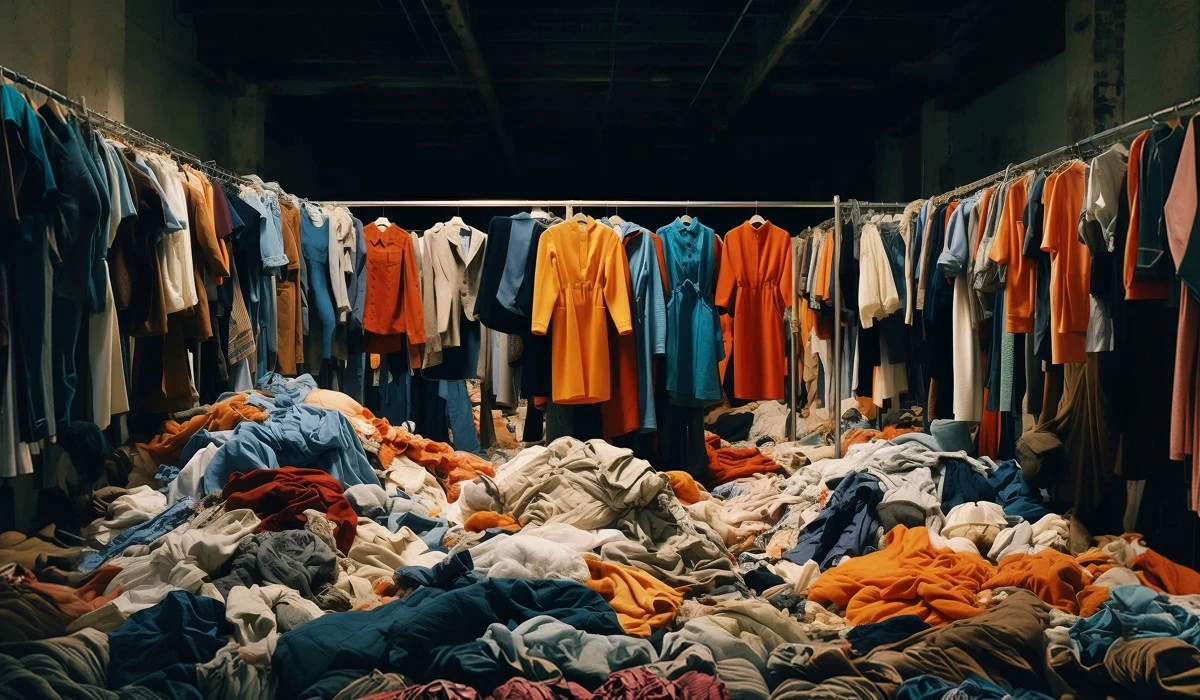
When you walk through a garment factory, you walk on money. Thousands of small fabric scraps cover the floor like snow. These pieces represent a massive financial leak that most managers ignore. Every year, factories toss billions of dollars' worth of cotton and silk into the trash. This pre-consumer waste often represents 20% of a brand’s total fabric purchase. Global textile waste reached 120 million metric tons in 2024. When a factory loses $150 billion in raw materials annually, effectiveness becomes a survival skill.
Cutting waste makes a brand more competitive. It keeps prices lower for customers and keeps profits inside the business. Modern clothing and textiles manufacturing requires a shift in how we handle every inch of cloth. We must look at the drawing board, the cutting table, and the sewing station with new eyes. Waste reduction now serves as the primary strategy for any factory that wants to stay in business.
Designing for zero waste with intentional fashion design
Waste begins long before a needle touches fabric. It starts when a designer draws a shape that leaves empty space on a roll of cloth. Modern fashion design teams now focus on how pieces fit together like a puzzle. Changing the shape of a sleeve or a collar allows a designer to eliminate the gaps that usually end up in the bin. This intentional approach ensures that the brand uses every square inch of the material it buys.
Implementing zero-waste pattern cutting
Zero-waste pattern cutting treats the fabric like a precious resource. According to an article by The Cutting Class, designers like Julian Roberts use subtraction cutting to create 3D forms, a technique that makes use of negative spaces to avoid leaving scraps behind. Statistics provided by EDGExpo show that about 15% of material intended for clothing ends up discarded on the cutting room floor during standard production runs. Arranging patterns in a jigsaw layout helps teams achieve 100% utilization. This method requires the designer and the pattern maker to work as one unit. They view the fabric as a fixed boundary and find ways to use the entire width of the roll.
Modular and multi-functional aesthetics
Designing for longevity also reduces waste at the source. When a designer creates modular pieces, they simplify the garment construction process. These designs use standardized parts that are easier to assemble correctly the first time. Fewer errors mean fewer rejected samples and less wasted material. Designers also build repairability into the garment. This ensures the product stays in use longer and reduces the pressure to overproduce new stock. Using multi-functional aesthetics allows one pattern to serve multiple purposes, which streamlines the entire production cycle.
Scaling performance in clothing and textiles manufacturing
Moving from a single sample to mass production creates new opportunities for waste. Operational improvements on the factory floor can save thousands of yards of fabric every week. Manufacturers must track how fabric moves through the facility to find where the losses happen. Small adjustments in how a factory handles a roll of denim can lead to massive savings over a year. High-volume clothing and textiles manufacturing relies on precision at every step.
Advanced marker making and nest optimization
Modern factories use algorithmic software to arrange their patterns. Research published on ResearchGate suggests that computer systems like Lectra or Gerber AccuMark take the manual guesswork out of the process to help companies compete globally. These programs run thousands of simulations to find the tightest possible fit for pattern pieces. What is zero-waste fashion design? It is a holistic strategy where the fashion design process integrates pattern making to ensure no fabric is left over after cutting. These algorithms minimize the cabbage, or the small offcuts that traditionally fill up trash bins. Digital nesting achieves fabric utilization rates as high as 97%, which far outperforms manual human efforts.
Fabric inventory management and deadstock prevention

Over-ordering fabric creates a huge pile of deadstock that sits in warehouses for years. Advanced inventory systems track exactly how much material a factory needs for a specific run. Companies use Just-In-Time delivery methods to ensure fabric arrives only when the machines are ready. This prevents damage from moisture, dust, or pests during long-term storage. Keeping tight control over the warehouse allows a manager to ensure that every yard of fabric enters production for a garment instead of being sent to a landfill.
Precision garment construction techniques that save material
The assembly phase is where small errors turn into expensive waste. Precise garment construction requires high technical standards and clear communication. Understanding the exact tension needed for a seam allows a sewer to produce fewer defects. Consistency on the assembly line prevents the scrapping of entire batches. High-quality construction techniques also use less thread and fewer reinforcements, which lowers the total material footprint of each piece.
Reducing seam allowances without compromising quality
Traditional garments often have wide seam allowances to cover up messy work. Refined construction techniques allow for much smaller allowances. This saves a fraction of an inch on every seam, but those fractions add up across thousands of units. Using specialized folders and attachments on sewing machines keeps the fabric aligned perfectly. This precision allows the factory to use narrower strips of fabric without risking the strength of the garment. It creates a cleaner look while significantly reducing the total amount of textiles required for a production run.
Standardizing assembly to minimize rejects
Human error remains a major cause of material waste. Clear technical packs, or Tech Packs, provide a detailed guide for every stitch and seam. These documents act as the source of truth for the entire factory floor. When a worker has a clear guide, they make fewer mistakes. This reduces the number of garments that fail quality inspections. Standardization also allows the factory to train workers more effectively. A well-trained team produces a consistent product, which eliminates the need to discard seconds or defective items.
Digital solutions for modern clothing and textiles manufacturing
Technology offers a way to see waste before it actually happens. Digital tools allow brands to test their ideas in a virtual space. This moves the trial-and-error phase away from the physical factory floor. Using digital simulations allows clothing and textiles manufacturing companies to solve problems in seconds that used to take weeks. This digital shift represents a significant change in the industry over the past few decades.
Virtual sampling and 3D prototyping
Physical samples are a huge source of unseen waste. A brand might produce five or six versions of a jacket before they approve the final design. Most of these prototypes end up in the trash. A report from Cokaa indicates that 3D virtual sampling reduces the need for physical samples by up to 80%. Software like CLO 3D or Browzwear creates replicas of garments. Designers can see how a fabric drapes and moves on a virtual body. This saves miles of sample fabric and significantly cuts the carbon footprint of the design process.
Real-time data tracking on the factory floor

Internet of Things (IoT) devices now monitor machines in real time. According to iFactoryApp, smart sensors monitoring temperature and vibration can identify when a needle gets too hot or when a motor begins to fail. If a machine starts making irregular stitches, the system alerts the manager immediately. This prevents the machine from ruining an entire roll of fabric. Real-time data allows the factory to perform maintenance before a breakdown occurs. Keeping the machines in peak condition helps the factory maintain a high yield and avoids the waste caused by mechanical failures.
Refining garment construction through automated technology
Automation brings a level of consistency that humans cannot match over a long shift. High-tech tools handle the most repetitive parts of garment construction with perfect accuracy. This technology augments human skill instead of replacing it. Using robots for heavy lifting and lasers for fine cutting ensures that every piece of fabric is used to its full potential. Automation turns the factory into a high-precision laboratory.
Laser cutting for high-precision fabric yield
Traditional die-cutting uses heavy metal blades that can crush or fray the edges of delicate fabrics. This requires a larger fray allowance, which wastes material. A study in ScienceDirect describes how a computer-controlled laser seals the edges of the fabric as it cuts, which prevents fraying. Can sustainable garment construction reduce costs? Yes, the minimization of material waste and labor rework allows brands to significantly lower their Cost of Goods Sold (COGS). Furthermore, specifications provided by Redshift Laser indicate that lasers cut with a precision of ±0.1mm, which allows patterns to sit much closer together on the fabric roll.
Automated sewing and consistency
Robotic sewing arms now handle long, straight seams with perfect tension every time. This eliminates the wavy seams or puckering that often lead to rejected garments. As reported by Shima Seiki, automated systems like Wholegarment machines can knit a finished piece in one go without seams. The company suggests that the creation of the garment in its final shape reduces material waste to near zero. Consistent stitch quality ensures that every item meets the brand's standards, which keeps the reject pile empty.
Circularity and the afterlife of manufacturing offcuts
Even the best factory will produce some small scraps. The goal is to keep those scraps out of the landfill by finding them a new purpose. According to research from the Boston Consulting Group, circularity turns waste into a secondary raw material by creating new apparel-grade fibers from discarded textiles. This requires a system for sorting and collecting offcuts directly from the cutting table. Treating waste as a resource allows a factory to create a new stream of value.
Implementing a closed-loop recycling system
Factories can partner with companies like Ambercycle or Recover to recycle their cotton scraps. In a closed-loop system, the factory collects all its cotton offcuts and sends them to a shredding facility. These machines break the fabric down into raw fibers. The manufacturer then spins these fibers into new yarn. This yarn goes back into the production cycle to create new garments. Chemical recycling can even break down synthetic blends, which allows for textile-to-textile recycling without losing quality or strength.
Partnering with upcycling initiatives
Not all scraps can become new yarn, but they still have value. Some factories sell their cabbage to companies that make home insulation or car upholstery. Smaller designers often buy luxury fabric scraps to create limited-edition accessories or patchwork garments. Establishing these partnerships ensures that every piece of material finds a home. This monetizes the waste stream and reduces the cost of trash removal. It turns an environmental burden into a community asset.
Building a leaner clothing and textiles manufacturing workflow
Waste management is a mindset that must involve every person in the building. A lean clothing and textiles manufacturing workflow focuses on removing anything that does not add value to the customer. This requires a cultural shift where workers feel empowered to point out waste when they see it. When the entire team focuses on productivity, the factory becomes much more profitable. Lean principles provide a clear framework for this ongoing improvement.
Lean Six Sigma in the textile environment
As noted by The Lean Way, the TIMWOOD framework helps managers identify seven types of waste: Transport, Inventory, Motion, Waiting, Overproduction, Over-processing, and Defects. Research from Six Sigma Online indicates that Lean Six Sigma uses data to find the root cause of these issues. Furthermore, an article by Vogue suggests that producing more than the market wants leads to massive amounts of unsold stock, citing new laws against the destruction of goods. Mapping the Value Stream allows a manager to see exactly where fabric gets stuck or damaged. Fixing these bottlenecks speeds up production and reduces the amount of material that gets ruined.
Training and empowering the workforce
The people on the sewing line are the first to see errors. If a worker sees a defect in the fabric, they should have the power to stop the line immediately. Training workers to recognize quality issues early prevents the factory from wasting labor on a ruined piece of cloth. A skilled workforce is the best defense against accidental material spoilage. When employees understand the cost of waste, they take more care with the materials they handle. This human element remains the most important part of any performance strategy.
The Future of High-Performance Clothing and Textiles Manufacturing
Reducing waste in clothing and textiles manufacturing offers a clear return on investment. It requires a combined effort from the fashion design studio, the engineering department, and the sewing floor. Adopting 3D prototyping and automated cutting allows brands to slash their material costs and improve their speed to market. The industry is moving toward a future where every fiber is tracked, and every scrap is recycled.
New regulations like Digital Product Passports will soon make waste reduction a legal requirement. Brands that act now will have a significant advantage over those that wait. High-performance garment construction and circular business models are no longer optional trends. They are the core principles of a modern, profitable business. Focusing on precision and intentional design allows us to build a fashion industry that values its resources as much as its customers. Lowering waste protects the bottom line and ensures the long-term health of the entire industry.
Recently Added
Categories
- Arts And Humanities
- Blog
- Business And Management
- Criminology
- Education
- Environment And Conservation
- Farming And Animal Care
- Geopolitics
- Lifestyle And Beauty
- Medicine And Science
- Mental Health
- Nutrition And Diet
- Religion And Spirituality
- Social Care And Health
- Sport And Fitness
- Technology
- Uncategorized
- Videos

