
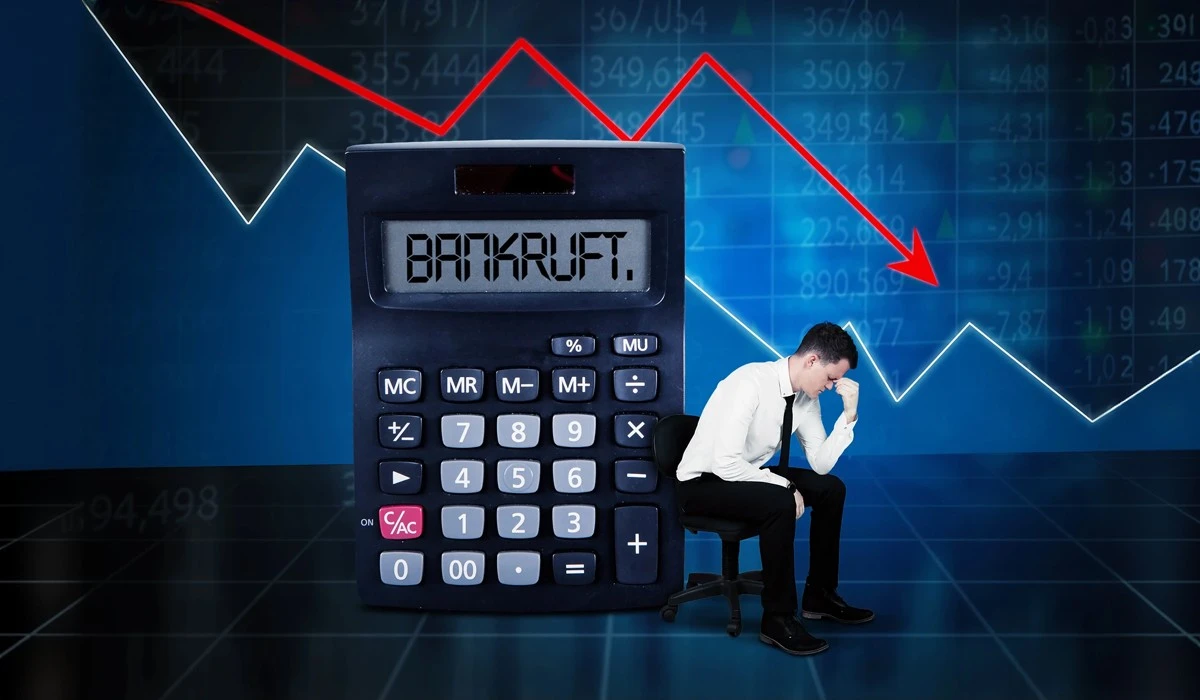
The Business Economics Cure For Failing Prices
Many business owners work themselves to the bone while watching their bank accounts stay flat. They celebrate every new sale and hire more staff to keep up with the rush. To the outside world, the business looks like a massive success. Behind the doors, the owner struggles to pay bills because the profit is not there. This happens when a gap forms between the effort you put in and the value you take home. High sales volume often masks a deep rot in how you charge for your work. A perceived sales problem often stems from an actual math problem.
Solving this requires a look at the rules that move money through a company. This is the field of business economics. It acts like a clinical lens to find and fix the break in your profit. Looking at a spreadsheet is only one part of the process, as the field combines the big picture of macroeconomics with the small details of microeconomics. When these two forces work together, you create a pricing plan that survives hard times and grows in good ones.
The Reorganization of General Motors (1923)
Historically, leaders like Alfred Sloan of General Motors used these ideas to fix failing companies. In 1923, Sloan realized that General Motors was a mess of different parts that did not talk to each other. He used principles of business economics to align the goals of his managers with the goals of the company. He fixed the pricing to reflect what customers actually wanted, rather than just what the factory could build. This change turned a struggling car maker into a global giant.
Why Your Current Pricing Model is Likely Failing
Most businesses set prices by looking at their costs and adding a little extra for profit. This is called cost-plus pricing. It feels safe, but it is often a trap. It ignores what the customer actually values and focuses only on what you spent. If your costs go up and you do not change your price, your profit vanishes. If your costs are higher than your rivals', you price yourself out of the market without knowing why.
The Trap of Competitive Matching
Looking at your rivals to set your price is a dangerous game. Many owners think that if a competitor charges ten dollars, they must charge nine to win. This assumes your competitor knows what they are doing. In reality, they might be losing money on every sale. Using microeconomics shows us that every firm has its own cost structure. Your rival might own their building while you pay high rent. If you copy their price, you are following them into a grave. You need to understand your own marginal costs before you ever look at the shop across the street.
Ignoring the Cost of Customer Acquisition
A report by NetSuite notes that many business owners forget that gaining a customer costs money, an expense quantified as customer acquisition cost. According to HubSpot, these costs include all sales and marketing expenses directly tied to finding those clients. Research from Olive Business Partners suggests that many businesses fail because their pricing does not cover these rising acquisition costs, which results in a negative cash flow where every new sale could actually be costing the company money. This simple mistake ruins thousands of startups every year. You must factor in the total spend required to bring someone through your door before you decide on a final price point.
Decoding the Microeconomics of Your Customer Base
To fix a broken model, you must look at the individual level. You need to know how one person reacts when you change a number. As explained by Khan Academy, concepts like the price elasticity of demand and supply sit at the heart of microeconomics. It helps you find the sweet spot where you make the most money without driving people away. It moves you away from guessing and toward knowing exactly how much your market can bear. Using business economics means you treat your pricing as a scientific experiment rather than a shot in the dark.
Understanding Price Elasticity of Demand
Some products can double in price, and people will still buy them. Other products see sales vanish if the price goes up by a nickel. Khan Academy defines this as price elasticity, which measures the percentage change in the quantity demanded of a service relative to the percentage change in its price. An article by Investopedia explains that you calculate this figure by dividing the percent change in quantity demanded by the percent change in price. If the result is more than one, your demand is elastic, and people are sensitive to price. If it is less than one, you have more power to raise prices. Business economics gives you the tools to measure this accurately. When you know your elasticity, you stop fearing price increases and start using them strategically.
Marginal Utility and the Value Ceiling
According to Investopedia, the law of diminishing marginal utility states that people value things less as they get more of them because the utility from each additional unit drops as consumption increases. The study illustrates this by noting that a hungry person feels more satisfaction from a first slice of pizza than from a fifth slice. Your pricing should reflect this. If you try to charge the same amount for a bulk order as a single unit, you might hit a value ceiling. The customer stops seeing the benefit. Understanding this concept helps you create bundles and tiers that capture more money. You can charge a premium for the first unit and offer a slight discount for the second to keep the money flowing.
Navigating Macroeconomics to Protect Your Margins
The world outside your office affects your bank account every day. As noted in a report by Reuters, global events create pricing stress tests by altering energy and commodity costs, which change how much customers can spend and how much supplies cost. These big forces fall under macroeconomics. You cannot control them, but you can plan for them. A rigid pricing model breaks when the world changes. A model built on economic principles bends and adapts. You must watch the horizon to ensure your business stays profitable when the wind shifts.
Inflationary Pressures and Purchasing Power

When the government prints more money, the value of every dollar drops. This is inflation. It shows up in your business as higher electric bills and more expensive raw materials. According to Justworks, inflation also affects consumer spending habits as customers become more price-conscious and selective, and their purchasing power drops. You must understand how these shifts affect your specific industry. If your raw material costs rise because of a global shortage, your old prices will quickly put you in the red. You have to adjust your numbers before the inflation eats your entire margin.
Supply Chain Volatility as a Pricing Factor
Global events can stop a shipment of parts in an instant. According to Investopedia, the value of items increases when they become hard to find, as prices tend to rise when supply is low and demand is high. How does inflation affect business pricing? Inflation forces businesses to raise prices to maintain margins, but doing so requires a careful balance to avoid losing price-sensitive customers. If you keep your prices static during a supply shock, you will run out of stock and have no money to restock. Agile pricing allows you to raise rates when items are scarce. This keeps you in business and ensures your most loyal customers can still get what they need.
The Psychology of Value in Business Economics
Pricing involves both mathematics and the way people feel. Humans do not always make logical choices. We are influenced by how options are presented to us. Using business economics involves understanding these mental shortcuts. If you only look at the numbers, you miss the human element. Changing the way you show your prices allows you to increase your profit without changing the product at all. This is where the art of the deal meets the science of the money.
Anchor Pricing and the Decoy Effect
When a customer sees a high price first, every other price looks small. This is called anchoring. If you show a thousand-dollar watch next to a five-hundred-dollar watch, the five-hundred-dollar watch feels like a bargain. You can also use a decoy. This is a third option that exists only to make another option look better. Imagine a small popcorn for five dollars and a large for ten. Most people buy the small one. If you add a medium for nine dollars, most people buy the large because it is only one dollar more. This uses microeconomics to nudge customers toward your most profitable items.
Perception vs. Reality in Premium Positioning
People often think that higher prices mean better quality. This is the power of brand equity. It allows some companies to charge much more than their competitors for the same basic goods. If you price your service too low, people might think you are not very good at it. Raising your price can actually make people trust you more. This is why some luxury brands see sales go up when they raise their prices. They are using the psychology of status to beat the standard rules of the market.
Strategic Pricing Models Driven by Business Economics
To build a better model, you need a new framework. You cannot just guess and hope for the best. You need to choose a path that fits your goals. Whether you want slow and steady growth or fast market capture, your strategy must be intentional. Using business economics gives you a set of proven paths to follow. These models take the emotion out of the decision and replace it with data.
Value-Based Pricing vs. Fluctuating Pricing
Value-based pricing sets the cost based on the benefit to the customer. If your software saves a company a million dollars, you can charge a hundred thousand for it, even if it only costs you a dollar to host it. Fluctuating pricing is different. It changes in real time based on demand. Airlines and ride-share apps use this to maximize profit every minute. Both models have their place. Value-based pricing builds long-term trust, while fluctuating pricing captures every possible cent in a crowded market.
The Subscription Pivot
Many businesses are moving away from one-time sales. They want a steady stream of money every month. This is the subscription model. It allows you to plan your future with more certainty. What is the best pricing strategy for a small business? The best strategy is value-based pricing, which sets prices according to the customer's perceived worth rather than just the cost of production. Using business economics helps you calculate the lifetime value of these customers. You can afford to spend more to get a customer if you know they will stay for three years instead of three minutes.
Auditing Your Unit Economics for Long-Term Growth
You must know the math of a single sale. If you lose money on one item, you cannot make it up in volume. Selling more just means you lose money faster. This is the most common way big companies go bankrupt. They scale up a broken model. You need to audit your unit economics to make sure every transaction adds to your wealth. This is the boring part of the job, but it is the most important part.
Contribution Margin Analysis
The contribution margin is what is left after you pay the direct costs of a sale. If you sell a shirt for twenty dollars and the fabric costs five, your margin is fifteen. These fifteen dollars must pay for your rent, your lights, and your salary. Business economics helps you see this clearly. If your margin is too low, you will never be able to pay your overhead, no matter how many shirts you sell. You must track this number every single week to ensure your business remains healthy.
Scaling Without Bleeding Cash

Scaling a business is like adding fuel to a fire. If the fire is built well, it gets bigger. If it is built poorly, the fuel just puts it out. When you grow, you sometimes face higher costs per unit. This is called a diseconomy of scale. Maybe you need a bigger warehouse that is more expensive than the one you have now. Or perhaps you need more managers who do not produce any actual goods. You must watch your microeconomics as you grow. If your costs per unit start to rise, your pricing model must adapt, or your growth will kill you.
Implementing a Data-Driven Business Economics Framework
Once you have a plan, you must put it into action. This is not a one-time event. The market is always moving, so your pricing should move too. You need to build a system for testing and learning. This keeps your business ahead of the competition. A data-driven approach ensures you stop arguing about feelings and start looking at facts. This is the final step in moving from a struggling owner to a confident leader.
A/B Testing Your Price Points
You do not have to guess what people will pay. You can test it. Show one group of customers one price and another group a different price. See which one results in more profit. This is the scientific method applied to your bank account. It takes the fear out of raising prices. If the data shows that people are willing to pay more, you can make the change with confidence. If they aren't, you have saved yourself from a costly mistake.
Feedback Loops and Market Signals
The world will tell you if your prices are wrong. You just have to listen. If you have too much inventory, your price might be too high. If you are always sold out and have a long waiting list, your price is definitely too low. You should also watch macroeconomic signals like changes in the unemployment rate or local housing costs. These things tell you if your customers are feeling rich or poor. Keeping your eyes open allows you to adjust your pricing before a crisis hits. Business economics ensures you are always reacting to the real world rather than an old plan.
Fixing the Future with Business Economics
Fixing a failing pricing model involves understanding the forces that govern how money moves rather than relying on luck. You have seen how the big picture of macroeconomics and the small details of microeconomics shape your success. When you stop guessing and start measuring, you gain control over your company. You move from a state of constant worry to a state of clear direction.
Pricing is a living part of your business. It is the script that tells your customers how much you value your own work. Learning business economics transforms your company into a machine that produces actual profit. You no longer have to settle for high sales and empty pockets. You can build a business that supports your life and survives any market storm. The tools are in your hands, and the math is on your side. Choose to lead with data, and your pricing will never fail you again.
Recently Added
Categories
- Arts And Humanities
- Blog
- Business And Management
- Criminology
- Education
- Environment And Conservation
- Farming And Animal Care
- Geopolitics
- Lifestyle And Beauty
- Medicine And Science
- Mental Health
- Nutrition And Diet
- Religion And Spirituality
- Social Care And Health
- Sport And Fitness
- Technology
- Uncategorized
- Videos

