
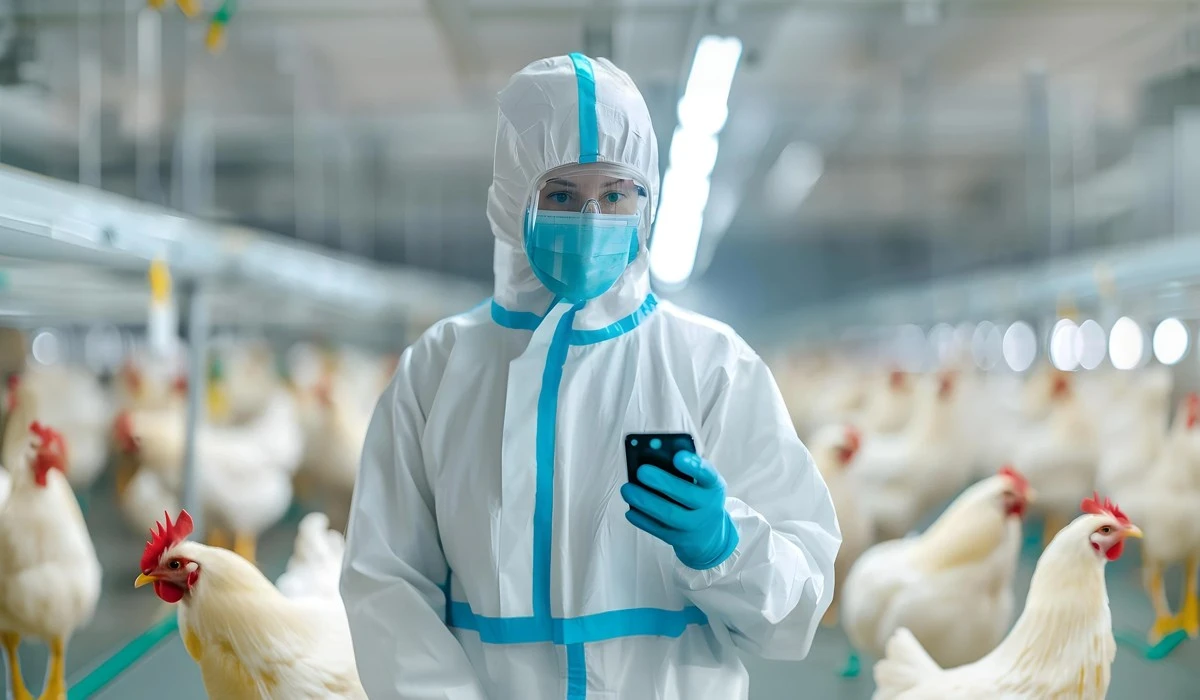
Poultry Science: You Can’t Outfeed Heat Stress
Commercial farming operates on razor-thin margins. The difference between profit and loss lies in understanding the biological realities of your flock. When managers dump expensive feed into poorly ventilated houses, they inadvertently train their birds to burn premium protein as basic body heat instead of muscle mass. You cannot outfeed a stressful environment. Farmers apply exact poultry science to turn raw data and biology into predictable revenue. Smart animal husbandry and precise poultry nutrition create a compounding effect on bird weight. We will explore how treating the grow-out house as a measurable biological system prevents wasted resources. One will learn to manipulate temperature, amino acids, and daily consumption metrics to achieve target harvest weights predictably. Success requires abandoning guesswork and adopting strict data-driven habits to maximize overall farm profitability in every flock cycle.
The Core of Poultry Science for Profitability
Data from the National Chicken Council shows modern broilers reach a target harvest weight of roughly 6.5 pounds in an average of just 47 days. This represents a massive biological shift. Prior to intensive interventions in 1940, a broiler needed 85 days to reach only 2.9 pounds. Those historical birds required four pounds of feed for every pound of weight gained. Today, farmers use poultry science to change traditional farming into a highly predictable, metric-driven business.
A report from The Poultry Site indicates that through precise genetic selection between 1957 and 2005, breeders pushed broiler growth rates up by over 400 percent. The publication notes they slashed the feed conversion ratio in half at the same time. Breast meat yield alone increased by 79 percent in males and 85 percent in females. You must understand these genetic yield ceilings to set realistic financial goals and harvest timelines for your modern operation.
The intersection of care and yield
Treating the flock as a delicate biological system yields higher financial returns than viewing them simply as livestock. Exceptional animal husbandry directly dictates whether birds achieve their massive genetic potential. When growers ignore daily environmental markers, they force birds into survival mode. A bird in survival mode halts muscle synthesis immediately. Management strategies must focus entirely on removing any obstacle to rapid growth. Providing optimal lighting schedules, clean water lines, and fresh air keeps the birds eating without interruption. Every hour a bird spends fighting off a minor pathogen or panting from heat stress costs measurable fractions of an ounce at harvest. Successful producers recognize that comfort equals cash. They proactively manage the physical environment because preventing a biological stall completely protects the financial investment built up over the previous weeks.
Foundational Animal Husbandry Techniques
Managing the physical parameters of the grow-out house requires absolute precision to maintain bird comfort. Improper stocking density causes immediate stress and ruins profitability by forcing birds to compete aggressively for basic resources. How much space does a broiler chicken need? Farmers generally provide about one square foot of floor space per bird in a climate-controlled commercial house. Proper spacing actively prevents overcrowding and minimizes resource competition. Research from the University of Georgia Extension shows commercial operators stock broilers at an optimal density of roughly 30 kilograms of body weight per square meter to secure peak economic returns. This optimal spacing directly affects air quality and indoor ammonia levels. You must keep ammonia concentrations below 10 parts per million at bird level. High ammonia actively damages respiratory cilia and creates dangerous pathways for costly bacterial infections.
Stress reduction and its impact on growth
Environmental stressors actively destroy your feed conversion ratios by forcing birds to burn calories for basic survival. A non-stop four-week exposure to 50 parts per million of ammonia causes a severe 12.3 percent reduction in cumulative broiler body weight. The physical environment acts as a massive variable in your financial spreadsheet. Thermal stress also causes heavy financial losses. Broilers growing at 24 degrees Celsius from week five to harvest demonstrate a 2 to 4 percent better feed conversion than flocks enduring heat stress at 35 degrees. High temperatures release cortisol into the bird's bloodstream. This stress hormone aggressively burns calories originally intended for muscle development. Exceptional animal husbandry prevents these temperature spikes. You ensure consistent ventilation and cooling systems to keep the flock entirely focused on converting their daily feed intake into profitable breast meat.
Applying Poultry Science for Rapid Growth
Poultry nutrition requires precise mathematical formulation rather than simply dumping crude protein into the feeders. Formulators heavily prioritize specific synthetic amino acids to reach the modern broiler's massive genetic potential. According to trials published by the National Center for Biotechnology Information, synthetic DL-Methionine represents a necessary dietary addition for muscle synthesis. The study notes nutritionists typically formulate starter and grower diets with a strict 0.51 to 0.56 percent methionine requirement. The researchers observed they scale this down to roughly 0.44 percent during the finisher phases. Methionine performs essential biological functions beyond raw muscle generation. It acts as a primary precursor for cysteine and actively boosts carnitine synthesis in the bird's body. This specific chemical reaction aggressively reduces overall carcass fatness. Prioritizing these exact amino acid ratios builds heavier, leaner birds. Formulating feed based on strict amino acid profiles completely eliminates the costly waste associated with feeding unbalanced, generic protein sources.
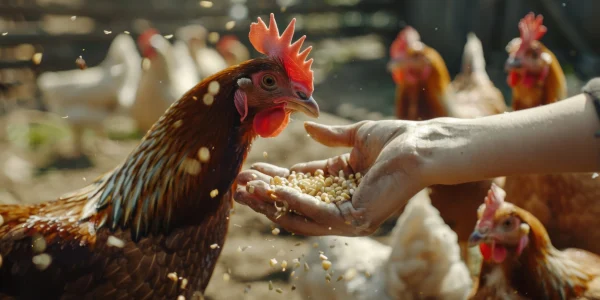
Phasing feed for different growth stages
Precision feeding requires moving birds through very specific dietary phases to maintain strict cost-efficiency. A ResearchGate study details that managers start day-old chicks on a high-protein starter diet containing 21 to 22 percent crude protein and 3000 kilocalories per kilogram of metabolizable energy. Young chicks lack the biological capacity to digest tough fibers quickly. Formulators strictly cap crude fiber in these early starter feeds at a very low 4 to 5 percent. As the birds expand their skeletal structure, growers shift them down to a high-energy finisher diet. The same study indicates this final phase drops crude protein to 18 or 19 percent while increasing energy to 3200 kilocalories. Timing these dietary shifts perfectly prevents one from wasting expensive protein on mature birds. Applied poultry science guarantees that you supply the exact nutritional fuel the flock needs at every specific stage of development.
Applying Poultry Science to Feed Conversion Ratios
Feed costs dominate your operational spreadsheet, making accurate tracking an absolute necessity for survival. Farm managers calculate feed conversion weekly to catch potential digestive issues before they ruin the entire cycle. What is a good feed conversion ratio for broilers? A highly productive feed conversion ratio typically falls between 1.5 and 1.7, meaning it takes roughly 1.5 pounds of feed to produce one pound of body weight. Hitting this specific target ensures people avoid wasting money on feed that simply passes through the bird without adding mass. The industry average for enclosed houses currently sits between 1.3 and 1.6. In stark contrast, slow-growing outdoor red label chickens exhibit terrible ratios around 3.2. Relentlessly monitoring these mathematical outputs maximizes broiler profits. Tracking your consumption metrics highlights the sheer financial power of modern genetics.
Adjusting formulas to reduce waste
Physical feed presentation actively alters feed conversion ratio and determines your ultimate profit margin. The physics of pellet conditioning play a massive role in biological weight gain. Studies prove that processing broiler feed at exact temperatures of 66.9 to 68.7 degrees Celsius achieves the tightest conversion metrics. Poor pellet quality causes birds to expend excess energy hunting for intact pieces. They flick dusty feed out of the pans, turning expensive poultry nutrition into wasted litter. Anti-nutritional factors in raw ingredients also inhibit proper digestion and cause rapid nutrient excretion. Feed mills add specific exogenous enzymes like phytase to break down tough plant structures to combat this. Demanding high-quality, thermally conditioned pellets from your supplier eliminates massive feed wastage. This physical optimization guarantees that every single ounce of feed converts directly into sellable meat.
Disease Prevention and Flock Immunity
Biological threats easily wipe out weeks of perfect feed management and strict climate control. Strong animal husbandry demands uncompromising biosecurity protocols to keep pathogens completely away from your valuable flocks. Farm managers enforce strict visitor restriction policies and require full sanitation for any supply vehicle entering the property. Workers use mandated footbaths containing potent disinfectants before stepping across the threshold of any grow-out house. A review by EW Nutrition reports the industry loses roughly 14 billion dollars globally every single year just to Coccidiosis infections. This enteric disease primarily destroys profits through subclinical drops in feed utilization and daily weight gain. Sub-clinical necrotic enteritis causes chronic intestinal damage and drastically spikes a flock's conversion ratio by up to 44 percent. Treating the exterior doors of your chicken houses like impenetrable fortress gates protects your massive financial investment.
The role of gut health in overall immunity
A bird's immune system relies entirely on maintaining a strong and diverse intestinal flora. Modern poultry nutrition formulations integrate aggressive gut health strategies to naturally fight off protozoan threats. Formulators actively move away from relying solely on traditional anticoccidial drugs due to increasing protozoan resistance. Nutritionists now implement oregano essential oil, specific prebiotics, and targeted Lactobacillus probiotics directly into the daily feed rations. These natural additives significantly reduce harmful oocyst shedding and enhance the bird's overall mucosal immunity. A healthy gut lining absorbs nutrients rapidly while actively blocking pathogens from entering the bloodstream. Treating the digestive tract as the primary engine of bird health secures faster growth rates and lower mortality. Combining impeccable feed quality with proactive probiotic supplementation guarantees that your flock maintains peak biological output during the whole grow-out period.
Data-Driven Poultry Science for Daily Management
Modern managers rely heavily on automated technology to gather vital biological data in real time. Grow-out houses feature advanced climate control sensors that constantly monitor humidity and ambient temperature. Automated weigh scales hanging in the scratching area beam average bird weights directly to the farmer's smartphone without pausing. Water consumption trackers act as the most sensitive early warning system available to producers today. Broiler water intake tightly links to feed consumption, routinely exhibiting a strict ratio between 1.6 to 1 and 2 to 1. During the first week of life, this fluid ratio runs as high as 2.5 to 1 before settling down. Advanced poultry science uses this baseline math to evaluate daily flock comfort. Tracking these precise fluid measurements allows you to identify developing equipment failures long before they harm the birds physically.
Translating daily metrics into action
Interpreting data spikes immediately prevents minor issues from escalating into catastrophic financial losses. Closely monitoring daily water and feed intake charts allows farmers to spot anomalies before a crisis hits. How fast do broiler chickens grow? Modern commercial broilers can reach their harvest weight of roughly six pounds in just under seven weeks. Because this growth occurs so rapidly, missing even one day of data tracking causes thousands of dollars in lost yield. A 30-day-old broiler drinks roughly 158 milliliters per day. Data published by the University of Georgia Extension details that for every single degree Celsius increase above the flock's thermal comfort zone, daily water consumption automatically surges by 7 to 9 percent as birds begin panting. Management strategy should be adjusted immediately when these fluid spikes are observed. Increasing tunnel ventilation promptly corrects the thermal imbalance and restores normal feeding behavior.
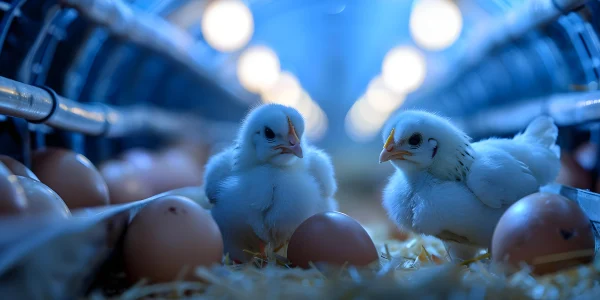
Harvesting and Post-Grow-Out Strategies
Knowing exactly when to harvest your flock secures the profit margins built during the cycle. As broilers reach maturity, their feed conversion math naturally begins to decline. The massive daily feed intake suddenly yields diminishing returns in actual breast meat accumulation. Farm managers analyze the weight-to-cost ratio daily during the final week to pinpoint the exact optimal harvest day. Pushing a flock an extra three days hoping for heavier birds often destroys profitability because the maintenance energy costs exceed the value of the new muscle. Applied poultry science removes the emotion from this final decision. You evaluate the real-time weight data against current feed prices to determine the exact mathematical peak of your investment. Harvesting at this precise biological intersection guarantees you capture the maximum possible revenue before the curve flattens completely.
Preparing facilities for the next batch
Securing future profits requires rigorous downtime and complete sanitization between every single flock cycle. Experts strictly mandate a 14-day empty period for commercial systems to break the survivability cycle of viruses and bacterial pathogens. Exceptional animal husbandry continues even when the houses sit entirely empty. Wet clean-out protocols require managers to apply specific foam detergents. Guidelines from MS Schippers instruct that cleaners leave these detergents on hard surfaces and water lines for a minimum of 30 minutes to destroy the protective slimy layers built by persistent bacteria. Crews must remove used litter completely from the housing structure. They transport this waste a minimum distance of two miles from the grow-out site to prevent insects from carrying pathogens directly back. Executing these aggressive sanitation protocols guarantees a completely sterile, highly productive environment for your next delivery of vulnerable chicks.
Securing Your Farm's Financial Future
Operating a commercial broiler farm successfully requires ruthless attention to biological details and daily metrics. The margin for error shrinks every year, demanding that producers abandon outdated methods and intuition-based management. Implementing exact poultry science across your entire operation turns vulnerable livestock into a highly predictable revenue stream. Every single element, from the exact amino acid profile in the starter feed to the strict thermal controls inside the house, directly dictates your final paycheck. Treating the environment with the same precision as the genetics guarantees that your birds convert expensive feed into profitable muscle rapidly. Embracing these advanced management strategies lowers your overall operational overhead and drastically reduces tragic flock mortality. Committing entirely to this uncompromising, data-driven approach to biological optimization secures a resilient, highly successful farming enterprise.
Recently Added
Categories
- Arts And Humanities
- Blog
- Business And Management
- Criminology
- Education
- Environment And Conservation
- Farming And Animal Care
- Geopolitics
- Lifestyle And Beauty
- Medicine And Science
- Mental Health
- Nutrition And Diet
- Religion And Spirituality
- Social Care And Health
- Sport And Fitness
- Technology
- Uncategorized
- Videos

