
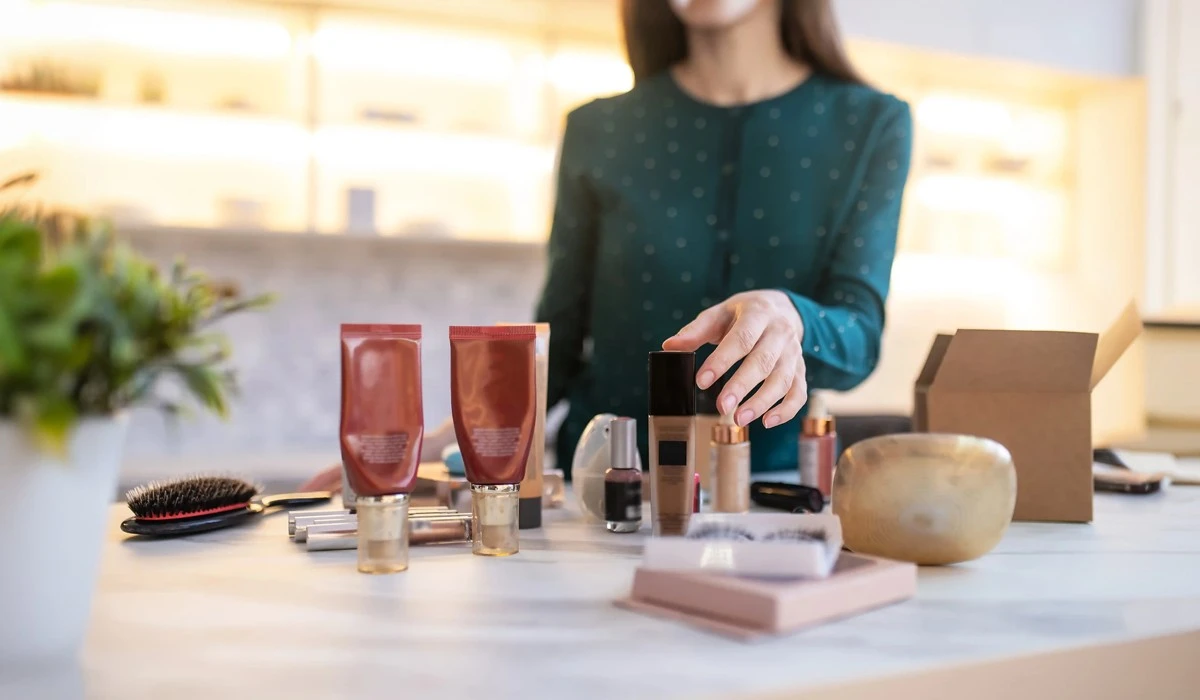
Cosmetics Branding and Promotion For Algorithms
Most founders think social media success starts with a high-end camera or a famous face. They pour money into ads while their actual product gathers dust. In reality, a scroll-stopping post begins in the lab long before the first photo. When you design a cream that fails to catch the light or a bottle that hides its name, you fight an uphill battle. Modern cosmetics branding and promotion work because it bridges the gap between science and the screen. Success depends on building your brand for the algorithm from day one.
Research published in the National Center for Biotechnology Information highlights that design and marketing are inextricably linked, so you must treat your formula and your marketing as one single effort. This post shows you how to win the digital shelf through strategic cosmetics branding and promotion. Your lab choices dictate your click-through rates. As noted in the same study, visual components contribute to aesthetics and customer preference, as visual elements shape consumer perception. Aligning your goals turns every product launch into a viral event.
Why cosmetic product development is the first step of social marketing
Viral potential starts in the lab. A marketing team cannot fix a product that looks dull on camera or feels greasy on the skin. You must engineer your products to perform for both the skin and the lens.
Designing for sensory and visual shareability
Engineers focus on textures like swatches, foams, and opalescence during cosmetic product development to ensure they look good on high-definition cameras. A thick, pearlescent cream catches the light better than a flat white lotion. According to research from the National Center for Biotechnology Information, packaging can create emotional responses, and this visual appeal drives users to film their own unboxing and application videos. To develop a cosmetic product, you identify a market gap, create a unique lab formula, and run safety tests before manufacturing at scale.
R&D teams use panels of 15 to 20 trained specialists to evaluate over 30 distinct sensory attributes. They measure things like initial slip and residual greasiness on a scale of 1 to 10. This precision ensures the product feels luxurious even if the price is affordable. When a serum transforms from a gel to a water-like consistency on the skin, it creates a magic moment for short-form video.
Ingredient transparency as a digital hook
Modern consumers identify as skin-intellectuals. They ignore vague promises and look for specific chemical compounds. Featuring these activities during the development stage provides the educational content that social users crave. In 2016, Deciem changed the industry by naming products after their active ingredients, such as Niacinamide 10% + Zinc 1%.
This strategy signals clinical integrity. It allows you to bypass traditional marketing fluff and speak directly to savvy buyers. You provide infotainment explaining how these chemicals interact with the skin. This educational approach builds authority while giving you endless content ideas for your social feeds.
Building a distinct identity through specialized skincare branding
A saturated market requires a personality that stands out. Instead of selling just good skin, you should sell a specific lifestyle that your audience desires to join.
Moving from aesthetic to lifestyle integration
Effective skincare branding solves a specific problem for a specific subculture. For example, some brands target the Clean Girl look with minimalist designs, while others focus on Bio-hacking with high-tech imagery. A report from the National Center for Biotechnology Information states that color, shape, images, and material are important design elements in cosmetic branding, and success requires these clear visual identities paired with clinical results and a community mission that speaks to a specific audience.
Glossier reached dominance using Millennial Pink (#F7D1D1) to humanize its brand. As discussed in an article for Vogue, personalization increases customer satisfaction and loyalty, which helps turn a simple moisturizer into a lifestyle accessory. Your branding must reflect where your customer lives, works, and travels.
Tone of voice and the humanization of beauty
The way your brand speaks determines how much people trust you. Skincare requires more trust than color cosmetics because it involves long-term health and safety. You should use authoritative yet accessible language. This helps bridge the gap between a doctor’s office and a friend’s advice.
Humanizing your brand means showing the faces behind the formula. Share stories about the challenges of sourcing ingredients or the reasons for choosing specific packaging. This transparency builds a bond that a faceless corporation can never replicate. When you speak like a human, your audience listens like a friend.
Leading the core pillars of cosmetics branding and promotion
Tactical execution brings your brand to the masses. You need a strategy that utilizes the latest platform trends while maintaining your core identity.
Short-form video as the primary growth engine
TikTok and Reels serve as the modern storefront. In 2026, the median engagement rate for beauty brands on TikTok reached 4.25%. This far outpaces the 0.48% seen on Instagram. You should use these platforms to showcase get-ready-with-me (GRWM) content.
These videos highlight how your product fits into a daily routine. They show the product in action, which builds more trust than a static photo. Short-form video ads deliver 58% higher click-through rates. They also cost significantly less per click than traditional image ads. Use the first three seconds of every video to show a visual transformation to hook the viewer immediately.
Utilizing social proof and psychological drivers
Scarcity and exclusivity drive impulse buys. When you announce a limited-edition drop, you create a sense of urgency. Expert endorsements also play a huge role in cosmetics branding and promotion success. A dermatologist’s seal of approval can increase conversion rates as it provides third-party validation.
Social proof comes from seeing others use and love the product. An article in Allure notes that consumers are influenced by psychological cues in packaging, and these psychological drivers encourage shoppers to act fast before they miss out on a trend. You can use countdown timers for launches or show sold-out badges to increase perceived value.
The visual grammar of a high-performance beauty feed
Your social feed should look cohesive and professional. Every post must contribute to a larger visual story that reinforces your brand’s value.
Color psychology in packaging and digital assets
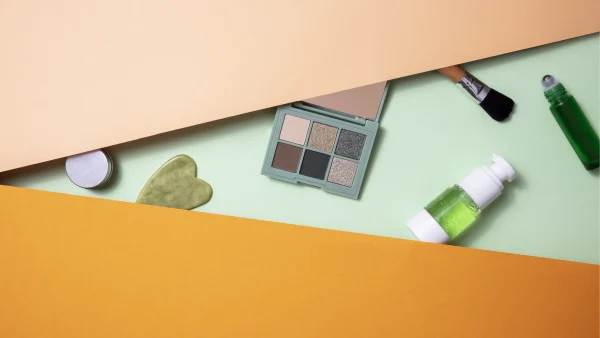
Color choices influence how much a customer is willing to pay. For example, deep greens and earth tones often signal organic or sustainable products. Gold and black accents suggest a luxury price point. According to reporting by Allure, consumers may reject products due to branding overload, so ensuring your digital assets use the same color palette as your physical packaging helps create a seamless experience without fatigue.
Color also affects the perceived efficacy of a product. Clinical brands often use white and blue to mimic a medical environment. Bright, neon colors work well for brands targeting younger audiences who want fun and excitement. These choices must align with your initial skincare branding guidelines.
The unboxing design
Packaging design now focuses on the unboxing experience. You must design your bottles so the brand name remains visible from every angle when someone films them. Forty percent of beauty consumers say packaging is the main reason they try a new brand.
Research published by Vogue points out that accessible packaging in beauty is limited, so including features like QR codes or custom textures makes the experience feel special while improving usability. Custom tissue paper or foil-stamping can also increase social shares by 300%. When a customer feels like they are opening a gift, they are more likely to share it with their followers. This provides you with free, high-quality promotion.
Community-led cosmetics branding and promotion strategies
Your customers are your best salespeople. Building a loyal community turns everyday users into a volunteer marketing force.
The shift from mega-influencers to micro-advocates
Big celebrities often feel out of touch. A SociaVault engagement report suggests that smaller creators with 1,000 to 10,000 followers often get better results. The same report found that these micro-influencers see an average engagement rate of 7.84%, outperforming larger accounts.
How do I promote my beauty brand on social media? Founders use high-quality video content, partner with micro-influencers, and talk directly to followers to build a loyal community. These smaller creators have a tighter bond with their audience. When they recommend a serum, their followers believe them. This leads to higher conversion rates and lower costs for your cosmetics branding and promotion efforts.
User-Generated Content as a trust signal
User-Generated Content (UGC) acts as real-world proof. Seventy-five percent of beauty buyers value a brand's reputation for diversity. Seeing people with different skin tones use your product builds massive trust.
Offering discounts or featuring them on your main page incentivizes your customers to post their results. This bridges the gap between your lab claims and the reality of the results. It shows that your cosmetic product development actually delivers on its promises.
Data-driven optimization for skincare branding longevity
You must use data to stay relevant. Analytics show you what works and what needs to change before you waste your budget.
Tracking response cycles and sentiment analysis
Social listening tools help you understand what your customers think. Reading comments and reviews helps you identify gaps in your current line. This information informs your next cycle of cosmetic product development.
If users complain that a moisturizer is too thick for summer, you can develop a lightweight version. This non-stop improvement keeps your brand fresh. It shows your community that you actually value their input. This cycle of listening and improving builds long-term loyalty.
A/B testing creative assets for maximum conversion
Never guess which ad will perform better. Run A/B tests on your headlines, images, and video hooks. This helps you lower your customer acquisition costs.
The cost to gain a new customer has risen by 222% over the last eight years. You must optimize every penny of your cosmetics branding and promotion budget. Even a small change in a call-to-action button can lead to a significant boost in sales. Use data to make every decision.
Future-proofing your brand via ethical and sustainable narratives
Modern consumers care about the planet. They look for brands that align with their personal values regarding the environment and ethics.
Circular beauty and Blue Beauty trends
Research published in ScienceDirect indicates that sustainability is a growing concern in cosmetics, making it a key selling point in skincare branding. Blue Beauty focuses on ocean-safe ingredients and circular packaging. You should avoid harmful UV filters like Oxybenzone and Octinoxate to protect coral reefs.
The beauty packaging market will grow to over $57 billion by 2033. Much of this growth comes from smart, refillable systems. Highlighting your use of recycled plastics or compostable boxes attracts the 78% of consumers who research sustainability before buying.
Radical honesty and the no-filter movement
The days of heavy retouching are over. Consumers now demand to see real skin texture, pores, and imperfections. This no-filter movement aligns your brand with authenticity and inclusivity.
Showing real results on real people builds a deeper connection. You move away from impossible beauty standards and toward healthy, achievable goals. This honesty makes your brand more relatable and trustworthy amidst many digital filters.
Dominate the digital shelf with elite cosmetics branding and promotion
Winning on social media requires a comprehensive strategy rather than just a pretty picture. The most successful brands treat cosmetic product development and marketing as a single, unified effort. They understand that a product built for the screen will naturally outperform a product built in a vacuum. Focusing on sensory appeal, ingredient transparency, and community engagement creates a brand that lasts.
While trends like skinimalism or dopamine packaging will evolve, the core principles remain the same. You must provide trust, visual excellence, and superior results. View your social feed as an active conversation with your future loyalists. Succeeding at cosmetics branding and promotion goes beyond selling a product, as it helps you build a legacy that thrives on the digital shelf and in the lives of your customers.
Recently Added
Categories
- Arts And Humanities
- Blog
- Business And Management
- Criminology
- Education
- Environment And Conservation
- Farming And Animal Care
- Geopolitics
- Lifestyle And Beauty
- Medicine And Science
- Mental Health
- Nutrition And Diet
- Religion And Spirituality
- Social Care And Health
- Sport And Fitness
- Technology
- Uncategorized
- Videos