
Expedition and Wilderness Medicine Stops Death
The human body actively betrays you at 14,000 feet. Climbers often assume their massive lungs and peak fitness will power them up the mountain, unaware that their own biology begins shutting down non-essential functions the moment atmospheric pressure drops. A climber struggling for breath feels the lungs working perfectly, yet the blood stays starved of oxygen. This biological trap turns a challenging hike into a fatal emergency in minutes. You need a dedicated way to override these failing bodily responses. Effective expedition and wilderness medicine is the vital barrier between a temporary setback and a tragic mountain rescue. Safe ascents require a thorough understanding of altitude physiology, rigorous preparation, and specialized gear. You must understand how the body responds to thin air and carry the exact tools needed to fight back against a hypoxic crisis.
Understanding the pathophysiology of High-altitude sickness
According to a publication by the National Center for Biotechnology Information, the atmospheric percentage of oxygen remains perfectly constant at roughly twenty-one percent, regardless of your elevation. The physical pressure of the air changes drastically. At 12,000 feet, barometric pressure drops to roughly 483 millimeters of mercury. Research published in PLOS One indicates that this lack of pressure results in about forty percent fewer oxygen molecules per breath. Your lungs take in the air, but the missing pressure prevents oxygen from readily passing into the bloodstream.
This forces an immediate increase in resting ventilation as your body desperately tries to compensate. High altitude sickness operates as a spectrum of escalating conditions driven by this oxygen starvation. At 14,000 feet, the arterial partial pressure of oxygen drops to about 46 millimeters of mercury. Your blood oxygen saturation quickly falls to eight-two percent compared to a normal sea-level reading of nearly one hundred percent.
Early warning signs on the mountain
Normal physical exertion masks the shift into Acute Mountain Sickness very effectively. Climbers often mistake early physiological warnings for standard fatigue or dehydration. The Lake Louise Scoring System helps field medics accurately diagnose this condition. A positive diagnosis requires a recent gain in altitude alongside specific self-reported distress categories. Explain the importance of catching symptoms early before they escalate. What are the first signs of altitude sickness? According to the Centers for Disease Control and Prevention, the first signs typically include a throbbing headache, nausea, dizziness, and extreme fatigue. This usually kicks in above 8,000 feet and warns climbers to immediately halt their ascent. Ignoring these initial symptoms guarantees an escalation into severe illness. Approximately twenty to sixty percent of individuals traveling rapidly to high elevations experience these early effects. Recognizing these signals remains the primary defense against further neurological or respiratory deterioration on the trail.
How expedition and wilderness medicine combats thin air
Remote environments demand aggressive, direct interventions when treating a hypoxic patient. Expedition and wilderness medicine dictates one unbreakable rule for mountain travel. Guidelines from the Wilderness Medical Society state that dropping elevation provides the only definitive cure for altitude-related hypoxia. A temporary medical treatment must never delay a physical extraction from the death zone. As advised by the CDC Yellow Book, medics aim for an immediate physical descent of at least 1,000 feet to stabilize the patient. The body simply needs more barometric pressure to force oxygen back into the blood. Mountain rescue teams prioritize getting the patient down the slope before attempting long-term stabilization. Every second spent at the same altitude allows the illness to progress deeper into the central nervous system. Immediate descent reverses the severe oxygen deficit almost immediately. Backcountry medical professionals always view evacuation as the primary treatment protocol for any severe altitude emergency.
Pharmacological interventions in the field
Sometimes a rapid descent proves logistically impossible due to extreme weather or terrain. Backcountry medics utilize specific prescription drugs to manage the crisis in these exact moments. Acetazolamide, commonly known as Diamox, induces metabolic acidosis because it inhibits carbonic anhydrase in the body. This FDA-approved medication forces the kidneys to excrete bicarbonate, which actively stimulates ventilation and artificially accelerates acclimatization from several days down to just one. When symptoms become severely life-threatening, medics deploy Dexamethasone as an emergency stopgap measure. This potent corticosteroid reduces brain inflammation rapidly. Medics administer four milligrams orally every six hours to keep the patient functional. The drug masks the deadly symptoms without actually facilitating real acclimatization. Discontinuing the corticosteroid before a full descent risks a massive rebound sickness. You use these powerful pharmacological tools exclusively to buy enough time for a safe retreat.
Assembling a hypoxia-ready survival medicine kit
A standard first aid kit full of adhesive bandages and antiseptic wipes proves completely useless during an altitude crisis. Your survival medicine kit must contain highly specific, targeted prescription tools to manage deadly pulmonary and cerebral swelling. High-altitude environments demand medications that directly alter your physiological response to extreme hypoxia. True expedition and wilderness medicine relies heavily on drugs like Nifedipine. Doctors originally used this calcium channel blocker for standard hypertension, but it serves as a non-negotiable lifesaver in the mountains.
As noted in the Wilderness Medical Society guidelines, a thirty-milligram extended-release dose directly inhibits hypoxic pulmonary vasoconstriction when reliable access to supplemental oxygen is unavailable and descent is delayed. This specific action prevents fluid from rapidly filling the patient's lungs. You must secure these prescriptions through a specialized travel clinic before attempting any major summit. Packing the correct medical interventions means the difference between surviving a storm in a tent and dying from internal suffocation.
Diagnostic tools for the backcountry
Tracking a patient's vital signs requires reliable hardware designed for freezing temperatures. A study published by the National Center for Biotechnology Information notes that consumer-grade pulse oximeters routinely fail or provide completely inaccurate readings in the cold backcountry due to low peripheral blood perfusion. Medics physically warm the patient's extremities before attempting to capture an oxygen reading. Above 14,500 feet, a climber's normal baseline oxygen saturation often drops to eighty percent. This low number completely falls outside the accurate calibration range of a standard pharmacy oximeter. Detail how to use these diagnostic tools to track a patient's baseline recovery over time. How long does it take to recover from altitude sickness? Most mild cases resolve within 1 to 3 days if you rest at the same elevation without climbing higher. Severe cases require immediate descent and can take weeks of intensive medical care. Proper diagnostic gear guides all field decisions.
Escalation to severe pulmonary and cerebral edema
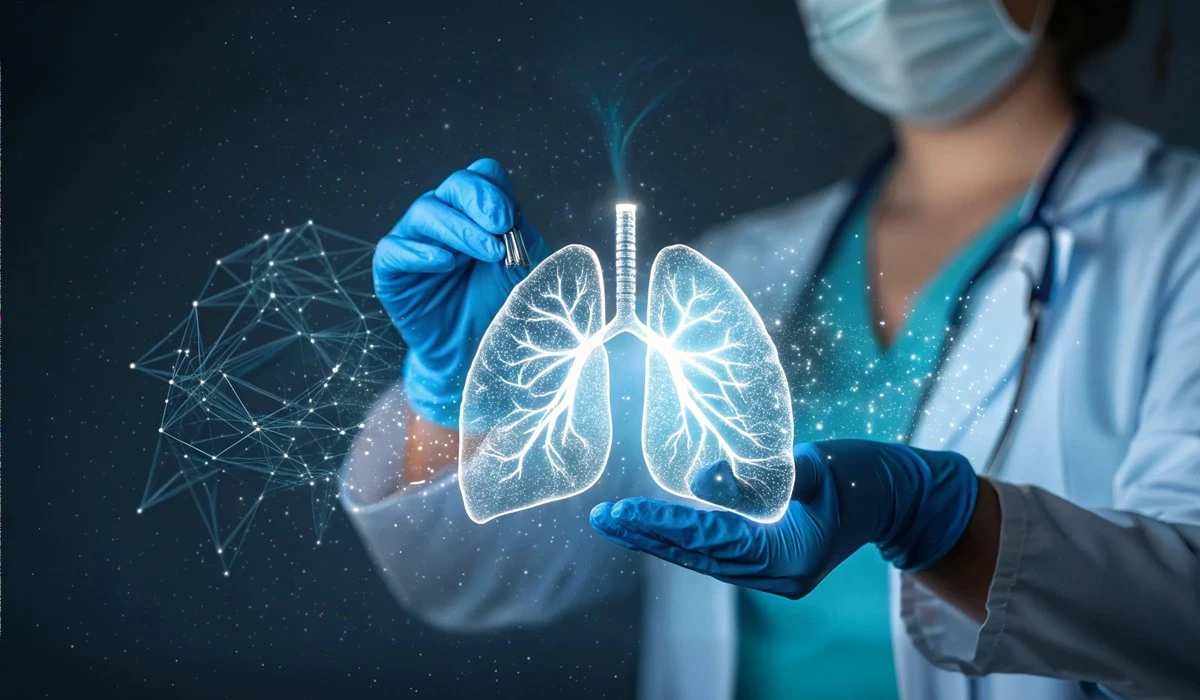
Applied expedition and wilderness medicine remains the only reliable method to stabilize life-threatening manifestations of altitude illness. Extreme hypoxia initiates a widespread, uneven constriction of your pulmonary blood vessels. This dangerous reaction squeezes blood into a much smaller network of vessels inside the chest. The driving pressure skyrockets and forces plasma fluid to leak directly into the lung's alveolar air pockets. Medical professionals identify High Altitude Pulmonary Edema through extreme shortness of breath that persists even during complete rest. The patient typically develops a persistent dry cough that quickly turns productive, yielding a pink, frothy sputum. This indicates that the lungs are actively filling with blood plasma. Untreated individuals effectively drown in their own bodily fluids within hours. Medics immediately administer oxygen, deploy specific medications, and prepare the patient for a rapid emergency descent to lower ground.
Brain swelling (HACE)
High Altitude Cerebral Edema represents the absolute most fatal escalation of high altitude sickness on a mountain. Hypoxia-induced vasodilation causes massive fluid leakage and severe swelling directly within the rigid confines of the skull. The victim experiences extreme ataxia, showing a total loss of physical coordination and an inability to walk straight. Altered mental states, severe confusion, and intense lethargy quickly follow the physical clumsiness. Rescuers must immediately deploy a Gamow Bag when a physical descent remains temporarily impossible. This portable fabric hyperbaric chamber completely encases the dying patient. A rescuer uses a manual foot pump to reach an internal ambient pressure of two pounds per square inch. This brilliantly simulates a rapid atmospheric descent of up to 7,000 feet within ten minutes. The chamber buys vital time to reverse the deadly brain swelling until the storm clears.
Why expedition and wilderness medicine requires specialized training
Owning a heavily stocked survival medicine kit offers absolutely zero protection if you lack the clinical judgment to deploy it. Effective expedition and wilderness medicine demands specialized human training beyond a basic first aid class. According to the National Outdoor Leadership School, professional mountain guides complete the Wilderness First Responder certification as a strict baseline standard. This extensive eighty-hour curriculum moves past standard treatments and examines prolonged patient care, improvised litters, and specific altitude illness management. Existing medical professionals pursue the Advanced Wilderness Life Support certification to elevate their backcountry skills. This intense three-day clinical course provides specialized training for doctors and nurses operating in austere environments. Participants learn advanced pharmacological interventions strictly tailored for remote medical emergencies. Carrying powerful drugs requires a thorough understanding of proper dosages, dangerous contraindications, and the exact physical timing required to save a fellow climber's life safely.
Scenario-based learning
Treating a patient in a sterile, brightly lit hospital room feels entirely different than fighting for a life on a freezing glacier. Specialized medical courses utilize intense scenario-based learning to bridge this vital gap. Instructors simulate the immense psychological stress of treating freezing, hypoxic patients with severely limited physical resources. Students practice stabilizing trauma victims in the dark while wearing bulky winter gloves and battling simulated extreme weather. These high-pressure scenarios force medics to quickly prioritize treatments under terrible conditions. Evaluating complicated evacuation guidelines becomes second nature after repeated drills in the snow. Rescuers learn how to protect themselves from the elements while constantly monitoring the deteriorating patient. True competence in the backcountry comes from experiencing these simulated failures in a safe training environment. The realistic practice ensures the medical team performs flawlessly when a real hypoxic emergency strikes.
Preventative strategies to implement before the ascent
Pure prevention through strict ascent pacing eliminates the need for emergency treatments entirely. The Centers for Disease Control dictates the strict "climb high, sleep low" rule for all mountaineers. Exposing the body to higher altitudes during the day stimulates necessary acclimatization responses. Dropping back down to a lower elevation to sleep gives the body time to recover effectively. Once climbers exceed 9,000 feet, they must never increase their sleeping altitude by more than 1,500 feet per day. Address common physical routines and dietary misconceptions climbers have before a big summit. Does drinking water help with altitude sickness? Staying hydrated helps your body acclimatize better, but it will not cure altitude sickness once it sets in. You still need a proper ascent profile and adequate rest to recover. A physiological rest day remains mathematically required every 3,000 feet.
Physical fitness vs. altitude tolerance
Many elite athletes falsely assume their peak aerobic conditioning prevents dangerous high altitude sickness during a steep climb. Genetics actually drive your body's altitude tolerance much more heavily than any physical training regimen. Tibetans possess a mutated EPAS1 gene inherited from ancient Denisovans that actively suppresses the excessive production of red blood cells. This unique genetic advantage keeps their blood thin and prevents chronic mountain sickness entirely. A marathon runner with incredible cardiovascular health can still develop pulmonary edema at 12,000 feet. Your body responds to the lack of barometric pressure based on its own internal physiological programming. Strict pacing overrides physical conditioning every single time. Climbers must respect the environment and ascend slowly regardless of their strength. Relying solely on your gym fitness provides a false sense of security that frequently leads to deadly backcountry medical emergencies.
Field communication and evacuation protocols
Complicated search and rescue coordination begins the moment field treatments fail to stabilize a deteriorating patient. Expedition and wilderness medicine protocols require reliable communication tools to initiate these massive evacuations. Information from the NOAA SARSAT program indicates that traditional Personal Locator Beacons transmit an emergency distress signal at five watts of power. They utilize a specialized frequency designed to blast directly through dense canopy cover without needing a monthly subscription. Two-way satellite messengers operate at a much lower power level but offer a drastically different lifesaving utility. These devices allow field medics to actively text with a search and rescue doctor in real time. The team relays exact vital signs, oxygen saturation levels, and medication dosages directly to the hospital. This constant stream of essential medical data allows the incoming flight crew to prepare the exact medical interventions needed before the helicopter even leaves the tarmac.
Preparing the patient for transport
Aeromedical physics heavily dictate how a backcountry team prepares a patient for a helicopter extraction. Extreme density altitude radically compromises a helicopter's payload capacity above 13,000 feet. Helicopters lose approximately three percent of their lifting capacity for every 1,000 feet of elevation gained. Weight management becomes absolutely brutal during high-altitude triage operations. Rescuers completely stabilize the hypoxic patient in a rigid litter and wrap them in specialized warming layers. The field team physically administers supplemental oxygen and secures all intravenous lines before the aircraft arrives. Routine helicopter hover-landings remain incredibly rare on steep mountain slopes. Search and rescue teams frequently execute longline extractions where a specialist hovers suspended on a 200-foot fixed rope. The medical team securely hooks the patient to the line, and the helicopter rapidly lifts the victim away while the remaining climbers descend on foot.
Surviving the summit
Mountain climbing exposes you to an environment inherently hostile to human biology. You fight a constant battle against dropping barometric pressure and vanishing oxygen molecules. Learning the specific protocols of expedition and wilderness medicine empowers adventurers to push their physical boundaries safely. A correctly stocked survival medicine kit gives you the exact pharmacological tools needed to reverse deadly internal swelling. Comprehending the physiology of pulmonary and cerebral edema ensures you recognize the fatal symptoms before they paralyze your climbing partner. Preparation, extensive medical knowledge, and absolute respect for the mountain dictate who returns home alive. The thin air demands complete humility and a willingness to descend the moment conditions deteriorate. Arm yourself with the correct clinical training and the right communication gear. You conquer the summit when you prioritize your physiological survival long before you ever take the first step.
Recently Added
Categories
- Arts And Humanities
- Blog
- Business And Management
- Criminology
- Education
- Environment And Conservation
- Farming And Animal Care
- Geopolitics
- Lifestyle And Beauty
- Medicine And Science
- Mental Health
- Nutrition And Diet
- Religion And Spirituality
- Social Care And Health
- Sport And Fitness
- Technology
- Uncategorized
- Videos

