
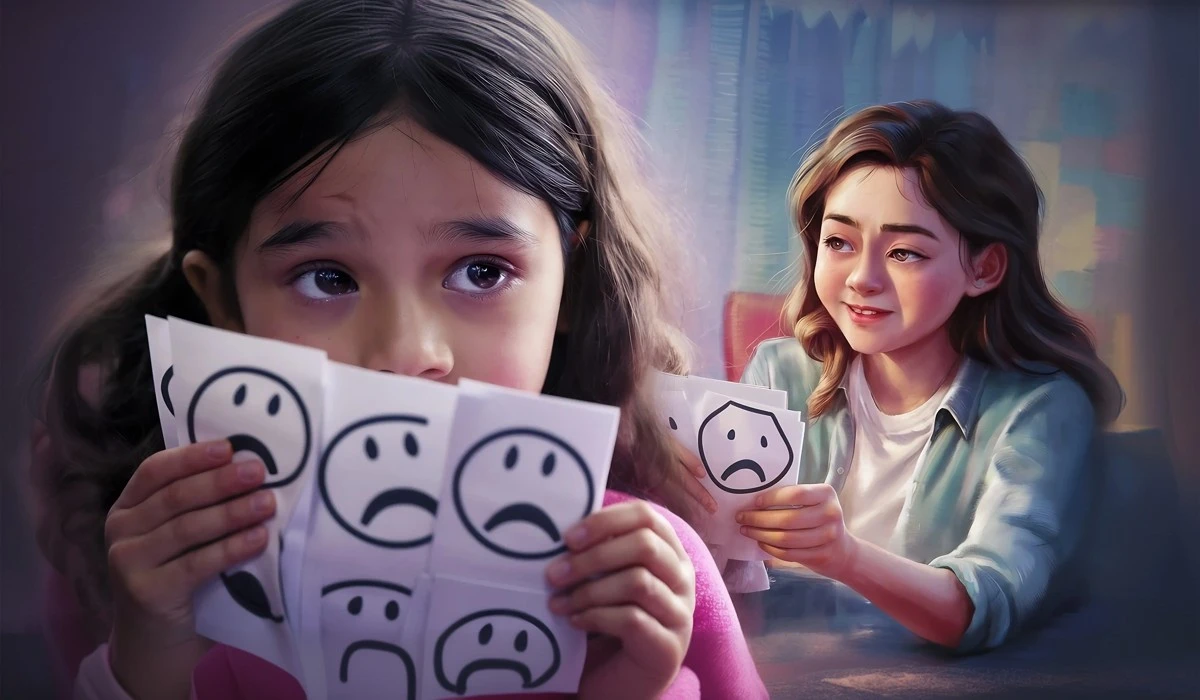
Stop Challenging Behaviour In Young People Now
You stand in the kitchen, asking your teenager to put their phone away for the third time. They do not move. You raise your voice, and suddenly, they are screaming or slamming doors. It feels like a personal attack. Most people think this is just a bad attitude or poor parenting. In reality, your child's brain has switched into a survival state where logic simply stops working. When you treat a biological panic response as a choice, you accidentally make the explosion worse. Dealing with Challenging Behaviour In Young People requires viewing the child as a nervous system in distress. This guide provides science-backed steps to calm the storm and regain control of your home.
Understanding Challenging Behaviour In Young People
We often define Challenging Behaviour In Young People by what we see: the shouting, the hitting, or the refusal to move. Eric Emerson described these actions in 1995 as culturally abnormal behaviors that put safety at risk. However, focusing only on the shouting resembles trying to fix a leak with just a mop.
Behavioral analysts use the EATS acronym to find the why. Does the child want to escape a math worksheet? Are they seeking Attention? Do they want a Tangible item, like an iPad? Or is it a Sensory issue, like a shirt tag that feels like sandpaper?
Identifying Root Causes vs Symptoms
Use the Iceberg Model from the University of North Carolina’s TEACCH program. The scream is just the 10% you see above the water. The other 90% remains below the surface as anxiety or sensory overload. Dr. Ross Greene, author of The Explosive Child, suggests that kids do well if they can.
When a child fails to meet an expectation, it usually signals a lack of skill instead of a lack of will. They might lack the flexibility to handle a change in plans. They might lack the language to explain their frustration. Identifying the missing skill stops your reaction to the symptom and starts the solution to the actual problem.
The Role of Development and Brain Maturity
Kids do not have adult brains. According to a publication by the National Institute of Mental Health, MRI studies by researchers like Jay Giedd show that the prefrontal cortex is one of the last areas to mature, continuing to develop into the mid-to-late 20s. The report further explains that this region is responsible for skills such as logic, impulse control, prioritizing, and making good decisions.
When Challenging Behaviour In Young People flares up, that logic center effectively goes offline. You are literally arguing with a brain that currently lacks the hardware to be reasonable. Recognizing this lack of maturity helps you lower your own frustration. You would not get mad at a toddler for not being able to reach a high shelf. Similarly, you cannot expect a teenager to always access logic during a meltdown.
The Science of Pediatric Emotional Regulation
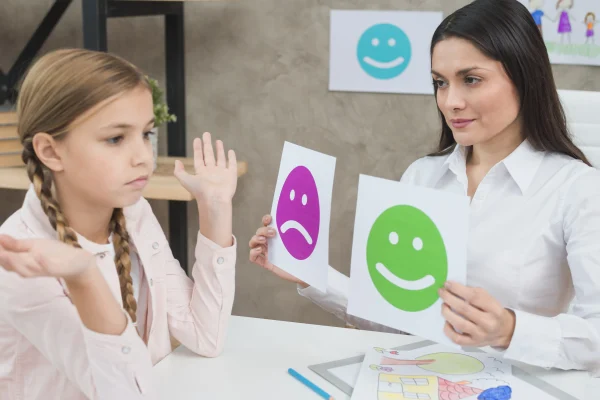
Every child has a Window of Tolerance, a term coined by Dr. Dan Siegel. Inside this window, they handle stress well. Outside of it, they flip into hyper-arousal. As highlighted in guidance from the National Institute of Mental Health, a lack of sleep or a missed meal makes it harder for teens to control impulses, shrinking this window significantly.
Building a Strong Regulatory Foundation
What causes sudden outbursts in children? These incidents usually happen when a child’s nervous system becomes overwhelmed by sensory input or physical needs like hunger and exhaustion.
Maintaining a strict routine keeps the body's internal clock steady. According to research published by the National Center for Biotechnology Information (NCBI), using the HALT assessment daily, asking yourself if the child is Hungry, Angry, Lonely, or Tired, is often found in addiction recovery contexts, but addressing these four basics also makes pediatric emotional regulation much easier. The brain cannot focus on behavior if it is fighting a physical battle against fatigue.
Co-regulation as a Path to Independence
You cannot lead a child to a calm place if you are not there yourself. Stephen Porges’ Polyvagal Theory explains that our nervous systems talk to each other. According to the Polyvagal Institute, approaching a screaming child with tension and anger causes their nervous system to detect cues of a threat.
The institute also notes that this sympathetic activation prompts a deeper fight-or-flight response, pushing them to mobilize for action. Successful pediatric emotional regulation relies on co-regulation first. You must stay calm to act as a biological anchor. Keeping your heart rate low and your voice steady provides a safe signal to the child’s brain. Eventually, they learn to mirror your calm until they can produce it on their own.
Immediate Tactics for Challenging Behaviour In Young People
When a situation heats up, your body language matters more than your words. Research on the Low Arousal Approach from Birmingham City University indicates that standing face-to-face involves making direct eye contact, which acts as an arousing stimulus to a stressed brain. Instead, try the methods developed by Professor Andrew McDonnell.
The Power of Physical Space and Tone
Stand at a 45-degree angle and give the child plenty of physical space. This posture signals that you are not an aggressor. Also, remember the 10-second rule from speech therapy. Give an instruction and then wait ten full seconds without saying another word.
Many kids with ADHD or sensory issues process speech slowly. Repeating yourself too quickly resets their mental processing and increases their frustration. Lowering your volume also forces the child to quiet down to hear you, which naturally lowers the energy in the room.
Validating Feelings Without Excusing Actions

A study highlighted on ResearchGate evaluating Dialectical Behavior Therapy concepts shows that validating emotional experiences may help prevent aggressive behaviors, acting as a biological off-switch for anger. Saying I see you are frustrated acknowledges their reality without agreeing with their behavior.
This validation can actually lower a child’s heart rate by several beats per minute. This physical shift is essential for pediatric emotional regulation. Once the body calms down, you can address the boundary. You might say, I understand you are mad that the game ended, but I cannot let you hit. You address the feeling first and the action second.
Proven Techniques for Defiance De-escalation
Power struggles happen when a young person feels they have no control. As outlined by the William Glasser Institute, Choice Theory suggests that all humans are driven by genetic needs for survival, love, fun, power, and freedom. You can satisfy this need by offering Limited Choices.
The Choice Method for Shared Control
Instead of demanding they clean their room, ask if they want to pick up the clothes or the toys first. How do you stop a child from being defiant? You offer two acceptable choices and use positive reinforcement to give them a sense of control over their daily life.
This strategy removes the win-lose nature of the argument. It turns a demand into a collaborative decision. This is a core part of effective defiance de-escalation. Both choices should lead to the desired outcome, but the child feels they had a say in the process.
Using Distraction and Redirection Safely
Catching Challenging Behaviour In Young People early is the key to success. If you see the signs of a brewing storm, fidgeting, heavy breathing, or a furrowed brow, redirect them immediately. Move their attention to a neutral topic or a physical task.
You might ask for help with a simple job or point out something interesting outside. This redirection provides an off-ramp for their mounting stress. Changing the mental channel before the brain locks into a defiant state prevents the peak of the outburst.
Advanced Strategies for Defiance De-escalation
When a child yells, “I hate this school,” they are rarely talking about the building. They are expressing a feeling of failure or social pressure. As described in materials from the Wholebeing Institute, utilizing Carl Rogers’ reflective listening technique involves reflecting in your own words what the speaker seems to mean to perform defuse de-escalation.
Active Listening and Reflective Feedback
Repeat back what you hear: “It sounds like you’re having a really hard time in class lately.” According to a UCLA psychology study, this shift, often called affect labeling, diminishes the response of the amygdala, forcing the child's brain to move activity from the emotional center to the logical center.
They have to listen to your words and confirm if you understood them correctly. This simple act of paraphrasing can de-escalate a heated moment in seconds. It shows the child that you are an ally. When they feel heard, they no longer need to scream to get their point across.
The Quiet Presence Technique
Sometimes, the best thing to say is nothing at all. During a peak meltdown, the brain is flooded with cortisol and adrenaline. Research shows it takes 20 to 60 minutes for these chemicals to clear the system.
In this state, your words only add to the sensory noise. Sit nearby quietly. Do not lecture, do not threaten, and do not try to fix it yet. Your quiet presence tells the child they are safe and you are not leaving. This allows their nervous system to reset naturally without further conflict.
Environmental Tweaks to Reduce Challenging Behaviour In Young People
The environment often dictates behavior. If a room is too loud, too bright, or too cluttered, it taxes the child’s ability to manage their emotions. Educator resources from Lives in the Balance recommend creating a calming corner with soft pillows, noise-canceling headphones, or fidget tools.
Creating Low-Stimulus Zones
Providing a place to retreat before they lose control allows this space to support pediatric emotional regulation. Avoid using it as a punishment, like a time-out, and frame this space as a tool for their brain to feel better.
When the child views this space as a resource, they begin to use it voluntarily. According to the Zones of Regulation website, utilizing this research-based framework builds lifelong behavioral skills and helps them identify when they need to head to this zone.
Visual Schedules and Shift Warnings
Anxiety fuels defiance. Children feel unsafe when they do not know what happens next. The National Autistic Society advises using visual schedules or timers to help your child understand what will be happening. Additionally, research published in SAGE Journals indicates that these visual supports increase predictability and reduce transition-related Challenging Behaviour In Young People.
Warnings like five minutes until we leave allow the brain to prepare for the shift. When should I seek professional help for my child's behavior? Guidance from the American Academy of Pediatrics, featured on HealthyChildren.org, suggests contacting a doctor if behaviors are frequent, disrupt daily life, or pose a safety risk, as any sudden, continued change in behavior deserves attention. According to the Centers for Disease Control and Prevention (CDC), professional guidance can evaluate conduct problems to identify if these patterns stem from medical conditions like ODD or ADHD.
Supporting the Caregiver Through the Storm
You cannot pour from an empty cup. Managing chronic defiance is exhausting and can lead to secondary trauma for parents and teachers. The Polyvagal Institute states that your physiological state shapes how you feel, think, and behave, making your mental health the most important tool in your defiance de-escalation toolkit.
Self-Care as a Clinical Necessity
If you are stressed, your child will sense it and react. Prioritize your own sleep and stress management. Research from the Gottman Institute confirms a magic ratio of 5 to 1 regarding positive to negative interactions is needed to keep a relationship healthy.
Taking a break serves as a necessary step to remain the calm leader your child needs. A regulated adult is the best defense against a dysregulated child.
Building a Community of Support
Isolation makes the problem feel bigger than it is. Join support groups or talk to other parents who face similar struggles. Sharing experiences reminds you that the behavior does not reflect your worth as a person.
You can also swap tactics that worked in specific situations. A community provides the emotional stamina needed to stay consistent with these strategies. Consistency is the primary factor in seeing long-term change in a young person’s behavior.
A New Path for Challenging Behaviour In Young People
Helping a child manage their emotions resembles a marathon. Every time you choose to de-escalate instead of dominate, you build a stronger bond. You are teaching them that their feelings are manageable and that you are a safe person to rely on.
These science-backed tools for Challenging Behaviour In Young People provide a way out of the cycle of anger and guilt. As you implement these strategies, you will see a shift in the atmosphere of your home. Focus on the progress, no matter how small. Each calm moment is a victory for the whole family.
Recently Added
Categories
- Arts And Humanities
- Blog
- Business And Management
- Criminology
- Education
- Environment And Conservation
- Farming And Animal Care
- Geopolitics
- Lifestyle And Beauty
- Medicine And Science
- Mental Health
- Nutrition And Diet
- Religion And Spirituality
- Social Care And Health
- Sport And Fitness
- Technology
- Uncategorized
- Videos

