
Hostage And Crisis Negotiation: The Art of Calm
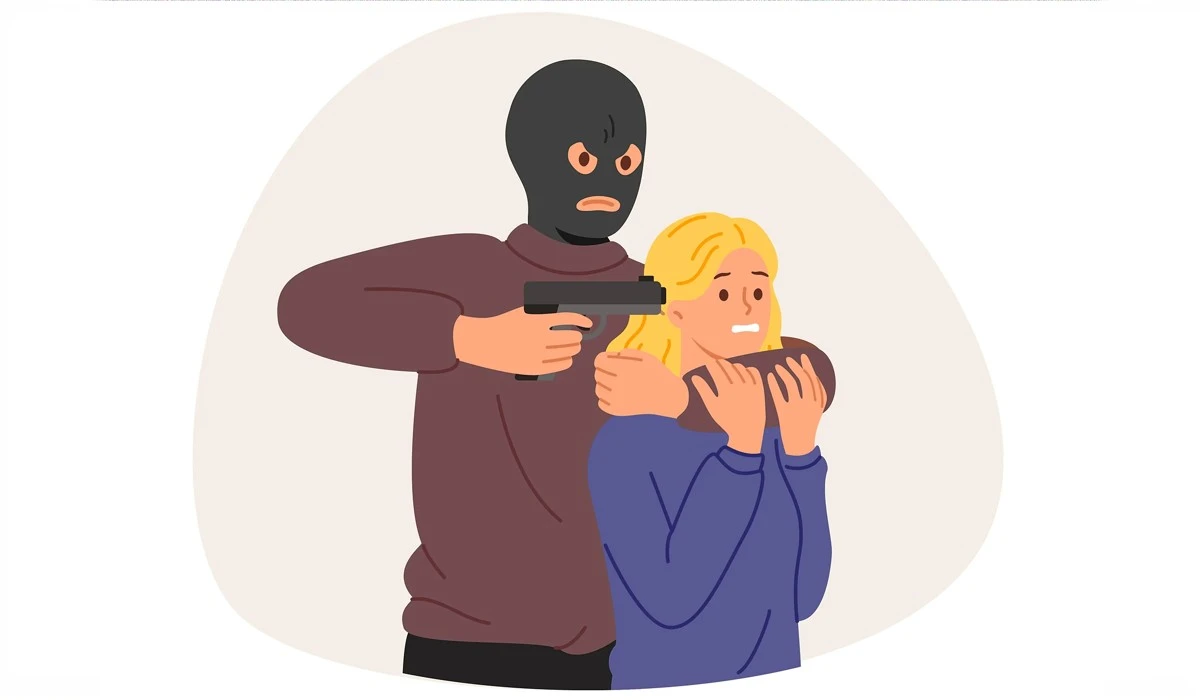
A man stands in a dark apartment holding a weapon. He feels cornered and desperate. Outside, sirens wail, and blue lights flash against the walls. Most people expect the police to burst through the door with flashbangs and rifles. Instead, a phone rings inside the room. A calm, steady voice speaks on the other end. This professional begins the process of Hostage and Crisis Negotiation.
Negotiators rely on words and empathy to lower the temperature of the room rather than using force to win. This field grew from a need for better options during high-stakes standoffs. In 1973, the NYPD realized that traditional police tactics often led to tragedy. Detectives Frank Bolz and Harvey Schlossberg created the first specialized team after the Munich Olympics massacre and a violent Brooklyn standoff.
Their work proved that talking saves more lives than shooting. Today, professionals use Hostage and Crisis Negotiation to turn a violent confrontation into a controlled conversation. It requires a blend of psychological data and tactical patience. Every word serves a purpose.
The Core Framework of Hostage And Crisis Negotiation
Modern negotiation relies on a structured approach to change a person’s behavior. The FBI uses a specific model to move a subject from a state of rage to a state of cooperation. This framework guides the negotiator through the heat of the moment. It prevents the team from rushing into a tactical mistake that could cost lives.
Tactical Empathy vs. Sympathy
According to an article in the FBI Law Enforcement Bulletin, negotiators use tactical empathy as a primary tool. The publication notes that the goal is to build a relationship via clear communication, utilizing sincere empathic engagement to recognize the subject’s perspective rather than pitying them or agreeing with their actions. This move neutralizes negative emotions. When a negotiator says, It sounds like you feel the world has treated you unfairly, they validate the person’s feelings without pardoning their crimes.
The Importance of Active Listening Skills
Active listening forms the foundation of every successful dialogue. Professionals follow an 80/20 rule where they listen 80% of the time and speak only 20%. This ratio encourages the subject to vent their frustrations and exhaust their energy. It also provides the negotiator with valuable intelligence about the subject's motives and mental state.
Using specific verbal cues keeps the conversation moving. Research published in a crisis negotiation strategy guide indicates that experts call these verbal cues minimal encouragers. The document notes that simple phrases like Mhm, yes, or go on signal that the negotiator is attentive and act as psychological anchors. What is the main goal of a crisis negotiator? The guide further explains that the primary objective is to use open-ended questions to decrease the subject’s emotionality and bring them to a more rational level, ensuring no loss of life or harm to anyone involved, so a peaceful resolution can be reached. Staying engaged without interrupting helps the negotiator build a bridge of communication.
Examining hostage psychology

Success in a standoff requires a deep grasp of hostage psychology. Negotiators look for the internal stressors that pushed the subject over the edge. These usually involve a sudden loss of control, a perceived injustice, or a mental health crisis. Understanding these stressors allows the negotiator to set a pace that the subject can handle.
Understanding the Subject’s Mindset
Most subjects in a crisis suffer from tunnel vision. Their brains focus entirely on the threat in front of them. This mental state makes it impossible for them to see alternatives to violence. The negotiator acts as a stabilizing force to widen that perspective. They analyze speech patterns to determine if the subject is thinking rationally or reacting purely from their emotional center.
Victim Interactions and the Survival Instinct
The people held against their will experience intense psychological shifts. The most famous example is Stockholm Syndrome, which experts first identified after a 1973 bank robbery in Sweden. Hostages sometimes develop an emotional bond with their captors as a survival move. Negotiators must account for this when planning a rescue or a surrender.
High-stress environments change how everyone on the scene processes information. People often wonder, How does a hostage situation affect the brain? High-stress environments initiate a fight-or-flight response that can lead to tunnel vision, making it essential for the negotiator to act as the stabilizing force. Negotiators encourage hostages to personalize themselves by talking about their families, making it harder for the captor to dehumanize them.
Proven Strategies for barricade de-escalation
A barricaded subject creates a unique set of challenges. Unlike a mobile hostage scene, the subject has hunkered down in a specific location. Effective barricade de-escalation starts with controlling the environment and the passage of time. Time is the negotiator's most valuable asset.
Containing the Scene and Buying Time
Police establish two perimeters during a standoff. The inner perimeter contains the threat, while the outer perimeter manages the media and the public. This containment prevents outside influences from agitating the subject. Slowing down the clock allows the negotiator to let the subject's initial panic subside.
The first 15 to 45 minutes of a crisis are the most dangerous. Statistics show that 50% of all casualties happen before the police can even establish a perimeter. Negotiators use this time to build a rapport rather than rushing to an ending. Every minute that passes without a shot being fired increases the likelihood of a peaceful surrender.
Managing the High-Emotion Phase
At the start of a barricade, the subject's body is full of adrenaline. This physiological surge typically lasts between 20 and 30 minutes. Negotiators use tactical silence during this window. Why do negotiators take so long to resolve a standoff? Taking time allows the subject’s adrenaline to fade, reducing the likelihood of impulsive violence and increasing the chances of a voluntary surrender.
Establishing Influence through Hostage And Crisis Negotiation
Once emotions settle, the negotiator moves toward building actual influence. They use the Behavioral Change Stairway Model to guide the subject. This path starts with active listening and moves through empathy and rapport. Only after establishing a connection can the negotiator actually influence the subject’s decisions.
The Behavioral Change Stairway Model
As detailed in the aforementioned crisis negotiation strategy guide, this five-step process is the gold standard for Hostage And Crisis Negotiation. The report states that actual behavioral change typically only occurs after the previous four stages have been successfully completed, meaning the negotiator must learn each step thoroughly before moving to the next. Trying to influence a subject before building rapport will likely cause the person to stop talking. This model ensures the shift from a heated argument to a logical discussion happens naturally.
Building a Human Connection in the Heat of Conflict
Negotiators use specific vocal techniques to project calm. Many use the Late-Night FM DJ voice, which features a low, downward-inflecting tone. This voice initiates a biological calm-down response in the subject. The same negotiation strategy guide notes that professionals also use mirroring, which refers to repeating the gist or the last few words the person in crisis said. This action encourages the subject to keep talking and reveals more about their true needs.
The ultimate goal is the Surrender Ritual. This is a choreographed plan for the subject to come out safely. Negotiators often give the subject a small win, like a cigarette or a bottle of water, right before they surrender. This makes the subject feel like they reached a mutual agreement rather than suffering a total defeat.
Tools and Technology used in Modern Crises
While words are the primary tool, technology supports the mission. Modern teams use specialized equipment to maintain a constant line of communication. These tools ensure that the dialogue never breaks down due to technical failures or outside interference.
Communication Systems and Throw Phones
Teams often deploy a throw phone. These are rugged, hard-wired communication devices like the ENTEQ system. They provide a secure line that the subject cannot track or hang up easily. These phones allow the negotiator to hear background noises in the room, which provides vital intelligence about the subject’s movements and the state of any hostages.
Using Psychological Profiling to Tailor the Message
Data plays a massive role in Hostage And Crisis Negotiation. Specialists analyze the subject's words in real-time to create a profile. They look for verbal leakage, which is a small slips of the tongue that reveal the subject's true intent. This profiling helps the team decide if they should use a firm tone or a more nurturing approach.
Differentiating Between Criminal and Mental Health Crises
Every crisis presents distinct variables. hostage psychology changes depending on why the subject is acting out. Negotiators categorize subjects to determine the best strategy. A person trying to escape a botched robbery requires a different approach than someone suffering from a mental break.
The Inadequate vs. The Delusional Subject
Negotiators often see four main profiles. The Antisocial subject needs a win. The Inadequate subject needs respect and a way to feel important. The Depressive subject needs hope and a reason to keep living. The Schizoid subject needs physical and emotional space. Understanding these profiles helps the negotiator avoid remarks that could lead to violence.
Collaborative Efforts with Mental Health Professionals
According to research from Tallinn University, police departments nationwide increasingly request the consultation of psychologists, resulting in psychiatrists being involved in training and supporting specialist police teams as psychological consultants. This expert provides insight into how certain medications or mental illnesses might affect the subject's behavior. This partnership ensures the negotiator avoids accidentally saying something that worsens a delusional state. A Department of Justice evaluation of the 1993 Waco siege shows that sending mixed messages can lead to disaster, noting that conflicts between tactical teams and negotiators led the subjects to conclude the FBI was untrustworthy and that negotiators had no influence over decision makers.
Training for Success in Hostage And Crisis Negotiation
Negotiators undergo intense training to stay calm under pressure rather than relying strictly on natural talent. They must learn to control their own heart rates while someone is screaming threats at them. This training saves lives because a calm negotiator creates a calm subject.
Roleplaying and Stress Inoculation
As noted by the Office of Justice Programs, training involves realistic role-playing scenarios based on past cases, such as the Suffolk County Police Department in New York using diverse locations and venues for mock incidents. Negotiators practice for hours with actors who mimic the unpredictable behavior of a person in crisis. This builds stress inoculation, allowing the professional to think clearly even when adrenaline levels are high. They also learn how to handle vicarious trauma, which is the emotional toll of dealing with life-and-death situations.
Lessons from the Field for Corporate Leaders
The principles of barricade de-escalation also apply to the corporate environment. High-stakes mergers or heated workplace conflicts benefit from these same listening and empathy skills. Learning to label emotions and use tactical silence can resolve a corporate standoff just as effectively as a police incident. Leaders who learn these techniques can de-escalate tension before it turns into a crisis.
The Enduring Power of Hostage And Crisis Negotiation
Every successful resolution in a crisis proves the power of human connection. Law enforcement has moved away from the idea that force is the only answer to a barricade. An article from the FBI Law Enforcement Bulletin determined statistically that adopting the principles of Hostage and Crisis Negotiation results in a success rate in the mid- to high-90th percentile, allowing teams to resolve the vast majority of incidents without firing a single shot. This discipline relies on the belief that everyone wants to be heard, even in their darkest moments.
Effective communication provides a path from chaos to safety. Whether dealing with a criminal or someone in a mental health crisis, the goal remains the same: everyone goes home alive. The structured application of Hostage and Crisis Negotiation serves as a shield for both the public and the subjects involved. Every life saved starts with a single, empathetic word.
Recently Added
Categories
- Arts And Humanities
- Blog
- Business And Management
- Criminology
- Education
- Environment And Conservation
- Farming And Animal Care
- Geopolitics
- Lifestyle And Beauty
- Medicine And Science
- Mental Health
- Nutrition And Diet
- Religion And Spirituality
- Social Care And Health
- Sport And Fitness
- Technology
- Uncategorized
- Videos

